Key Moments
Science of Muscle Growth, Increasing Strength & Muscular Recovery
 Andrew Huberman
Want to know something specific about what's covered?
We've already dissected every moment. Ask and we will deliver (with timestamps).
Key Moments
Science of muscle growth, strength, and recovery: Neuron control, metabolism, training protocols, and recovery optimization.
Key Insights
Muscle function is entirely controlled by the nervous system, with upper and lower motor neurons governing movement.
Muscle metabolism relies on glucose and glycogen, producing energy (ATP) through glycolysis; lactate, not lactic acid, is a buffer and fuel, not solely detrimental.
Muscle growth (hypertrophy) and strength are achieved through stress, tension, and damage, leading to thicker myosin filaments.
Effective resistance training involves 30-80% of one-rep max, performed to near failure, with 5-15 sets per muscle group per week for most individuals.
Recovery is crucial and can be monitored through grip strength and CO2 tolerance tests; cold exposure post-workout may hinder strength/hypertrophy gains.
Supplements like creatine and beta-alanine can enhance performance, while sufficient electrolytes, omega-3s, Vitamin D, and magnesium support muscle health and recovery.
NEUROMUSCULAR CONTROL AND MUSCLE FUNCTION
The entire neuromuscular system, from brain to muscle, is orchestrated by the nervous system. Upper motor neurons initiate deliberate movements, sending signals down to lower motor neurons in the spinal cord, which then activate muscles via the neurotransmitter acetylcholine. Rhythmic, reflexive movements are managed by central pattern generators. This intricate N-M connection dictates not only movement but also muscle metabolism, growth, and overall health, impacting everything from fat burning to posture and biological aging.
MUSCLE METABOLISM AND THE ROLE OF LACTATE
Muscles primarily utilize glucose and glycogen for energy, breaking them down through glycolysis. When oxygen is available, this process yields significant ATP. In the absence of sufficient oxygen, pyruvate is converted to lactate. Contrary to popular belief, lactate is not lactic acid and serves crucial roles: it buffers acidity, preventing the 'burn' sensation, and acts as a fuel source for continued muscle contraction. Experiencing this 'burn' can even trigger beneficial hormonal signals to the brain, heart, and liver, highlighting the complex and often misunderstood nature of muscle metabolism.
PRINCIPLES OF MUSCLE HYPERTROPHY AND STRENGTH GAIN
Muscle growth (hypertrophy) and strength improvements are driven by stress, tension, and damage, leading to adaptive responses. This involves the thickening of myosin filaments within muscle fibers. The Henneman size principle dictates motor unit recruitment, starting with low-threshold units and progressing to high-threshold ones for heavier loads. While heavy weights can contribute, a range from 30% to 80% of one-rep maximum (1RM) is effective for hypertrophy and strength, provided sets are performed close to failure. Efficient motor unit recruitment, or the 'mind-muscle connection,' is key to stimulating growth.
OPTIMIZING RESISTANCE TRAINING PROTOCOLS
Effective resistance training requires balancing volume, intensity, and recovery. For most individuals, 5-15 sets per muscle group per week within the 30-80% 1RM range are recommended. Training to muscular failure should be limited to about 10% of total sets to avoid CNS fatigue. For those seeking to maximize strength, slower eccentric (lowering) phases are beneficial, while explosiveness training involves moving moderate to heavy loads as quickly as safely possible. The duration of sets, frequency of training, and rest periods between sets (2-6 minutes for hypertrophy/strength) all influence outcomes.
ASSESSING RECOVERY AND ENHANCING MUSCLE REPAIR
Adequate recovery is paramount for muscle adaptation and preventing overtraining. Objective measures like grip strength and carbon dioxide tolerance tests can indicate systemic recovery. Grip strength reflects the nervous system's ability to generate force, while CO2 tolerance reflects parasympathetic nervous system engagement. Avoiding cold water immersion within four hours post-workout may be crucial for maximizing strength and hypertrophy gains, as it can interfere with muscle repair pathways. Additionally, managing inflammation through omega-3 fatty acids, Vitamin D, and magnesium can support recovery.
STRATEGIES FOR PERFORMANCE ENHANCEMENT AND NUTRITION
Several factors can directly enhance muscle performance and recovery. Maintaining adequate electrolyte balance is vital for nerve function. Creatine supplementation is well-supported for increasing power output and reducing fatigue. Beta-alanine aids in muscular endurance for moderate-duration efforts. For longer endurance activities, arginine and citrulline may improve blood flow, though potential side effects like cold sore outbreaks should be considered. Nutritionally, consuming 700-3000mg of the essential amino acid leucine per meal from high-quality protein sources supports muscle protein synthesis and repair.
INTEGRATING TRAINING WITH COGNITIVE FUNCTION AND RECOVERY
Intense exercise can temporarily reduce brain oxygenation, impacting cognitive function. Scheduling demanding cognitive tasks on non-training days or at times outside of regular training can leverage biological clocks for enhanced focus. Recovery can be actively promoted by engaging the parasympathetic nervous system post-workout through techniques like paced breathing. Avoiding anti-histamines and NSAIDs around workouts is advised, as they can interfere with beneficial inflammatory responses necessary for adaptation. Instead, focus on strategic inflammation during training and controlled reduction afterward.
Mentioned in This Episode
●Supplements
●Software & Apps
●Companies
●Drugs & Medications
●Concepts
●People Referenced
Muscle Growth & Recovery Cheat Sheet
Practical takeaways from this episode
Do This
Avoid This
Common Questions
The nervous system controls muscles through upper motor neurons (deliberate movement) that send signals to lower motor neurons in the spinal cord. These lower motor neurons release acetylcholine onto muscles, causing contraction. Rhythmic, reflexive movements also involve central pattern generators (CPGs) in the spinal cord. (805)
Topics
Mentioned in this video
A Nobel laureate who called movement 'the final common path,' emphasizing its centrality to the nervous system and brain function.
A PhD and full professor in exercise physiology whose work on science-based tools for hypertrophy, strength, and muscle function is highly recommended by Huberman.
An academic and expert in muscle physiology, whose work contributes to the understanding of muscle hypertrophy and strength, cited by Huberman.
A colleague of Huberman in the Biology Department at Stanford, whose work on Palmer Cooling is highlighted as a way to supercharge performance.
Director of the UFC Performance Center and researcher who identified ideal training protocols for stimulating testosterone release.
A molecule that improves muscle performance, power output (sprinting, jumping, weightlifting), body hydration, reduces fatigue, and can have cognitive-enhancing effects.
An amino acid that, along with citrulline, can improve performance for long bouts of exercise by promoting vasodilation and increased blood flow, but may increase cold sore outbreaks.
An amino acid that, along with arginine, can improve performance for long bouts of exercise by promoting vasodilation and increased blood flow, but may increase cold sore outbreaks.
Recommended as part of a trio (with omega-3s and magnesium malate) to reduce systemic inflammation.
Particularly effective in offsetting delayed onset muscle soreness and generally recommended as part of a trio to reduce systemic inflammation.
An essential amino acid, ingesting 700-3000 mg with each meal is important for supporting muscle protein synthesis (myosin) and muscle repair for hypertrophy and strength.
A supplement that supports exercise of slightly longer duration (60-240 seconds, e.g., 8-15 reps weight training, rowing, sprinting intervals), improving muscular endurance and reducing fatigue.
Recommended for reducing inflammation at a foundational, systemic level, with a general target of over 1000 mg of EPA per day, obtainable through diet or supplementation.
A supplement company partnered with Huberman Lab, known for high-quality and stringent standards for supplements, also collaborating with the Mayo Clinic and major sports teams.
A regenerative farm in Northern California that raises organic, grass-fed, and certified humane meats. Huberman consumes their meats and highlights their high nutrient and healthy fat content.
A free website providing comprehensive scientific data on supplements, where 66 studies supporting the benefits of Creatine are listed.
A personalized nutrition platform that analyzes blood and DNA data to help users understand their bodies and reach health goals. Huberman uses and recommends it for blood and DNA testing.
A technique to cool the core of the body through the palms, using venous portals, to allow for more repetitions and work at a given weight, enhancing strength and hypertrophy without dropping weight.
A protocol, such as physiological sighs or the Reveri app, used to deliberately engage the parasympathetic nervous system for relaxation and recovery after training.
A dominant androgen in humans, converted from testosterone, which leads to increases in strength and libido but can also increase male pattern baldness; Creatine can increase its levels.
A virus that lives on trigeminal nerve neurons, causing cold sores when inflamed, potentially exacerbated by arginine and citrulline ingestion.
A foundational principle in muscle physiology explaining that motor units are recruited in a staircased pattern from low to high threshold, meaning minimum nerve-to-muscle energy is used for any given movement.
A chemical neurotransmitter released from motor neurons that is the only way muscles can contract. It's also important for focus and neuroplasticity in the brain.
A hormone whose levels can increase detrimentally if resistance training sessions extend too long (e.g., past 60-75 minutes), impacting recovery and training goals.
More from Andrew Huberman
View all 422 summaries 114 min
What Makes Great Leaders & How to Live an Extraordinary Life | Dr. Jared Diamond
 31 min
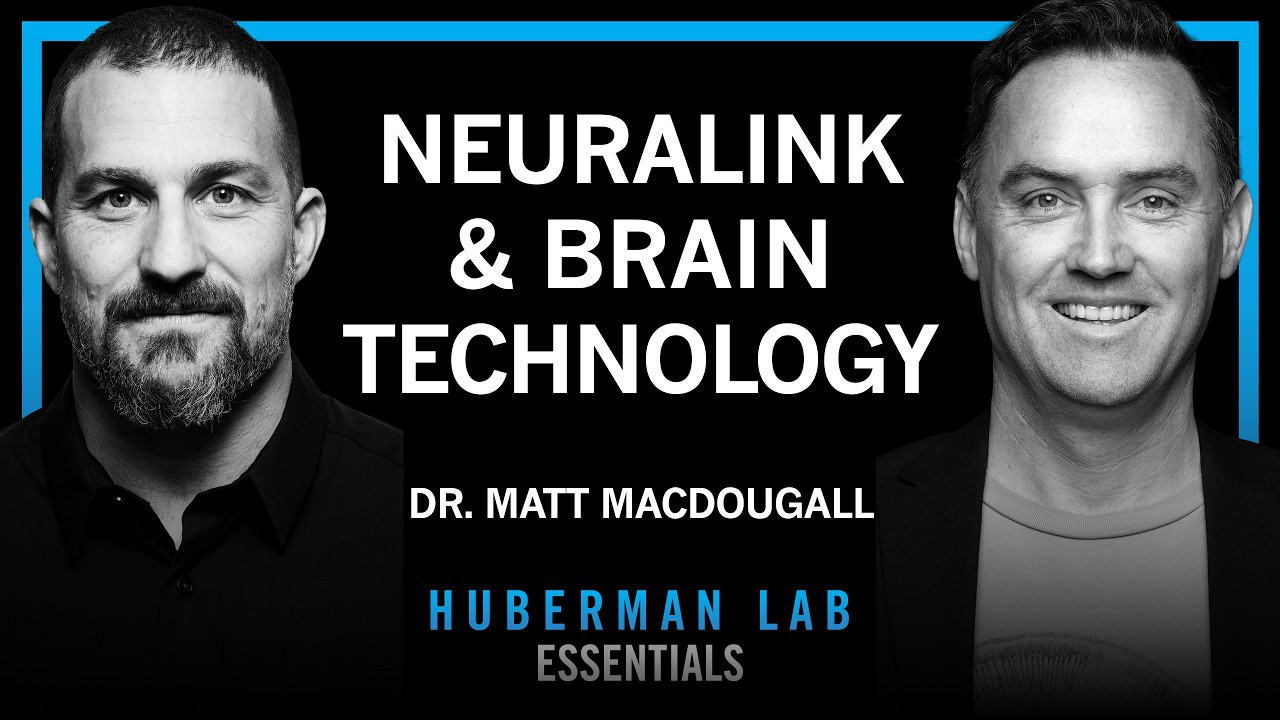
Essentials: Neuralink & Technologies to Enhance Human Brains | Dr. Matt MacDougall
 123 min
How Food Choices Shape Memory, Cognition & Cravings | Dr. Scott Kanoski
 31 min
Essentials: Manage Stress & Build Resilience | Dr. Elissa Epel
Ask anything from this episode.
Save it, chat with it, and connect it to Claude or ChatGPT. Get cited answers from the actual content — and build your own knowledge base of every podcast and video you care about.
Get Started Free