Key Moments
Dr. Matt Walker: Protocols to Improve Your Sleep | Huberman Lab Guest Series
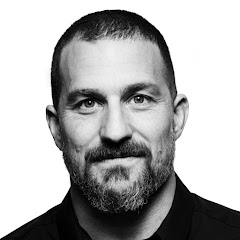 Andrew Huberman
Want to know something specific about what's covered?
We've already dissected every moment. Ask and we will deliver (with timestamps).
Key Moments
Dr. Matt Walker shares essential sleep hygiene and advanced protocols for optimizing sleep.
Key Insights
Consistency in sleep/wake times is paramount for regulating your circadian rhythm.
Optimizing light exposure (bright in AM, dim in PM) and maintaining a cool bedroom environment are crucial.
Avoid caffeine 10+ hours before bed and be mindful of alcohol's negative impact on REM sleep.
If unable to sleep, get out of bed after 20-25 minutes to avoid associating your bed with wakefulness.
Advanced techniques like electrical, acoustic, and thermal stimulation show promise for sleep enhancement.
Mindfulness, meditation, and breathwork can help manage racing thoughts that disrupt sleep.
THE FUNDAMENTALS OF SLEEP HYGIENE
Dr. Matthew Walker emphasizes five core principles of sleep hygiene, framing them as tools rather than strict rules. The first and most critical is regularity: maintaining consistent bedtime and wake-up times daily, including weekends, to anchor the circadian clock. Second, darkness is essential; dimming lights significantly in the hour before bed and using blackout curtains or eye masks helps signal the brain to release melatonin, promoting sleep. Conversely, bright light exposure in the morning, ideally from sunlight, boosts cortisol and alertness, setting the stage for a well-regulated day.
TEMPERATURE AND ENVIRONMENTAL CUES FOR SLEEP
Temperature plays a vital role in sleep regulation. To fall asleep and stay asleep, core body temperature needs to drop by about 1-2 degrees Celsius. Aiming for a cool bedroom environment, around 67°F (18.5°C), is recommended, though individuals can use socks or hot water bottles to manage extremities. Simultaneously, avoiding prolonged wakefulness in bed is crucial. If sleep doesn't come within 20-25 minutes, the advice is to get out of bed and engage in a relaxing activity in dim light, returning only when feeling sleepy to prevent associating the bed with frustration.
NAVIGATING CAFFEINE, ALCOHOL, AND CANNABIS
Substances like caffeine and alcohol significantly impact sleep quality. Caffeine should be avoided at least 10 hours before bedtime due to its long half-life. Alcohol, often mistakenly viewed as a sleep aid, actually disrupts sleep architecture, particularly REM sleep, and fragments sleep, leading to non-restorative rest. While THC in cannabis can hasten sleep onset, it severely blocks REM sleep and can lead to withdrawal insomnia. CBD shows some promise, potentially reducing anxiety and aiding sleep without the same detrimental effects as THC, though its regulation and optimal dosage require careful consideration.
UNCONVENTIONAL STRATEGIES FOR SLEEP STRUGGLES
For those experiencing poor sleep, Dr. Walker advises against immediate compensatory actions like sleeping in or napping, as these can disrupt the natural sleep drive. Instead, maintaining the regular wake-up time is key. He also highlights techniques to distract the mind from sleep-related anxiety, such as guided meditation, breathing exercises, or detailed mental walks through familiar routes. These methods help disengage from rumination, which is a significant barrier to sleep onset and maintenance, promoting a more relaxed state conducive to sleep.
ADVANCING SLEEP SCIENCE: THERMAL AND AUDITORY TOOLS
Emerging technologies offer advanced ways to enhance sleep. Thermal manipulation, like a warm bath or shower before bed (the 'warm bath effect'), helps initiate sleep by facilitating core body temperature drop. Warming extremities can accelerate sleep onset, while maintaining a cool core promotes deeper sleep and reduces nighttime awakenings, especially in older adults. Similarly, acoustic stimulation, particularly through closed-loop systems that synchronize tones with natural brainwaves, shows potential to boost deep sleep and memory consolidation, though DIY approaches are cautioned against due to safety risks.
THE FUTURE OF SLEEP ENHANCEMENT: ELECTRICAL AND KINESTHETIC METHODS
Electrical brain stimulation, specifically transcranial direct current stimulation (tDCS), has demonstrated the ability to amplify deep sleep brainwaves and enhance memory. Closed-loop systems offer personalized stimulation based on real-time brain activity. Kinesthetic stimulation, such as gentle rocking, has also shown promise in increasing sleep onset speed, deep sleep, and sleep spindles, possibly by influencing the vestibular system and proprioception. These advanced methods, alongside refined understanding of REM sleep enhancement through specific thermal conditions or novel medications like orexin receptor antagonists (doras), point towards a future of highly personalized sleep optimization.
Mentioned in This Episode
●Supplements
●Products
●Software & Apps
●Companies
●Organizations
●Books
●Drugs & Medications
●Concepts
●People Referenced
Essential Sleep Optimization Protocols
Practical takeaways from this episode
Do This
Avoid This
Common Questions
The five main edicts of sleep hygiene are regularity in bedtime and wake time, ensuring sufficient darkness in the evening, maintaining a cool ambient temperature for sleep, getting out of bed if unable to sleep for more than 20-25 minutes, and being mindful of alcohol and caffeine intake.
Topics
Mentioned in this video
A very low-carbohydrate diet, explored for its potential role in treating psychiatric conditions but can sometimes lead to hypomania and sleep disruption for some individuals.
A type of noise with less intensity in higher frequencies and more in slower domains, found in a study to increase total sleep time, enhance Stage 2 NREM sleep, and modestly increase REM sleep.
A well-validated psychological intervention for insomnia, whose most impactful tool is bedtime rescheduling (formerly sleep restriction therapy).
A technique within CBT-I that limits time in bed to increase sleep efficiency and rebuild confidence in the ability to sleep. It helps the brain to become ruthlessly efficient with sleep, often starting with 5 hours of sleep.
A non-sleep deep rest protocol that can enhance dopamine levels in certain brain areas by up to 60%, leading to mental refreshment and improved readiness for work.
A hormone that should be highest in the morning for elevated mood, focus, and alertness, and lower in the afternoon and evening for ease of sleep.
A neurotransmitter in the brain that is primarily responsible for rapid eye movement (REM) sleep, indirectly boosted by DORA drugs to enhance REM sleep.
A gene encoding liver enzymes responsible for caffeine metabolism, variations in which explain differences in individual caffeine sensitivity and half-life.
A sleep clinician who influenced Matthew Walker's understanding of managing poor sleep by advocating the 'do nothing' approach.
A public health educator whose work showed that morning exercise can partially offset blood glucose dysregulation caused by partial sleep deprivation.
A scientist in Germany whose group conducted pioneering work on electrical and acoustic brain stimulation to enhance deep sleep and memory.
A colleague in the Netherlands whose group developed a thermal wet suit with thin tubes to manipulate peripheral body temperature, accelerating sleep onset by 25% and increasing deep sleep by 25-40 minutes.
Host of the Huberman Lab podcast and professor of neurobiology and ophthalmology at Stanford School of Medicine, co-discussing sleep optimization with Dr. Matthew Walker.
The institution where Andrew Huberman holds professorships in neurobiology and ophthalmology.
A dear friend of Andrew Huberman, mentioned for his discussions on alcohol and other topics related to health.
A colleague at UC Berkeley who conducted studies on sleep, demonstrating that counting sheep prolongs sleep onset, while mental walks can accelerate it. Also, she studied the effects of removing clocks from bedrooms.
A Stanford researcher who has done work on the body's thermal regulation, specifically how pushing blood to the surface regions of the skin (hands and feet) helps cool the core body and brain for sleep onset.
A sleep science legend from Loughborough University in the UK who pioneered studies showing that warm baths or hot showers before bed can improve deep sleep by almost 40 minutes and reduce sleep onset time.
A sleep scientist from the University of Geneva who conducted an epic study on kinesthetic stimulation (rocking) using a suspended bed, showing increased sleep speed, deep sleep, and memory benefits.
A former mentor of Matthew Walker at Harvard who discovered the dominant role of acetylcholine in REM sleep in the 1970s.
A researcher at Stanford who studied narcolepsy and contributed to the discovery of orexin's role in the condition.
Expert guest and sleep researcher discussing conventional and unconventional protocols to improve sleep quality, quantity, regularity, and timing.
A scientist from Harvard Medical School whose laboratory showed that as little as 15 seconds of bright light in the evening can suppress melatonin.
A Harvard Medical School professor who has advocated for ketogenic diets in treating psychiatric conditions, sometimes associated with hypomania and sleep challenges.
The institution where Ethan Lerner's group conducted a study on pink noise and its effects on sleep.
The institution where Sophie Schwarz conducted research on kinesthetic stimulation for sleep.
The institution where Chuck Czeisler's laboratory researches circadian rhythms and sleep.
A magazine that published an article years ago charting countries with the highest caffeine consumption, with Switzerland reportedly at the top.
A class of classic sleep medications (e.g., Ambien) that are sedative-hypnotics, leading to sedation rather than natural sleep, and can disrupt beneficial slow brain wave activity during deep sleep.
A new class of sleep medications that block orexin receptors, helping turn off wakefulness signals in the brain to treat insomnia. These drugs can improve most aspects of sleep, including REM sleep, by indirectly boosting acetylcholine.
A growth hormone-releasing hormone analog (secretagogue) that some individuals use. Anecdotally, it can induce a hypnotic state and deep sleep but may completely eliminate REM sleep according to sleep trackers.
A classic Z-drug sleep medication mentioned as a sedative-hypnotic that induces sedation rather than natural sleep and can detrimentally affect electrical brain wave activity during deep sleep.
A chemical in the brain crucial for wakefulness and feeding behaviors. A deficiency in orexin is linked to narcolepsy, and blocking its receptors (with DORAs) helps induce sleep by switching off wakefulness signals.
A cannabinoid with some potential sleep-promoting benefits due to its anxiolytic and hypothermic effects, though data is mixed and the industry is unregulated.
A supplement that taps into the serotonergic system, which can initially promote deep sleep but may disrupt later phases of sleep, leading to waking up very alert.
A chemical in the brain that, when triggered by DORA drugs, can stimulate acetylcholine, a key neurotransmitter for REM sleep.
An over-the-counter supplement that acts as a precursor to acetylcholine, discussed in the context of its potential yet tricky role in sleep augmentation.
A hormone released in darkness that helps time the onset of sleep. Its release is inhibited by bright light.
A vitamin, mineral, and probiotic drink with adaptogens, designed to meet foundational nutritional needs and buffer against stress. Andrew Huberman has been taking it since 2012.
The primary psychoactive component of cannabis; it helps people fall asleep faster but leads to tolerance, dependency, blocks REM sleep, and can cause severe insomnia during withdrawal.
A mattress company mentioned for developing technology related to thermal manipulation for sleep.
A fitness wearable device that tracks daily activity and sleep, providing real-time feedback for optimizing training and sleep schedules. Andrew Huberman is on its scientific advisory council.
A personalized nutrition platform that analyzes blood and DNA data to help individuals understand their bodies and reach health goals. It provides specific directives in nutrition, exercise, and supplementation.
A mattress and pillow company that customizes products based on individual sleep needs, highlighted as a podcast sponsor.
A method of electrical brain stimulation that applies a small voltage to the brain via electrodes on the head to boost and amplify deep sleep brain waves and improve memory. Should not be attempted at home.
A type of sound machine; data on its effect on sleep is equivocal, but it may be beneficial in environments with external sound pollution for masking noise.
A meditation app with hundreds of meditations, Yoga Nidra, and non-sleep deep rest (NSDR) protocols, recommended for improving mood, reducing anxiety, and enhancing focus and memory.
More from Andrew Huberman
View all 395 summaries 32 min
The Science & Treatment of Obsessive Compulsive Disorder (OCD) | Huberman Lab Essentials
 159 min
Raising a Dog & Mastering Calm Assertive Energy | Cesar Millan
 37 min
Essentials: Tools for Hormone Optimization in Males | Dr. Kyle Gillett
 33 min
Essentials: The Science of Eating for Health, Fat Loss & Lean Muscle | Dr. Layne Norton
Ask anything from this episode.
Save it, chat with it, and connect it to Claude or ChatGPT. Get cited answers from the actual content — and build your own knowledge base of every podcast and video you care about.
Get Started Free