Key Moments
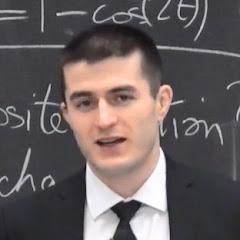
Andrew Huberman: Focus, Stress, Relationships, and Friendship | Lex Fridman Podcast #277
 Lex Fridman
Want to know something specific about what's covered?
We've already dissected every moment. Ask and we will deliver (with timestamps).
Key Moments
Andrew Huberman discusses optimizing well-being, focus, and relationships, emphasizing behavioral tools, authentic connections, and embracing life's journey.
Key Insights
Sauna use significantly reduces cardiovascular event mortality, with more frequent sessions yielding greater benefits.
Optimal focus is achieved through sufficient sleep, conscious visual field control, and understanding stress as a performance enhancer.
Preparing for demanding mental tasks involves vocal warm-ups, emotional checks, and connecting with the joy of the work, like self-hypnosis.
Rick Rubin's dedication to achieving optimal 'state' for creativity inspires a deliberate approach to mental preparation.
Relationships are complex, requiring self-regulation, mutual care, and a willingness to embrace the dynamic interplay of emotions and dependencies.
Longevity is not just about avoiding aging but embracing each developmental stage to extract life's richness and constantly evolve.
CHRONIC DISCOMFORT FOR LONG-TERM HEALTH
Andrew Huberman emphasizes the profound health benefits of regular sauna use. Engaging in sauna sessions (80-100 degrees Celsius) for 30 minutes, two to three times per week, can reduce the likelihood of cardiovascular death by 27%. Increasing frequency to four or more times per week boosts this reduction to 50%. This benefit is attributed to the body's release of dynorphin, an uncomfortable sensation that subsequently enhances the binding of endorphins, leading to greater feelings of well-being post-exposure. Cold exposure, such as ice baths, also provides significant benefits by increasing dopamine and epinephrine levels by 200-300% for several hours. This sustained elevation in neurotransmitters enhances mood, alertness, and metabolism, provided one can endure the initial discomfort. The key is to embrace discomfort, whether hot or cold, as it triggers essential physiological adaptations.
PREPARING FOR PEAK MENTAL PERFORMANCE
Huberman, inspired by figures like Rick Rubin, details his unique mental protocols for achieving peak performance during his solo podcasts, which can last six hours or more. This preparation includes a two-hour pre-recording period with limited external interactions. He takes a walk, recites song lyrics (often singing them) for 10 minutes to warm up his vocal cords and assess his energy levels. This practice helps him synchronize his thinking and speaking rates, ensuring clear articulation. He also employs panoramic vision to calm his mind and consciously reminds himself of the podcast's purpose: to communicate the 'beauty and utility of biology.' This deliberate process aims to access a childlike enthusiasm for sharing information, ensuring it is interesting, clear, and actionable.
THE ART OF ATTRIBUTION AND COMMUNITY IN SCIENCE
Huberman highlights the importance of attribution in science, noting its difference from social media culture. In academia, citing sources and acknowledging others' work enhances one's reputation, placing them in the company of respected researchers. He expresses genuine pleasure in celebrating the contributions of others, believing it strengthens the entire scientific community. He contrasts this with the competitive 'my neighbor gets a toaster, I get a bigger toaster' mentality that can sometimes stifle collaborative spirit. This open approach extends to personal connections, leading to serendipitous encounters, such as Lex Fridman's meeting with Rick Rubin. Huberman sees building a community by sharing what one loves as a powerful, reciprocal process that benefits everyone.
NAVIGATING THE COMPLEXITY OF HUMAN BEHAVIOR AND RELATIONSHIPS
The discussion delves into interviewing controversial figures like Elizabeth Holmes and Ghislaine Maxwell, exploring the human capacity for evil and the importance of empathy in understanding complex individuals. Huberman acknowledges the inherent challenge in suspending judgment for people whose actions evoke repulsion but stresses the value of learning from interactions with those who are vastly different from oneself. This exploration ties into the psychology of relationships, where early attachment patterns profoundly influence adult romantic dynamics. Huberman explains the four-arrow system of relational dynamics—how one feels, how the other feels, how one feels about the other's feelings, and vice-versa—to illustrate the intricate emotional processing involved. He emphasizes that navigating relationships requires courage, self-regulation, healthy boundaries, and a conscious decision to prioritize mutual care and growth.
CONSCIOUS STATE SHIFTING AND THE POWER OF SELF-HYPNOSIS
Huberman extols the virtues of Non-Sleep Deep Rest (NSDR), including self-hypnosis and Yoga Nidra, as powerful tools for rapid state shifting and mental recovery. He points out that while meditation can be exhausting for many due to its focus demands, NSDR allows the brain and body to achieve deep relaxation and focus with less effort. He uses the Reveri app for quick self-hypnosis sessions, even during long podcast recordings, to reset his energy and focus. The ability to consciously shift one's mental state is crucial for both cognitive performance and emotional regulation, particularly in managing stress. NSDR helps individuals learn to detach from overwhelming emotions and associate them with calmness, offering a zero-cost, accessible method for improving mental well-being and performance.
THE MIND-BODY CONNECTION IN STRESS AND FOCUS
Huberman highlights the profound impact of mindset on physical and mental performance, particularly concerning stress. Citing Dr. Alia Crum's research, he explains that our beliefs about stress dramatically shape its effects: perceiving stress as enhancing makes us sharper, while viewing it as crippling impedes performance. This 'Soberg principle' extends to cold exposure, where ending with cold and allowing natural shivering maximizes metabolic benefits. For focus, crucial steps include prioritizing quality sleep, training visual focus (narrowing/dilating the visual field), and utilizing specific environmental cues like compact workspaces or high ceilings for different cognitive tasks. While pharmacological aids like caffeine or nootropics can assist, behavioral tools are foundational for sustainable focus and leveraging stress as an advantage.
OPTIMAL TRAINING FOR STRENGTH, HYPERTROPHY, AND ENDURANCE
Huberman translates insights from Andy Galpin on structured physical training. For strength, he recommends compound exercises (3-5 per session, 3-5 reps per set) with 3-5 minutes rest, performed 3-5 times weekly, focusing on neural adaptations rather than muscle failure. For hypertrophy (muscle growth), a broader rep range (6-30 reps) across 10+ sets per muscle group weekly is effective, emphasizing training to failure or beyond, and micro-damage or metabolic stress (like blood restriction training). For endurance, beyond moderate cardio, one day a week should include maximal heart rate sprints (90 seconds, rest, repeat) and another day for mile repeats (run mile, rest equivalent time, repeat 1-3 times). This comprehensive approach aims for functional fitness, ensuring balanced development without compromising specific goals.
LONGEVITY AND EMBRACING LIFE'S DEVELOPMENTAL ARCS
Huberman articulates a unique perspective on aging, embracing it as a natural developmental arc rather than something to merely combat. Drawing from Erikson's stages, he views each life stage as an opportunity to resolve neural problems and extract richness from the human experience. While emphasizing healthy habits to prevent illness, he rejects an obsession with living past 90-95, instead focusing on maximizing impact and integrity within his lifetime. This viewpoint connects to his broader philosophy of appreciating evolution and adaptation in all aspects of life, recognizing that growth and learning are continuous processes. He highlights the joy of embracing change and finding value in every phase of existence, a perspective that counters the societal pressure to perpetually stay young.
THE AUTHENTIC SELF IN PUBLIC AND PRIVATE LIFE
Huberman and Fridman discuss the challenge of maintaining authenticity while navigating public platforms. They admire figures like Joe Rogan and Elon Musk for their unvarnished self-expression, contrasting it with the pressures on public figures to conform. Huberman stresses the importance of authenticity without oversharing, acknowledging that a private life is essential. He also speaks about the nuanced nature of online interactions, likening social media to a classroom where 'rules' for respectful engagement are necessary. While advocating for freedom of speech—including the freedom to be 'weird'—he emphasizes the need to protect positive communities from being overwhelmed by negativity. This balance allows for genuine connection and the free exchange of ideas while preserving mental well-being.
CURIOSITY, MEANING, AND THE CHILDLIKE MIND
The conversation concludes with an emphasis on curiosity as a driving force. Huberman quotes Dorothy Parker: 'The cure for boredom is curiosity; there is no cure for curiosity.' He reflects on the depth of simple, childlike questions—like Fridman's 'What is money?'—that cut through cultural filters to reveal profound truths. This includes a reference to the Russian cartoon 'Hedgehog in the Fog,' which beautifully captures the melancholy and wander of childhood, portraying curiosity in exploring the unknown as brave and essential. Huberman advocates for treating children with respect for their intelligence, allowing them to ask fundamental questions and interpret the world in their own way, fostering a seriousness and depth of thought often lost in adulthood. This childlike approach to exploration fuels scientific discovery and personal growth.
THE NEUROSCIENCE OF RELATIONSHIPS AND LOVE
Huberman delves into the complex neuroscience of relationships, explaining that early brain circuits developed for caregiver attachments are repurposed for adult romantic and sexual relations, influencing attachment styles. He highlights the counterintuitive nature of arousal and orgasm, with arousal linked to the parasympathetic (calming) system and orgasm to the sympathetic (stress) system. He previews upcoming episodes on sexual health, covering topics from the menstrual cycle to menopause and the neurological changes during sexual activity. Huberman stresses the importance of understanding underlying dynamics, even as societal norms around relationships evolve. The discussion touches on the profound discomfort (dynorphin release) associated with the loss of attachment, emphasizing that while painful, it signifies having deeply felt love.
BUILDING LASTING LOVE AND FRIENDSHIP
Finding lasting love, according to Huberman and his friend's advice, is ultimately a conscious decision and a prioritization. It involves envisioning one's desired daily routine and seeking a partner who aligns with that vision. He emphasizes that while personal autonomy is important, sharing life's journey with another person significantly enhances the experience. In relationships, nurturing and mutual care are paramount, with each person striving to do 'a little bit more than you think you ought to,' leading to collective flourishing. The distinction between the early 'dopamine' phase and the later 'serotonin' phase (mutuality, coziness) is discussed, with the goal of sustaining attraction by navigating dependency and 'objectification' (in the psychological sense). Ultimately, Huberman underscores the transformative power of deep trust, immense respect, and unwavering support in both romantic partnerships and profound friendships.
THE ETHICS OF CONVERSATION AND PROTECTING VULNERABLE VOICES
Fridman raises the ethical dilemma of platforming controversial or hateful figures, balancing free speech with the protection of 'quiet voices.' He expresses concern that loud, obnoxious rhetoric can silence thoughtful discourse. While advocating for diverse platforms, Fridman suggests creating digital mechanisms to prevent the destructive collision of hateful and loving communities. Huberman agrees, comparing it to a city needing both symphonies and punk rock shows, but not necessarily overlapping. He notes that in science, etiquette constrains communication, contrasting it with comedy's role in pushing boundaries. This nuanced approach recognizes the responsibility that comes with platforming varied viewpoints and emphasizes the importance of carefully curating interactions to foster constructive dialogue and preserve positive environments.
Mentioned in This Episode
●Supplements
●Products
●Software & Apps
●Companies
●Organizations
●Books
●Concepts
●People Referenced
Optimizing Focus, Stress, and Exercise
Practical takeaways from this episode
Do This
Avoid This
Sauna Protocol Benefits
Data extracted from this episode
| Use Frequency | Temperature Range (°C) | Session Duration | Growth Hormone Release Increase | Cardiovascular Event Mortality Reduction |
|---|---|---|---|---|
| Max 1x/week (specific protocol) | 80-100 | 4 rounds of 30 min sauna with 5-10 min breaks (total 2 hours) | 16-fold | N/A |
| 2-3 times/week | 80-100 | 30 min per session | N/A | 27% |
| 4+ times/week | 80-100 | 30 min per session | N/A | 50% |
Common Questions
Andrew Huberman used to follow a 'slow carb' diet with a weekly cheat day, where he would consume pizzas, croissants, and donuts. He would then fast for 24 hours to mitigate gastric distress. He now prioritizes healthy eating daily and has lost his appetite for sweets.
Topics
Mentioned in this video
Author and podcast host, whose 'Slow Carb Diet' Andrew Huberman followed for many years, and whose knowledge on exercise in water was cited.
Legendary musician whose late-career albums were produced by Rick Rubin, including covers that became iconic.
Carl Deisseroth's wife, an amazing scientist, thinker, and writer in the neurology department at Stanford.
A craftsman who makes beautiful handmade knives, and who engraved a line from Kipling's 'If' poem onto a knife for Lex Fridman.
The lead singer of The Clash, whose solo work and work with The Mescaleros Andrew Huberman is a huge fan of, particularly his lyrics.
A brilliant licensed clinical psychologist and tenured professor at Stanford, who directs the Mind-Body Lab, known for research on how belief systems impact physiological responses to stress.
A famous UFC fighter, whose picture is on the wall at Spa 88, indicating he is a patron there.
An evolutionary psychologist from UT Austin, who discussed the dynamics of mating and relationships on a podcast episode.
A brilliant neuroscientist at Stanford University and the host of the Huberman Lab podcast, known for his work in health and science.
Co-founder of Apple, mentioned for his response to iPhone call-dropping issues, contrasting his actions with Elizabeth Holmes's.
A controversial individual whose alleged actions were described as despicable, raising questions about understanding human evil.
Podcast host, mentioned by Andrew Huberman as someone with excellent memory, and as the source for discovering Mike Jones's work.
A famous musician and songwriter, whose lyrics Andrew Huberman admires.
Reggae musician and songwriter, whose song 'Redemption Song' was covered by Johnny Cash and Joe Strummer.
A controversial stand-up comedian from the 1950s and 1960s, whose character is somewhat resembled in 'The Marvelous Mrs. Maisel'.
A psychoanalyst whose work describes the phenomenon of 'splitting' in borderline personality disorder.
Ghislaine Maxwell's associate, whom she claims to be a victim of.
A classical pianist who had Asperger's and Tourette's-like ticks, known for his unique interpretations of J.S. Bach.
A well-known scientist focused on aging research, mentioned by Andrew Huberman as a friend.
A stand-up comedian known for his masterful ability to command an audience, seen performing in San Francisco.
A researcher whose lab works on neuroimaging, trauma, and pain relief, including the effects of hypnosis.
A psychoanalyst, whose theory about the repurposing of early attachment circuitry for romantic relationships is acknowledged as being "at least right about one thing".
A mutual friend of Tim Ferriss and Andrew Huberman, who participated in a 'cheat day marathon' in New York City.
Founder of Theranos, discussed as a controversial figure associated with deception in science and healthcare.
A humble and brilliant neuroscientist, engineer, and practicing psychiatrist at Stanford, known for working in a small, dark office to maintain focus.
President of Russia, mentioned by Lex Fridman as someone he's interested in interviewing, especially before the war in Ukraine.
Author of the poem 'If', whose work was engraved on a knife given to Lex Fridman.
A British pop band that Andrew Huberman is a big fan of, despite losing 'punk points' for liking them.
A developmental psychologist known for his theory on the stages of psychosocial development, mentioned by Andrew Huberman in the context of embracing life's developmental arc.
A virologist from Columbia University, described as an encyclopedia of all things virology and an incredible lecturer.
An ultra-endurance athlete and author, frequently mentioned for his embodiment of drive, determination, and ability to override emotional states, particularly in physical and mental transitions.
Author of 'The Brain is a Time Machine' from UCLA, whose work is cited in the context of time perception and focus.
A Scandinavian researcher who published a paper in Cell Reports Medicine on the benefits of cold exposure for metabolism, inspiring the 'Søberg Principle'.
Comedian, mentioned in the context of his show 'Louie' and the 'Bang Bang' meal concept.
An acclaimed music producer known for his calm demeanor and ability to help artists get into optimal creative states, who became a close friend of Andrew Huberman and was introduced to Lex Fridman.
A former cyber criminal turned government worker, who discussed his sociopathic lack of remorse for past crimes.
An American novelist, poet, environmental activist, cultural critic, and farmer; Andrew Huberman mentions being a big fan of his poetry.
Actor involved in the famous slapping incident at the Oscars, discussed in terms of impulse control and human nature.
Comedian who was slapped by Will Smith, admired for his composure and quick recovery in the face of aggression.
CEO of Google, a fan of NSDR (non-sleep deep rest), indicating its usefulness for managing stress and maintaining focus in demanding roles.
A hypnotist who creates long, free hypnosis scripts available online, recommended for deep relaxation.
An encyclopedia of strength training and muscle building, working with UFC fighters and running a lab that includes a gym for endurance, powerlifting, and hypertrophy training.
A neurologist and writer, true hero to Andrew Huberman, who faced pushback from the neurology community for his books but became famous after the movie 'Awakenings'.
An album by Joe Strummer produced by Rick Rubin, mentioned where he did work with Johnny Cash.
A podcast by Vincent Racaniello, recommended for those interested in virology.
A television show about a female comedian in 1960s New York, praised for its writing and humor, and its depiction of the challenges faced by comedians.
A famous punk rock band, of which Joe Strummer was a member, though Andrew Huberman expresses not being a fan of most of their songs.
A Soviet-era animated film, which Lex Fridman showed to Andrew Huberman, admired for its melancholy beauty and philosophical depth.
A Bob Marley song that Johnny Cash and Joe Strummer did a version of, produced by Rick Rubin, often played on loop in Andrew Huberman's house.
A diet protocol followed by Andrew Huberman, which allowed one cheat day per week and focused on low glycemic carbs and animal proteins.
A hormone whose optimization is a common question from young male audiences.
A form of guided meditation or deep relaxation, used by Andrew Huberman to enhance recovery and sleep when not well-rested.
An acronym coined by Andrew Huberman for practices like hypnosis and Yoga Nidra that induce relaxation and focus without formal meditation, popular for resetting energy levels.
A hormone, mentioned in the context of discussions on optimizing hormone levels and sexual health.
City where Andrew Huberman is scheduled to give a public lecture for the Lundbeck Foundation.
A maximum-security state prison in California, visible from Andrew Huberman's hike, which prompts thoughts about justice and innocence.
A famous former federal prison in San Francisco Bay, mentioned alongside San Quentin as a prominent sight in the Bay Area.
A scientific journal where Susanna Søberg published her work on cold exposure and metabolism.
A book by an analyst about how strong relationships constantly balance dependency and objectification to maintain intense attraction.
A poem by Rudyard Kipling, recited by Lex Fridman, which includes the line 'Yours is the Earth and everything that's in it' that was engraved on a knife.
A book by two psychologists (one from Columbia University) that discusses how childhood dynamics of attachment carry over to adult romantic relationships.
A novel about World War I, referenced for its description of war in relation to the smell of a skunk.
A very psychoanalytic book by a psychoanalyst, discussing the role of sexual fantasy and the repurposing of early attachment circuitry into romantic and sexual relationships.
The academic institution where Andrew Huberman is a neuroscientist, noted for its future-oriented culture and emphasis on creation.
An academic foundation in Denmark, which invited Andrew Huberman to give a public lecture on health and science.
Andrew Huberman's health and science podcast, described as one of the best in the world.
A wellness center in Austin with saunas, ice baths, and salt tanks, which Andrew Huberman visits when in town.
A Russian-owned bathhouse in New York, visited by Andrew Huberman and Khabib Nurmagomedov, known for its hot saunas and cold dunks, where clothing is required.
A band whose song 'Hurt' was famously covered by Johnny Cash, produced by Rick Rubin.
A Canadian university where Andrew Huberman gave a public lecture.
A bathhouse in San Francisco known for its hot saunas and cold dunks, described as clothing optional.
More from Lex Fridman
View all 551 summaries 232 min
The Rise and Fall of the Roman Empire and the Byzantine Empire | Lex Fridman Podcast #498
 174 min
Biggest Mysteries in Physics: Antimatter, Dark Energy & ToE - Don Lincoln | Lex Fridman Podcast #497
 259 min
FFmpeg: The Incredible Technology Behind Video on the Internet | Lex Fridman Podcast #496
 124 min
Vikings, Ragnar, Berserkers, Valhalla & the Warriors of the Viking Age | Lex Fridman Podcast #495
Ask anything from this episode.
Save it, chat with it, and connect it to Claude or ChatGPT. Get cited answers from the actual content — and build your own knowledge base of every podcast and video you care about.
Get Started Free