Key Moments
#31 – Navdeep Chandel, Ph.D.: metabolism, mitochondria, and metformin in health and disease
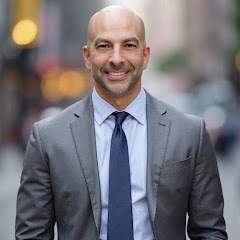 Peter Attia MD
Want to know something specific about what's covered?
We've already dissected every moment. Ask and we will deliver (with timestamps).
Key Moments
Mitochondria are signaling organelles, ROS can be beneficial, and Metformin's complex effects. Focus on metabolism, cancer, and aging.
Key Insights
Mitochondria are not just powerhouses but also crucial signaling organelles, influencing cellular functions beyond ATP production.
Reactive oxygen species (ROS), often considered harmful, can play beneficial signaling roles in physiological processes like immune response and exercise.
Antioxidant supplements may not be beneficial and could even be harmful, particularly in specific contexts like cancer or sepsis, suggesting a need for balance.
Mitochondrial DNA, though small, is critical and its unique inheritance and location raise questions about its vulnerability and role in disease.
Metformin, a common anti-diabetic drug, exhibits multifaceted effects including anti-inflammatory, anti-cancer, and potential anti-aging properties, primarily by inhibiting mitochondrial complex I.
Cancer cells are heavily reliant on mitochondrial function for genesis and growth, challenging the historical dogma that cancer cells solely rely on glycolysis.
THE EVOLVING ROLE OF MITOCHONDRIA
Mitochondria were historically viewed solely as the 'powerhouses' of the cell, producing ATP through oxidative phosphorylation. However, recent research, including work by Navdeep Chandel, highlights their critical role as signaling organelles. This shift in understanding suggests that mitochondria actively participate in cellular communication and influence a wide range of biological processes, including cell death, immune responses, and adaptation to stress. Their function extends far beyond simple energy generation.
REACTIVE OXYGEN SPECIES: A DOUBLE-EDGED SWORD
While reactive oxygen species (ROS) like hydrogen peroxide are often associated with cellular damage and aging, Chandel's work suggests they play vital signaling roles. Under physiological conditions, mitochondria-generated ROS can signal for beneficial cellular functions, such as activating the immune system or mediating the benefits of exercise. This challenges the conventional view that all ROS are detrimental and emphasizes the importance of context and balance in their effects.
THE COMPLEXITY OF ANTIOXIDANTS AND AGING
The prevailing notion that antioxidants are universally beneficial is questioned. Clinical trials on antioxidant supplements have largely failed to show benefits and, in some cases, have shown harm. Chandel posits that by scavenging ROS, antioxidants might interfere with beneficial signaling pathways essential for health and longevity, particularly in response to stress like exercise or during immune activation. Furthermore, the decline in mitochondrial function observed with aging may be an adaptive response rather than solely a pathological state.
MITOCHONDRIAL DNA: A UNIQUE AND VULNERABLE COMPONENT
The presence of distinct mitochondrial DNA (mtDNA) within mitochondria, of bacterial origin and maternally inherited, presents unique biological questions. This mtDNA is largely unprotected compared to nuclear DNA, making it vulnerable to damage from ROS. While high levels of antioxidants exist within mitochondria to protect mtDNA, its fragility and the potential for damage from factors like hypercortisolism raise concerns about its role in age-related diseases and neurological conditions.
METFORMIN'S MULTIFACETED EFFECTS AND MECHANISMS
Metformin, a widely used anti-diabetic drug, exerts its effects through complex mechanisms, primarily by weakly inhibiting mitochondrial complex I. This inhibition leads to a cascade of downstream effects, including activation of AMPK, reduced glucose production by the liver, and potential anti-inflammatory and anti-cancer benefits. While its primary anti-diabetic role is well-established, ongoing research explores its broader applications in longevity and disease prevention.
MITOCHONDRIA AND CANCER: RE-EVALUATING THE WARBURG EFFECT
Contrary to the long-held Warburg effect theory, which suggested cancer cells rely solely on glycolysis and suppress mitochondria, Chandel's research indicates that mitochondrial function is essential for tumor genesis and growth. Genetic experiments show that inhibiting mitochondrial respiration significantly reduces tumor formation. This suggests that both glycolysis and mitochondrial respiration are necessary, though not sufficient, for cancer cell proliferation, opening new avenues for cancer therapy targeting mitochondrial pathways.
HORMONAL INFLUENCES: CORTISOL AND ENDOCRINE BALANCE
The discussion highlights the crucial role of hormones like cortisol in health and disease. Chronic stress and hypercortisolism can negatively impact mitochondrial function and overall endocrine balance. The difficulty in easily measuring free cortisol and the challenge of managing stress responses underscore the need for greater attention to these often-overlooked physiological factors, which can influence metabolism and cellular health.
NAD+ SUPPLEMENTATION AND THE REDOX RATIO
The declining levels of NAD+ with age have fueled interest in NAD+ precursor supplements like NR and NMN. While these precursors are thought to boost NAD+ levels, their precise mechanisms, tissue specificity, and effectiveness, particularly regarding the NAD+/NADH ratio, remain areas of active research. Potential crosstalk with inflammatory cells and the liver is being explored, suggesting broader roles beyond direct NAD+ replenishment for processes like sirtuin activity.
THE DIETARY DEBATE: FROM MEDITERRANEAN TO FASTING
Navigating dietary recommendations is complex. While the Mediterranean diet is often lauded, its broad definition and potential methodological issues in some studies warrant careful consideration. The conversation touches upon the limitations of mouse studies for human nutrition and distinguishes between short-term and long-term effects of diets like the ketogenic diet. Emphasis is increasingly shifting towards caloric restriction and fasting as potent metabolic modulators.
Mentioned in This Episode
●Supplements
●Companies
●Organizations
●Books
●Drugs & Medications
●Studies Cited
●Concepts
●People Referenced
Common Questions
Reactive oxygen species like superoxide and hydrogen peroxide are traditionally seen as toxic. However, they can also act as beneficial signaling molecules under physiological conditions, influencing immune function and adaptive responses to stress like exercise. The balance between pro-oxidative and antioxidative stress is critical, as too much antioxidant activity can sometimes be harmful, especially when enhanced immune function is needed.
Topics
Mentioned in this video
Scientist who published a paper in 1960 on how ATP is made, a significant discovery in the mitochondria field.
Collaborated with Jason Locasale on Metformin studies in ovarian cancer.
Co-authored a paper with Craig Thompson and Luke Cantley proposing that glycolysis in cancer cells is for biomass production, not just energetics.
Co-authored a paper with Matt Vander Heiden and Craig Thompson on cancer metabolism and glycolysis for biomass.
University of Chicago ovarian cancer expert, collaborated with Jason Locasale on Metformin studies.
Professor of medicine and cell and molecular biology at Northwestern University, author of 'Navigating Metabolism', and expert on mitochondria.
Won a Nobel Prize for discovering the TCA cycle, a central part of cellular respiration.
Host of The Drive podcast, interested in optimizing performance, health, and longevity.
A mutual friend and colleague mentioned as having traveled to Easter Island with Peter Attia and Navdeep Chandel, and also discussed in relation to mTOR.
Podcast host who recorded an episode at Easter Island with Peter Attia, Navdeep Chandel, and David Sabatini.
Discovered the new form of cell death called ferroptosis in 2011.
Co-discoverer of ferroptosis at Columbia University.
A scientist at Duke University who worked with human ovarian cancer biopsies to show that Metformin alters TCA cycle metabolites.
Involved in developing a drug targeting anti-apoptotic proteins in cancer, now at Vanderbilt.
A classmate of Peter Attia from medical school and colleague at Princeton, who published a paper on NAD+ precursors and their uptake by the liver.
Co-author (presumably) of the textbook 'Stryer's Biochemistry', which is a well-regarded resource for biochemistry.
Nobel Prize winner who observed that cancer cells produce a lot of lactate and consume less oxygen, leading to the Warburg effect theory.
Co-authored a paper with Matt Vander Heiden on cancer metabolism and glycolysis for biomass.
Co-authored a review with Navdeep Chandel called 'Fundamentals of Cancer Metabolism', demonstrating that both glycolysis and mitochondria are necessary for tumor genesis.
Scientist who has done work showing that decreasing mitochondrial complex one or three in worms can extend lifespan.
Last author on a study (presumably in mice) that looked at different diets, favoring one with moderate protein, carbs, and good fats.
An enzyme that uses cytochrome C as a substrate and is critical for respiration, part of the electron transport chain.
A diet that may have benefits for the brain but can cause short-term insulin resistance in muscles.
A protein involved in the energy-generating system of mitochondria which, if released into the cytoplasm, can rapidly kill a cell through apoptosis.
A metabolite that accumulates when mitochondria are dysfunctional and NAD+ is low/NADH is high; its increase can cause neurodegeneration.
A reactive oxygen species released by mitochondria, which can act as a signaling molecule under physiological conditions, with beneficial effects like immune function.
The observation that cancer cells rely more on glycolysis (glucose to lactate) than oxidative phosphorylation for energy, even in the presence of oxygen.
A cellular process promoted by AMPK activation, important for cellular cleanup.
Tricarboxylic acid cycle, also known as the citric acid cycle, a series of enzymatic steps in the mitochondria that generates reducing equivalents for ATP production.
Programmed cell death, a cascade initiated by the release of cytochrome C from mitochondria into the cytoplasm.
A new form of cell death involving hydrogen peroxide, free iron, and lipid hydroperoxides, which can be toxic if not regulated by enzymes like GPX4.
An enzyme in the body that constantly eliminates lipid hydroperoxides, preventing cell death by ferroptosis.
A transporter protein that imports pyruvate into the mitochondria, potentially a therapeutic target.
An enzyme that breaks down NAD+, most abundant on immune cells, suggesting an immune connection to NAD+ metabolism.
A dietary pattern that includes nuts and avocados, which Peter Attia found to be a good diet despite recent critiques of the PREDIMED study.
Molecules that can neutralize reactive oxygen species. Discussion includes whether they are always beneficial or can be harmful when ROS are needed for signaling.
A potent toxin that disrupts ATP production in the mitochondria, leading to fatal consequences.
A form of Coenzyme Q10 (CoQ10) with a cation attached, designed to increase its affinity for mitochondria. It can reduce ROS production, which can have negative biological consequences.
Nicotinamide adenine dinucleotide, its precursors (NR, NMN), and its role in an anti-aging context and as a cofactor.
Molecules like superoxide and hydrogen peroxide which can be toxic but also beneficial as signaling molecules in mitochondria.
The reduced form of coenzyme Q (CoQ10), which is an antioxidant. It is super hydrophobic and often has poor bioavailability.
More from Peter Attia MD
View all 333 summaries 135 min
381‒Alzheimer’s disease in women: how hormonal transitions impact the brain, new therapies, & more
 9 min
9 minIs Industrial Processing the Real Problem With Seed Oils? | Layne Norton, Ph.D.
 13 min
Cooking with Lard vs Seed Oils | Layne Norton, Ph.D.
 146 min
380 ‒ The seed oil debate: are they uniquely harmful relative to other dietary fats?
Ask anything from this episode.
Save it, chat with it, and connect it to Claude or ChatGPT. Get cited answers from the actual content — and build your own knowledge base of every podcast and video you care about.
Get Started Free