Key Moments
Cooking with Lard vs Seed Oils | Layne Norton, Ph.D.
 Peter Attia MD
Want to know something specific about what's covered?
We've already dissected every moment. Ask and we will deliver (with timestamps).
Key Moments
Avoid seed oils? Focus on overall diet, LDL, oxidation, and practical fry choices.
Key Insights
Replacing saturated fat with monounsaturated fats can lower LDL and may be cardio protective, but polyunsaturated fats often provide stronger cardiovascular benefits.
If you avoid seed oils, choose alternative fats like olive or avocado oil and maintain other heart health levers such as fiber and total fat quality.
Oil processing and cooking influence oxidation risk; large volume processing reduces oxidation, while frying with thin oil layers and repeated use increases harmful oxidation products.
There is no clear winner between frying with lard versus seed oils; outcomes depend on overall diet, frequency of frying, and total energy balance, not just oil type.
LDL related risk is important, but other factors such as oxidation and overall health practices matter; pharmacologic LDL control does not erase dietary considerations.
Science requires context; media hot takes simplify complex findings. Converging high quality evidence is more informative than single studies or headlines.
Real world guidance emphasizes energy balance and fiber, with seed oil worries being a smaller lever compared to total calories, activity, and overall diet quality.
A BALANCED TAKE: SEED OILS, SATURATED FAT, AND SUBSTITUTIONS
If you do not want to consume seed oils, you should still consider what you replace the saturated fat with. The discussion notes that replacing saturated fats with leaner protein sources and lower saturated fat proteins is sensible, and that monounsaturated fats can lower LDL when they replace saturated fats. They also point out that polyunsaturated fats tend to be more cardioprotective than monounsaturated fats, though MUFAs are not inert. The speaker suggests practical options such as olive oil or avocado oil and emphasizes that processing details matter for oxidation potential even after these choices.
MONOUNSATURATED VERSUS POLYUNSATURATED FATS IN CARDIOVASCULAR HEALTH
Monounsaturated fats appear to reduce LDL when substituted for saturated fats and can offer some cardio protection, while polyunsaturated fats generally provide stronger cardioprotection. The speaker cautions that the conversation is nuanced and avoids oversimplification. He highlights the importance of converging evidence from high quality studies, including genetic investigations, and acknowledges that media headlines often distort the relative benefits of different fat types. The takeaway is to weigh fat quality within the broader pattern of diet and health outcomes.
OIL PROCESSING AND COOKING: WHAT HAPPENS WHEN OIL IS HEATED
Industrial processing of oils under vacuum minimizes oxygen exposure, which reduces oxidation during heating. This means large volume oil use can have lower oxidation risk than expected. However, frying dynamics matter: the thickness of the oil layer and repeated heating in practical settings can rapidly generate oxidized byproducts and potentially harmful compounds. These dynamics help explain why careful cooking practices and oil turnover are important even when oil processing is optimized.
FRYING OILS: LARD OR SEED OIL A HARD TRADE OFF
Choosing between lard and seed oils for frying is a trade off rather than a clear winner. There is not a definitive human randomized trial comparing frying with one oil versus another. The discussion emphasizes that the health impact depends on the overall diet, the frequency of French fry consumption, and the total energy balance. Marketing narratives can mislead by presenting one oil as inherently healthier, which may lead to greater consumption rather than healthier choices. Context and moderation are key.
LDL APOB AND THE HEART HEALTH PICTURE
ApoB containing lipoproteins are strongly linked to atherogenesis, and there is a robust body of converging evidence from Mendelian randomization and statin trials supporting this connection. The speaker notes that while managing LDL is important, other factors such as oxidation and overall metabolic health also matter. He points out that pharmacologically regulating LDL does not entirely replace dietary considerations, and that a comprehensive view of risk is necessary for meaningful health improvements.
COMMUNICATION LIMITS AND WHY STUDY DESIGN MATTERS
There is no flawless study in science, and all research has limitations. Headlines and social media increasingly rely on quick takes that omit nuance. The speaker stresses the value of converging lines of evidence and carefully evaluating study design, controls, and measurement quality. Reading the actual studies reveals why results may differ and helps avoid overinterpretation. Clear communication is essential to prevent misinterpretation of complex findings.
REAL WORLD GUIDANCE: WHAT MATTERS MOST
In practical terms, the main health levers are energy balance and physical activity. The typical diet involves excess calories and low activity, which drive disease more than the type of frying oil alone. The guidance is to limit saturated fat, maintain adequate fiber, and treat French fries as an occasional indulgence rather than a health food. When cooking at home, choose fats you enjoy but avoid elevating the importance of oil choice above overall diet quality and caloric targets.
Mentioned in This Episode
●Software & Apps
●Tools
●Organizations
●Studies Cited
●People Referenced
Seed oils and fat choices — practical cheat sheet
Practical takeaways from this episode
Do This
Avoid This
Frying oil depth and oxidation risk
Data extracted from this episode
| Oil depth (cm) | Oxidation risk (qualitative) | Notes |
|---|---|---|
| 1 | Lower oxidation risk | Significant depth difference affects oxidation rate |
| 5 | Higher oxidation risk | Increased oxidized products at greater depth |
Common Questions
If you don’t want to eat seed oils, you can avoid them, but try to displace saturated fats with leaner proteins and monounsaturated fats. The overall pattern of your diet matters more than a single ingredient.
Topics
Mentioned in this video
More from Peter Attia MD
View all 336 summaries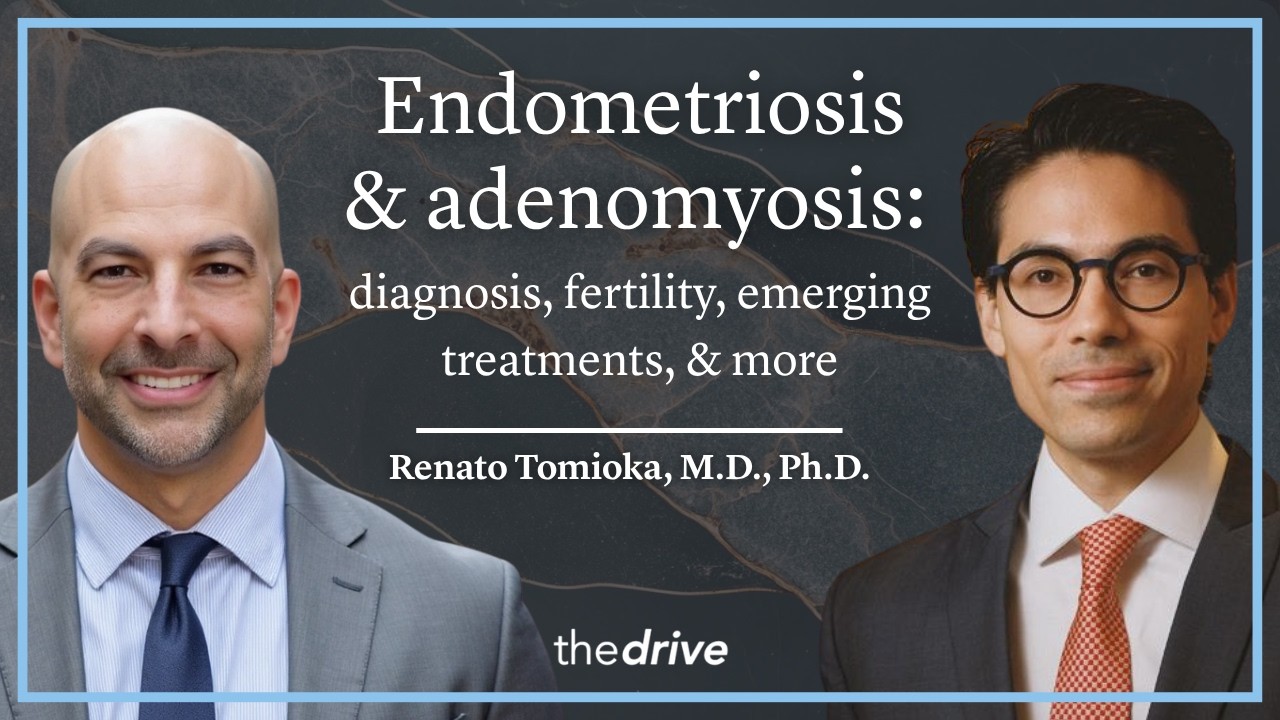 121 min
397 - Endometriosis and adenomyosis: diagnosis, fertility, reproductive aging, & emerging treatments
 51 min
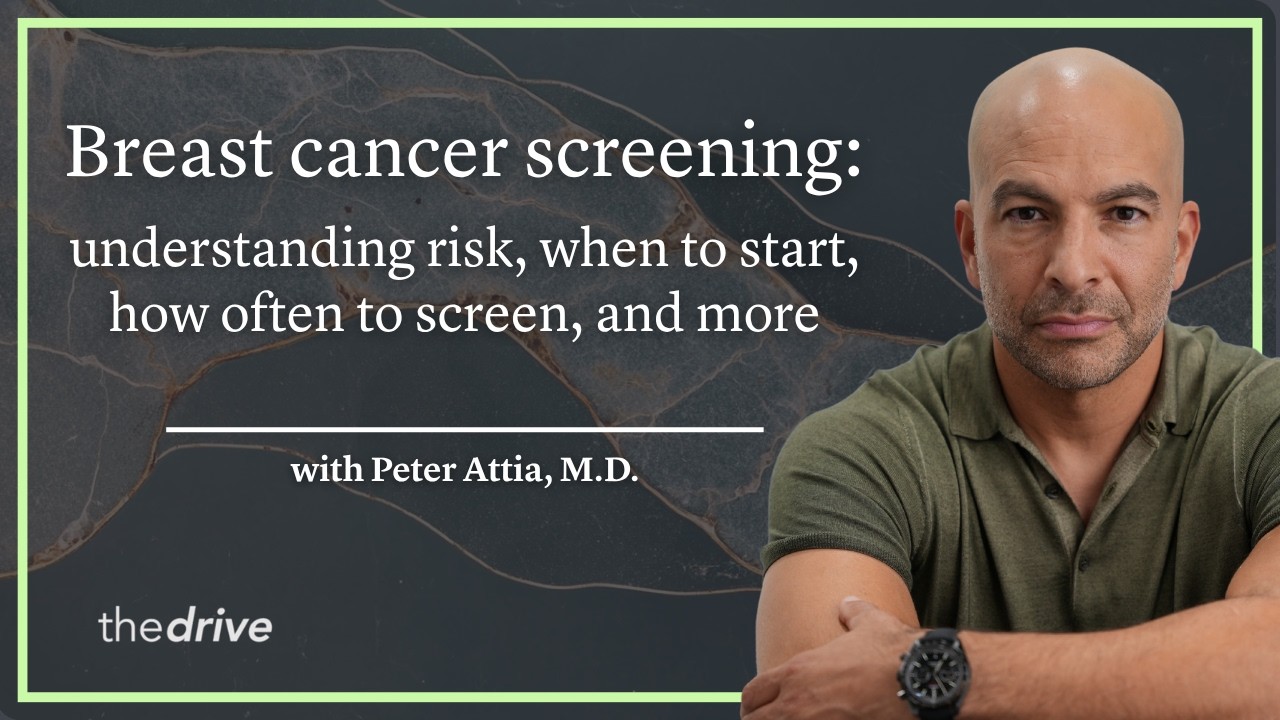
396 – Breast cancer screening: understanding risk, deciding when to start, and more
 105 min
395 – Brain lipidology: understanding APOE, cholesterol homeostasis, Alzheimer’s disease, & more
 135 min
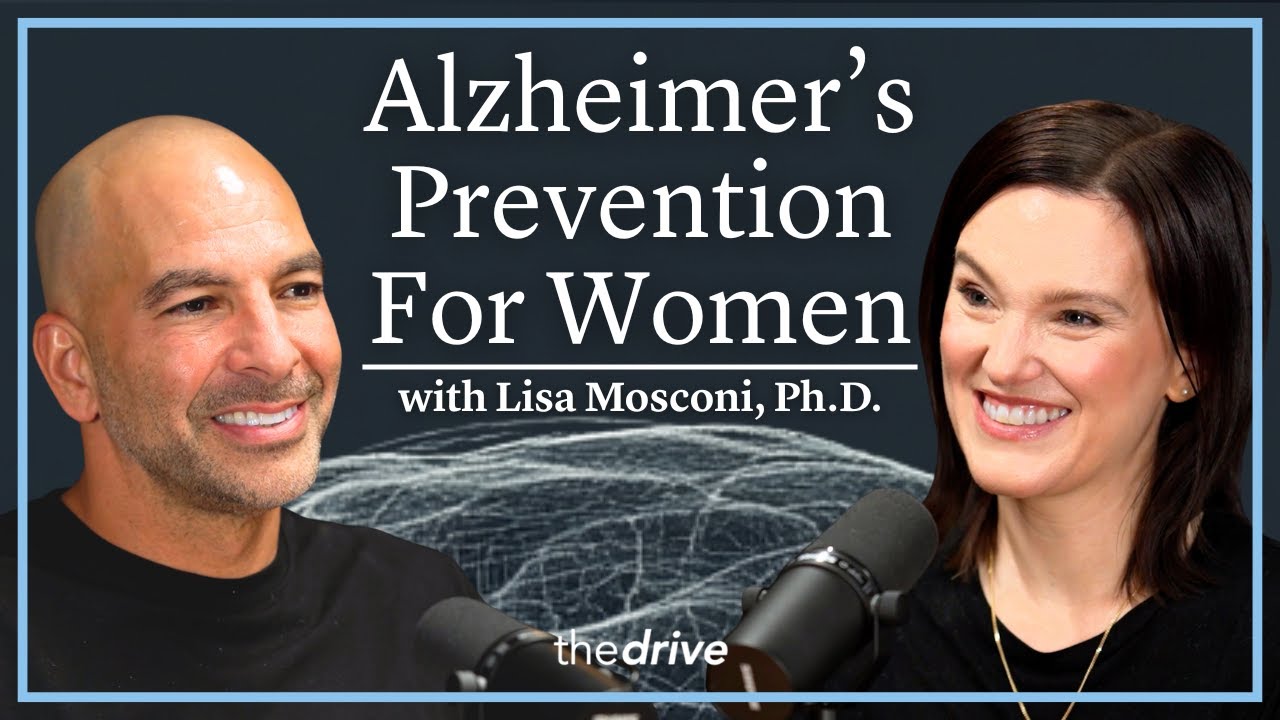
381‒Alzheimer’s disease in women: how hormonal transitions impact the brain, new therapies, & more
Ask anything from this episode.
Save it, chat with it, and connect it to Claude or ChatGPT. Get cited answers from the actual content — and build your own knowledge base of every podcast and video you care about.
Get Started Free