Key Moments
Sleep Hygiene 101: The Best (and Worst) Habits for Better Sleep | Ashley Mason, Ph.D.
 Peter Attia MD
Want to know something specific about what's covered?
We've already dissected every moment. Ask and we will deliver (with timestamps).
Key Moments
Optimize sleep with temperature control, darkness, and mindful consumption, avoiding stimulants and screens before bed.
Key Insights
Maintaining a cool room temperature, ideally in the mid-60s Fahrenheit, is crucial for optimal sleep.
Creating a dark sleep environment is important; an eye mask can help block out light, especially for those with early morning awakenings.
The stimulus from engaging with devices (social media, work) before bed is more detrimental to sleep than the blue light itself.
Caffeine, including from decaf coffee, should be consumed before 11 AM to avoid disrupting sleep quality.
Cognitive Behavioral Therapy for Insomnia (CBTI) is highly effective, with adherence and consistent session duration being key factors for success.
Mindfulness practices can be beneficial for general well-being but do not significantly improve sleep duration or metrics compared to CBTI.
Temperature Regulation FOR SLEEP
Maintaining an optimal sleep environment involves controlling temperature, with the mid-60s Fahrenheit being a widely recommended range. While advanced cooling devices exist, ensuring the room is comfortably cool is the primary goal. For individuals who feel too cold, especially in their extremities, simple solutions like socks can be effective. The key is to promote a cool core body temperature overnight, which is conducive to falling and staying asleep, avoiding the use of heavy bedding like down comforters that can trap heat.
The Importance OF DARKNESS
A dark sleep environment is essential for signaling to the body that it's time to rest. Light, even through closed eyelids, can disrupt sleep. An eye mask is a valuable tool, particularly for individuals who experience early morning awakenings, as it can prevent light from signaling wakefulness prematurely. For those in hotel rooms or environments with ambient light sources, such as alarm clocks or electronic displays, creative solutions like black electrical tape can be used to block disruptive light.
Navigating BLUE LIGHT AND STIMULI
While blue light from screens has been a focus for sleep hygiene, research suggests the content consumed is a more significant disruptor than the light color itself. Engaging in stimulating activities like social media, email, or work before bed, regardless of screen light, can interfere with sleep onset. For some individuals, specific interventions like wearing orange-tinted glasses two hours before bed can help mitigate sleep onset insomnia, suggesting that a multi-faceted approach to pre-sleep routines is beneficial.
Managing CAFFEINE INTAKE
Caffeine, even in decaffeinated coffee, can significantly impact sleep quality. It is recommended to cease all caffeine consumption by 11 AM, unless specific circadian phase issues are present. While caffeine withdrawal should be avoided, moving all coffee intake to before the cutoff time is a simple yet effective sleep hygiene practice. The half-life of caffeine means even afternoon consumption can affect sleep architecture, leading to less restful sleep, even if falling asleep seems unaffected.
Medication Timing AND Consistency
All medications possess circadian effects, meaning their timing can influence their impact and efficacy. It is crucial to discuss medication schedules with a physician to ensure they are taken at optimal times of day, especially for drugs that might be stimulating. Consistent adherence to medication timing can be a simple yet powerful intervention for improving sleep and overall health, avoiding potential sleep disruption from ill-timed doses.
Effectiveness OF CBTI AND ADHERENCE
Cognitive Behavioral Therapy for Insomnia (CBTI) is a highly effective treatment, with studies showing significant remission and clinically meaningful improvements in sleep for many patients. The success of CBTI hinges on patient adherence to the treatment protocols; failure to follow recommendations is the primary reason for treatment not working. Consistent engagement with a therapist over a recommended number of sessions (four or more) is critical for achieving optimal outcomes.
Mindfulness vs. CBTI FOR SLEEP
While mindfulness-based practices like progressive muscle relaxation or body scans can be beneficial for stress management and general well-being, their direct impact on sleep duration and objective sleep metrics is less pronounced compared to CBTI. Patients often report enjoying mindfulness practices and feeling happier with them, but they do not appear to add substantial sleep benefits on their own. The substantial improvements seen with CBTI underscore its targeted efficacy.
Challenges WITH SLEEP TRACKERS
For individuals with insomnia distress, relying heavily on sleep trackers can be counterproductive. The data from these devices can sometimes increase anxiety about sleep quality, even when sleep itself is not severely problematic. In such cases, recommending a 'tracker holiday' for a period can help alleviate this anxiety, allowing individuals to focus on behavioral interventions without the pressure of constantly monitoring their sleep metrics. This approach is particularly useful for those with a genetically shorter sleep need that becomes distressing when compared to device data.
Mentioned in This Episode
●Supplements
●Products
●Tools
●Companies
●Organizations
●Drugs & Medications
●Concepts
●People Referenced
Sleep Hygiene Cheat Sheet
Practical takeaways from this episode
Do This
Avoid This
Common Questions
The ideal room temperature for sleep is generally considered to be in the mid-60s Fahrenheit (around 65°F or 18°C). If your feet get cold, wearing socks can be a effective solution.
Topics
Mentioned in this video
Discussed as the ideal room temperature for sleep.
Described as a form of body scan and part of mindfulness practices, which involves squeezing and releasing muscle groups to promote relaxation.
Cognitive Behavioral Therapy for Insomnia, presented as a highly effective treatment with high remission and clinically meaningful improvement rates, emphasizing adherence and duration.
Noted as carcinogenic with disrupted circadian temperature being a common circadian disruption in mental health disorders.
Mentioned as a framework for assessing causality in health studies, specifically in relation to night shift work and cancer.
Discussed as a practice that, while beneficial for general well-being, may not directly improve specific sleep outcomes beyond what is achieved with CBTI.
Discussed in relation to temperature control features, both cooling and warming, with concerns raised about potential disruption of circadian temperature rhythms.
Suggested as a simple solution for cold feet, which can be a barrier to sleeping in a cool room.
Previously popular but fell out of favor due to concerns about potential links to cancer, possibly related to EMF or disrupted circadian temperature.
Suggested as a tool to help with sleep onset insomnia by blocking blue light, with specific emphasis on 'ugly' motorcycle-looking styles for maximum effect.
A practical, low-tech solution for blocking intrusive lights in hotel rooms.
Discussed in the context of a patient who became distressed by negative morning reports, leading to advice to take a 'tracker holiday' to reduce anxiety.
Mentioned as a potential tool to warm feet in a cool room, with a caution for auto shut-off features.
More from Peter Attia MD
View all 336 summaries 121 min
397 - Endometriosis and adenomyosis: diagnosis, fertility, reproductive aging, & emerging treatments
 51 min
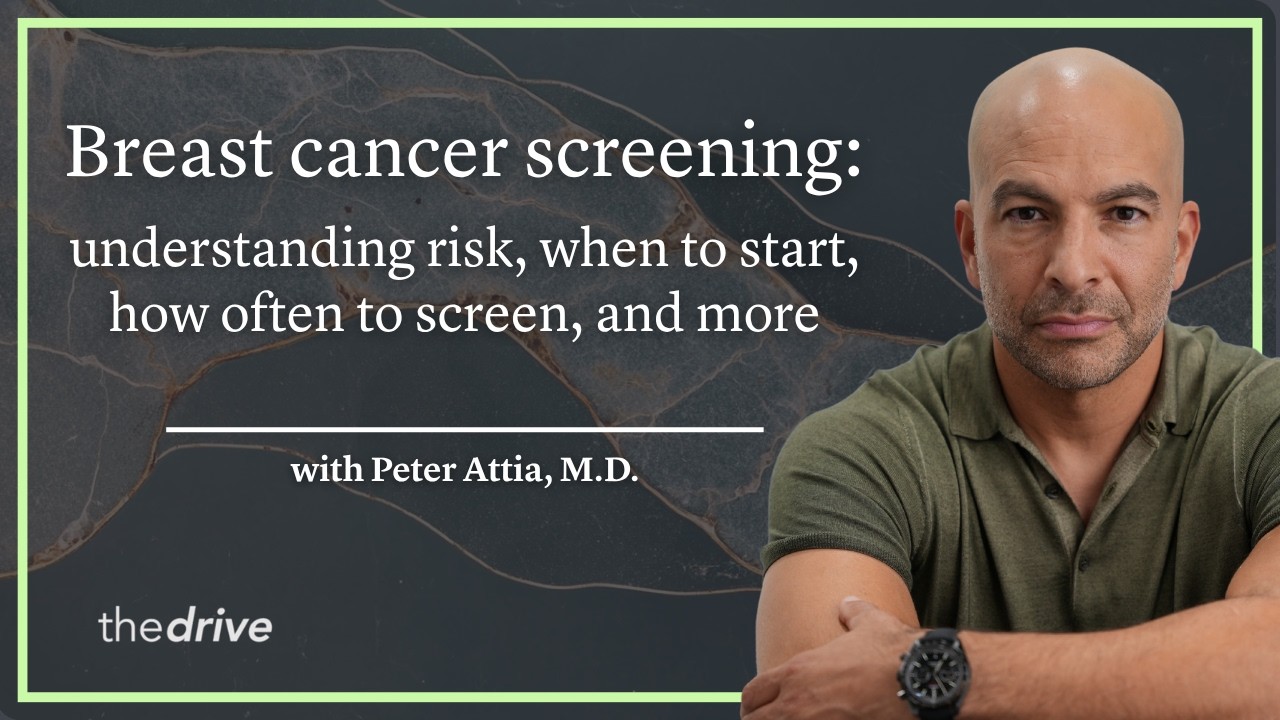
396 – Breast cancer screening: understanding risk, deciding when to start, and more
 105 min
395 – Brain lipidology: understanding APOE, cholesterol homeostasis, Alzheimer’s disease, & more
 135 min
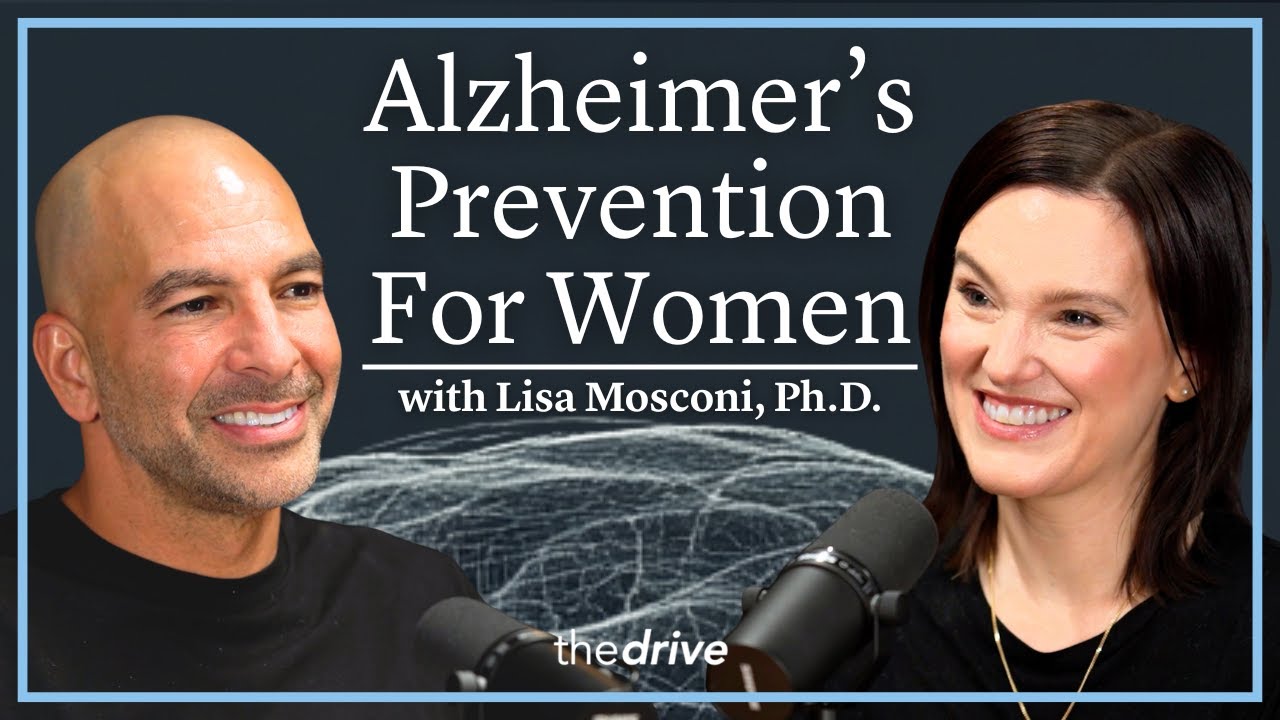
381‒Alzheimer’s disease in women: how hormonal transitions impact the brain, new therapies, & more
Ask anything from this episode.
Save it, chat with it, and connect it to Claude or ChatGPT. Get cited answers from the actual content — and build your own knowledge base of every podcast and video you care about.
Get Started Free