Key Moments
Dom D'Agostino Returns (Full Episode) | The Tim Ferriss Show (Podcast)
 Tim Ferriss
Want to know something specific about what's covered?
We've already dissected every moment. Ask and we will deliver (with timestamps).
Key Moments
Dom D'Agostino discusses ketogenic diets, health benefits, and exogenous ketones.
Key Insights
Ketogenic diets offer significant benefits for type 2 diabetes, epilepsy, and potentially other conditions.
Protein intake on a ketogenic diet is crucial, with general recommendations of 1-1.5g/kg, but needs adjustment for activity levels.
Females may experience a more challenging transition to ketosis and require careful attention to calorie and fat intake.
Exogenous ketones can offer benefits even without full keto-adaptation and may aid in performance and certain medical conditions.
While LDL may increase for some on a ketogenic diet, it's important to consider other biomarkers like triglycerides and inflammation.
Ketosis can positively impact performance at altitude and may mitigate issues like hypocapnic cerebral vasoconstriction.
THE MEDICAL COMMUNITY'S RESISTANCE TO KETOSIS
A primary reason for skepticism towards ketogenic diets in the medical and dietetic fields stems from insufficient education. Many nutrition programs offer minimal to no coverage of ketogenic diets, often presenting them negatively. The demonization of saturated fat and the perceived difficulty of adherence contribute to this resistance. Doctors, lacking comprehensive nutrition training, are unlikely to appreciate the therapeutic potential of such diets, particularly for conditions like type 2 diabetes and epilepsy, where it has shown remarkable success.
PROTEIN INTAKE AND TYPE 1 DIABETES MANAGEMENT ON KETOGENIC DIETS
Protein intake on a ketogenic diet is critical for maintaining ketosis, typically recommended between 1-1.5 grams per kilogram of body weight. However, individuals with higher activity levels may require up to 2 grams per kilogram. For type 1 diabetics, transitioning to a ketogenic diet can dramatically reduce blood glucose fluctuations and significantly lower insulin needs, as demonstrated by a student's experience. This approach can also increase insulin sensitivity, offering protection against hypoglycemia and mitigating long-term damage from high glucose excursions.
FEMALE CONSIDERATIONS AND BODY FAT GOALS ON KETOGENIC DIETS
Females may find the transition into ketosis more challenging, experiencing greater variability in response to low blood glucose. A gradual introduction and potentially the use of exogenous ketones or MCTs can ease this process. It's advised to maintain adequate calorie intake, avoiding a steep deficit, and to not shy away from healthy fats. Pursuing extremely low body fat percentages, below 10%, is generally not recommended for women due to potential hormonal disruptions like functional hypothalamic amenorrhea.
IMPACT OF KETOSIS ON PERFORMANCE AND MICROBIOTA
At high altitudes, a ketogenic state may enhance performance by increasing brain blood flow and potentially mitigating altitude-induced issues like hypocapnic cerebral vasoconstriction and increased intracranial pressure. The body may also produce energy more efficiently from ketones. Regarding the gut microbiota, a ketogenic diet can train beneficial bacterial species that thrive on fat. Optimizing the microbiome on a ketogenic diet involves incorporating prebiotics, probiotics, and fermented foods, while research on this interaction is ongoing.
EXOGENOUS KETONES: SAFETY, EFFICACY, AND APPLICATIONS
Exogenous ketone salts are generally considered safe and effective, despite some differing opinions in the scientific community. Studies demonstrate their utility in conditions like fatty acid oxidation disorders, where they can be a vital treatment. While debate exists regarding racemic versus specific enantiomers, current research suggests racemic beta-hydroxybutyrate salts are not dangerous, even in children, and can effectively raise blood ketone levels. Exogenous ketones can offer benefits even without full keto-adaptation, showing promise for therapeutic and performance enhancement.
NAVIGATING DIET AND SUPPLEMENTS ON THE GO AND LONG-TERM HEALTH
Maintaining a ketogenic diet while traveling or attending conferences is feasible by packing energy-dense, keto-friendly foods like sardines, oysters, and macadamia nuts. Stimulants like caffeine can aid adherence by suppressing appetite and providing energy, but moderation is key. For long-term health, monitoring blood work, including LDL, triglycerides, and inflammatory markers like CRP, is important, though an elevated LDL alone may not be a cause for concern if other markers are healthy. Supplementation with magnesium, Vitamin D3, and melatonin can support overall well-being.
Mentioned in This Episode
●Supplements
●Products
●Software & Apps
●Companies
●Organizations
●Books
●Drugs & Medications
●Concepts
●People Referenced
Optimizing Ketosis and Ketogenic Living
Practical takeaways from this episode
Do This
Avoid This
Ketogenic Diet Protein Intake Recommendations
Data extracted from this episode
| Diet Type | Protein Intake (g/kg/day) | Calorie % from Protein | Target Population |
|---|---|---|---|
| Classical Ketogenic Diet | 1-1.5 | 10% | Epileptic children |
| Modified Ketogenic (Atkins) Diet | 1-1.5 (or higher) | 25-30% | Athletes, General Public |
Dominic D'Agostino's Lipid Profile on Modified Ketogenic Diet
Data extracted from this episode
| Marker | Value (Modified Keto) | Value (High Carb Diet) | Notes |
|---|---|---|---|
| Total Cholesterol | 238 | ||
| HDL | 98 | 50 | Doubled from previous high-carb diet |
| Total Cholesterol/HDL Ratio | 2.4 | Looking good | |
| Triglycerides | 40-70 | ||
| CRP (Inflammation) | 0.1-0.3 | 2.4 | 10 times lower than on high-carb diet |
Exogenous Ketone Effects on Oxygen Consumption (Peter Attia's Study)
Data extracted from this episode
| Condition | Power Output (Watts) | Oxygen Consumption Change |
|---|---|---|
| Before Exogenous Ketones (mild ketosis) | 180 (fixed) | Baseline |
| After Exogenous Ketones (elevated ketosis) | 180 (fixed) | Decreased by 5-8% |
Common Questions
Resistance stems from a lack of nutrition education in medical curricula, a historical bias against high-fat diets, perception that it's too difficult to follow, and limited rigorous, controlled studies on low-carb diets compared to high-carb or Mediterranean diets. Many consider nutritional ketosis extreme.
Topics
Mentioned in this video
Dominic D'Agostino is a senior research scientist here, and it's also where Peter Attia gave a lecture and Alessio Fasano gave a fantastic lecture on the gut microbiome.
The organization that Patrick Sweeney and Rebecca Rusch raised over $19,000 for during their Mount Kilimanjaro expedition.
Dominic D'Agostino is an Assistant Professor in the Department of Molecular Pharmacology and Physiology.
A key institution where work on the Modified Atkins Diet for seizure management evolved.
A database for scientific literature, used by Dom D'Agostino to find studies on ketone body treatment for MAD.
An organization for which Beth Zupec-Kania serves as the lead dietitian, helping patients with customized ketogenic diets.
The institution where Dr. Andre Brünngraber, a pioneer in ketone ester research, worked.
A blood glucose ketone meter considered the gold standard for measuring ketones.
A plant-based protein isolate recommended for vegan ketogenic diets, especially the chocolate mocha flavor, noted for its favorable macronutrient profile.
An exogenous ketone product that uses a patented blend of beta-hydroxybutyrate and MCT, offering sustained ketone elevation and a powerful energy/focus effect. Described as tangy/bitter with green tea extract.
A product from Quest Nutrition, described as fantastic and a go-to product for Dom D'Agostino.
An exogenous ketone product by ForeverGreen, described as tasting good and containing caffeine from green tea.
A product from Quest Nutrition, mentioned as a staple in Dom D'Agostino's diet.
A brand of canned oysters that Dom D'Agostino consumes.
A blood glucose ketone meter, likely referring to the Freestyle Lite or Precision Neo, used personally by Dom D'Agostino.
A breath acetone meter useful for non-invasive ketone measurement, especially for children managing disorders like epilepsy.
An exogenous ketone product using racemic salts, noted for tasting really good, smooth, and creamy, with a higher sodium concentration.
A product used for ketogenic diets in kids at Johns Hopkins, which often contained hydrogenated vegetable oils and led to elevated triglycerides.
A high-quality bone broth that Dom D'Agostino uses to make soup, noted as a bit pricey.
A company developing, testing, and marketing ketogenic food products, including their fantastic MCT oil powder.
A brand of canned sardines, noted in the show notes from the previous episode as one Dom D'Agostino eats.
A company that makes the Ketopia/Ketonix product, noted for good taste, green tea extract, and caffeine.
A brand of canned sardines, noted in the show notes from the previous episode and so popular Whole Foods sold out of them after the first episode.
A company producing exogenous ketone products, specifically a beta-hydroxybutyrate and medium-chain triglyceride blend developed and patented by Dom D'Agostino's university.
A city in Europe where Dom D'Agostino was set to attend a scientific conference, noting its keto-friendly food options.
The country where Dom D'Agostino traveled and likely picked up a stomach bug or virus.
The site of a self-supported mountain bike climb and descent by Patrick Sweeney and Rebecca Rusch, undertaken while on a ketogenic diet.
A website where Idebenone can be found, noted for having many interesting things.
A website listed as helpful for vegetarian and vegan ketogenic diet recipes and food lists.
A website listed as helpful for vegetarian and vegan ketogenic diet recipes and food lists.
A bodyweight training system highly recommended by Tim Ferriss, designed by Coach Sommer.
Website where the 'Ketogenic Diet for Type 1 Diabetes' ebook can be found.
A form of GABA with a phenyl ring that crosses the blood-brain barrier, providing calming effects and deep dreams, used occasionally for sleep or jet lag.
A stimulant with extensive research, used by the military for efficacy and safety, known to be an appetite suppressant and antioxidant.
Considered a nootropic or smart drug, included in For Sigmatic's mushroom coffee for cognitive enhancement.
Medium-chain triglyceride oil, specifically C8, mentioned as the most ketogenic fat used to aid transition into ketosis or supplement vegan/vegetarian keto diets.
A probiotic supplement commonly used for Crohn's disease, colitis, and IBS, and noted as a good complement to the ketogenic diet by users.
A branch-chain amino acid (BCAA) product by Scivation with leucine, isoleucine, and valine, along with a mushroom blend, used pre-workout, intra-workout, and during fasts.
Part of a sleep cocktail and used when crossing time zones, with typical daily doses of 1-5 mg and up to 10 mg for jet lag.
A mitochondrial antioxidant, with Idebenone being described as a more absorbable, drug version of it.
A daily supplement taken when not getting enough sun exposure, with dosage adjusted based on sun exposure.
A powerful antioxidant and considered a superfood, included in For Sigmatic's mushroom coffee.
A branch-chain amino acid that is a powerful activator of mTOR, important for skeletal muscle growth.
A drug version of CoQ10, a mitochondrial antioxidant, more absorbable and used for managing Friedreich's ataxia to enhance cardiac function.
A neurotransmitter, sometimes taken before sleep for its calming effect.
A daily supplement (citrate, chloride, or glycinate) taken to prevent cramps and maintain adequate levels, especially when on a ketogenic diet and exercising.
Assistant Professor at the University of South Florida Morsani College of Medicine and Senior Research Scientist at IHMC, specializing in metabolic and nutritional questions, especially ketosis.
A leader in advancing the Modified Atkins Diet as a metabolic therapy for kids and adults with seizures, co-author of a foundational ketogenic diet book.
Co-author of a foundational book on the classical ketogenic diet from Johns Hopkins, alongside Eric Kossoff.
A medical doctor with Type 1 diabetes and co-author of the 'Ketogenic Diet for Type 1 Diabetes' ebook, who has shared his experience on podcasts.
Communicated with Dom D'Agostino prior to a self-supported mountain bike climb on Mount Kilimanjaro, using a ketogenic diet and abstaining from altitude medication.
A very experienced female fitness competitor from Quest Nutrition who has been in ketosis for at least two years and is involved in developing ketogenic food products.
A PhD student in Dom D'Agostino's lab, a Type 1 diabetic who successfully adopted a ketogenic diet, significantly reducing insulin use and achieving stable blood glucose.
Co-author of the book 'How Wasting is Saving' discussing weight loss at altitude and ketosis.
A famous biochemist known for performance-enhancing compounds, who has discussed exogenous ketones with Dom and Tim, and helped synthesize a specific ketone ester for D'Agostino's lab.
A professional mountain biker who teamed up with Patrick Sweeney for a self-supported climb and descent on Mount Kilimanjaro.
From Harvard, published observations in 1967 demonstrating that fasted subjects adapted to starvation ketosis were remarkably resilient against insulin-induced hypoglycemia.
Co-author of the 'Ketogenic Diet for Type 1 Diabetes' ebook.
A ketone expert whose lab conducted work on ATP hydrolysis efficiency with ketones. Mentioned as a mentor to Dom D'Agostino but had controversial opinions on ketone salts. He has intellectual property tied to R-enantiomer ketone esters.
Gave a lecture at IHMC on ketogenic diet for performance and cycling at high altitude. Also experimentally tested exogenous ketones from Dom D'Agostino.
Co-author of the book 'How Wasting is Saving' discussing weight loss at altitude and ketosis.
Chair of Pediatrics at Harvard Medical School and a leading expert on the gut microbiome, highly recommended for his IHMC lecture on the topic.
The lead dietitian for the Charlie Foundation who customizes vegetarian and vegan ketogenic diets, often incorporating higher amounts of MCT oil.
A researcher at Case Western who held early patents on ketone esters, demonstrated the metabolism of racemic ketones, and kindly shared a synthesis formula with Dom D'Agostino.
A resource recommended by Dom D'Agostino for individuals with Type 1 diabetes exploring the ketogenic diet.
A book by Andrew Murray and Hugh Montgomery that describes how nutritional ketosis may mitigate weight loss at altitude.
A medical journal that published a study on DL-3-hydroxybutyrate treatment for multiple acyl-CoA dehydrogenase deficiency.
A journal mentioned to have published a study on highly efficient ketone body treatment for multiple acyl-CoA dehydrogenase deficiency related leukodystrophy.
A medication for altitude sickness that Patrick Sweeney and Rebecca Rusch abstained from during their Mount Kilimanjaro expedition.
A stimulant used by divers to clear sinuses, which can also aid in ketosis by releasing fat from adipose tissue and enhancing fat oxidation, but carries risks at high doses and its legality is questioned.
A stimulant approved for military use to maintain cognitive resilience during sleep deprivation. A narcolepsy patient successfully discontinued its 15-year use after starting a ketogenic diet.
Mentioned as an example of common substances that can be toxic in high amounts.
Strongly advised against due to their addictive nature and generally poor outcomes for users.
More from Tim Ferriss
View all 703 summaries 70 min
Q&A with Tim — The Art of Male Friendship, Reinvention in The Age of AI, & More
 125 min
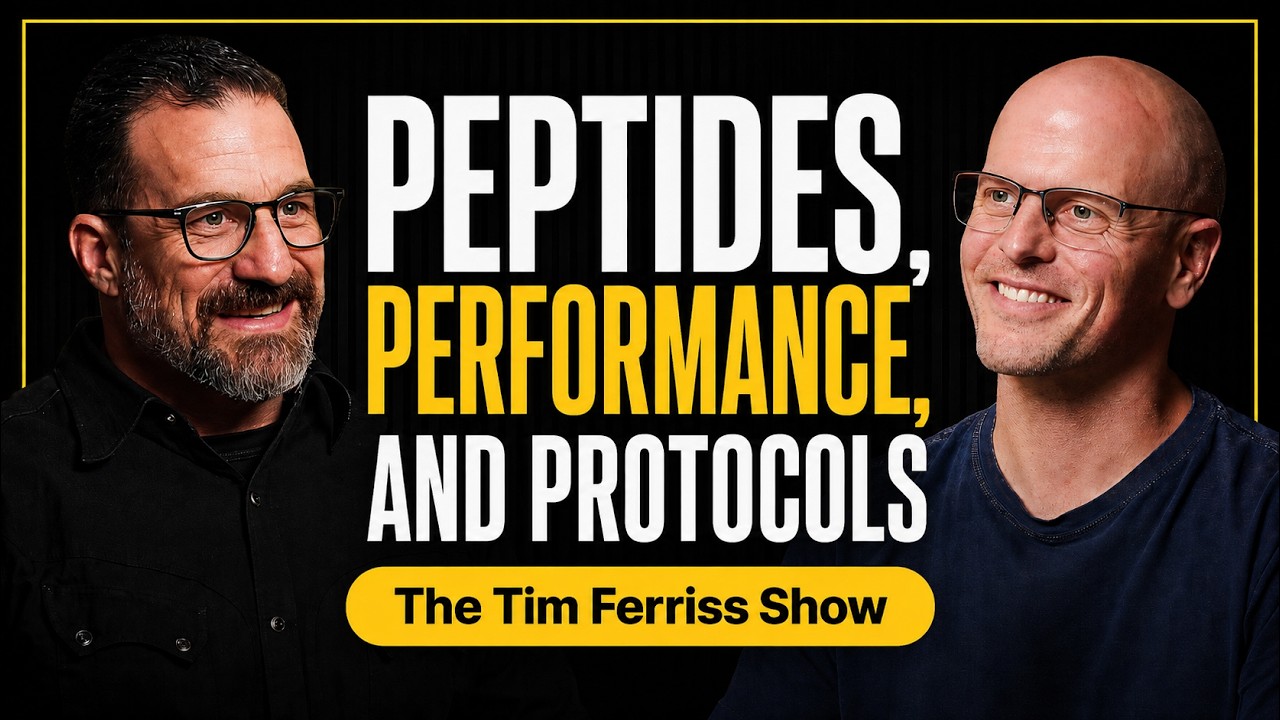
Dr. Andrew Huberman — Peptides, Performance, and Protocols
 112 min
The Random Show! Mortality, AI, Supplements, Rock Climbing, & More
 88 min
The Legendary Hollywood Power Broker — Guy Oseary on 36 Years of Managing Madonna, 26 IPOs, and More
Ask anything from this episode.
Save it, chat with it, and connect it to Claude or ChatGPT. Get cited answers from the actual content — and build your own knowledge base of every podcast and video you care about.
Get Started Free