Key Moments
#14 – Robert Lustig, M.D., M.S.L.: fructose, processed food, NAFLD, and changing the food system
 Peter Attia MD
Want to know something specific about what's covered?
We've already dissected every moment. Ask and we will deliver (with timestamps).
Key Moments
Fructose, processed foods drive metabolic disease (obesity, NAFLD); real food, policy changes are solutions.
Key Insights
Fructose is metabolically distinct from glucose, seven times more reactive in Maillard reactions, impacting aging and inflammation.
Processed foods are detrimental due to added sugars and lack of fiber, contributing to metabolic syndrome and NAFLD.
Uric acid and ALT are valuable indirect biomarkers for monitoring fructose consumption and liver fat accumulation.
Epigenetic changes due to maternal hyperglycemia or early-life sugar exposure may predispose children to metabolic dysfunction later.
The food industry's business model relies on sugar, necessitating policy and public education for systemic change.
Real food, high in fiber and low in added sugar, is crucial for health, contrasting with processed alternatives.
THE METABOLIC DIFFERENCES BETWEEN FRUCTOSE AND GLUCOSE
Fructose and glucose, while both carbohydrates, have distinct metabolic pathways. Glucose is the universal energy source for cells and can be synthesized by the body if not consumed. In contrast, fructose is primarily a plant-based energy store with limited direct metabolic roles in animals. Key differences include fructose's significantly higher reactivity in the Maillard reaction (seven times faster than glucose), contributing to aging and protein damage. Fructose also fails to suppress ghrelin, the hunger hormone, leading to increased consumption, and it specifically activates the brain's reward center, mimicking addictive substances.
THE DETRIMENTAL ROLE OF PROCESSED FOODS AND ADDED SUGAR
Dr. Rob Lustig argues that the modern food environment, dominated by processed foods, is a primary driver of metabolic disease. These foods are characterized by high levels of added sugars and a lack of essential fiber. This combination disrupts satiety signals, promotes inflammation, and leads to conditions like obesity, type 2 diabetes, metabolic syndrome, and non-alcoholic fatty liver disease (NAFLD). The food industry actively promotes these products due to their profitability, often obscuring their detrimental health impacts.
BIOMARKERS FOR MONITORING METABOLIC HEALTH
Traditional markers like Hemoglobin A1c, while useful for glucose, do not adequately track fructose exposure. However, serum uric acid and alanine aminotransferase (ALT) serve as valuable indirect biomarkers. Elevated uric acid correlates with fructose consumption and can inhibit nitric oxide synthase, contributing to hypertension. ALT levels indicate liver fat accumulation, a hallmark of NAFLD. Lustig emphasizes that 'normal' lab ranges have shifted due to widespread disease, advocating for stricter internal targets (e.g., ALT below 25) to identify early metabolic dysfunction.
POTENTIAL FOR EPIGENETIC IMPACTS AND CHILDHOOD METABOLIC DISORDERS
The conversation touches upon the concerning possibility of epigenetic changes induced by maternal hyperglycemia or early-life exposure to high sugar diets. Studies in animals suggest that these environmental factors can lead to long-term metabolic dysfunction in offspring, potentially explaining the increasing prevalence of metabolic syndrome across generations. This highlights the critical importance of a healthy food environment for children, as interventions may influence not just the current generation but also future ones.
THE MECHANISMS OF ADDICTION AND TOLERANCE
Similar to addictive drugs, chronic overstimulation of dopamine receptors by substances like sugar can lead to tolerance and addiction. This occurs as neurons down-regulate receptors to protect themselves from overexcitation. Consequently, larger doses are needed to achieve the same reward, a process that can eventually lead to neuronal damage and a diminished capacity for experiencing pleasure. This mechanism explains why cravings for sugar can become so powerful and difficult to overcome.
THE IMPORTANCE OF REAL FOOD AND FIBER OVER PROCESSED ALTERNATIVES
Lustig stresses that the solution lies in consuming 'real food'—minimally processed foods rich in fiber. Fiber, comprising both soluble and insoluble forms, is crucial for gut health, satiety, and moderating nutrient absorption. Processed foods often lack adequate fiber, and fiber-fortified products from the food industry may not provide the full benefits. Real food, by its very nature, is label-free and inherently contains the necessary components for metabolic health, contrasting sharply with heavily processed items that require detailed nutritional labeling.
NAVIGATING THE COMPLEX FOOD SYSTEM AND POLICY IMPLICATIONS
The dominance of a few large corporations in the consumer packaged goods industry poses a significant challenge. Lustig advocates for systemic change, including public education, stronger FDA/USDA oversight, legislative action, and legal challenges against the food industry. He argues that removing subsidies for corn and sugar would rectify market distortions and make real food more economically viable. The goal is to shift the business model away from sugar dependence towards one that prioritizes nutrient-dense, real foods.
UNDERSTANDING NAFLD AND THE ROLE OF DE NOVO LIPOGENESIS
Non-alcoholic fatty liver disease (NAFLD) is a significant public health concern, disproportionately affecting certain populations. Lustig explains that while dietary fat can contribute to liver fat, de novo lipogenesis (the body's production of fat from sugar) is a major driver. Contrary to earlier beliefs, this pathway is highly active, especially with high fructose intake. The liver's inability to efficiently export the newly synthesized fat, coupled with inflammation and mitochondrial dysfunction, perpetuates NAFLD, often manifesting as elevated ALT levels.
INSULIN RESISTANCE AND THE MULTIFACETED NATURE OF METABOLIC SYNDROME
Metabolic syndrome is complex, with multiple contributing factors. While obesity-induced inflammation impacting the liver is one pathway, chronic stress leading to visceral fat accumulation is another. Critically, primary liver dysfunction, particularly NAFLD driven by sugar, can directly cause hepatic insulin resistance. This impaired liver function leads to increased glucose output and hyperinsulinemia. Insulin, while essential for glucose uptake, also promotes energy storage and cell proliferation, contributing to weight gain, cardiovascular issues, and potentially cancer risk.
THE DUAL CHALLENGE OF HYPERINSULINEMIA AND GLUCOSE CONTROL
Controlling blood glucose is only part of the equation for managing diabetes and metabolic health; lowering insulin levels is equally crucial. Persistent hyperinsulinemia, even with normal blood sugar, indicates underlying metabolic dysfunction. Insulin's role in energy storage and cell proliferation means that high levels can drive weight gain and increase the risk of cardiovascular disease and cancer. The focus must shift towards increasing insulin sensitivity through diet, as exercise alone cannot overcome a poor diet.
POLICY SOLUTIONS: SUBSIDIES, REGULATIONS, AND PUBLIC AWARENESS
Addressing the epidemic requires comprehensive policy changes. Removing agricultural subsidies that artificially lower the cost of corn and sugar is a key step. Lustig supports initiatives like warning labels on sugary drinks and stricter regulations on marketing to children. Ultimately, the food industry's business model, deeply entrenched in sugar, must be challenged through public education, government action, and legal frameworks to foster a healthier food system.
THE ROLE OF FIBER IN DETOXIFICATION AND GUT HEALTH
Fiber plays a critical role not only in nutrient absorption but also in protecting the gut lining. When fiber intake is insufficient, gut bacteria may resort to breaking down the protective mucin layer of the intestinal wall to survive. This can lead to increased intestinal permeability ('leaky gut'), potentially contributing to inflammatory conditions like colitis and Crohn's disease. Consuming adequate amounts of both soluble and insoluble fiber from real food is therefore essential for maintaining a healthy microbiome and gut integrity.
Mentioned in This Episode
●Supplements
●Products
●Software & Apps
●Organizations
●Drugs & Medications
●Studies Cited
●Concepts
●People Referenced
Navigating Sugar and Processed Foods: A Practical Guide
Practical takeaways from this episode
Do This
Avoid This
Common Questions
Glucose is the universal energy source for cells and the body can produce it. Fructose, found in plants, is a storage form of energy for plants and is metabolically different from glucose, primarily processed in the liver and directly lighting up the brain's reward center, similar to addictive substances.
Topics
Mentioned in this video
A monosaccharide found in plants, discussed as a storage form of energy that is vestigial to animal life and primarily metabolized by the liver.
Indigenous people of the Arctic, mentioned as an example of a population with a carbohydrate-limited diet that still maintains serum glucose levels.
A class of steroid hormones, including cortisol, that drive visceral fat accumulation.
A byproduct of fructose metabolism in the liver, its levels in the blood can be a proxy for fructose consumption and are linked to hypertension and stroke risk.
A low-carbohydrate, high-fat diet that shifts the body's fuel source to ketones, discussed as an alternative to carbohydrate-based performance fuel.
Non-alcoholic fatty liver disease, a condition discussed extensively in relation to fructose and processed food intake.
A chemical reaction between amino acids and reducing sugars that gives browned foods their desirable flavor and color, also implicated in aging and damage to proteins.
Adenosine triphosphate, an energy-carrying molecule in cells, which is consumed during the phosphorylation of fructose in the liver.
An amino acid that, when elevated, can inhibit nitric oxide synthase and contribute to cardiovascular issues.
Alcohol, discussed in relation to its metabolism, acetaldehyde production, and potential for neuronal damage similar to fructose.
The metabolic pathway where the liver produces glucose from non-carbohydrate precursors.
A measure of average blood glucose levels over the preceding 2-3 months, formed by the Maillard reaction between glucose and hemoglobin.
An epigenetic marker on chromosomes that can be altered by maternal hyperglycemia during pregnancy, potentially leading to future metabolic dysfunction in offspring.
A stimulant drug that lights up the brain's reward center, similar to how fructose consumption affects the brain.
Aspartate aminotransferase, a biomarker for mitochondrial function, less stable than ALT.
Unstable molecules that can cause cellular damage, produced during the Maillard reaction, which fructose accelerates.
Alanine aminotransferase, a liver enzyme that serves as a biomarker for the degree of fat in the liver.
A stimulant commonly consumed in coffee, discussed as a personal addiction of Peter Atia.
Beverages marketed to athletes for rehydration and glycogen replenishment, discussed in the context of fructose's effect on liver glycogen.
A wearable device that measures heart rate variability and other sleep and activity metrics.
A brand of juice drink often consumed by children, criticized for its high sugar content.
A brand of crackers, mentioned as an example of processed food often consumed by children.
An alcoholic beverage, mentioned as an example of a dangerous combination when caffeine is mixed with alcohol.
A psychoactive drug derived from the Cannabis plant, classified as Schedule I under the Controlled Substances Act.
The addictive chemical in tobacco, discussed in the context of its declining social acceptability.
A substance released with norepinephrine that can convert a lipolytic stimulus into a lipogenic stimulus, contributing to visceral fat accumulation.
A medication used to treat gout by inhibiting uric acid synthesis, shown to lower blood pressure in adolescents with essential hypertension.
A rare genetic disorder where the body cannot absorb fats and fat-soluble vitamins, leading to an inability to export VLDL from the liver.
A rare but serious condition that causes swelling in the liver and brain, often associated with mitochondrial dysfunction.
A cluster of conditions including high blood pressure, high blood sugar, excess body fat around the waist, and abnormal cholesterol or triglyceride levels, all of which increase the risk of heart disease, stroke, and diabetes.
Prominent conservative donors and businessmen, mentioned in the context of political influence on policy.
Guest on the podcast, a pediatric endocrinologist known for his work on sugar, fructose, and processed food.
Author and food journalist, mentioned for his description of a child's reaction to birthday cake.
A researcher whose work on uric acid and its link to sugar consumption influenced Robert Lustig's clinical targets.
Author and physician known for his work on addiction and trauma, suggesting that everyone is an addict in some form.
A diabetes study that, like UKPDS, indicated that aggressive glucose lowering can increase cardiovascular risk.
A 1998 study that initially suggested de novo lipogenesis was a minor pathway for fat production in the liver.
A toxic byproduct of ethanol metabolism that can cause neuronal damage.
The United Kingdom Prospective Diabetes Study, which showed that lowering blood glucose can reduce microvascular complications but may exacerbate macrovascular ones.
Historic reports that have raised public awareness about health issues, used as a parallel to advocating for change in the food system, similar to the impact of early reports on smoking.
The U.S. Food and Drug Administration, mentioned as an executive branch agency that could influence the food system but has had its efforts rolled back in certain areas.
University of California, San Francisco, where Robert Lustig was a pediatric endocrinologist.
Centers for Disease Control and Prevention, cited for estimates on NAFLD prevalence.
Massachusetts Institute of Technology, where Robert Lustig earned his bachelor's degree.
A foundation at UC Berkeley that modeled the economic impact of removing food subsidies.
A nonprofit organization where Robert Lustig serves as Chief Science Officer, aiming to change the food system by promoting real food.
A conservative organization that facilitates interaction between state-level legislators and private sector businesses, often criticized for lobbying against public health regulations.
The U.S. Department of Agriculture, another executive branch agency relevant to the food system.
US federal law enacted in 1970 that regulates the manufacture, importation, possession, use, and distribution of certain substances, which classified marijuana and psychedelics as Schedule I drugs.
A former FCC policy that required broadcasters to present controversial issues of public importance and to air contrasting views.
A piece of legislation that is reapportioned every five years, and which Robert Lustig suggests should incorporate the metabolic costs of food.
More from Peter Attia MD
View all 348 summaries 157 min
413 ‒ The neuroscience of emotion: challenging conventional theories of emotion and much more
 125 min
412 ‒ The evolving science of cancer: emerging approaches to prevention and early detection, & more
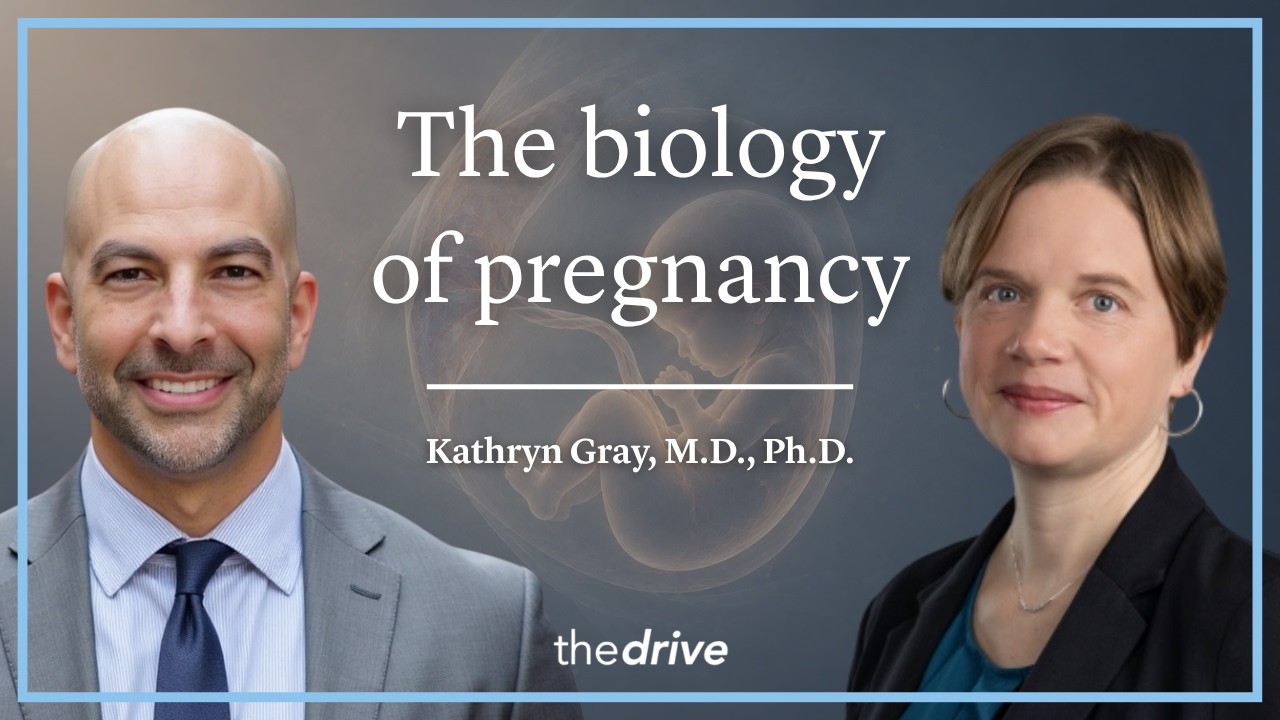 122 min
410 ‒ The biology of pregnancy: physiologic adaptation, childbirth, and long-term maternal health
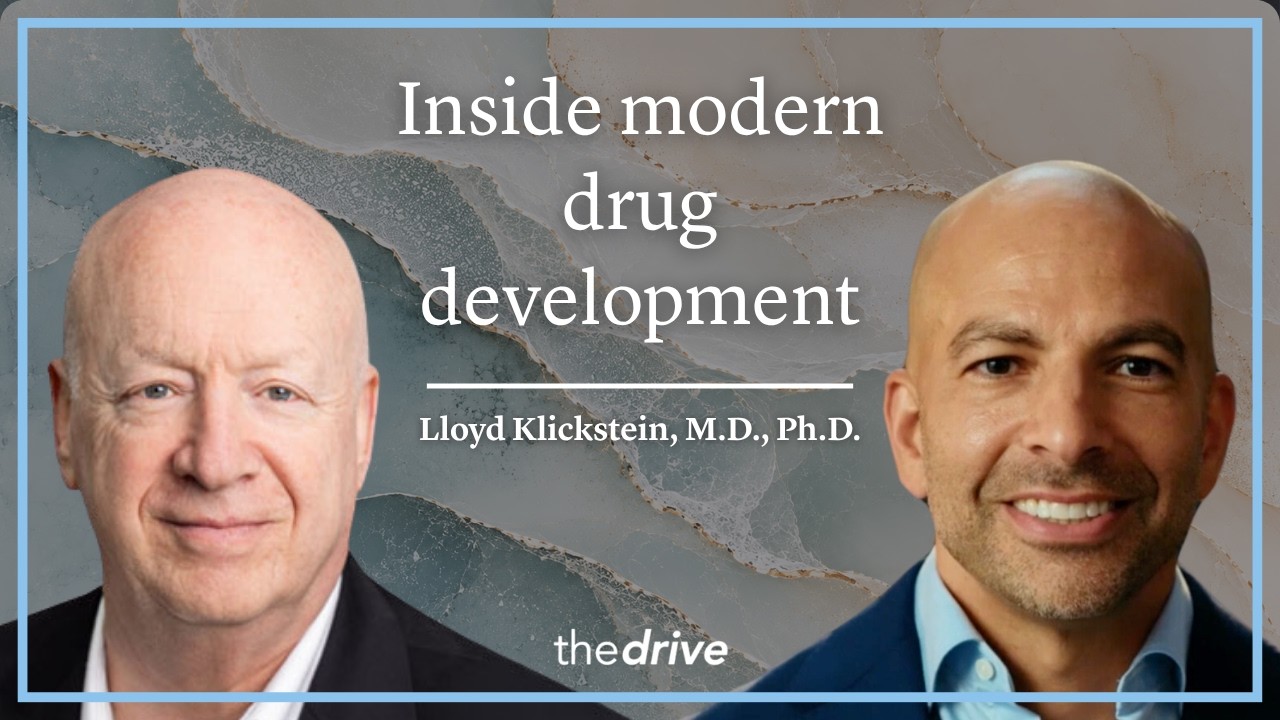 156 min
409 ‒ Inside modern drug development: the science, economics, and regulatory hurdles
Ask anything from this episode.
Save it, chat with it, and connect it to Claude or ChatGPT. Get cited answers from the actual content — and build your own knowledge base of every podcast and video you care about.
Get Started Free