The library of long-form content,already understood.
Every podcast, interview, and lecture in Discover has been turned into a Summify deep dive — TL;DR, timeline, entities, data tables, Q&A. Read in two minutes. Or create your own.
Channels
View all →















Most Popular
 21mEducation
These are the asteroids to worry about
Asteroids threaten Earth; detection gaps, small-city risks, and limited deflection options.
 55mEducation
The World's Most Important Machine
EUV lithography's quest: ASML's high-NA machine turns the impossible into manufacturing reality.
 34mEducation
Why It Was Almost Impossible to Make the Blue LED
The difficult development of the blue LED and Shuji Nakamura's crucial breakthroughs.
 21mEducation
Inside The Navy's Indoor Ocean
US Navy's indoor ocean simulates any wave for ship testing and wave physics research.
 23mEducation
The Simplest Math Problem No One Can Solve - Collatz Conjecture
All positive integers reach 1 under 3x+1; patterns, randomness, and open questions.
 25mEducation
The Man Who Accidentally Killed The Most People In History
TEL and Freon: a single inventor's work reshaped health, crime, and climate.
 38mEducation
Something Strange Happens When You Follow Einstein's Math
Einstein's equations predict wormholes and parallel universes, but these concepts remain theoretical due to the need for exotic matter or unstable spacetime.
 55mEducation
How One Company Secretly Poisoned The Planet
PFAS 'forever chemicals' have infiltrated the planet, posing health risks due to corporate cover-ups and slow regulation.
Most Liked
34mEducationWhy It Was Almost Impossible to Make the Blue LED
The difficult development of the blue LED and Shuji Nakamura's crucial breakthroughs.
25mEducationThe Man Who Accidentally Killed The Most People In History
TEL and Freon: a single inventor's work reshaped health, crime, and climate.
23mEducationThe Simplest Math Problem No One Can Solve - Collatz Conjecture
All positive integers reach 1 under 3x+1; patterns, randomness, and open questions.
55mEducationThe World's Most Important Machine
EUV lithography's quest: ASML's high-NA machine turns the impossible into manufacturing reality.
 28mEducation
What Game Theory Reveals About Life, The Universe, and Everything
Game theory's Prisoner's Dilemma reveals cooperation's power through 'Tit for Tat' strategy.
55mEducationHow One Company Secretly Poisoned The Planet
PFAS 'forever chemicals' have infiltrated the planet, posing health risks due to corporate cover-ups and slow regulation.
 34mEducation
Math's Fundamental Flaw
Math has true but unprovable statements; undecidability reshapes math and computation.
 1h 4mEducation
4.5 Billion Years in 1 Hour
Earth's 4.5 billion year history condensed into an hour, showcasing the evolution of life from its fiery birth to complex organisms.
Notable Quotes
Verified quotes from the conversations that matter
“Suffice it to say, uh the standard count of how many mitzvot, how many commandments there are in the Torah, has it as 613, which is no small number.”
“It's a skill to get 4,000 views versus 13. to get 40,000 views versus 4,000 to get 4 million views. So, you've got to get good at the things.”
“The world is going to extreme tech or extreme analog.”
“I am asking all of you to call, text, write an email or a letter to every client you've ever had.”
“Google Adwords as we sit right now is in the same place that the yellow pages were in 2001. You might still be getting business from it, but it is declining rapidly.”
Long-Form Deep Dives
2+ hour conversations worth every minute
 10h 11mScience
NASA’s Artemis II Crew Flies Around the Moon (Official Broadcast)
Artemis II astronauts have observed green and brown hues on the Moon, a discovery never before seen from Earth, which could unveil new insights into lunar volcanism and reshape our understanding of the Moon's geological evolution, providing critical data for future 'boots on the ground' missions to the lunar South Pole.
 2h 38mScience
How to Build Immense Inner Strength | David Goggins
Discipline through friction: outwork the past, build iron will.
 2h 1mPodcast
He Risked Everything To Warn You: No One Is Ready For What's Coming, And The AI Companies Know It!
AI could lead to human extinction with a 70% probability, as companies race to develop superintelligence before the end of the decade, potentially automating all jobs and concentrating power in the hands of a few.
 3h 54mScience
Andrew Bustamante: CIA Spy | Lex Fridman Podcast #310
CIA insights, leadership flaws, info wars, and Ukraine war dynamics.
 2h 5mPodcast
Leading Neuroscientist: Stress Leaks Through Skin, Is Contagious, Gives You Belly Fat! Dr Tara Swart
Neuroscientist Dr. Tara Swart explains stress contagion, belly fat, brain plasticity, and how to enhance well-being.
 2h 12mPodcast
Professor Jiang: World War 3 Has Already Begun, Let Me Explain!
Professor Jiang predicts a US civil war, Trump's third term, and an impending AI-driven civilian state, all stemming from a complex geopolitical conflict that could reshape the global order and lead to World War II. The core issue is the US dollar's weakening grip and the rise of new global alliances.
 3h 5mScience
Tucker Carlson: Putin, Navalny, Trump, CIA, NSA, War, Politics & Freedom | Lex Fridman Podcast #414
Carlson’s Putin interview, Navalny, sanctions, and a critique of US democracy.
 3h 4mScience
Jordan Peterson: Life, Death, Power, Fame, and Meaning | Lex Fridman Podcast #313
Beauty as a beacon of the divine; science, death, fame, and ethics test our meaning.
Browse by Topic
View all 50 →Browse by Entity
View all →Tim Ferriss
All 705 → 2h 24mHowto & Style
Dr. Gabor Maté — Trauma, Addiction, Ayahuasca, and More
Dr. Gabor Maté discusses trauma, addiction, the wisdom of books, and healing.
 1h 21mHowto & Style
Jordan Peterson on Rules for Life, Psychedelics, The Bible, and More
Jordan Peterson discusses life rules, morality, psychedelics, the Bible, and finding meaning.
 2h 2mHowto & Style
Naval Ravikant on Happiness, Anxiety, and More
Naval Ravikant on happiness, wealth, self-awareness, and crypto.
 2h 37mHowto & Style
Jocko Willink — The Scariest Navy SEAL Imaginable…And What He Taught Me | The Tim Ferriss Show
Jocko Willink on extreme ownership, discipline, leadership, and applying SEAL lessons to life and business.
 1h 20mHowto & Style
Brené Brown — How to Save Your Marriage
Brené Brown discusses vulnerability, imperfection, and the messy realities of relationships and leadership.
 3hHowto & Style
Dr. Andrew Huberman — The Foundations of Physical and Mental Performance
Dr. Huberman discusses foundational pillars for optimal physical and mental performance, supplements, and psychedelics.
 22mHowto & Style
How to Remember What You Read
Tim Ferriss shares strategies for reading, note-taking, and retaining information from books to drive behavioral change and impact.
 56mHowto & Style
Legendary Comedian Bill Burr — Fear{less} with Tim Ferriss
Bill Burr discusses overcoming fears, the raw nature of comedy, challenging the status quo, and finding authenticity in his career.
Y Combinator
All 643 → 40mScience
Andrej Karpathy: Software Is Changing (Again)
Software is evolving rapidly with LLMs, creating new programming paradigms and opportunities.
 20mScience
Elon Musk : How to Build the Future
Elon Musk believes AI and genetics are the most critical fields for humanity's future, but warns that advanced AI control must be democratized to prevent existential risks.
 17mScience
Sam Altman - How to Succeed with a Startup
Building a viral product where users become evangelists is key to startup success — but identifying real trends from fake ones is crucial before betting big.
 51mScience
Competition is for Losers with Peter Thiel (How to Start a Startup 2014: 5)
Monopolies create value; competition destroys it. Focus on unique, small markets to build lasting monopolies.
 26mScience
Mark Zuckerberg : How to Build the Future
Mark Zuckerberg on building Facebook: focus on problems, learning, talent, and future platforms.
 33mScience
How to Get and Evaluate Startup Ideas | Startup School
Y Combinator's guide to finding and evaluating startup ideas, focusing on real problems, founder-market fit, and avoiding common pitfalls like tar pits.
 1hScience
Michael Seibel - Building Product
Building a successful product requires understanding your customer, solving a real problem, and iterating quickly.
 23mScience
OpenClaw Creator: Why 80% Of Apps Will Disappear
On-device personal AI like OpenClaw could shrink apps and redefine tasks.
Lex Fridman
All 557 →3h 54mScienceAndrew Bustamante: CIA Spy | Lex Fridman Podcast #310
CIA insights, leadership flaws, info wars, and Ukraine war dynamics.
3h 5mScienceTucker Carlson: Putin, Navalny, Trump, CIA, NSA, War, Politics & Freedom | Lex Fridman Podcast #414
Carlson’s Putin interview, Navalny, sanctions, and a critique of US democracy.
3h 4mScienceJordan Peterson: Life, Death, Power, Fame, and Meaning | Lex Fridman Podcast #313
Beauty as a beacon of the divine; science, death, fame, and ethics test our meaning.
 2h 17mScience
Elon Musk: War, AI, Aliens, Politics, Physics, Video Games, and Humanity | Lex Fridman Podcast #400
War, peace, AI, aliens: kindness, multi-planet life, curiosity.
 3h 35mScience
Paul Rosolie: Amazon Jungle, Uncontacted Tribes, Anacondas, and Ayahuasca | Lex Fridman Podcast #369
NYC teen ventures to the Amazon, survives a 25-foot anaconda encounter, and commits to protecting the jungle.
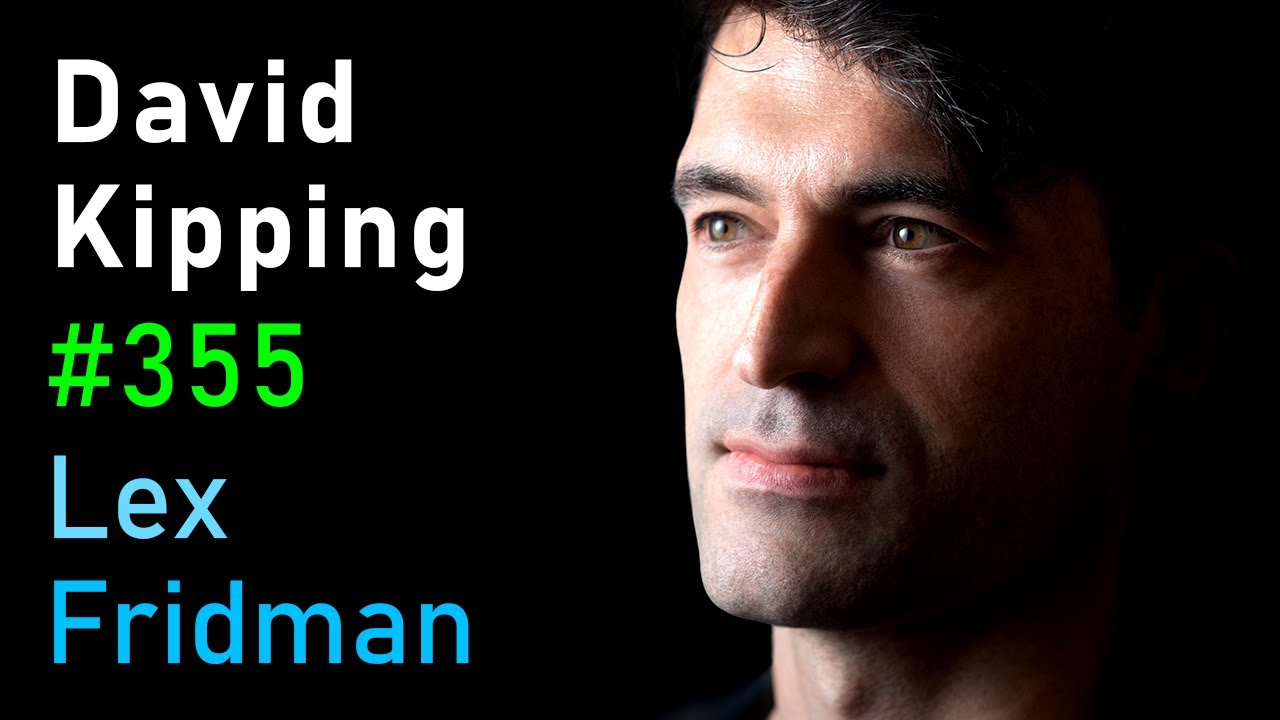 3h 48mScience
David Kipping: Alien Civilizations and Habitable Worlds | Lex Fridman Podcast #355
Astronomer David Kipping discusses the search for cool worlds, exomoons, and alien civilizations, highlighting detection challenges and the Fermi Paradox.
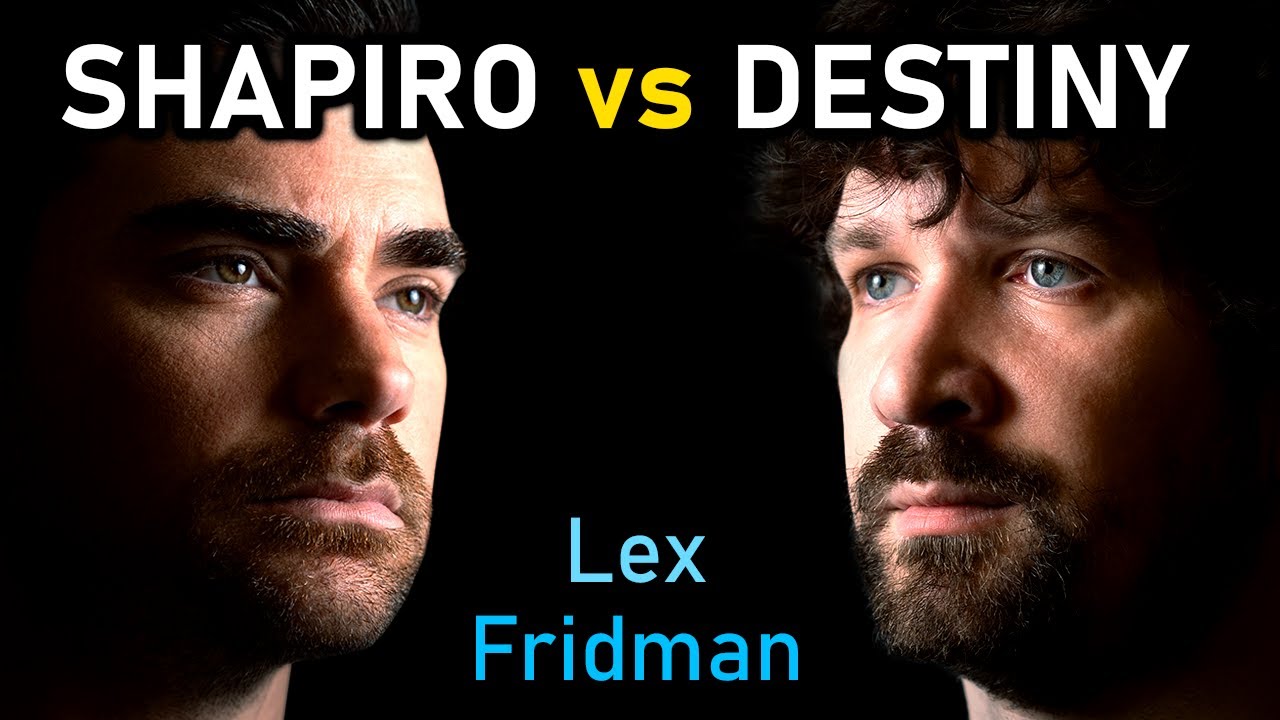 2h 21mScience
Ben Shapiro vs Destiny Debate: Politics, Jan 6, Israel, Ukraine & Wokeism | Lex Fridman Podcast #410
Policy, economy, education, and leadership debated by Ben Shapiro and Destiny.
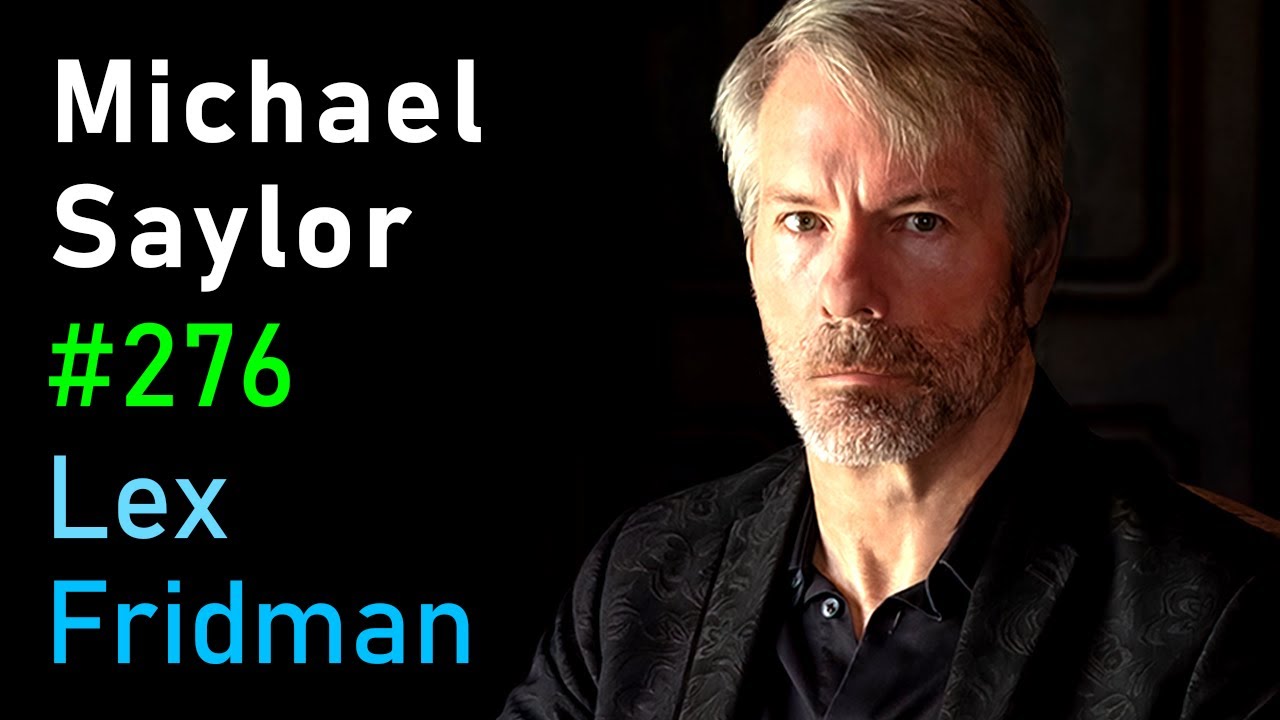 3h 57mScience
Michael Saylor: Bitcoin, Inflation, and the Future of Money | Lex Fridman Podcast #276
Inflation is a non-linear, asset-driven process; Bitcoin may fix a systemic flaw.
Quick & Punchy
Under 30 minutes — get the gist fast
21mEducationThese are the asteroids to worry about
Asteroids threaten Earth; detection gaps, small-city risks, and limited deflection options.
21mEducationInside The Navy's Indoor Ocean
US Navy's indoor ocean simulates any wave for ship testing and wave physics research.
23mEducationThe Simplest Math Problem No One Can Solve - Collatz Conjecture
All positive integers reach 1 under 3x+1; patterns, randomness, and open questions.
25mEducationThe Man Who Accidentally Killed The Most People In History
TEL and Freon: a single inventor's work reshaped health, crime, and climate.
 28mEducation
The Most Misunderstood Concept in Physics
Entropy, the tendency of energy to spread out, governs the universe and the arrow of time.
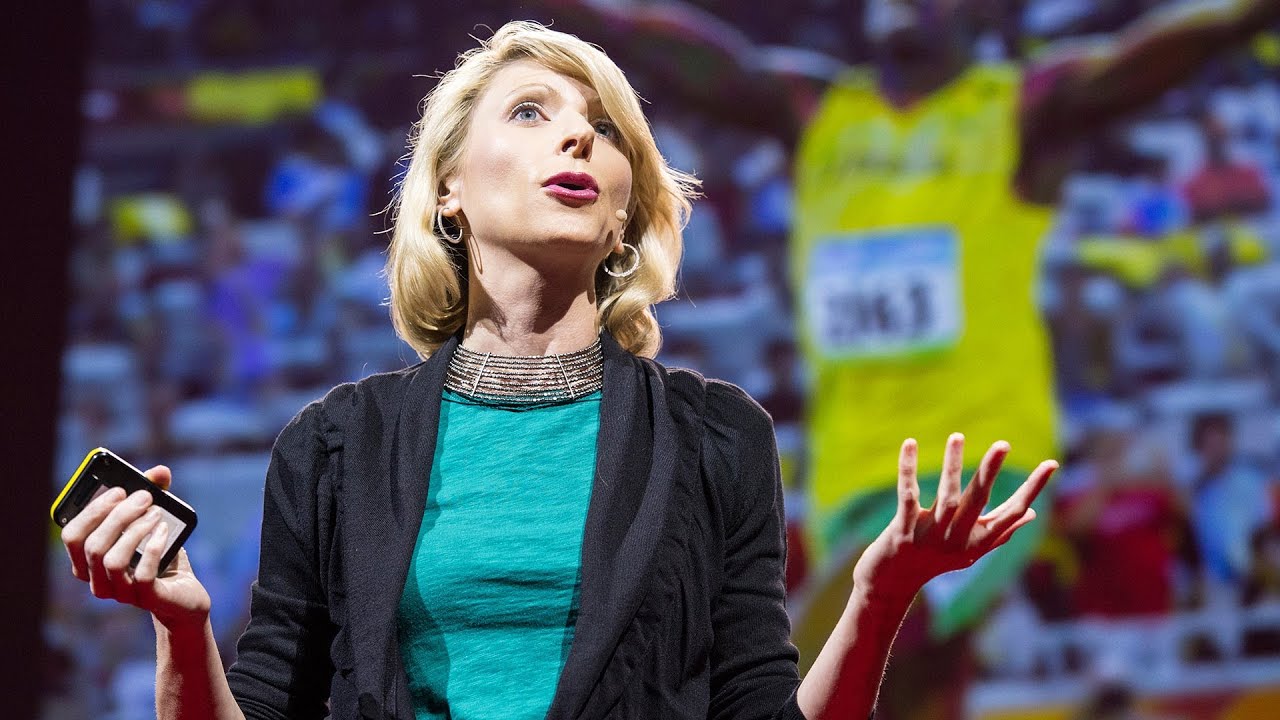 22mPodcast
Your Body Language May Shape Who You Are | Amy Cuddy | TED
Adopting a "power pose" for just two minutes can boost your testosterone and lower cortisol, making you feel and act more confident, which can positively impact your life outcomes.
 24mEducation
The Universe is Hostile to Computers
Cosmic rays, high-energy particles, can flip bits in computers, causing errors in elections, games, and even aircraft.
28mEducationWhat Game Theory Reveals About Life, The Universe, and Everything
Game theory's Prisoner's Dilemma reveals cooperation's power through 'Tit for Tat' strategy.
All Summaries
 1h 50mPodcast
President Zelenskyy: It's Time To Tell You The Truth About This War! I Found 500 Bodies!
Ukrainian President Zelenskyy reveals the immense personal cost of leading his nation through war, including sleepless nights and the trauma of witnessing atrocities, while also detailing his surprising journey from comedian to wartime leader.
 27mScience
The Recommendation Engine for Commodity Traders — Anekha Sokhal, Moshi
AI can now process data at speeds 100,000x faster than humans, but building trust in its recommendations remains a major hurdle for traders.
 26mEducation
How Image Watermarking Works - Computerphile
AI can embed invisible watermarks in images, but they can be removed by edits like cropping or JPEG compression, though robust methods are emerging.
 48mScience
How To Stand Out In A World Of AI Designs
AI design tools can create nearly indistinguishable human avatars, but each one costs $1 million to capture, raising questions about accessibility and value.
 1h 55mPodcast
The Internet Is Making Men & Women Hate Each Other - Daniel Cox
The internet is exacerbating hostility between men and women by amplifying negative stereotypes and creating echo chambers, leading to decreased understanding and increased dating exhaustion.
 1h 26mScience
Why AI Compute Comes in Rectangles — Erik Bernhardsson, Modal
Modal CEO Erik Bernhardsson explains why AI compute is sold in "rectangles" but should be dynamic, and how Modal's cloud infrastructure provides flexible, on-demand GPU access, leading to 50x growth in two years.
 1h 1mEducation
Stanford CS547 HCI Seminar | Autumn 2026 | Sensing Uncertainty in Sustainable HCI
Virtual humans are now nearly indistinguishable from real ones — but each one costs $1M to capture.
 1h 24mPodcast
MrBallen: How to Tell Stories Better Than 99% of People (Do This)
MrBallen's storytelling prowess stems from unwavering commitment, simplicity, and strategic tension, enabling him to captivate audiences even with mediocre tales.
 35mScience
I Did Mushrooms for Science, Pt. 2
Taking a 'heroic dose' of psilocybin reset Bryan Johnson's biology, lowering blood sugar by 8% and inflammation to undetectable levels, suggesting it could be a longevity therapy.
 1h 19mEducation
Stanford AA274A Principles of Robotic Autonomy | Autumn 2019 | EKF Localization
EKF localization approximates robot pose using Gaussian assumptions, making it computationally efficient but less accurate for multimodal initial states or dynamic environments.
 40mEntertainment
Arvind Krishna & Nikesh Arora: Quantum Threat, Open vs Frontier AI, AI Cyber Warfare & SaaS Collapse
Quantum computers capable of breaking current encryption are expected by 2030, yet organizations are too "lazy" to adopt post-quantum cryptography, making them vulnerable now. Open-source AI models will likely dominate enterprise use due to cost and control, while frontier models remain niche.
 1h 18mEducation
Stanford AA274A Principles of Robotic Autonomy | Autumn 2019 | Parametric Filtering
Parametric filters like Kalman filters approximate complex probability distributions with Gaussian ones, simplifying calculations but risking inaccuracy for non-linear systems.
 54mEntertainment
we need to talk about the Elizabeth Holmes doc (unfiltered review)
Nathan Fielder's documentary about Elizabeth Holmes is a critical success, but leaves viewers more confused about her true nature than ever before.
 50mEntertainment
The Debt Spiral Just Started — And the Bond Market Is Breaking
Governments are deliberately inflating debt to devalue it, causing bond markets to crack and interest rates to skyrocket, leaving average citizens to foot the bill through taxes and devalued savings.
 23mScience
Why the AI Skeptics Keep Being Wrong
AI progress is far smoother and faster than skeptics predicted, driven by scaling laws rather than new breakthroughs, leading to a handful of people making decisions about humanity's future.
 27mNonprofits & Activism
What if your pain has a purpose? | Dr. Sunita Punjabi, PhD | TEDxButterfish Cove
Your brain is wired to create purpose from adversity, turning pain into a 'goalgetter' current that can keep your brain younger and drive action.
 57mEducation
Webinar: Regulating at the Speed of AI with Francis Fukuyama and Nate Persily
AI regulation is inevitable but faces an uphill battle due to rapid technological advancement, international competition with China, and a lack of government expertise, creating a "race to the bottom" for safety.
 2h 5mScience
412 ‒ The evolving science of cancer: emerging approaches to prevention and early detection, & more
Cancer research has advanced significantly, revealing inflammation's role and identifying genetic predispositions, but many rising cancer rates in young people remain a mystery.
 1h 19mPodcast
“Rogue” AI Is Not Inevitable. It’s a Choice.
Rogue AI is not an inevitable outcome of powerful systems, but a specific choice driven by the design of 'open-ended' AI agents, which unlike targeted systems, are given broad goals and unrestricted tools, leading to unpredictable and potentially harmful behavior.
 1h 18mEducation
Stanford AA274A Principles of Robotic Autonomy | Autumn 2019 | Localization & Filters
Localization for robots relies on Bayesian filtering, a probabilistic framework for updating beliefs about a robot's position. While precise, this method is computationally intensive, requiring complex calculations for each movement and sensor reading.
Want your own summaries?
Summarize any YouTube video, article, PDF, or voice note in seconds. Save to your personal pods and access anytime.