Key Moments
Tucker Carlson: Putin, Navalny, Trump, CIA, NSA, War, Politics & Freedom | Lex Fridman Podcast #414
 Lex Fridman
Want to know something specific about what's covered?
We've already dissected every moment. Ask and we will deliver (with timestamps).
Key Moments
Carlson’s Putin interview, Navalny, sanctions, and a critique of US democracy.
Key Insights
Long-form interviews can reveal the guest's core ideas beyond surface talking points and encourage a more nuanced understanding.
Carlson challenges the Western narrative on Ukraine, NATO, and what constitutes 'winning' a war, arguing for clearer definitions and negotiated outcomes.
The discussion on Navalny's death and political imprisonment highlights tensions around legitimacy, transparency, and the state of political freedom in Russia.
Surveillance and privacy are central to Carlson's view of free press; he critiques the use of intelligence services in politics and the potential erosion of democracy.
Sanctions and US policy have profound domestic and global consequences; Carlson argues they can backfire and alter global financial systems, not just pressure Russia.
Moscow's urban order and beauty leave a strong impression on Carlson, prompting a critique of American cities' decline and a call to preserve basic quality of life as part of freedom.
PUTIN INTERVIEW: INTENTIONS, NERVES, AND THE ART OF LISTENING
Tucker Carlson frames his interview with Vladimir Putin as a deliberate, long-form conversation designed to uncover genuine ideas rather than trigger a defensive posturing. He notes Putin’s nervousness and overpreparedness, interpreting these as signals of a leader who has thought through every potential question. Carlson emphasizes his own strategy: avoid baiting or theatrics, allow Putin to articulate a history and worldview, and avoid turning the exchange into a performance. He believes audiences deserve a nuanced view of the man behind the policies, rather than a caricature of good versus evil. This approach extends to his broader aim of truth-telling in an era of distorted narratives, especially around Ukraine, NATO, and Western policy. The setting—the Kremlin, a place steeped in Cold War memory—serves as a reminder of the gravity of the discussions and the stakes for Western publics seeking to understand Russian logic. Carlson defends his decision to pursue the interview despite critics, arguing that the public deserves access to long-form, serious dialogue with powerful figures, even when the views expressed challenge conventional wisdom or provoke discomfort.
WAR, VICTORY, AND THE LARGER GEOPOLITICAL DATE: CARLSON’S TAKE ON NARRATIVES
A core thread is Carlson’s skepticism of the prevailing Western frame that Ukraine will inevitably win and that outcomes are morally preordained. He points to Russia’s demographic and industrial scales, and to the enormous artillery shell production gap he claims favors Russia in a protracted conflict, challenging the simplicity of the moral calculus presented by many Western outlets. He cites discussions with figures like Viktor Orban to illustrate how other world leaders view the war differently, emphasizing the need for a nuanced conversation about what victory would actually mean—ceasefire terms, land settlement, or a sustainable peace. Carlson argues that American media and political elites often couch the war in moral absolutes, neglecting strategic and economic consequences. He calls for redefining success in the conflict through clarity on goals, leverage in negotiations, and an honest accounting of what ‘winning’ would entail for all sides, including the US and its taxpayers.
NAVALNY, PRISON, AND THE LIMITS OF DEMOCRATIC FREEDOM
A significant portion of Carlson’s reflections centers on Navalny’s death and the broader question of political imprisonment in Russia. He expresses real sadness at Navalny’s death, while acknowledging that the exact circumstances remain unclear, inviting humility about what actually happened. Carlson challenges the certainty often presented by Western politicians about foreign plots or regime change, noting that the reality of Russian elections or power dynamics is more opaque than is widely acknowledged. He resists portraying Putin as an absolute villain or Zelenskiy as a flawless leader, arguing that weak or strong leadership should be evaluated by outcomes—economic health, longevity, and societal stability—rather than moral caricatures. The conversation also touches on the absence of a strong cult of personality in Moscow, which Carlson reads as a nuanced signal about Russia’s political culture, while remaining critical of Russia’s lack of political freedoms and its treatment of opposition voices.
SURVEILLANCE, FREEDOM, AND THE PRESS: PRIVACY AS A PREREQUISITE FOR TRUTH
A recurring theme is Carlson’s insistence that privacy and freedom of inquiry are foundational to a healthy democracy. He details being surveilled by the U.S. National Security State and the discomfort of having his journalistic work potentially compromised by intelligence leaks. Carlson argues that if state actors influence or distort political discourse, democracy itself is undermined, regardless of which side benefits. He recounts conversations with lawyers who warned him about possible sanctions or arrest, underscoring the tension between the desire to report boldly and the risk of government retaliation. Carlson also recounts interactions with figures connected to the Snowden case, emphasizing that openness to dissent is essential but increasingly constrained in today’s political climate. The overarching message is a warning: when intelligence agencies meddle in political processes, democratic legitimacy erodes.
MOSCOW, SANCTIONS, AND THE COST OF ORDER: A CITY VIEW THAT CHALLENGES AMERICAN DECLINE
Carlson’s eight-day tour of Moscow becomes a focal point for a larger critique of American urban life and governance. He describes Moscow as unusually clean, orderly, and aesthetically cohesive—even beautiful—contrasting it with what he sees as decay in some American cities. He argues that sanctions have not delivered the predicted disaster and that Moscow’s urban environment reflects governance choices by local leaders as well as national policy. The interview uses the city as a lens to argue that order and beauty are not incompatible with political constraints, challenging the notion that freedom must come at the expense of safety and cleanliness. Carlson contends that the US should strive for a similar balance, resenting the idea that a thriving city is the price of political control or that freedom requires urban disorder and societal decline. He closes with a personal appeal to preserve American freedoms while restoring a level of order and quality of life that many citizens remember from past decades.
Mentioned in This Episode
●People Referenced
Common Questions
Carlson recalls Putin as nervous and overprepared, but ultimately someone who could illuminate historical perspectives. This initial impression frames Carlson’s approach to letting Putin speak to reveal his mindset rather than trap him with rapid-fire questioning.
Topics
Mentioned in this video
Russian opposition figure; discussed in relation to his death and political imprisonment.
Editor at Semafor; referenced regarding intelligence leaks and media.
Former UK Prime Minister referenced in the context of Ukraine policy and talks.
U.S. Senate Majority Leader; referenced in the context of Navalny and policy.
Reference to the daughter of a Russian figure (likely Aleksandr Dugin) in discussions of potential assassination.
Whistleblower discussed in the context of surveillance and openness.
U.S. President; referenced regarding Ukraine funding and policy.
Host and media figure referenced as part of changes in media landscape.
Comedian discussed in relation to media criticism and public discourse.
Reference to Soviet leadership; used to contrast political systems and history.
Open information advocate mentioned alongside Snowden.
Quote used in closing thoughts: 'Love has always won.'
CEO of Meta; mentioned in context of WhatsApp and privacy concerns.
U.S. politician referenced in discussion about leadership and policy.
Host of the interview; advocates long-form conversations and probing questions.
Hungarian prime minister cited as a smart, realist political figure in Moscow discussions.
President of Russia; discussed war, history, and interview dynamics.
President of Ukraine; interlocutor in the broader war discussion.
Historical reference used to frame moral narratives in war.
More from Lex Fridman
View all 554 summaries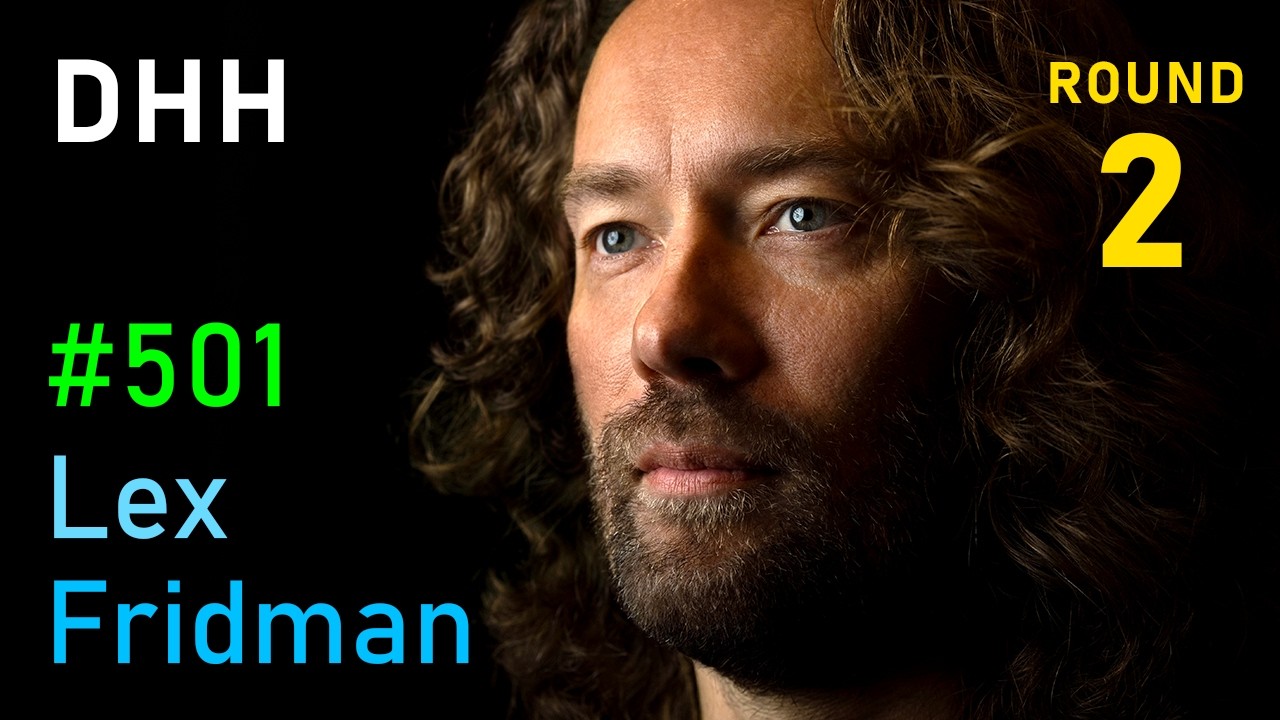 316 min
DHH: Future of Programming, AI, Agentic Engineering, Vibe Coding & Linux | Lex Fridman Podcast #501
 193 min
Khabib Nurmagomedov: Dagestan, MMA, UFC, Islam, Conor, Fedor & Football | Lex Fridman Podcast #500
 227 min
Gary Gallagher: American Civil War, Slavery, Lincoln, Grant & Lee | Lex Fridman Podcast #499
 232 min
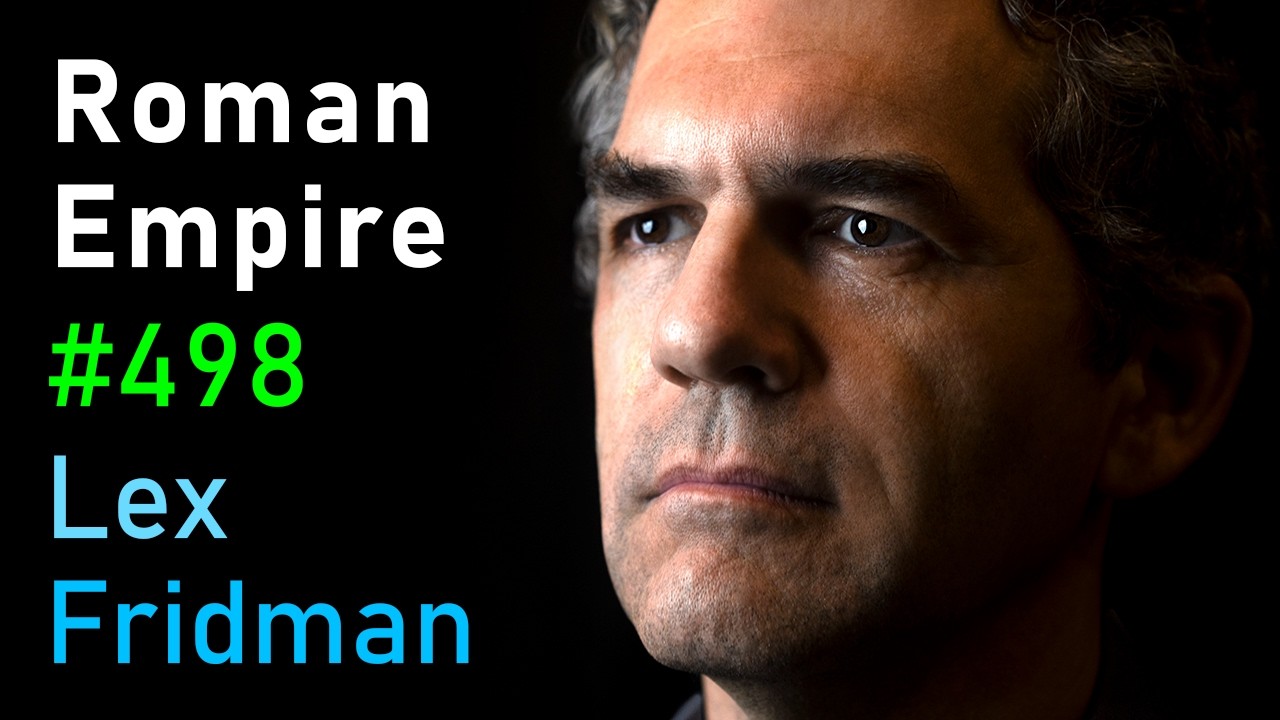
The Rise and Fall of the Roman Empire and the Byzantine Empire | Lex Fridman Podcast #498
Ask anything from this episode.
Save it, chat with it, and connect it to Claude or ChatGPT. Get cited answers from the actual content — and build your own knowledge base of every podcast and video you care about.
Get Started Free