Key Moments
412 ‒ The evolving science of cancer: emerging approaches to prevention and early detection, & more
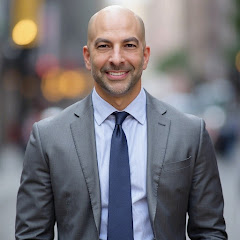 Peter Attia MD
Key Moments
Cancer research has advanced significantly, revealing inflammation's role and identifying genetic predispositions, but many rising cancer rates in young people remain a mystery.
Key Insights
While traditional carcinogens are known, inflammatory states are now understood to cause cancer, though specific biomarkers for these states are still being developed.
The proportion of hereditary cancer mutations is likely higher than the previously estimated 5%, with many 'nudge' mutations from multiple genes contributing to risk, alongside 'shove' mutations like BRCA1.
Immunotherapy and CAR T-cell therapy have shown remarkable success in treating certain blood cancers, with CAR T-cells now being explored for solid tumors, though challenges remain due to antigen specificity and tissue compatibility.
The rise in certain cancers like colorectal in young people is unexplained, despite a general decline in overall cancer mortality rates.
Metabolic states like hyperinsulinemia, often associated with obesity, are hypothesized to play a role in sustaining and potentially initiating cancer cells, similar to inflammation.
AI is revolutionizing drug discovery by predicting protein structures and generating novel molecular designs, and is being explored for epidemiological scanning, clinical trial recruitment, and monitoring.
Inflammation as a driver of cancer
Fifteen years after 'The Emperor of All Maladies,' our understanding of cancer has expanded beyond traditional carcinogens. We now recognize inflammatory states as significant contributors to cancer development. While the link between inflammation and mutations is increasingly clear, a key challenge remains the lack of specific biomarkers to identify individuals at risk due to these inflammatory conditions, unlike the established biomarkers for cardiovascular disease. This area holds promise for future prevention strategies, but currently, clinicians cannot definitively tell a patient they are in a pro-carcinogenic inflammatory state. The good news is that the field is actively working on identifying such biomarkers, similar to how high cholesterol is a biomarker for heart disease. Furthermore, advancements in genetic sequencing allow for a more precise quantification of individual cancer risk, moving beyond single-gene mutations like BRCA1/2 to include the contribution of multiple genes.
The evolving understanding of cancer genetics and 'bad luck'
The notion of cancer as a 'disease of bad luck,' driven by random mutations, is being refined. While about 5% of mutations were initially attributed to hereditary factors (like BRCA1/2), this number is likely higher. Research now indicates that numerous 'nudge' mutations, inherited from hundreds of genes, contribute to risk, alongside strong 'shove' mutations. This complex interplay means that while random mutations (approximately 66% according to earlier studies) still play a role, they often interact with other factors like inflammation or genetic predispositions. The precise percentage of hereditary vs. environmentally triggered vs. random mutations is dynamic and subject to ongoing research, but the key takeaway is that cancer arises from a complex web of genetic, environmental, and random events, not solely from bad luck.
Advances and challenges in early cancer detection
Significant progress is being made in early cancer detection, particularly with the development of blood tests. However, applying these tests to the general population without prior risk stratification is unlikely to decrease mortality due to a high rate of false positives and subsequent unnecessary procedures. The real promise lies in using these tests for high-risk individuals, such as those with known genetic mutations or a history of cancer. Additionally, new imaging technologies are emerging, offering more continuous monitoring rather than discrete annual checks. While the effectiveness of these advanced imaging techniques is still under investigation, the goal is to identify cancers at their earliest, most treatable stages, potentially changing outcomes significantly.
Breakthroughs in cancer treatment: immunotherapy and beyond
The last 15 years have witnessed transformative advances in cancer treatment. Immunotherapy, which harnesses the body's own immune system, has shown remarkable efficacy, even in previously difficult-to-treat conditions like lung cancer in smokers. CAR T-cell therapy, a form of engineered immunotherapy, has demonstrated the capacity to 'cure' certain liquid cancers like leukemias and lymphomas, offering long-term survival for patients. Beyond these, novel biologics and small molecule therapies are extending lifespans in various cancers, with treatments like Enhertu in breast cancer and new drugs for myeloma and prostate cancer showing significant promise. Surgical techniques have also become more precise, minimizing damage to healthy tissue.
The perplexing rise of certain cancers in young populations
Despite overall progress in reducing cancer mortality, a disturbing trend is the rise in certain cancers, notably colorectal cancer, among younger individuals. This increase, along with plateaus in breast cancer mortality reduction and rises in esophageal and endometrial cancers, remains largely unexplained. While obesity is a likely contributor to endometrial cancer, the drivers for colorectal cancer and other rising cancers in younger demographics are a significant mystery. Potential factors under investigation include environmental exposures, changes in gut microbiome due to antibiotic use, and dietary shifts, all of which can influence inflammation and cellular processes.
Metabolism's role in cancer development and treatment
The metabolic differences between cancer cells and normal cells are becoming a critical focus for treatment. The link between obesity, particularly hyperinsulinemia, and certain cancers like endometrial cancer is well-established, though the exact mechanisms are still being unraveled. Research suggests that chronic insulin tone, rather than obesity itself, may sustain cancer cells and confer resistance to therapy. This opens avenues for therapeutic interventions targeting metabolic pathways, potentially including GLP-1 agonists, to disrupt cancer cell growth and vulnerability. The interplay between inflammation and metabolic dysregulation is a key area of ongoing research.
AI's transformative potential in oncology
Artificial intelligence is rapidly emerging as a powerful tool across the cancer landscape. AI is being used to analyze medical images, like CT scans, to identify novel correlations with disease states, such as the presence of the thymus gland and its link to various illnesses. In drug discovery, AI accelerates the process of identifying drug targets and designing novel molecules by learning the rules of chemistry and physics. Furthermore, AI's ability to process vast datasets offers potential for improved clinical trial recruitment, monitoring, and the extraction of deeper insights from trial data, ultimately speeding up the development of new therapies.
Future directions: Chemo-prevention, regenerative medicine, and longevity
Looking ahead, the ultimate goal in cancer is prevention, potentially through chemo-prevention with molecules that can block cancer development before it starts, similar to statins for heart disease. However, the complexity of cancer may mean that simple, single-target chemo-prevention isn't straightforward. The field is also exploring regenerative medicine to address age-related tissue and organ failure, which becomes a primary cause of death in centenarians. This involves understanding and potentially restoring the function of systems like the thymus, which is crucial for T-cell generation. The pursuit of longevity hinges on both eliminating diseases like cancer and heart disease and addressing the fundamental failures of regeneration and immune function that occur with aging, a systematic approach that may require a paradigm shift in scientific funding and focus.
Mentioned in This Episode
●Supplements
●Software & Apps
●Companies
●Organizations
●Books
●Drugs & Medications
●Concepts
●People Referenced
Common Questions
In the last 15 years, oncology has learned more about the role of inflammatory states in cancer and the genetics of higher-risk individuals. While biomarkers for inflammatory states in cancer are still being developed, genetic sequencing can now quantify the relative risk for certain cancers like breast and ovarian. Obesity is also more strongly linked to specific cancers like endometrial.
Topics
Mentioned in this video
Siddhartha Mukherjee's book on the history of cancer, published 15 years prior to the discussion.
Scientific journal where Lou Cantley and Siddhartha Mukherjee published a paper on insulin's role in cancer resistance.
The scientific journal where Bert Vogelstein's paper on cancer mutations was published.
Scientific journal where Siddhartha Mukherjee's laboratory published their discovery of the first osteoarthritic stem cells.
Scientific journal where Siddhartha Mukherjee's laboratory published their discovery of the first osteoarthritic stem cells.
The institution from where a team of scientists published a paper in the 1950s that remained unexplained for years, involving carcinogens and inflammatory agents in mice.
University where Mitch Lazar conducted research on cardiometabolic disease.
Mentioned as an example of a remarkable institute that could fund longevity research, and where a study on thymus and wellness was conducted.
University of California, San Francisco, where Allan Balmain conducted experiments on genetically engineered mice.
An NIH program that tests various molecules for their effects on longevity.
Mentioned as an example of a remarkable institute that could fund longevity research.
National Institutes of Health, mentioned as a potential funder for studies on GLP-1 agonists and cancer.
Mentioned as an example of a remarkable institute that could fund longevity research.
An example of a drug that works by binding to a specific protein.
A class of drugs that reduce hyperinsulinemia and are being considered for their potential role in cancer adjuvant therapy.
An example of a standard immunotherapy drug.
A statin drug used for cardiovascular disease prevention, mentioned as an example of chemo-prevention and a drug with a known lock and key mechanism.
A chemical carcinogen used in a 1950s experiment on mice that caused mutations and led to cancers.
A class of drugs that can lower LDL levels, mentioned in the context of preventing cardiovascular disease.
A new medicine that targets KRAS mutations, showing promise in treating pancreatic cancer but with side effects.
A drug with anti-inflammatory properties, mentioned as a crude but effective treatment for residual cardiovascular risk in patients with clonal hematopoiesis.
An antidepressant, mentioned as an example of a drug with a known lock and key mechanism.
A gene mutation known to increase the risk of breast cancer.
A tumor suppressor gene, mentioned as a single gene mutation associated with hereditary cancers.
A gene mutation known to increase the risk of breast cancer.
A gene that can be a target in breast cancer, mentioned in context of hereditary mutations.
The study of death, a term coined by Elie Metchnikoff.
A protein target on B-cells, relevant for CAR T-cell therapy against B-cell leukemias and lymphomas.
Researcher at Penn who published a paper on the incidence of cardiometabolic disease tracking with hyperinsulinemia rather than adiposity.
Researcher whose 2015 paper in Science suggested a significant portion of cancer mutations were purely random, a concept discussed and refined in the podcast.
Scientist who discovered Burkitt's lymphoma and observed a low incidence of colorectal cancer in Africa due to high-fiber diets.
Researcher whose lab in the UK showed that even non-smokers can have cells with cancer mutations in their lungs, which become cancerous with inflammatory responses.
Siddhartha Mukherjee's editor since his first book, praised for her experience and skill.
Researcher at UCSF who conducted experiments genetically engineering mice to get cancer and observing the effect of inflammatory wounds.
Researcher who co-authored a paper with Siddhartha Mukherjee in Nature about the role of insulin in cancer resistance, and co-founded Five Therapeutics.
Scientist from the 1900s whose work established that cancer cell metabolism is different from normal cell metabolism.
A friend of Lou Cantley and Siddhartha Mukherjee, who believes a 'Manhattan Project' for basic aging science is needed, funded by philanthropists.
Russian-Parisian scientist who discovered the innate immune system and proposed the systematic study of death (thanatology).
More from Peter Attia MD
View all 347 summaries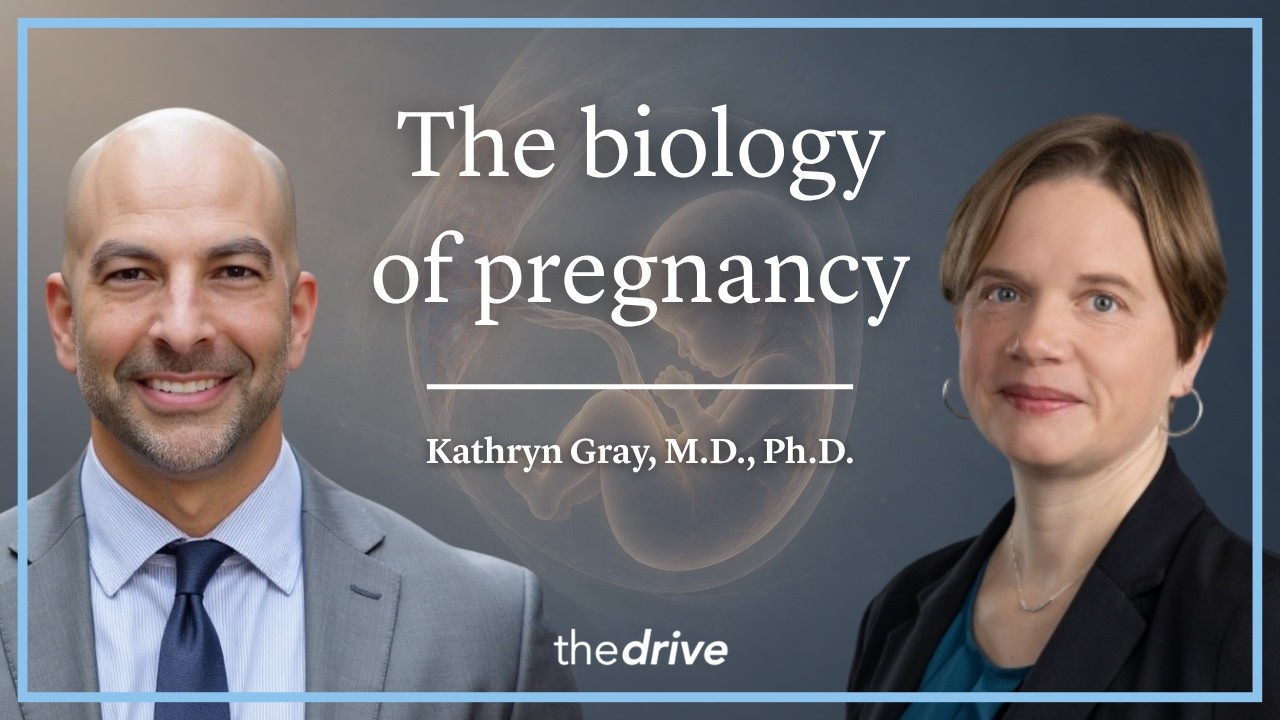 122 min
410 ‒ The biology of pregnancy: physiologic adaptation, childbirth, and long-term maternal health
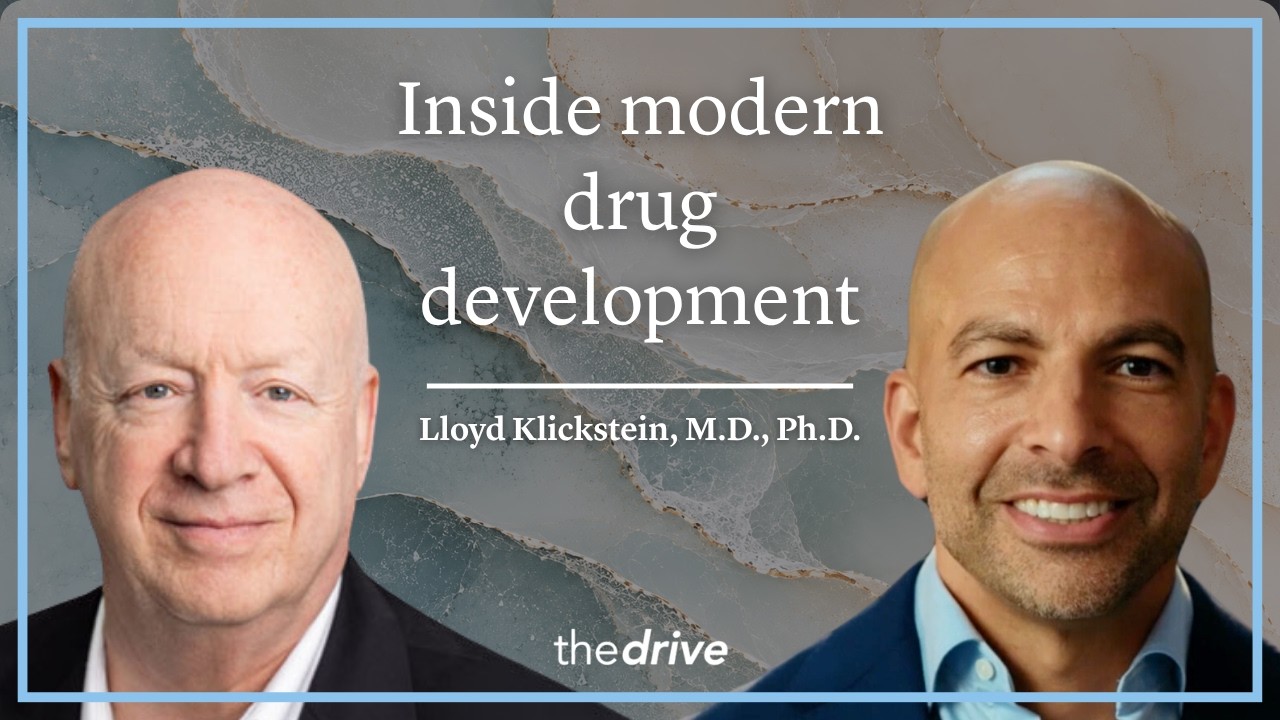 156 min
409 ‒ Inside modern drug development: the science, economics, and regulatory hurdles
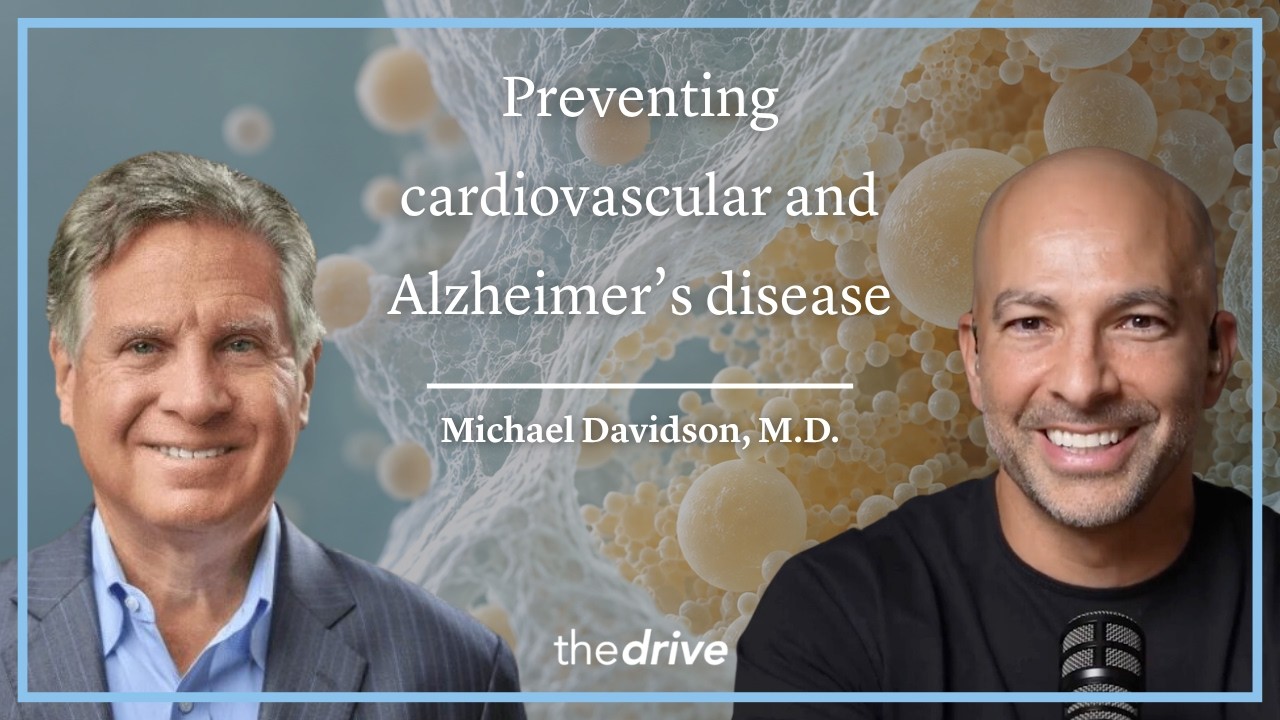 140 min
407 ‒ Preventing cardiovascular and Alzheimer’s disease: lowering LDL early, APOE4, and more
 77 min
Blood pressure: how to measure, manage, and treat high blood pressure (AMA #48 rebroadcast)
Ask anything from this episode.
Save it, chat with it, and connect it to Claude or ChatGPT. Get cited answers from the actual content — and build your own knowledge base of every podcast and video you care about.
Get Started Free