Key Moments
Fitness Toolkit: Protocol & Tools to Optimize Physical Health
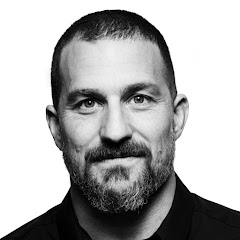 Andrew Huberman
Want to know something specific about what's covered?
We've already dissected every moment. Ask and we will deliver (with timestamps).
Key Moments
Optimize fitness with a weekly template: endurance, strength, HIIT, and recovery.
Key Insights
A foundational fitness protocol can maximize strength, endurance, and flexibility.
Integrate varied training types weekly: long endurance, resistance training, and high-intensity intervals.
Deliberate heat and cold exposure can aid recovery and cardiovascular benefits.
Prioritize sleep and recovery; adjust training if sleep-deprived or feeling unwell.
Proper nutrition, particularly carbohydrates post-workout and training fasted, can optimize performance.
Consistency and progressive overload are key to long-term fitness gains.
FOUNDATIONAL FITNESS FRAMEWORK AND SOLEUS PUSH-UPS
Andrew Huberman introduces a science-based foundational fitness protocol designed to maximize strength, endurance, hypertrophy, and overall health. The program emphasizes progressive overload and can be tailored to individual goals. A novel finding discussed is the Soleus push-up, a simple seated calf exercise that significantly improves blood glucose utilization and insulin sensitivity, even with minimal muscle engagement, offering a low-cost tool for metabolic health, especially for sedentary individuals.
WEEKLY TRAINING SCHEDULE OVERVIEW
The protocol outlines a structured weekly training split: Sunday focuses on long endurance (e.g., 60-75 minutes of Zone 2 cardio like jogging or hiking), Monday targets leg resistance training, Tuesday is dedicated to heat and cold contrast for recovery and cardiovascular benefits, Wednesday involves torso and neck resistance training, Thursday offers moderate-intensity cardio (around 35 minutes), Friday incorporates high-intensity interval training (HIIT), and Saturday is for arms, calves, and secondary torso work.
RESISTANCE TRAINING PRINCIPLES AND PERIODIZATION
Resistance training sessions, including legs on Monday and torso/arms on Wednesday and Saturday, should ideally last 50-60 minutes post-warm-up. Key principles include using two exercises per muscle group, one focusing on peak contraction and another on stretch. Periodization involves alternating between lower repetitions with heavier weights (4-8 reps) for a month, followed by moderate repetitions with fewer sets (8-15 reps) for another month, optimizing strength and hypertrophy gains.
CARDIOVASCULAR TRAINING MODALITIES AND INTENSITY
Cardiovascular training is varied throughout the week. Sundays feature long, low-intensity (Zone 2) endurance, while Thursdays involve moderate-intensity cardio (75-80% effort) for about 35 minutes. Fridays are dedicated to high-intensity interval training (HIIT), such as all-out sprints on a bike or a rower for 20-30 seconds with 10-second rests, aiming to elevate the heart rate to near maximum at least once a week.
RECOVERY STRATEGIES AND REAL-WORLD ADAPTATIONS
Recovery is prioritized through Tuesday's heat and cold contrast sessions, which enhance cardiovascular function and hormone release (like growth hormone) without hindering strength adaptations. The protocol allows for flexibility, enabling workouts to be shifted by a day if needed. Prioritizing sleep and utilizing techniques like Non-Sleep Deep Rest (NSDR) are crucial, especially if sleep-deprived, to avoid illness and maintain training consistency.
NUTRITION, FLEXIBILITY, AND MIND-BODY CONNECTION
Training fasted is generally preferred, with carbohydrates ingested post-workout to replenish glycogen. Flexibility is addressed through repeated static stretching sessions (30-60 seconds each) done multiple times a week, ideally in the evenings. The importance of the mind-muscle connection, controlled breathing for nervous system regulation (like physiological sigh), and deliberate grip enhancement during sets are highlighted as key tools for optimizing both strength and recovery.
Mentioned in This Episode
●Products
●Software & Apps
●Companies
●Organizations
●Studies Cited
●Concepts
●People Referenced
Optimizing Your Fitness Protocol: Daily & Weekly Guide
Practical takeaways from this episode
Do This
Avoid This
Common Questions
The foundational fitness protocol is a weekly template designed to maximize all aspects of fitness including endurance, strength, flexibility, and hypertrophy. It balances different types of training across the week, allowing for customization to individual goals. This protocol balances strength, endurance, and recovery to support overall health and longevity.
Topics
Mentioned in this video
A breathing technique involving two inhales through the nose back-to-back, followed by a long, full exhale through the mouth, used to rapidly calm the nervous system and aid recovery between sets.
A science-supported protocol for deep relaxation, available on YouTube and Spotify, used to restore mental and physical performance, particularly after poor sleep.
Cardiovascular exercise at an intensity where breathing is faster, heart rate is elevated, but one can still hold a conversation, recommended for longevity.
A simple, no-cost alternative to a weight vest for adding resistance to walks or hikes.
Jeff Cavaliere's platform providing workouts and programs, with many free protocols on YouTube and Instagram.
A micro-movement involving lifting the heel while seated, shown in a study to dramatically improve blood sugar regulation and metabolism.
A study published in iScience that examined the dramatic positive changes in blood sugar utilization and metabolism from continuous Soleus push-ups.
A review paper discussing whether there is interference between strength and endurance workouts.
A fan-based stationary bike, recommended for high-intensity interval training, similar to the Assault Bike.
A fan-based stationary bike, recommended for high-intensity interval training due to its high resistance and effectiveness in elevating heart rate.
A wearable vest, ranging from 10 to 50 pounds, used to increase the effort during walks or hikes, providing additional muscular endurance and cardiovascular work.
A company making high-quality, lightweight eyeglasses and sunglasses designed for performance and suitable for daily wear.
A company that makes customized mattresses and pillows based on individual sleep needs.
A personalized nutrition platform that analyzes blood and DNA data to provide actionable health directives.
Physiologist from 'The Ready State' known for his expertise on movement, stability, strength, and injury prevention, including proper neck training.
An Instagram personality and teacher who shares her impressive progression in jump rope skills, serving as an inspiration for cardiovascular training.
A world-class sprinting coach mentioned as a potential future podcast guest.
A world-class sprinting coach mentioned as a potential future podcast guest.
Physiotherapist and strength and conditioning coach from Athlean-X, mentioned for his expert protocols on exercise choice, muscle activation, and neck training.
A strength expert known for his principles on body mechanics, 'irradiation' to facilitate muscular contraction, and an excellent book on stretching.
Expert guest on the Huberman Lab podcast, mentioned for his insights on fitness concepts, modifiable variables, and repetition ranges for hypertrophy.
Host of the Huberman Lab podcast and a professor of neurobiology and ophthalmology at Stanford School of Medicine.
Medical doctor and guest on the Huberman Lab podcast, known for emphasizing Zone 2 cardio and specific metrics like hanging from a bar for longevity.
Legendary long-distance runner known for his ability to maintain an all-out sprint pace for extended periods.
World-renowned movement specialist also featured as a guest on the Huberman Lab podcast.
Guest on the Huberman Lab podcast who discussed the benefits of deliberate heat exposure, particularly sauna use.
More from Andrew Huberman
View all 392 summaries 33 min
Essentials: The Science of Eating for Health, Fat Loss & Lean Muscle | Dr. Layne Norton
 171 min
Science of Attraction, Compatibility & Romance | Dr. Paul Eastwick
 33 min
Improve Flexibility with Research-Supported Stretching Protocols | Huberman Lab Essentials
 176 min
The Mental Frame & Specific Daily Actions to Succeed | Andy Stumpf
Ask anything from this episode.
Save it, chat with it, and connect it to Claude or ChatGPT. Get cited answers from the actual content — and build your own knowledge base of every podcast and video you care about.
Get Started Free