Key Moments
Psychedelics — Microdosing, Mind Enhancing Methods, and More | The Tim Ferriss Show (Podcast)
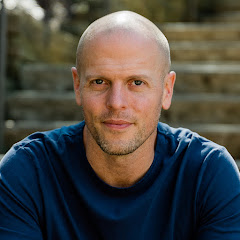 Tim Ferriss
Key Moments
Psychedelics show promise for treating depression, anxiety, and addiction, with research focusing on safety and therapeutic potential.
Key Insights
Psychedelic research is rapidly advancing, with rigorous studies exploring therapeutic applications for mental health conditions.
Compounds like psilocybin demonstrate significant potential in treating depression and anxiety, even long-term, from single doses.
Psychedelics show promise in addiction treatment, particularly for smoking and potentially opioid addiction, by addressing psychological roots.
Microdosing involves sub-perceptual doses and is being explored anecdotally for mood and productivity enhancement, though scientific validation is ongoing.
The risks associated with psychedelics, such as 'bad trips' or psychosis, are being actively managed in clinical settings through preparation and screening.
Investment in psychedelic research and development is growing, driven by the need for novel treatments for widespread mental health issues.
EMERGING THERAPEUTIC APPLICATIONS
The field of psychedelic science is showcasing significant potential for treating various mental health disorders, including depression, anxiety, and addiction. Studies, particularly at institutions like Johns Hopkins and Imperial College London, are yielding promising results. These investigations are moving beyond anecdotal evidence to rigorous clinical trials, aiming to understand and harness the therapeutic benefits of compounds like psilocybin and MDMA, offering hope for conditions where conventional treatments have fallen short.
PSIILOCYBIN'S EFFICACY IN DEPRESSION AND ANXIETY
Research, including large-scale studies, has demonstrated psilocybin's profound effectiveness in reducing depression and anxiety, especially in patients facing life-threatening cancer diagnoses. A single high dose can lead to significant, sustained improvements that last for months. This efficacy contrasts with some current antidepressants and highlights psilocybin's potential as a powerful therapeutic agent for mood disorders, often surpassing the duration of effects seen with other emerging treatments like ketamine.
ADDRESSING ADDICTION WITH PSYCHEDELICS
Psychedelics are showing remarkable potential in treating various forms of addiction, including nicotine and potentially opioid addiction. Unlike some traditional treatments that merely manage symptoms, psychedelics appear to address the underlying psychological mechanisms driving addictive behaviors. Pilot studies for smoking cessation have shown high success rates, suggesting that these compounds can facilitate lasting change by confronting the core issues associated with addiction.
MICRODOSING AND ITS POTENTIAL BENEFITS
Microdosing, the practice of taking sub-perceptual doses of psychedelics, is an area of growing interest, particularly for anecdotal reports of enhanced mood, creativity, and productivity. While not resulting in hallucinatory experiences, individuals experiment with very small doses to achieve subtle cognitive and emotional benefits. The importance of obtaining pure substances and understanding the legal status in one's jurisdiction are critical considerations for those exploring this practice.
MECHANISMS OF ACTION AND THE ENTROPIC BRAIN
The therapeutic effects of psychedelics are thought to be linked to their interaction with the serotonin system, specifically the serotonin 2A receptor. This engagement is believed to increase brain activity's richness and complexity, a state sometimes referred to as the 'entropic brain.' This state may allow for the relaxation of rigid beliefs and thought patterns, creating a therapeutic window for psychological revision and healing, especially when combined with supportive therapy.
RISK ASSESSMENT AND MANAGEMENT
While psychedelics offer significant therapeutic promise, understanding and managing their risks is paramount. Potential risks include 'challenging experiences' or 'bad trips' and, for a small percentage of the population with predispositions, the potential for triggering psychotic disorders. However, these risks can be mitigated through rigorous psychological screening, careful preparation, and monitored clinical settings, making them manageable in a therapeutic context.
INVESTMENT AND LEGAL CHALLENGES
There is a growing wave of investment in the psychedelic space, driven by the substantial market need for effective mental health treatments. Companies are forming and investing in research to bring these compounds back into the legal and medical realm. However, significant legal hurdles remain, primarily due to their current Schedule I classification, which requires stringent regulatory processes for research and eventual medical approval.
THE DEFAULT MODE NETWORK CONNECTION
The Default Mode Network (DMN), often associated with the 'self' or 'ego,' plays a crucial role in understanding psychedelic therapy. In conditions characterized by rigidity, the DMN can become overactive. Psychedelics appear to temporarily disrupt or 'break down' this network, allowing individuals to gain broader perspectives, similar to the 'overview effect' experienced by astronauts. This breakdown facilitates flexibility and openness, key to therapeutic progress.
THE HISTORICAL CONTEXT AND REGULATORY PATHWAY
The current Schedule I classification of psychedelics largely stems from their association with the counterculture movement in the late 1960s and early 1970s. The Controlled Substances Act lacked a nuanced category for substances with low abuse potential but accepted medical use. To overcome this, research must progress through FDA approval pathways, demonstrating medical value, before reclassification to schedules like IV is possible, similar to tranquilizers and sleep aids.
FUTURE PROJECTIONS AND BUSINESS MODELS
The future of psychedelic therapy likely involves a blend of medical and therapeutic oversight, potentially through specialized clinics or 'psychedelic spas,' rather than over-the-counter availability. Business models are evolving to accommodate the unique nature of these treatments, which often require only one or two doses. The focus remains on ensuring access, therapeutic integration, and sustainable development, balancing commercial interests with the mission to heal.
Mentioned in This Episode
●Supplements
●Companies
●Organizations
●Books
●Drugs & Medications
●Concepts
●People Referenced
Common Questions
Microdosing involves taking a sub-perceptual dose of a psychedelic substance, meaning a dose that does not cause a hallucinatory or 'tripping' experience. The intention is to achieve metabolic effects without noticeable psychoactive alterations.
Topics
Mentioned in this video
The U.S. Food and Drug Administration, which approved the birth control pill in 1957 and is involved in evaluating novel drug protocols.
An institution where Robin Carhartt Harris leads research on psychedelics.
An organization that hosts global conferences, where this panel on psychedelic science was recorded in 2019.
An institution where Matthew Johnson is an associate professor researching psychedelics.
Associate Professor at Johns Hopkins University School of Medicine, discussing research on psilocybin for depression and addiction.
A chemist who popularized MDMA and lectured to Ayelet Waldman's class.
Host of The Tim Ferriss Show podcast, interviewing experts and world-class performers.
Founder of Apeiron Investment Group and a significant investor in psychedelic science through his company ATAI Life Sciences.
Band whose original singer, Syd Barrett, allegedly experienced prolonged psychiatric reactions after LSD use, linked to a predisposition for psychosis.
Original singer of Pink Floyd, cited as an example of someone who may have had a predisposition to psychiatric issues exacerbated by LSD.
Mentioned as an expert in mental health, relevant to discussions about psychiatric diagnostic categories.
A prescription opioid pain reliever, mentioned in relation to an overdose death.
An SSRI antidepressant, contrasted with the potential of psychedelics to address the root of emotional pain rather than merely numbing it.
The active compound in magic mushrooms, studied extensively for its therapeutic potential in treating depression, anxiety, and addiction.
Lysergic acid diethylamide, a potent psychedelic drug studied in the 1960s and used by Ayelet Waldman for microdosing.
A psychoactive brew containing DMT, used for spiritual and healing purposes.
A psychedelic compound with potential for treating opiate addiction.
A common pain reliever with a different safety profile than psychedelics.
Ecstasy, discussed for its potential in treating PTSD and used by Ayelet Waldman for marital therapy.
A potent synthetic opioid, mentioned in the context of the opioid crisis and overdose deaths.
Selective Serotonin Reuptake Inhibitors, a class of antidepressants.
A drug recently approved for depression treatment, known for immediate antidepressant effects that last 1-3 weeks.
A common stimulant with a differing safety profile compared to psychedelics.
Dimethyltryptamine, found in ayahuasca, a psychedelic with no known lethal overdose.
Mentioned as having similar physiological safety profile to classic psychedelics.
A stimulant drug, research on its addiction treatment using psychedelics is showing initial positive results.
A company involved in psychedelic research, aiming to bring psilocybin back into medical use.
A biotech company investing globally to bring psychedelics back into the legal realm for medical use.
A wellness resort, used as an analogy for a potential 'psychedelic spa' model for therapeutic use.
More from Tim Ferriss
View all 694 summaries 71 min
The Most Incredible Transformation I’ve Ever Seen — Jerzy Gregorek on Cerebral Palsy and Coaching
 34 min
PRISONER NO MORE: The True Story of Tae Jin Park
 89 min
From Food Stamps to the Super Bowl War Room — NFL Chief Security Officer Cathy Lanier
 55 min
From Dad’s Basement to Selling Two Companies — 4-Hour Workweek Success Story
Ask anything from this episode.
Save it, chat with it, and connect it to Claude or ChatGPT. Get cited answers from the actual content — and build your own knowledge base of every podcast and video you care about.
Get Started Free