Key Moments
#13 – Brett Kotlus, M.D.: How to look younger while we live longer
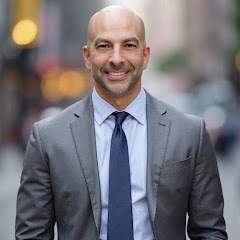 Peter Attia MD
Key Moments
Dr. Brett Kotlus on practical strategies for graceful aging, skincare, and cosmetic procedures.
Key Insights
Aging involves intrinsic (genetics) and extrinsic (sun, movement) factors affecting skin, fat, bone, and ligaments.
Sun exposure significantly damages skin by degrading collagen and elastin, leading to premature aging.
Subtle, consistent cosmetic interventions are key to achieving natural-looking results over time.
Choosing the right provider involves thorough research, looking at credentials, referrals, and having a good rapport.
Sunscreen (broad-spectrum SPF 30+), retinoids, and topical Vitamin C are foundational for skin maintenance.
Technological advancements like 3D printing are poised to revolutionize reconstructive and cosmetic surgery.
THE MECHANICS OF FACIAL AGING
Facial aging is a complex process influenced by both intrinsic genetic factors and extrinsic environmental factors. Intrinsic aging leads to natural changes like bone and fat loss, and thinning skin. Extrinsic factors, primarily long-term sun exposure (solar elastosis), degrade collagen and elastin, reduce skin thickness, and cause issues like brown spots and visible blood vessels. Gravity and repetitive facial movements also play a role, stressing ligaments and contributing to sagging.
THE IMPACT OF SUN EXPOSURE AND OTHER FACTORS
Sun exposure is a major contributor to premature skin aging, causing damage that far exceeds simple sunburns. UV radiation can lead to fat atrophy over time, similar to how heat and lasers affect fat cells. While facial skin is more prone to visible aging due to movement and a higher density of oil glands, years of unprotected sun exposure can impact all exposed areas. Tension in the skin, observed on areas like the back, also influences how aging manifests differently across the body.
ACHIEVING NATURAL-LOOKING COSMETIC ENHANCEMENTS
The goal of cosmetic procedures should be subtle, natural-looking improvements that enhance, rather than alter, one's appearance. Overdone procedures often result in an unnatural, distorted look. Key to avoiding this is understanding facial anatomy and proportions, and aiming for results that appear as if no work was done. Providers should focus on restoring volume and enhancing natural features without exaggerating them, respecting the limits of skin elasticity and natural contours.
FOUNDATIONAL SKINCARE REGIMEN FOR LONGEVITY
A robust daily skincare routine is crucial for anti-aging. This includes daily broad-spectrum sunscreen (SPF 30 or higher) to combat UV damage, nighttime application of retinoids (prescription-strength or over-the-counter retinol) to promote collagen synthesis and cell turnover, and morning application of topical Vitamin C. Vitamin C acts as a potent antioxidant, protecting against free radicals and supporting collagen production. These basics form the cornerstone of effective long-term skin health and rejuvenation.
NAVIGATING COSMETIC PROCEDURES AND FINDING THE RIGHT PROVIDER
When considering cosmetic procedures, choosing a qualified provider is paramount. Research credentials, seek referrals, and interview multiple practitioners to ensure a good rapport and shared aesthetic goals. Patients should feel comfortable asking about a provider's experience, complication rates, and their approach to different skin types. While many procedures like lasers and peels can be effective, their success heavily depends on the provider's skill and judgment in selecting appropriate candidates and customizing treatments.
EMERGING TECHNOLOGIES AND THE FUTURE OF FACIAL REJUVENATION
The field of aesthetic medicine is rapidly evolving with technologies like advanced lasers, energy devices, platelet-rich plasma (PRP), and 3D bioprinting. While some technologies show promise, evidence for their efficacy can be mixed, and providers must be discerning. Future advancements point towards highly personalized treatments based on genetic screening and the creation of custom implants and even organs through 3D printing. The focus is shifting towards understanding the underlying biological mechanisms and delivering treatments with precision and safety.
Mentioned in This Episode
●Supplements
●Products
●Software & Apps
●Companies
●Organizations
●Drugs & Medications
●Concepts
●People Referenced
Essential Skincare for Anti-Aging & Rejuvenation
Practical takeaways from this episode
Do This
Avoid This
Common Questions
Facial skin experiences more movement and has more areas of laxity, unlike the tauter skin on the back. It also has a higher density of sebaceous glands and is affected more by muscular expression and gravity over time. Additionally, direct sun exposure on the face contributes significantly to aging signs.
Topics
Mentioned in this video
A less potent, over-the-counter form of Vitamin A, suitable for those new to retinoids or with sensitive skin, often found in moisturizers.
A potent form of vitamin A that acts like a hormone, promoting collagen synthesis and increasing skin cell turnover. It's one of the few things proven for anti-aging and acne, available by prescription.
The form of vitamin C thought to penetrate the skin best and be most effective when stabilized in topical products.
A powerful antioxidant and cofactor for collagen synthesis, recommended for topical application (preferably with Vitamin E) to protect against UV damage and reverse existing sun damage.
Recommended to be used in conjunction with topical Vitamin C for improved efficacy in skincare.
Trichloroacetic acid peels, a type of chemical peel that can be strong and effective, with different strengths depending on the desired depth of skin resurfacing.
A procedure using a pen with small surgical needles to create channels in the skin, often combined with PRP to drive it into the skin; also known as 'vampire facial'.
Podcast mentioned by Dr. Kotlus in reference to Peter Attia's appearance, jokingly suggesting he might want a pectoral implant to look 'beefier' on camera.
A type of chemical peel with higher risk but also higher benefit, requiring EKG monitoring during the procedure due to potential cardiac arrhythmias.
A 5-alpha reductase inhibitor drug that blocks the conversion of testosterone to DHT, a hormone responsible for hair loss.
A popular neurotoxin used to reduce wrinkles, which Dr. Kotlus advocates using in a nuanced way to maintain natural expressions rather than completely smoothing lines.
A topical treatment for hair loss.
A specific brand of hyaluronic acid paste filler recommended by Dr. Kotlus for under-eye injections due to its properties.
An FDA-approved botulinum toxin type A product, similar to Botox and Dysport, used for cosmetic purposes.
A chemical sunscreen ingredient that Dr. Kotlus recommends avoiding due to its potential hormonal disruptive effects, especially for children.
A 5-alpha reductase inhibitor drug that blocks the conversion of testosterone to DHT, a hormone responsible for hair loss.
An FDA-approved botulinum toxin type A product, similar to Botox and Xeomin, used for cosmetic purposes.
Former U.S. President, mentioned as an example of someone who visibly ages without pursuing cosmetic procedures, highlighting varying personal approaches to appearance.
Two famous researchers from MIT and Harvard known for their groundbreaking work on growing tissues, including the 'ear in the mouse' paper.
Host of The Drive podcast, interested in longevity, performance, and critical thinking.
Actor mentioned in reference to his character in 'Fletch' and the 'ball bearing' scene, used as an analogy for how stem cells are sometimes perceived as a universal cure-all.
A New York City-based eye and facial plastic surgeon specializing in cosmetic and reconstructive surgery of the face, particularly around the eyes. He is known for his nuanced approach to subtle, long-lasting aesthetic changes.
Actress mentioned in the context of 'Spock brows' or 'over-arched' eyebrows, an unintended result of poorly done Botox.
A specialized field that is a cross between ophthalmology and plastic surgery, focusing on procedures around the eyes and face.
An energy device that uses radiofrequency to stimulate collagen synthesis and contraction for skin tightening.
A technology used by Dr. Kotlus to design and create custom surgical instruments from stainless steel, with potential future applications in bio-printing organs, tissues, and personalized implants.
A common type of fractional laser used for skin resurfacing to improve texture, reduce wrinkles, and diminish brown spots by burning the skin surface in dots.
Also known as stromal vascular fraction, it is a 'soup' of stem cells found between fat cells, which Dr. Kotlus uses in a sense as a stem cell treatment, believing it supports fat grafts.
A common type of fractional laser (carbon dioxide laser) used for skin resurfacing to improve texture, reduce wrinkles, and diminish brown spots by burning the skin surface in dots.
A low-grade, very safe laser with minimal risk, often performed by aestheticians or nurses, for general skin improvement.
Considered a biologic, laboratory-derived FGF has shown promise as an injectable for facial volumization with long-lasting results in studies conducted in Asia.
Mentioned as a good brand for medical-grade skincare products, including sunscreens.
Mentioned as a good brand for medical-grade skincare products, including sunscreens.
A moisturizing cream with SPF 15 that Peter Attia has used and likes due to its odorless and non-greasy nature.
A social media platform where Dr. Kotlus shares before-and-after photos of his work, particularly around the eyes, and engages with his audience.
Mentioned as a good brand for medical-grade skincare products, including sunscreens.
A first-generation energy device that used radiofrequency for facial rejuvenation through skin tightening, though Dr. Kotlus described being "underwhelmed" by these technologies generally.
A treatment involving extracting a patient's own blood, spinning it to concentrate platelets, and then applying or injecting it to promote healing, collagen building, and potentially hair growth.
Gel fillers, such as Restylane, that are biocompatible and reversible, used to restore volume in areas like the lips and under eyes.
A skin tightening device that uses focused ultrasound to stimulate collagen synthesis and contraction; Dr. Kotlus expressed being "underwhelmed" by such technologies.
An FDA-approved device for cryolipolysis that suctions and freezes fat cells to reduce subcutaneous fat non-surgically; considered effective.
One of the two organizations that certified Dr. Kotlus's fellowship training in oculoplastic and reconstructive surgery.
An organization that provides recommendations for sun protection, including sunscreen use, especially for children.
Cited for its pioneering use of 3D (and 4D) printed implants for infants with tracheomalacia, where implants grow with the patient.
One of the two organizations that certified Dr. Kotlus's fellowship training, indicating his qualification in cosmetic surgery.
The U.S. Food and Drug Administration, which approves botulinum toxin products like Botox, Xeomin, and Dysport, as well as cosmetic devices.
More from Peter Attia MD
View all 333 summaries 135 min
381‒Alzheimer’s disease in women: how hormonal transitions impact the brain, new therapies, & more
 9 min
9 minIs Industrial Processing the Real Problem With Seed Oils? | Layne Norton, Ph.D.
 13 min
Cooking with Lard vs Seed Oils | Layne Norton, Ph.D.
 146 min
380 ‒ The seed oil debate: are they uniquely harmful relative to other dietary fats?
Ask anything from this episode.
Save it, chat with it, and connect it to Claude or ChatGPT. Get cited answers from the actual content — and build your own knowledge base of every podcast and video you care about.
Get Started Free