Key Moments
Psychedelics and the Self: A Conversation with James Fadiman (Episode #242)
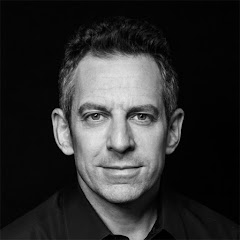 Sam Harris
Want to know something specific about what's covered?
We've already dissected every moment. Ask and we will deliver (with timestamps).
Key Moments
Psychedelics offer profound insights into selfhood when used responsibly, with set, setting, and guidance being crucial.
Key Insights
Psychedelics can be powerful tools for self-discovery, but require careful consideration of set, setting, and dosage.
Microdosing offers subtle enhancements to daily life without significant psychedelic effects, potentially aiding focus and mood.
The concept of a unified self is a fiction; psychedelics can reveal diverse states of self and enhance compassion.
Responsible use involves understanding personal readiness, intentions, and potential risks, especially with high doses.
The role of a guide is crucial for safety and integration during high-dose psychedelic experiences.
MDMA, while distinct from classical psychedelics, offers unique therapeutic benefits for processing trauma.
PERSONAL JOURNEY WITH PSYCHEDELICS
James Fadiman shares his initial encounter with psychedelics in the early 1960s, facilitated by Richard Alpert. This experience, involving psilocybin, expanded his awareness and shifted his perspective. This foundational experience led him to pursue graduate work at Stanford, where he continued his exploration of psychedelic therapy before its illicit status halted research. After a period in other careers, Fadiman returned to psychedelic research, focusing significantly on microdosing and contributing to the understanding of their effects.
RESPONSIBLE USE AND CONTRAINDICATIONS
Fadiman emphasizes that while psychedelics hold great promise, responsible use is paramount. He advises against taking psychedelics if an individual has any strong reservations, highlighting that personal intuition is a crucial guide. While research typically excludes individuals with histories of psychosis, schizophrenia, or bipolar disorder due to potential risks, Fadiman notes that citizen science suggests nuanced effects, with some bipolar individuals finding benefit in depressive phases but cautioning against use during manic phases.
THE CRITICAL ROLE OF SET AND SETTING
The concepts of 'set' (mental attitude and intention) and 'setting' (physical environment and social context) are fundamental to a positive and productive psychedelic experience. Fadiman stresses the importance of feeling safe, private, and well-informed about the substance and dosage. Including a guide or 'sitter' is highly recommended for high-dose experiences to ensure support and facilitate navigation through challenging moments, acting as a calm anchor in the midst of altered states of consciousness.
UNDERSTANDING DOSAGE AND SUBSTANCE DIFFERENCES
Fadiman differentiates psychedelic experiences based on dosage, outlining effects from mild enhancement (25-50 micrograms of LSD) to profound mystical experiences (200-400 micrograms). He notes that while LSD and psilocybin share commonalities, psilocybin is often described as gentler. The duration also varies, with LSD trips lasting longer. MDMA, distinct from psychedelics, is highlighted for its ability to facilitate deep emotional processing and trauma work by creating a safe inner space for confronting difficult memories without dissociation.
THE PHENOMENON OF MICRODOSING
Microdosing involves taking sub-perceptual doses, typically one-tenth to one-twentieth of a recreational dose, aimed at enhancing daily functioning without inducing significant psychedelic effects. Individuals often report improved focus, creativity, and mood, alongside increased productivity and enjoyment of social interactions. Fadiman notes that users tend to self-regulate dosage and frequency, often finding benefits within the first month and requiring less frequent administration over time, indicating it is not addictive.
BEYOND THE UNIFIED SELF: STATES OF BEING
Fadiman discusses the idea that the notion of a singular, unified self is a construct. Psychedelics can reveal the fluid nature of consciousness, demonstrating different 'states of self' or even multiple facets of selfhood. This experience of interconnectedness and the dissolution of ego boundaries can lead to profound insights and increased compassion. Returning to ordinary consciousness after such experiences can offer a unique perspective on one's personal identity and life situation, inviting a recalibration of priorities and behaviors.
Mentioned in This Episode
●Organizations
●Books
●Drugs & Medications
●People Referenced
LSD Dosage Spectrum
Data extracted from this episode
| Dosage (Micrograms) | Effect | Typical Use |
|---|---|---|
| 25 | Very Mild Psychedelic Effects | Exploratory |
| 50-100 | Museum/Concert Dose | Appreciating art and music |
| 100 | Hard-Nosed Scientific Research | Breakthroughs attributed to this dose |
| 100-200 | Psychotherapeutic | Can be used with a therapist |
| 200-400 | Transcendent/Mystical/Unity Experience | Loss of primary identification with self |
| >400 | Profound Mystical Experience | Extreme alterations in self-perception |
Psilocybin Dosage Estimate (Mushrooms)
Data extracted from this episode
| Dosage (Grams) | Effect |
|---|---|
| 3-5 | Fairly Expansive Trip |
| More than 5 | Potentially too much, may stop bringing useful information |
Microdosing Dosage Estimates
Data extracted from this episode
| Substance | Dosage |
|---|---|
| LSD | 10 micrograms (original research), 7.2 micrograms (later reports) |
| Mushrooms (Psilocybin) | 0.2 to 0.5 grams (original research) |
| General Microdose | 1/10th to 1/20th of a recreational dose |
Common Questions
Microdosing involves taking very small, sub-perceptual doses of psychedelics (typically 1/10th to 1/20th of a recreational dose) with the aim of enhancing cognitive function, creativity, mood, and overall well-being without inducing a full psychedelic experience. People report improved work performance, increased energy, and better social interactions.
Topics
Mentioned in this video
The later name of Richard Alpert, who was an early psychedelic researcher and spiritual teacher.
Author of 'How to Change Your Mind', who noted the emergence of psychedelic guides and the International Guild of Guides.
Psychologist and proponent of psychedelic drugs, who presented with Aldous Huxley and Richard Alpert.
Co-author of the book 'Your Symphony of Selves' with James Fadiman.
Host of the Making Sense podcast, discussing psychedelics and the self.
Known later as Ram Dass, he introduced James Fadiman to psychedelics.
Psychologist and early researcher on psychedelics, particularly known for his work on microdosing. Author of 'The Psychedelic Explorer's Guide' and 'Your Symphony of Selves'.
Author who presented with Richard Alpert and Tim Leary about psychedelics.
An ethnobotanist and mystic known for his advocacy of psychedelic substances, mentioned regarding his feelings of fear around tripping.
University where James Fadiman obtained his degrees.
University where James Fadiman obtained his degrees and later discovered a professor working with psychedelics.
An organization formed in the Netherlands for people experienced in guiding psychedelic experiences.
Ecstasy, discussed as not a classic psychedelic but a substance with significant therapeutic value for trauma processing.
Lysergic acid diethylamide, a potent psychedelic drug discussed extensively for its effects, duration, and comparison to psilocybin.
A psychedelic compound found in magic mushrooms, discussed as one of the primary substances used in research and exploration.
A psychoactive brew from South America, mentioned as a type of psychedelic experience. The dosage and effects can be different from LSD or psilocybin.
A book by Aylit Waldman about her experiences with a month of microdosing.
A book co-authored by James Fadiman and Jordan Gruber about the nature of the self.
A book by James Fadiman detailing how to be a good journeyer and how a guide should behave.
More from Sam Harris
View all 304 summaries 30 min
Can AI Cure Loneliness?
 25 min
Why Is Everyone So Unhappy?
 27 min
Is America Heading for a Debt Crisis? An Economist Explains
 27 min
Is America Heading for a Debt Crisis? An Economist Explains
Ask anything from this episode.
Save it, chat with it, and connect it to Claude or ChatGPT. Get cited answers from the actual content — and build your own knowledge base of every podcast and video you care about.
Get Started Free