Key Moments
Mushrooms for the Mind & Immune System | Paul Stamets
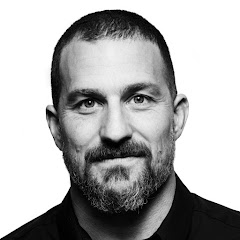 Andrew Huberman
Key Moments
Mushrooms offer powerful immune support and cognitive enhancement, with psilocybin showing revolutionary potential for mental health, but careful research and regulation are crucial.
Key Insights
Fungi share a common ancestor with animals, with mycelial networks forming complex ecosystems that influence human health.
Certain mushrooms, like Agaricon and Turkey Tail, have demonstrated an ability to enhance vaccine efficacy and reduce adverse reactions, and triple antibody reservoirs.
Psilocybin, particularly at heroic doses (4-5 grams), shows significant promise in treating depression, addiction, and PTSD, increasing neuroplasticity and reducing cravings by up to 90% for tobacco addiction.
Microdosing psilocybin (0.1-0.3 grams) may improve mood, depression, anxiety, and psychomotor function, with novel combinations like the 'Stamets Stack' showing enhanced benefits.
Lion's Mane and Cordyceps mushrooms may enhance cognition and memory over time by increasing NGF and oxygen uptake, though research is ongoing.
Fungi possess remarkable mycoremediation capabilities, effectively breaking down hydrocarbons and filtering bacteria, but struggle with persistent pollutants like dioxins and plastics.
The ancient connection between fungi and animal life
Fungi and animals share a common superkingdom, Opisthokonta, with fungi evolving to absorb nutrients externally via mycelial networks, while animals evolved to encapsulate nutrients internally. These vast underground mycelial networks, extending for miles within a cubic inch of soil, create complex microbiomes that support biodiversity and have co-evolved with bacteria for mutual survival. This intricate web of life, which underpins our food chains and ecosystems, demonstrates a sophisticated natural intelligence that Stamets believes can inform and upregulate our own natural immunity and understanding of health.
Mushrooms as natural pharmacies for immune defense
Fungi possess inherent defense mechanisms against pathogens, producing compounds like penicillin. Stamets' research, particularly highlighted by the 'BioShield' program after 9/11, revealed the potent antiviral properties of certain mushrooms, especially against weaponizable viruses like smallpox and influenza. His work with Agaricon, a long-lived mushroom from old-growth forests, and Turkey Tail, showed significant promise. Clinical studies demonstrated that a combination of Agaricon and Turkey Tail mycelium fermented on rice could enhance mRNA vaccine efficacy, reduce vaccine side effects by up to 70%, and triple antibody reservoirs against COVID-19 after just four days of use. This suggests a mechanism of upregulating immunity to a higher state of readiness while simultaneously tempering overreactions like cytokine storms, a crucial balance for immune health.
Psilocybin's revolution in mental health and neuroplasticity
Psilocybin, the psychoactive compound in magic mushrooms, is emerging as a paradigm-shifting medicine for mental health. Clinical trials indicate its efficacy in treating treatment-resistant depression, OCD, and addiction, with studies showing up to a 90% success rate in tobacco cessation compared to the nicotine patch. Psilocybin is believed to increase neuroplasticity by promoting synaptogenesis, forming new neural pathways that can help break addictive behaviors and rumination cycles. A 'heroic dose' (4-5 grams) often induces profound, ego-dissolving experiences, described as connecting with nature and the universe, which are highly predictive of positive therapeutic outcomes, particularly for PTSD and end-of-life anxiety. The therapeutic experience, guided by qualified therapists and community support, is deemed critical for directing these neuroplastic changes towards healing.
Microdosing and the 'museum dose' for daily well-being
Beyond therapeutic doses, microdosing psilocybin (typically 0.1-0.3 grams) and the 'museum dose' (around 0.5 grams) offer potential for cognitive enhancement and improved daily function. Studies, including large-scale citizen science initiatives, suggest microdosing can improve mood, reduce depression and anxiety, and enhance psychomotor function, as evidenced by increased finger-tapping speed. The 'Stamets Stack,' combining psilocybin, niacin, and Lion's Mane, has shown particular promise in improving neurological function, potentially enhancing blood flow and dendritic spine growth. While subjective, these lower doses aim to provide subtle, non-intoxicating benefits, with the 'museum dose' offering a temporary lift in perception and sensory experience.
Cognitive enhancers: Lion's Mane and Cordyceps
Non-psychedelic mushrooms like Lion's Mane and Cordyceps are gaining attention for their cognitive benefits. Lion's Mane is thought to promote nerve growth factor (NGF), aiding in neural regeneration and memory. Cordyceps has been linked to increased oxygen uptake and athletic performance. While research is ongoing and often requires chronic use to see significant effects, these fungi are considered valuable for daily cognitive support and maintaining brain health over time, potentially through mechanisms involving blood flow and neuronal activity.
Fungi's role in environmental remediation and bio-security
Mycelium demonstrates remarkable mycoremediation capabilities, effectively breaking down hydrocarbons like diesel and oil spills into fungal sugars. Oyster mushrooms, for instance, have been shown to significantly reduce pollutants in contaminated soils. Mushroom farm waste substrates are also potent sources of enzymes for breaking down complex molecules. However, fungi face challenges with persistent pollutants like dioxins, PCBs, and plastics, as they tend to prioritize more readily available food sources. Despite these limitations, mycelial networks show promise in microfiltration of bacteria and sequestration of radioactive particles. Stamets emphasizes that investing in fungal biodiversity is crucial for bio-security, especially in the face of emerging pandemic threats like H5N1 bird flu.
Electrical signaling and the 'tryptamine universe' hypothesis
Stamets postulates that mycelial networks function as 'myco-computers,' transmitting electrical signals in discrete 'word packets.' This conductive nature suggests a form of intelligence and communication within fungal networks, and potentially with other organisms. He proposes that we might live in a 'tryptamine universe,' filled with molecules like tryptophan and serotonin, suggesting a universal consciousness and interconnectedness. This concept, while speculative, aligns with indigenous wisdom and is supported by the discovery of tryptophan precursors on asteroids, hinting at the widespread presence of these fundamental molecules throughout the cosmos. This perspective encourages a deeper appreciation for nature's intelligence and our place within it.
Actionable steps for longevity and well-being
Beyond fungi, Stamets advocates for simple, actionable health practices, such as consistent push-ups (a Harvard study suggests 40 push-ups three times a week can reduce cardiac arrest risk by 97%) and maintaining a positive mindset. He emphasizes that happiness acts as an anti-inflammatory and immune-boosting force. Stamets, at 71, attributes his vitality and lack of cognitive decline to his use of mushrooms and an active lifestyle, highlighting the profound impact of nature's intelligence and our own innate capacity for health and creativity.
Mentioned in This Episode
●Supplements
●Software & Apps
●Companies
●Organizations
●Books
●Drugs & Medications
●Concepts
●People Referenced
Common Questions
Fungi are multicellular organisms that digest nutrients externally. Their mycelial networks form complex microbiomes in soil, interacting with millions of bacteria species. This biodiversity creates sustainable ecosystems and represents a 'natural intelligence' that some AI experts are now exploring for new data sources. Stamets suggests natural intelligence will always exceed artificial intelligence due to this complexity.
Topics
Mentioned in this video
Also known as bird flu, a highly pathogenic avian influenza virus that has jumped to 90 mammal species with a high fatality rate if it infects humans, posing a significant pandemic threat.
An antibiotic produced by fungi, mentioned as an example of fungi's natural defense mechanisms against bacteria and its discovery from a moldy cantaloupe.
The psychoactive metabolite of psilocybin, which is a prodrug for psilocin. Discussed as a vasoconstrictor.
A psychedelic substance that is being considered for FDA approval, alongside psilocybin and MDMA.
Common pain reliever, mentioned as an example of a medicine whose mechanism of action was unknown for decades despite its widespread use.
An empathogen moving towards FDA approval for conditions like PTSD and depression, also discussed for its potential in couples therapy and treating younger people.
A psychedelic compound found in certain mushrooms, extensively discussed for its therapeutic potential in mental health, neuroplasticity, and as an anti-addictive substance.
An amino acid found on asteroid Bennu, noted for being a precursor to serotonin and tryptamines, leading to the hypothesis of a 'tryptamine universe.'
A common bracket mushroom (Trametes versicolor) used in combination with Agarikon in clinical trials for immune support, vaccine enhancement, and reducing adverse effects.
Also known as Vitamin B3, specifically the flushing form, which is a vasodilator. Paul Stamets believes it acts as a 'force multiplier' when bundled with psilocybin, enhancing blood flow to neurons and augmenting dendritic spine formation.
A long-living mushroom (Fomitopsis officinalis) growing in old-growth forests, historically used as an 'elixir of long life' and shown in studies to have broad-spectrum antiviral properties, including against COVID-19 and poxviruses, and to enhance vaccine efficacy.
A polyphenol found in Agarikon, also an active molecule against smallpox, but less effective when isolated.
A genus of fungi, particularly Cordyceps militaris, discussed for its ability to increase adenosine and oxygen uptake, potentially enhancing athletic performance and cognition over time.
A neurotransmitter, for which tryptophan is a precursor, hypothesized to be present throughout the universe as a 'happiness molecule.'
A mushroom (Hericium erinaceus) discussed for its potential cognitive benefits, including enhancing neuroplasticity and memory, often bundled with psilocybin and niacin in the 'Stamets Stack'.
Host of the Huberman Lab podcast, professor of neurobiology and ophthalmology at Stanford School of Medicine.
Mycologist considered the father of modern applied mycology, studying fungi applications for health, cognition, and immune function.
Scientist credited with the discovery of penicillin, though industrialization required Mary Hunt's strain.
Former Republican governor of Texas, who joined efforts to accelerate psychedelic therapies towards FDA approval, showing bipartisan support.
Author of 'The Crack in the Cosmic Egg', a book that influenced Paul Stamets' perspective on scientific knowledge and ignorance.
Ethnobotanist known for his theories on psychedelics and human evolution, mentioned in context of the 'bizarre and edgy stuff' related to primate mushroom consumption.
Virologist from the University of Wisconsin Medical School who collaborated with Paul Stamets on antiviral properties of mushrooms, specifically isolating RC183 from gypsy mushrooms against herpes viruses.
Pioneer in modern psychedelic research at Johns Hopkins, who unfortunately passed away, led significant studies on psilocybin.
Co-founder of Roots to Thrive and a colleague of Paul Stamets, involved in publishing research on psilocybin and its effects.
Swiss chemist who first synthesized psilocybin in 1958, establishing its lineage as a molecule.
Astronomer who was opposed by the church, mentioned as an example of scientists pushing boundaries and facing resistance.
Professor at Harvard whose lab is showing mechanistic understanding of acupuncture's effects.
Founder of MAPS (Multidisciplinary Association for Psychedelic Studies), a key figure in advancing psychedelic-assisted therapies towards FDA approval.
Co-author on papers regarding Agarikon and Turkey Tail studies, part of the research team.
Co-author on papers regarding Agarikon and Turkey Tail studies, part of the research team.
Co-author on papers regarding Agarikon and Turkey Tail studies, part of the research team.
Discoverer of a cantaloupe strain of Penicillium chrysogenum that produced 200 times more penicillin, enabling its industrialization.
Professor from Florida who studies natural products and compounds in their whole form, whose views on bioprospecting align with Paul Stamets'.
Renowned virologist from the USDA, co-author on research demonstrating mushroom extracts reducing viruses in honeybees.
A nonprofit in Canada that uses psilocybin in a group therapy model for end-of-life anxiety and other mental health conditions, emphasizing therapeutic support.
University where Roland Griffiths led significant research on psilocybin, including a retrospective study on positive and difficult experiences.
Andrew Huberman's academic affiliation where he is a professor of neurobiology and ophthalmology.
The U.S. Food and Drug Administration, involved in approving research and clinical trials, and setting regulations for natural products and pharmaceuticals.
Institute at the University of California, San Diego, involved in privately funding clinical studies on Agarikon and Turkey Tail for COVID-19.
The U.S. space agency that sent a probe to asteroid Bennu to retrieve dust samples.
Medical institution involved in privately funding clinical studies on Agarikon and Turkey Tail for COVID-19.
University where Paul Stamets' colleagues conducted research on reducing viruses in honeybees using mushroom extracts.
Government body that funds scientific research, including studies on meditation, breathwork, and acupuncture, as well as Paul Stamets' research.
United States Department of Agriculture, mentioned with renowned virologist Jay Evans as co-authors on honeybee virus research.
Research and development organization where Paul Stamets worked on mycoremediation projects, successfully breaking down bunker C oil using oyster mushrooms.
A research group based in British Columbia that conducted a large self-report study on microdosing psilocybin with over 25,000 participants.
A book by Joseph Chilton Pearce, mentioned by Paul Stamets as one of his favorite books that helped him realize the enormity of his ignorance in science.
A book by Paul Stamets where he postulated that mycelium could function as microcomputers and advocated for mushroom farms to be reinvented as mycoremediation supply centers.
A scientific journal where results for vaccine enhancement using Agarikon and Turkey Tail were published.
Scientific journal where Paul Stamets and colleagues published two observational studies on microdosing psilocybin, highlighting improvements in mood, depression, and anxiety, as well as psychomotor benefits.
Scientific journal in which Paul Stamets' team published that fermented mycelium on rice stimulates anti-inflammatory cytokines Interleukin-10 and Interleukin-1 RA.
Shipping company used by Paul Stamets to send gypsy mushrooms to Dr. Frank Panov for antiviral research.
Pharmaceutical company that produces mRNA vaccines, which showed enhanced efficacy when combined with Agarikon and Turkey Tail.
Pharmaceutical company that produces mRNA vaccines, which showed enhanced efficacy when combined with Agarikon and Turkey Tail.
Vaccines from Pfizer and Moderna that showed enhanced efficacy and reduced adverse reactions when combined with Agarikon and Turkey Tail in clinical studies.
A combination proposed by Paul Stamets, consisting of psilocybin (or psilocin), niacin (flushing form), and Lion's Mane mushroom mycelium, hypothesized to enhance neuroplasticity and cognitive benefits.
More from Andrew Huberman
View all 427 summaries 39 min
Essentials: How Emotions & Social Factors Impact Learning | Dr. Mary Helen Immordino-Yang
 137 min
Overcome Addictions and Obsessions of All Kinds | Dr. Anna Lembke
 39 min
Essentials: Cold & Heat Exposure for Metabolic Health | Dr. Susanna Søberg
 35 min
Essentials: How Smells Influence Our Hormones, Health & Behavior | Dr. Noam Sobel
Ask anything from this episode.
Save it, chat with it, and connect it to Claude or ChatGPT. Get cited answers from the actual content — and build your own knowledge base of every podcast and video you care about.
Get Started Free