Key Moments
AMA #16: Sleep, Vertigo, TBI, OCD, Tips for Travelers, Gut-Brain Axis & More
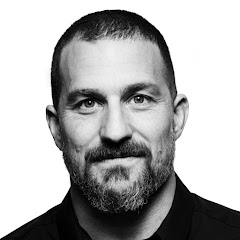 Andrew Huberman
Want to know something specific about what's covered?
We've already dissected every moment. Ask and we will deliver (with timestamps).
Key Moments
Huberman discusses sleep, vertigo, TBI, OCD, travel tips, gut-brain axis, and fish oil.
Key Insights
Prioritize morning sunlight, exercise, and social engagement for circadian rhythm regulation.
Five to six hours of sleep may be sufficient if quality is good and daytime energy is maintained.
Vertigo is likely an inner ear or visual system issue; fixating on a distant point can help.
Neuroplasticity allows for recovery from TBI and poor lifestyle choices; focus on present habits.
OCD involves miswiring in the basal ganglia and reward system, treatable with behavioral and pharmacological interventions.
Fish oil, particularly EPA, can offer mild to moderate antidepressant effects and supports brain health.
Regular hormone level checks (annually after 40) establish baselines and monitor health.
NSDR can accelerate recovery after intense workouts, but avoid overtraining.
Optimize gut-brain axis with sleep, probiotics (fermented foods), sufficient fiber, and avoiding antiseptic overuse.
Gentle tongue brushing with a separate soft toothbrush is recommended over aggressive scraping.
OPTIMIZING HEALTH WHILE TRAVELING
Andrew Huberman emphasizes maintaining key health pillars even while traveling, such as getting morning sunlight, using red light bulbs in the evening to reduce cortisol and aid sleep, and staying regimented with exercise. He highlights the 'quadfecta' of shifting circadian rhythms: morning sunlight, movement, social engagement, and caffeine/breakfast. For stress management, he recommends Non-Sleep Deep Rest (NSDR) protocols and notes that new NSDR scripts with Sydney backdrops will be available.
UNDERSTANDING SLEEP QUANTITY AND QUALITY
Regarding sleep, Huberman clarifies that five to six hours might be sufficient if one experiences no excessive daytime sleepiness and functions well. He introduces Matt Walker's QQRRT framework: Quality, Quantity, Regularity, and Timing. While quantity is important, the quality (uninterrupted sleep, ample deep and REM sleep) and regularity are crucial. He advises against over-reliance on sleep trackers, suggesting subjective feeling as a primary indicator, and recommends NSDR to compensate for missed sleep.
ADDRESSING VERTIGO AND BRAIN INJURY
Vertigo, a spinning sensation, is distinguished from lightheadedness and is typically linked to inner ear or visual system disruptions. Huberman explains the vestibulo-ocular reflex and suggests fixating on a distant point or a finger moved towards the nose to help recalibrate the system. For Traumatic Brain Injury (TBI), he stresses the importance of foundational health practices like sleep and mentions potential benefits of hyperbaric chambers and slight elevation of sleeping position to improve glymphatic outflow. He cautions against excessive anti-inflammatory supplement use.
NEUROPLASTICITY AND RECOVERY
Huberman reassures listeners that the brain is robust and capable of neuroplasticity, allowing for recovery from past poor lifestyle choices, TBI, or poor diet. He advises against dwelling on past mistakes and encourages focusing on present actions. For OCD, he explains it as a miswiring in the basal ganglia and reward system, where compulsions can exacerbate obsessions. Effective treatment involves a combination of pharmacological interventions (like SSRIs) to facilitate neuroplasticity and specific behavioral strategies, potentially including TMS.
CIRCADIAN RHYTHM ADJUSTMENT AND SUPPLEMENTATION
For shifting circadian rhythms, especially for travel, Huberman suggests getting bright light exposure a couple of hours before the usual wake-up time for two days prior to travel, even if returning to sleep. He emphasizes avoiding bright light before the natural temperature minimum. Regarding fish oil, he advocates for its benefits for brain and body health, particularly emphasizing the importance of EPA for mood regulation, and suggests specific dosage ranges. He also touches upon the importance of managing Omega-3 to Omega-6 ratios.
HORMONE MONITORING AND GUT-BRAIN AXIS OPTIMIZATION
Huberman recommends checking hormone levels once a year after age 40, and periodically before that, to establish baselines and monitor health markers like testosterone, estrogen, cortisol, and cholesterol. He outlines key hormones to test and notes the importance of timing relative to the menstrual cycle for women. To optimize the gut-brain axis, he stresses adequate sleep, mindful antibiotic use, regular intake of low-sugar fermented foods for probiotics, sufficient fiber, and avoiding excessive antiseptic usage.
EXERCISE RECOVERY AND ORAL HEALTH
Doing NSDR after workouts is encouraged for recovery, but Huberman advises against overtraining, suggesting users listen to their bodies and leave some energy in reserve. He emphasizes that consistency and avoiding injury are paramount in fitness. In oral health, he reinforces the dentists' consensus: brush and floss teeth, especially before bed, and avoid alcohol-based mouthwashes. Gentle tongue brushing with a separate soft toothbrush is recommended over aggressive scraping to maintain a healthy oral microbiome, which is linked to systemic health including cardiovascular and brain function.
Mentioned in This Episode
●Supplements
●Products
●Companies
●Organizations
●Books
●Concepts
●People Referenced
Optimizing Health While Traveling & General Wellness Tips
Practical takeaways from this episode
Do This
Avoid This
Common Questions
Prioritize morning sunlight, use red light in the evening, maintain exercise, engage socially, and manage stress with practices like NSDR. Adapting to local meal schedules can also help.
Topics
Mentioned in this video
A neurologist who advised the speaker on consistent work habits, emphasizing sustainability over extreme hours.
Professor at Stanford discussed in relation to optimizing the gut-brain axis and the importance of microbiome diversity.
Host of the Huberman Lab podcast, discussing science-based tools and protocols.
An MD and neurologist who was a guest on a Huberman Lab podcast episode about Traumatic Brain Injury (TBI).
Institution where Dr. Marc Despasito is currently based and where he trained the speaker.
Institution where Dr. Marc Despasito received his original neurological training.
University where Ali Crum's Lab is located, researching the effects of sleep scores on performance.
More from Andrew Huberman
View all 405 summaries 33 min
Essentials: How to Access Your Creativity | Rick Rubin
 130 min
Episode 294 Ralph Adolphs
 35 min
Essentials: How to Optimize Female Hormone Health for Vitality & Longevity | Dr. Sara Gottfried
 129 min
Using AI to Increase Your Intelligence & Enrich Humanity | Dr. Fei-Fei Li
Ask anything from this episode.
Save it, chat with it, and connect it to Claude or ChatGPT. Get cited answers from the actual content — and build your own knowledge base of every podcast and video you care about.
Get Started Free