Key Moments
#39 – Ted Schaeffer, M.D., Ph.D.: How to catch, treat, and survive prostate cancer
 Peter Attia MD
Want to know something specific about what's covered?
We've already dissected every moment. Ask and we will deliver (with timestamps).
Key Moments
Guidance on prostate cancer detection, treatment, and survival, including screening controversies and research.
Key Insights
Prostate cancer screening involves PSA tests and DREs, with personalized risk assessment crucial.
Active surveillance is a viable option for low-risk prostate cancer, balancing treatment risks with cancer progression.
Treatment options like surgery and radiation have associated side effects that require careful consideration.
Understanding the biology of cancer is evolving, driving new research into more effective and less toxic therapies.
The debate around mass screening highlights the need to balance early detection benefits against overtreatment risks.
Emerging research focuses on genomic sequencing and targeted therapies for more precise cancer management.
THE NUANCES OF PROSTATE CANCER SCREENING
Dr. Ted Schaeffer emphasizes that prostate cancer screening is not a one-size-fits-all approach. The discussion centers on the PSA (Prostate-Specific Antigen) test and digital rectal exams (DREs) as primary tools. However, the interpretation of PSA levels is complex, with factors like age, family history, and race influencing risk. A key takeaway is the importance of personalized risk assessment rather than relying solely on arbitrary thresholds, addressing the controversy around 'mass screening' and its potential for overtreatment.
BALANCING ACTIVE SURVEILLANCE AND TREATMENT
For men diagnosed with low-risk prostate cancer, active surveillance is presented as a prudent strategy. This approach involves regular monitoring of the cancer's progression without immediate intervention, thereby avoiding the potential side effects of treatments like surgery or radiation. The decision to pursue active surveillance requires careful consideration of the cancer's aggressiveness (e.g., Gleason score) and the patient's overall health and preferences, aiming to mitigate the risks of overtreatment.
UNDERSTANDING TREATMENT MODALITIES AND SIDE EFFECTS
The conversation delves into the primary treatment options for prostate cancer: surgery (prostatectomy) and radiation therapy. Both methods aim to eradicate cancer cells but come with potential side effects. These can include urinary incontinence and erectile dysfunction, significantly impacting a patient's quality of life. Dr. Schaeffer stresses the need for patients to be fully informed about these risks and for the chosen treatment to be tailored to individual needs and circumstances, prioritizing preservation of function where possible.
EVOLVING UNDERSTANDING OF CANCER BIOLOGY
The dialogue touches upon the fundamental shifts in our understanding of cancer. It's no longer viewed as a single disease but a complex group of disorders driven by genetic mutations. This evolving perspective is crucial for developing more targeted and effective therapies. The focus is moving towards personalized medicine, where treatments are guided by the specific molecular profile of an individual's cancer, leading to better outcomes and fewer systemic side effects.
FUTURE DIRECTIONS AND PROMISING RESEARCH
Exciting areas of research are highlighted, particularly in the realm of precision oncology. Genomic sequencing of tumors is becoming increasingly important, allowing oncologists to identify specific mutations and vulnerabilities. This opens doors for targeted therapies and immunotherapies that can more precisely attack cancer cells while sparing healthy tissue. Dr. Schaeffer expresses optimism about the potential of these advanced research avenues to revolutionize prostate cancer treatment in the coming years.
THE CONTROVERSY OF MASS SCREENING ADDRESSED
A significant portion of the discussion addresses the ongoing debate surrounding the benefits and harms of widespread prostate cancer screening. While early detection can be life-saving for some, it can also lead to the identification of indolent cancers that may never cause harm. This leads to the risk of overtreatment, subjecting men to unnecessary procedures and their associated side effects. The consensus leans towards shared decision-making, where patients and physicians collaboratively weigh the potential upsides and downsides of screening.
Mentioned in This Episode
●Products
●Software & Apps
●Companies
Common Questions
While the specific age for initial screening can vary, the discussion implies that early detection starts by considering individual risk factors and family history.
Topics
Mentioned in this video
More from Peter Attia MD
View all 333 summaries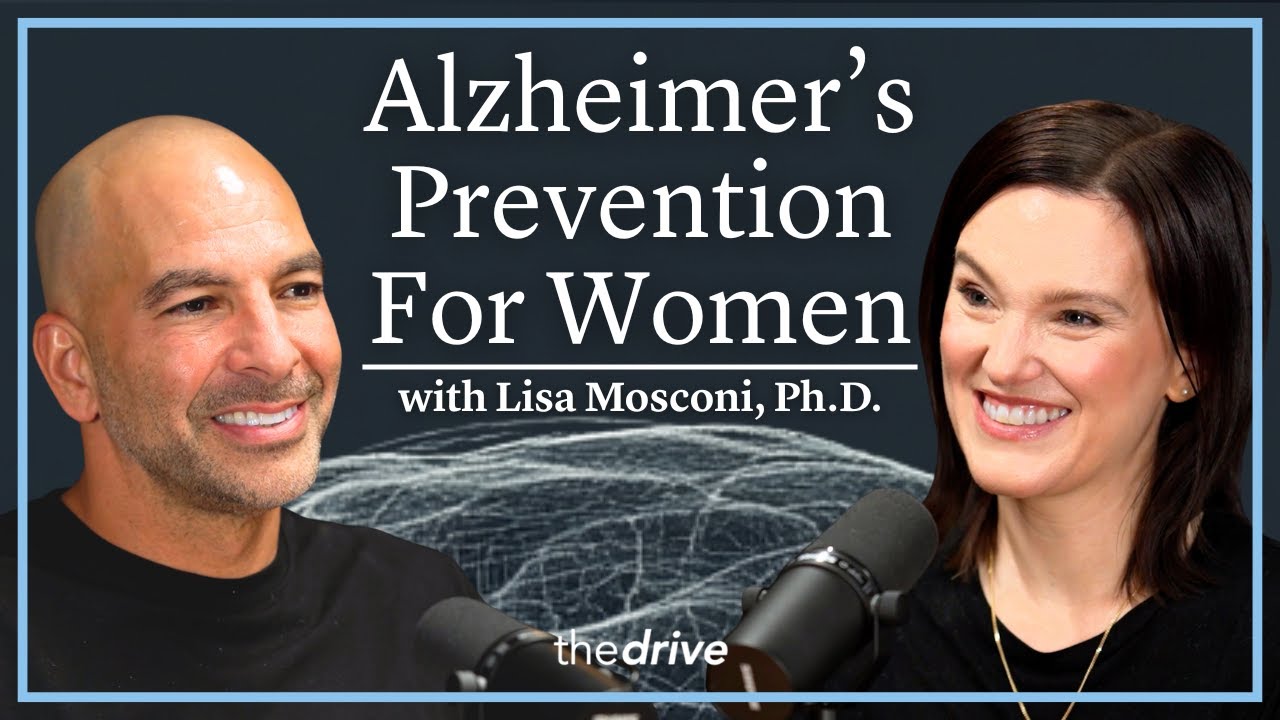 135 min
381‒Alzheimer’s disease in women: how hormonal transitions impact the brain, new therapies, & more
 9 min
9 minIs Industrial Processing the Real Problem With Seed Oils? | Layne Norton, Ph.D.
 13 min
Cooking with Lard vs Seed Oils | Layne Norton, Ph.D.
 146 min
380 ‒ The seed oil debate: are they uniquely harmful relative to other dietary fats?
Ask anything from this episode.
Save it, chat with it, and connect it to Claude or ChatGPT. Get cited answers from the actual content — and build your own knowledge base of every podcast and video you care about.
Get Started Free