Key Moments
368 ‒ The protein debate: optimal intake, limitations of the RDA, & whether high-protein is harmful
 Peter Attia MD
Want to know something specific about what's covered?
We've already dissected every moment. Ask and we will deliver (with timestamps).
Key Moments
Experts debate protein intake, questioning the RDA's sufficiency and exploring benefits/harms of higher protein, plus processed foods.
Key Insights
The current Recommended Dietary Allowance (RDA) for protein (0.8g/kg) may be insufficient for optimizing health and is based on minimal nitrogen balance in sedentary individuals, not thriving.
Higher protein intake (1.2-2.0g/kg) is generally safe and offers benefits for muscle mass, appetite control, and recovery, with no strong evidence of harm in healthy populations.
Nutrition science faces challenges due to complex methodology, emotional biases, economic incentives, and reliance on observational data, making definitive conclusions difficult.
The 'ultra-processed' food category is a useful heuristic for public health guidance but lacks a single scientific definition and may oversimplify complex dietary impacts.
While individual-level interventions are challenging, public health efforts in areas like smoking cessation have shown success, but efforts in nutrition and obesity struggle with intrinsic complexities and lack of novel approaches.
The future of nutrition science may involve AI for data analysis and potentially a shift towards broader public health solutions, including pharmaceutical interventions like GLP-1 agonists as default options.
THE HISTORICAL ARC OF NUTRITIONAL FOCUS
The discussion begins by framing the current focus on protein within a historical context of macronutrient demonization, moving from fats to carbohydrates and now to protein. This cyclical attention highlights how dietary trends are influenced by economic drivers, identity, and a tendency to seek out 'villains' and 'heroes' in food, rather than purely scientific consensus. This pattern is predictable, as food is deeply intertwined with culture and economics, creating constant interest and stakes.
THE RDA'S ORIGINS AND LIMITATIONS FOR PROTEIN
The conversation delves into the protein RDA of 0.8 grams per kilogram of body weight. This recommendation originated from studies demonstrating nitrogen balance in lean, sedentary young men, which is interpreted as a measure compatible with survival rather than optimal health. This raises questions about its applicability to diverse populations with different goals, such as active individuals, older adults, or those recovering from injury.
EVIDENCE ON HIGHER PROTEIN INTAKE AND HEALTH BENEFITS
Experts suggest that going beyond the RDA, towards 1.2-1.6 g/kg and even up to 2.0 g/kg, is generally safe and beneficial. This increased intake is associated with better body weight management, appetite control, muscle and bone strength, and improved recovery from injury. There's a lack of compelling evidence for harm, even in populations like those with chronic kidney disease, challenging the notion that higher protein is inherently detrimental.
CHALLENGES AND FUTURE OF NUTRITION SCIENCE
Nutrition science is fraught with methodological difficulties in collecting reliable human data, compounded by emotional and economic factors. The reliance on epidemiological studies, while necessary, is limited by confounding, measurement error, and selection biases. The future may see improvements through AI and more robust data collection, but overcoming the inherent complexities and emotional biases will be a slow process focused on scientific rigor and the process itself.
THE 'ULTRA-PROCESSED' FOOD DEBATE
The concept of 'ultra-processed' foods is explored as a popular, albeit controversial, classification. While often used as a public health heuristic, the lack of a single definition and the vast variability within the category make it a blunt tool. Arguments suggest that focusing on molecular composition rather than a food's 'ancestry' or processing level is more scientifically sound, but the heuristic may still be useful for guiding behavior by simplifying complex choices.
PUBLIC HEALTH STRATEGIES AND UNMET NEEDS
Public health interventions in nutrition and obesity have struggled with demonstrable, long-term success, unlike smoking cessation. This is attributed to the intrinsic challenge of eating for survival versus the ability to completely abstain from smoking. Intrinsic difficulties include human desire for freedom and variety, and a 'whack-a-mole' effect where compensatory behaviors undermine interventions. Radical new approaches are needed beyond well-trodden paths like school-based programs.
THE ROLE OF PHARMACEUTICALS AND FUTURE DIRECTIONS
The discussion touches upon the growing impact of pharmaceutical interventions, such as GLP-1 agonists, and their potential to become default options for managing obesity and metabolic health. This shift, alongside ongoing research, suggests a future where public health solutions might lean more towards medical interventions, especially as traditional public health strategies in nutrition show limited success. The complexity of individual goals versus societal recommendations remains a key challenge.
Mentioned in This Episode
●Supplements
●Organizations
●Books
●Concepts
●People Referenced
Common Questions
Protein has become a highly debated macronutrient, similar to how fats and carbohydrates have been viewed in the past. This contentiousness is fueled by various motivations, including economic interests, cultural values, and differing views on optimal health, leading to a polarized discussion.
Topics
Mentioned in this video
A researcher whose short-term cancer patient trials were cited in the context of high protein intake, though the studies did not show harm from higher protein.
A nutrition scientist and director of the Center for Science in the Public Interest, known for dramatically labeling fettuccine alfredo a 'heart attack on a plate' in the 1990s due to its saturated fat and sodium content.
A scientist and friend of David Allison who studies protein, mainly in mice, and suggested some references in response to a call for data on high protein harm.
A food scientist and author of 'A Fly in the Ointment,' who argues that the effect of substances in the body depends on their molecular structure, not their ancestry.
A leading thinker in obesity research, formerly at Yale and then Duke, who advocated for social movements to address the 'toxic food environment' and identified the food industry as the 'villain'.
More from Peter Attia MD
View all 337 summaries 118 min
Building strength and muscle mass: optimize training & nutrition for longevity (AMA #71 rebroadcast)
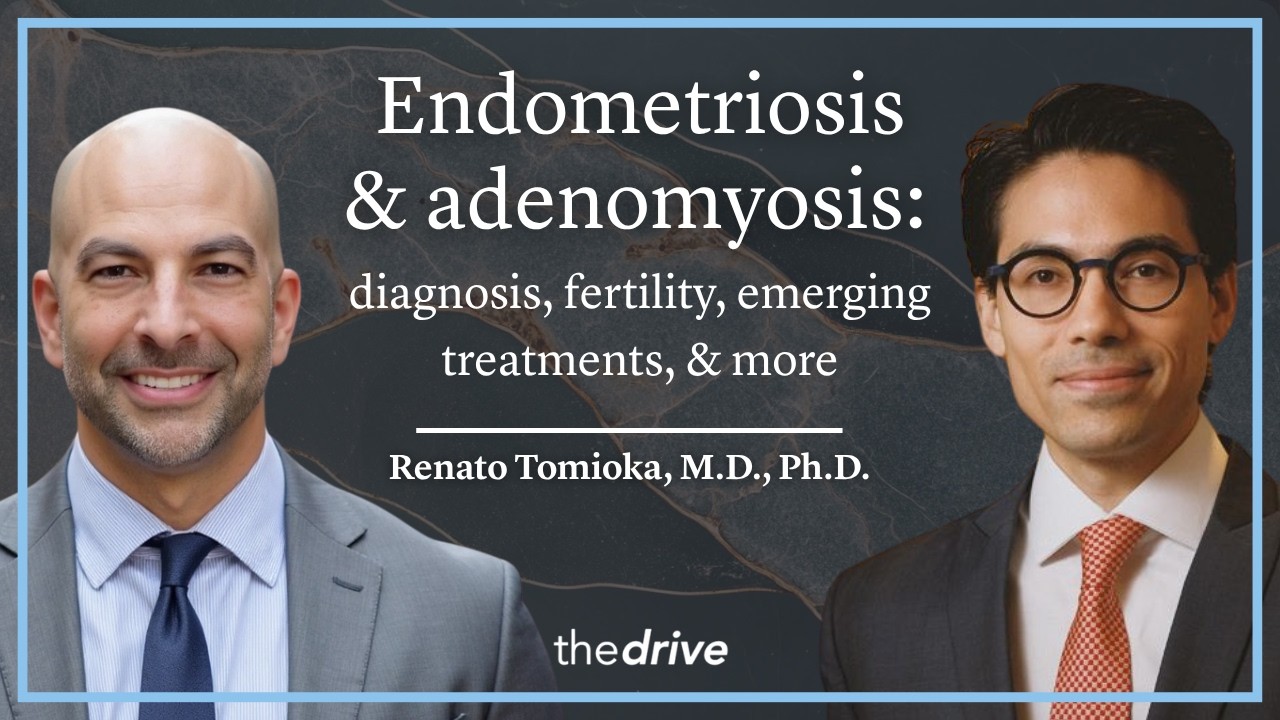 121 min
397 - Endometriosis and adenomyosis: diagnosis, fertility, reproductive aging, & emerging treatments
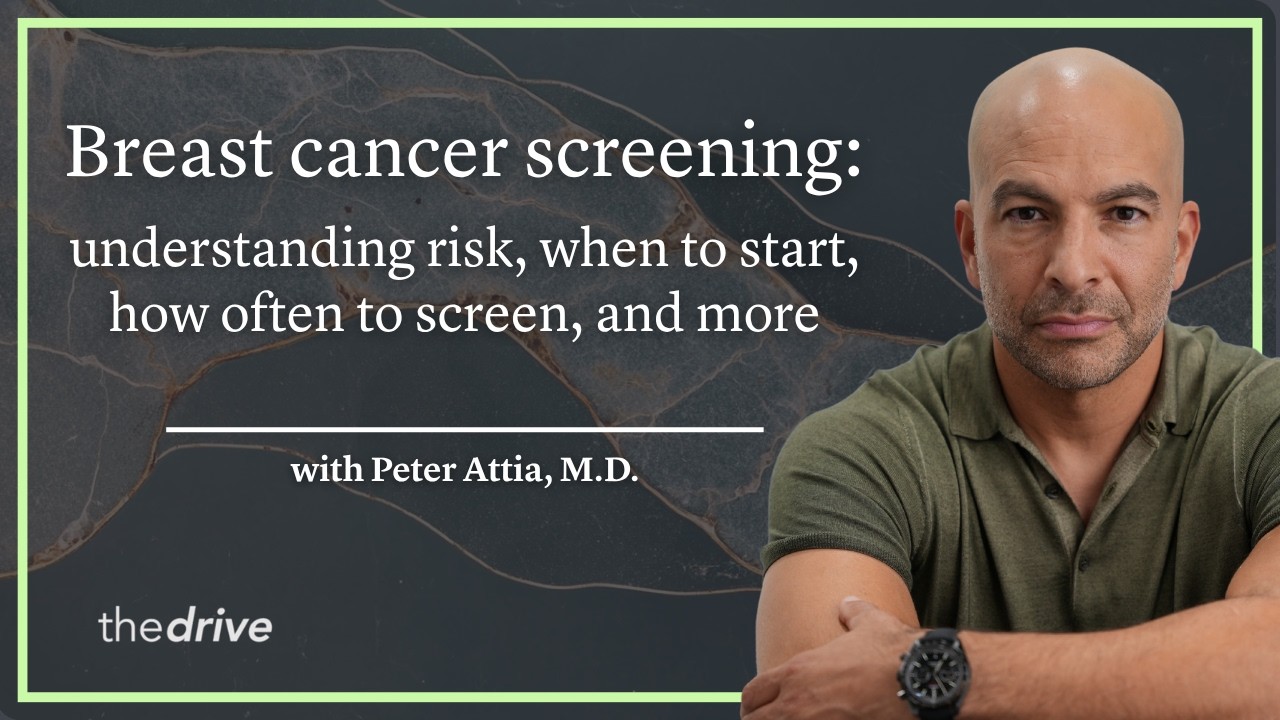 51 min
396 – Breast cancer screening: understanding risk, deciding when to start, and more
 105 min
395 – Brain lipidology: understanding APOE, cholesterol homeostasis, Alzheimer’s disease, & more
Ask anything from this episode.
Save it, chat with it, and connect it to Claude or ChatGPT. Get cited answers from the actual content — and build your own knowledge base of every podcast and video you care about.
Get Started Free