Key Moments
309 ‒ AI in medicine: its potential to revolutionize disease prediction, diagnosis, and outcomes
 Peter Attia MD
Want to know something specific about what's covered?
We've already dissected every moment. Ask and we will deliver (with timestamps).
Key Moments
AI is revolutionizing medicine, from prediction to diagnosis, driven by data, advanced algorithms, and computing power, with significant implications for healthcare delivery and human creativity.
Key Insights
AI's evolution from rule-based systems to deep learning and large language models has been enabled by massive datasets, advanced neural network architectures, and powerful GPU infrastructure.
In medicine, AI is already demonstrating expert-level performance in visual-based specialties like radiology and pathology, with potential to augment or even replace certain diagnostic tasks.
The integration of AI in healthcare faces challenges related to data access, privacy (HIPAA compliance), regulatory frameworks, and the need for new business models.
AI has the potential to personalize medicine, predict diseases years in advance (e.g., neurodegenerative diseases), and address the growing shortage of primary care physicians.
AI's impact extends beyond medicine, with potential to amplify human creativity and expression, but also risks magnifying societal issues like misinformation and cognitive chaos.
The future of medicine will likely involve a significant augmentation of healthcare professionals, with AI acting as a comprehensive assistant, and the creation of new, data-driven healthcare delivery models.
THE EVOLUTION OF ARTIFICIAL INTELLIGENCE
The conversation delves into the historical progression of Artificial Intelligence, from its early iterations in the 1980s with rule-based expert systems to the current era of deep learning and large language models (LLMs). Early AI, like MYCIN, relied on expert-defined rules but struggled with complexity and scalability. The second wave, characterized by rule-based systems, proved brittle and difficult to update. The current third wave is driven by three key advancements: the availability of massive online datasets (like ImageNet and digitized medical literature), the development of multi-level deep neural networks, and the parallel processing power of GPUs, initially popularized by video gaming.
AI'S EMERGING ROLE IN MEDICAL DIAGNOSIS AND VISUAL SPECIALTIES
AI, particularly convolutional neural networks running on GPUs, has demonstrated remarkable capabilities in visual-based medical specialties. In fields like radiology, pathology, and dermatology, AI models can now achieve expert-level accuracy in image recognition, such as identifying retinopathy from retinal scans. While these tools are not yet replacing doctors, they are augmenting their abilities by handling routine tasks, potentially speeding up diagnosis and improving efficiency, especially in areas facing physician shortages.
THE TRANSFORMER ARCHITECTURE AND LLMS IN MEDICINE
The introduction of the Transformer architecture, highlighted in the 'Attention Is All You Need' paper, marked a significant leap, leading to the development of powerful LLMs like GPT-4. These models excel at understanding context and relationships within data, moving beyond simple pattern recognition. In medicine, this multimodal capability allows AI to integrate image data with clinical notes and patient history, enhancing diagnostic accuracy. LLMs are also proving invaluable for administrative tasks, such as generating prior authorization letters, and for patient-driven diagnosis when access to human physicians is limited.
CHALLENGES AND OPPORTUNITIES IN AI IMPLEMENTATION
Despite AI's potential, its widespread adoption in medicine faces hurdles. Data privacy, particularly HIPAA compliance, is critical, necessitating secure, cloud-based platforms for AI processing. Regulatory frameworks are still evolving, with discussions around potential moratoriums and the challenge of balancing innovation with safety. Furthermore, creating sustainable business models and reimbursement systems for AI-enabled healthcare services remains a significant challenge, with a risk of the medical establishment resisting disruptive changes.
PREDICTIVE POWER AND PERSONALIZED MEDICINE
AI holds immense promise for early disease detection and personalized medicine, moving beyond current diagnostic capabilities. By analyzing vast, multimodal data—including retinal scans, voice patterns, and gait analysis—AI could predict neurodegenerative diseases like Alzheimer's years before symptoms manifest, enabling earlier, potentially reversible interventions. AI can also uncover subtle trends in patient data, identifying previously unrecognized conditions and improving outcomes, especially in areas like primary care and pediatrics where expertise is scarce.
THE FUTURE OF PHYSICIANS AND HEALTHCARE DELIVERY
The role of physicians is poised for transformation. While AI may augment or even replace certain specialized tasks, especially in diagnostics and procedural medicine, the need for human oversight and complex decision-making will persist. A significant opportunity lies in using AI to elevate the performance of all healthcare professionals to the level of the best, addressing widespread shortages in primary care and pediatrics. The emergence of new, data-driven, and patient-centric business models outside traditional hospital systems is anticipated to drive this evolution.
AI'S BROADER IMPACT: CREATIVITY, REGULATION, AND SOCIETY
Beyond medicine, AI's reach extends to amplifying human creativity and expression, enabling new forms of art, music, and literature. However, it also poses risks, such as magnifying social media's cognitive chaos and vitriol through sophisticated bots and misinformation campaigns. The debate over AI regulation is intensifying, with concerns ranging from existential threats to the more immediate issues of bias, job displacement, and the ethical implications of AI-generated content and interactions.
THE QUEST FOR IMMORTALITY AND DIGITAL LEGACIES
The conversation touches on the concept of digital immortality and the creation of AI replicas based on an individual's data. Companies are already exploring ways to capture and replicate personal data—audio, visual, and textual—to create AI personas that can interact and respond in a manner akin to the original person. This raises profound philosophical questions about consciousness, identity, and the potential for individuals to leave a digital legacy, offering a form of extended existence or a continuous presence for their descendants.
Mentioned in This Episode
●Software & Apps
●Companies
●Organizations
●Studies Cited
●Concepts
●People Referenced
Common Questions
Early rule-based AI systems, prevalent in the 1970s and 80s, were difficult to update and maintain. Programs like MYCIN relied on human experts to codify thousands of 'if-then' rules, which often interacted in unpredictable ways and needed constant fine-tuning to keep up with new medical knowledge, making them labor-intensive and brittle.
Topics
Mentioned in this video
A cloud platform offering a Hippa-covered version of GPT-4, allowing physicians to use patient data with consent.
The multiethnic study on atherosclerosis model for predicting major adverse cardiac events.
An AI system mentioned in the context of advancing computational capabilities beyond earlier rule-based systems.
A repository of full-text open-access medical literature funded by government grants.
An early rule-based expert system developed at Stanford by Ted Shortliffe as an antibiotic advisor, which had limitations due to its labor-intensive update process.
More from Peter Attia MD
View all 343 summaries 77 min
Blood pressure: how to measure, manage, and treat high blood pressure (AMA #48 rebroadcast)
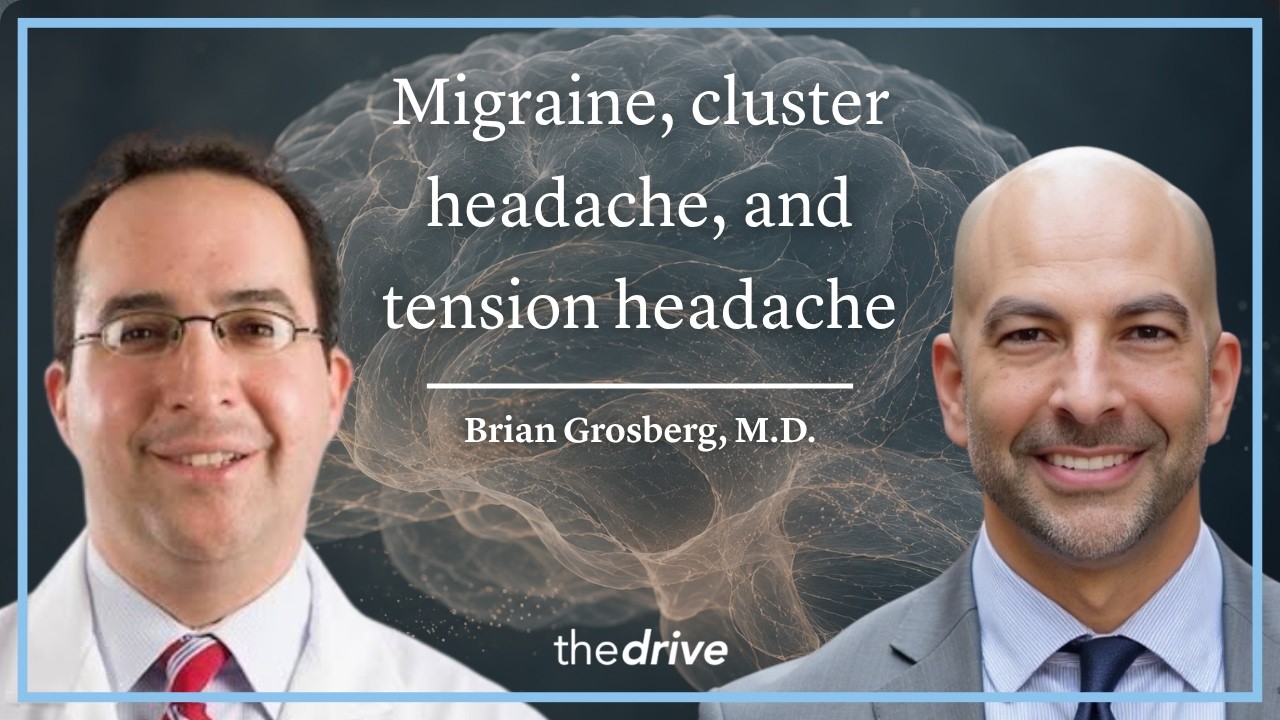 130 min
406 ‒ Migraine, cluster headache, and tension headache: symptoms, causes, prevention, and treatment
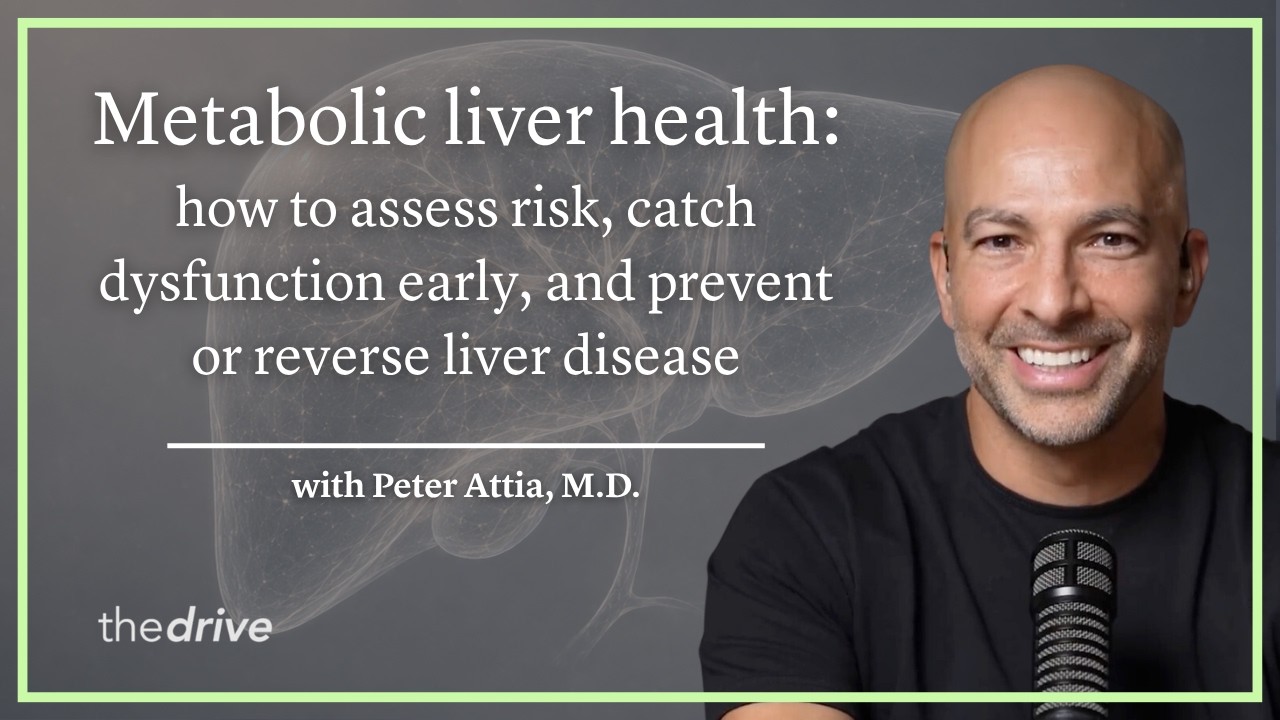 39 min
Metabolic liver health: how to assess risk, catch dysfunction early, and more (AMA 88 sneak peek)
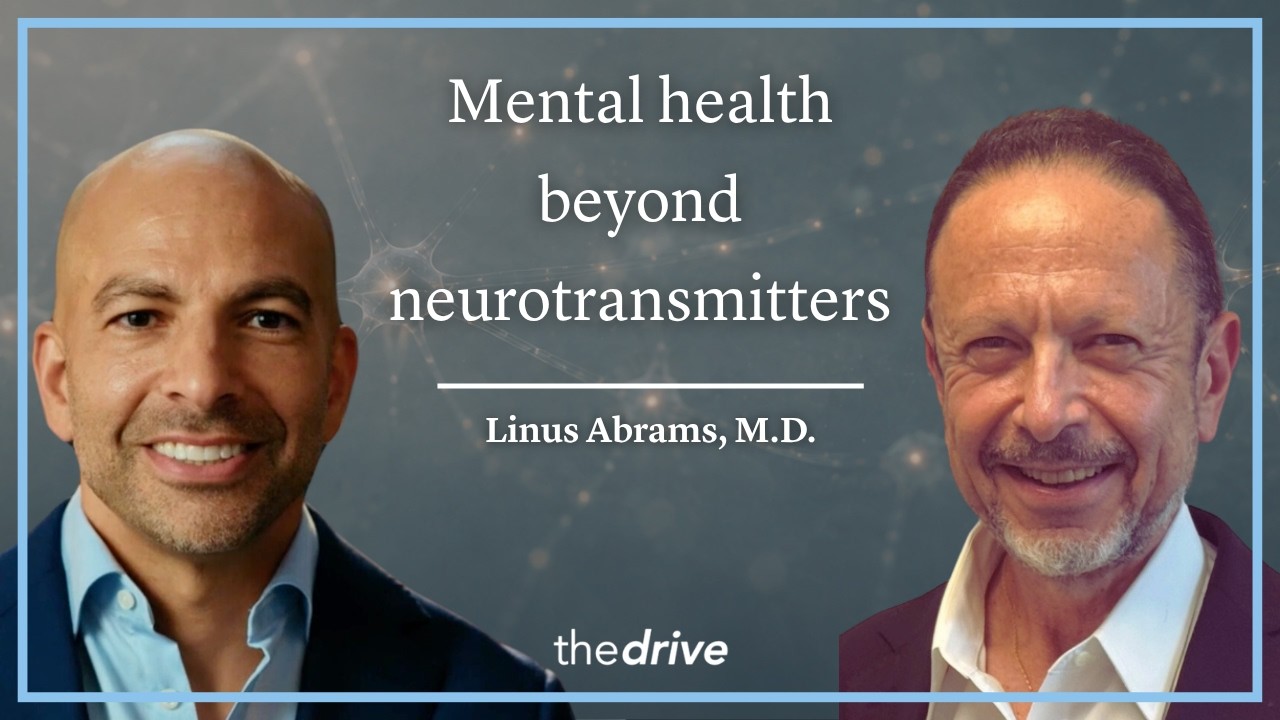 140 min
404 ‒ Mental health beyond neurotransmitters: hormones in psychiatry, psychedelic therapies, & more
Ask anything from this episode.
Save it, chat with it, and connect it to Claude or ChatGPT. Get cited answers from the actual content — and build your own knowledge base of every podcast and video you care about.
Get Started Free