Key Moments
#101 – Ryan Holiday: Finding stillness amidst chaos
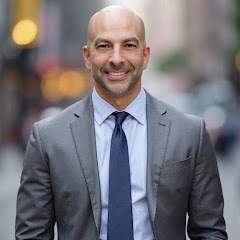 Peter Attia MD
Want to know something specific about what's covered?
We've already dissected every moment. Ask and we will deliver (with timestamps).
Key Moments
Ryan Holiday and Peter Attia discuss finding stillness and applying Stoicism amidst chaos.
Key Insights
Adversity offers a chance to examine life's priorities and unexpected opportunities.
Stoicism emphasizes controlling one's response to external events, not the events themselves.
Historical figures like Marcus Aurelius and Churchill faced immense challenges with resilience and structure.
Routine, rituals, and hobbies are crucial for maintaining mental fortitude and perspective.
Utilizing 'dead time' productively, through learning or contributing, can lead to personal growth.
Effective leadership and individual agency are vital for navigating crises, not just reacting.
ADVERSITY AS AN OPPORTUNITY FOR RE-EVALUATION
The current period of disruption, though challenging, presents a unique laboratory for examining personal reactions and life's priorities. Unexpected interruptions to the status quo can reveal that many perceived 'non-negotiables' are actually flexible. This forced pause allows for reflection on how life was structured and whether the pre-existing rhythm was truly desirable, potentially uncovering a deeper alignment with personal values.
THE WISDOM OF STOICISM IN UNCERTAINTY
Stoicism, described as an 'operating system,' offers a framework for navigating chaos by focusing on what is within our control: our responses. The philosophy teaches resignation to uncontrollable events while emphasizing action within one's immediate purview, such as ensuring family well-being or making sound financial decisions. It's about preparedness for worsening conditions and moving forward by focusing on present actions, rather than dwelling on blame or misfortune.
LESSONS FROM HISTORICAL FIGURES IN CRISIS
Historical figures like Marcus Aurelius, who led during a devastating plague, and Winston Churchill, who navigated World War II, provide powerful examples of resilience. Aurelius demonstrated calmness and courage, prioritizing character over material concerns and focusing on preventing panic and greed. Churchill, despite facing immense personal and political adversity, established rigorous routines and rituals, including writing, painting, and even laying bricks, to maintain mental discipline and focus amidst unprecedented stress.
THE IMPORTANCE OF STRUCTURE AND ROUTINE
In times of extreme upheaval, establishing structure and routine becomes paramount for maintaining mental and emotional equilibrium. This can involve simple acts like making one's bed, adhering to a consistent sleep schedule, or dedicating time to exercise. These rituals, even when seemingly trivial, provide a sense of agency and control in uncontrollable circumstances, protecting individuals from constant reactive behavior and fostering a more deliberate approach to life.
PRODUCTIVE USE OF 'DEAD TIME' AND FINDING PURPOSE
The concept of 'dead time' versus 'lifetime' is crucial when large portions of life are unexpectedly halted. Instead of succumbing to pure distraction, individuals can utilize this time for productive activities, learning, or service. This might involve pursuing hobbies, educating children with specific projects like studying historical figures, or contributing to community efforts. Finding purpose and engaging in activities that foster momentum and accomplishment can mitigate feelings of helplessness and boredom.
LEARNING FROM SOCIETAL AND LEADERSHIP FAILURES
The current crisis highlights failures in leadership at various levels, underscoring the importance of competence and character. Relying on leaders chosen for political expediency rather than integrity can have severe consequences when faced with genuine catastrophe. The experience serves as a wake-up call, urging a re-evaluation of societal priorities, international alliances, and the long-term economic ramifications of inadequate preparation, emphasizing the need for generational responsibility and a return to core values.
ASSERTING AGENCY AMIDST POWERLESSNESS
While external circumstances may be beyond our control, asserting agency in smaller, personal ways can be profoundly reassuring. This involves consciously deciding how to structure one's day, such as waking up intentionally early or dedicating specific time slots to exercise or other activities. Adopting a mindset similar to those who maintained control over their immediate environment even under extreme duress, like wrongfully imprisoned individuals, can help combat feelings of helplessness and foster resilience.
NAVIGATING SOCIAL MEDIA AND CONSUMING INFORMATION
The pervasiveness of social media and the constant influx of news can exacerbate anxiety during crises. While staying informed is necessary, it's crucial to develop strategies for managing information consumption. This includes limiting exposure to triggering platforms, actively choosing engaging and creative uses of these tools, and prioritizing genuine human connection and deep conversations over passive scrolling to maintain mental clarity and emotional stability.
EMERGING STRONGER FROM ADVERSITY
The true test of Stoicism lies not in being unbreakable, but in becoming stronger through hardship. While bad things happen, the philosophy encourages damage mitigation and, more importantly, emerging from adversity with lessons learned and improved capabilities. The ultimate tragedy would be to endure suffering without learning, emphasizing that moments of crisis offer critical opportunities for personal and societal growth, making us more resilient in the broken places.
Mentioned in This Episode
●Software & Apps
●Companies
●Organizations
●Books
●Concepts
●People Referenced
Finding Stillness Amidst Chaos: A Stoic Approach
Practical takeaways from this episode
Do This
Avoid This
Common Questions
Stoicism teaches that while we cannot control external events, we can control our responses. This philosophy encourages focusing on what is within our immediate power, such as our actions, decisions, and mindset, to navigate challenges with greater calm and resilience.
Topics
Mentioned in this video
A book by Ryan Holiday that explores the role of ego in personal and professional life.
A book by Sebastian Junger that explores how shared adversity can foster social unity.
A philosophical work by Marcus Aurelius, written during a plague, offering insights on resilience and character.
A novel by Ernest Hemingway containing a quote about the resilience of those who have faced hardship.
The journal written by Anne Frank, highlighted as a powerful example of how writing and documentation can provide purpose and serve as a best friend during extreme confinement.
Ryan Holiday's most recent book, which discusses principles of finding stillness and is highly relevant to the conversation's themes.
A book by Doris Kearns Goodwin that examines leadership qualities through historical examples.
A resource providing daily Stoic wisdom via email and website.
Author of a book on LBJ mentioned in the context of Doris Kearns Goodwin's discussion on leadership.
A historical figure whose life and approach to routine and resilience during World War II are used as a key example for applying Stoic principles.
Author who advised Ryan Holiday that 'all material' – even negative experiences – can be used as content.
Author whose quote about using all life experiences as material is referenced.
Author of 'Leadership in Turbulent Times,' whose stories about historical leaders like LBJ are used to illustrate effective crisis leadership.
Wrongfully convicted boxer whose story of asserting agency within prison is used as an example of finding control amid powerlessness.
Guest on the podcast, author, and speaker focusing on Stoicism, self-improvement, and finding stillness amidst chaos.
Mentioned as an example of someone embodying the myth of Stoicism as making one unbreakable.
Former US President, mentioned as an early proponent of presidents playing golf as a way to manage stress and gain perspective.
A New York Times columnist whose piece on pandemics and societal unity was discussed, highlighting the isolating nature of pandemics versus other crises.
Former US President, mentioned in the context of LBJ taking over after his assassination.
Mentioned as having had a previous conversation with Peter Atia that was released on Tuesday, relevant to the discussion on Stoicism.
A young diarist who survived in hiding during WWII, her story and journal are used as an example of finding purpose and agency in adverse circumstances.
Author of the book 'Tribe,' which discusses the unifying effects of shared crises.
Mentioned as an example of someone embodying the myth of Stoicism as making one unbreakable.
Former CEO of American Apparel, whose workaholic lifestyle and lack of hobbies were cited as contributing to self-inflicted errors.
Mayor of New York City, whose 'business as usual' approach before quarantine was criticized.
Roman Emperor and Stoic philosopher, whose writings in 'Meditations' during a plague offer guidance on maintaining composure and character during crises.
Former US President whose leadership style after Kennedy's assassination, particularly his 'foreman' analogy, is discussed in relation to crisis management.
Economist who wrote an article suggesting the pandemic might have 'killed the progressive woke left' by shifting focus to more pressing issues.
A principle stating that work expands to fill the time available, used to emphasize the need to make time for detachment and self-care.
US government health insurance program for low-income individuals, mentioned as potentially impacted by the economic consequences of the pandemic.
Mentioned alongside Parkinson's Law, though the speaker is unsure of its specific definition in this context.
A philosophy discussed as a tool to help during challenging times, focusing on controlling one's responses to external events.
An app that provides remote personal training, mentioned by Ryan Holiday's wife as a way to get workouts designed for home with available equipment.
A daily resource providing advice and insights for fathers.
A blog co-authored by Tyler Cowen, noted for providing smart content during the pandemic.
Social media platform Ryan Holiday does not check to manage anxiety.
Social media platform Ryan Holiday actively avoids checking to manage anxiety but uses for content dissemination.
A company where Dov Charney was CEO, mentioned as an example of a chaotic environment partly due to a lack of hobbies and detachment.
Social media platform Ryan Holiday does not have on his phone but uses for content dissemination.
The discussion focuses on the potential for ICUs in New York to be overrun due to the pandemic.
Mentioned as having an empty property that could be a better alternative than an apartment in Park Slope during quarantine.
A neighborhood in Brooklyn, New York, where Ryan Holiday's sister lives in an apartment, illustrating a less-than-ideal living situation during lockdown.
More from Peter Attia MD
View all 341 summaries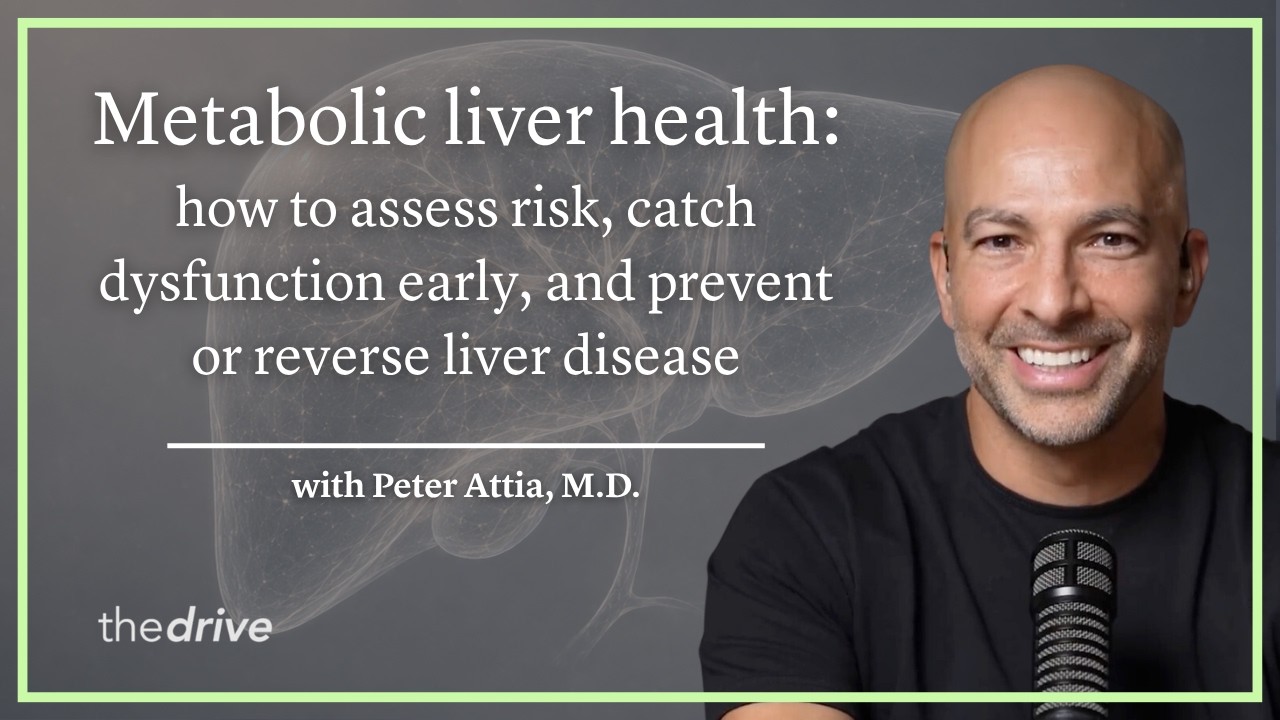 39 min
Metabolic liver health: how to assess risk, catch dysfunction early, and more (AMA 88 sneak peek)
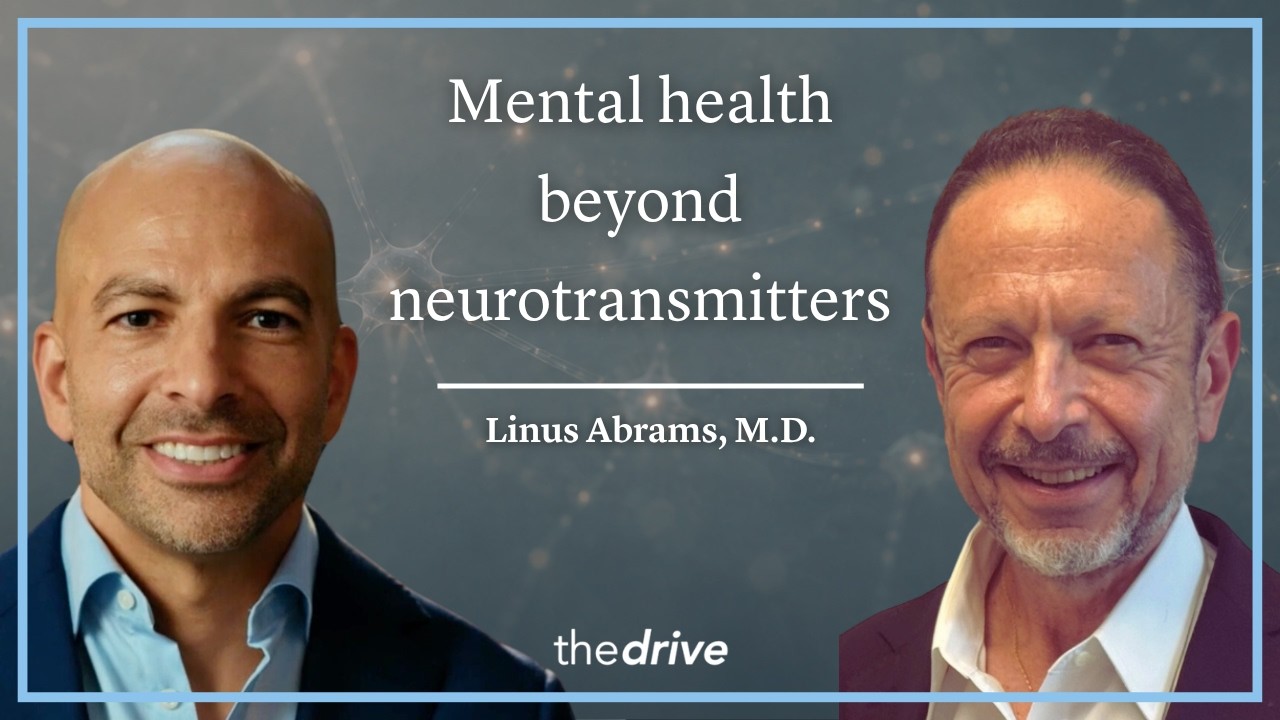 140 min
404 ‒ Mental health beyond neurotransmitters: hormones in psychiatry, psychedelic therapies, & more
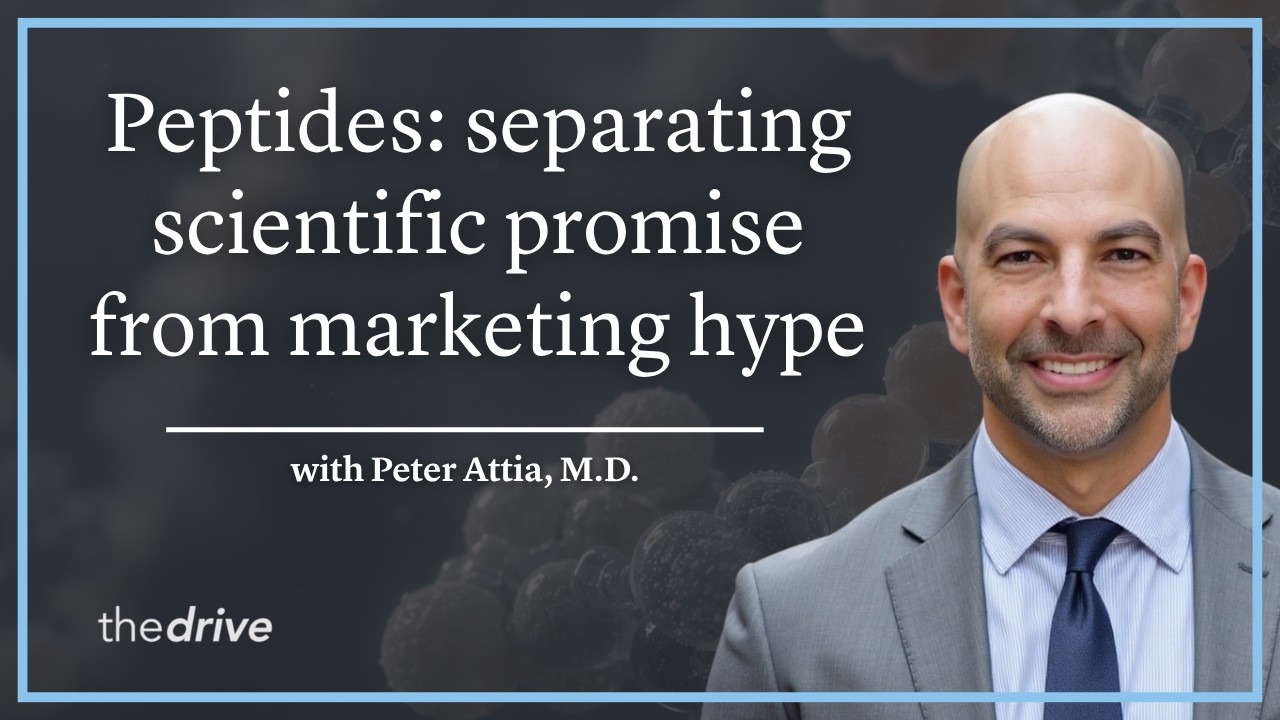 51 min
403 ‒ Peptides: separating scientific promise from marketing hype
 148 min
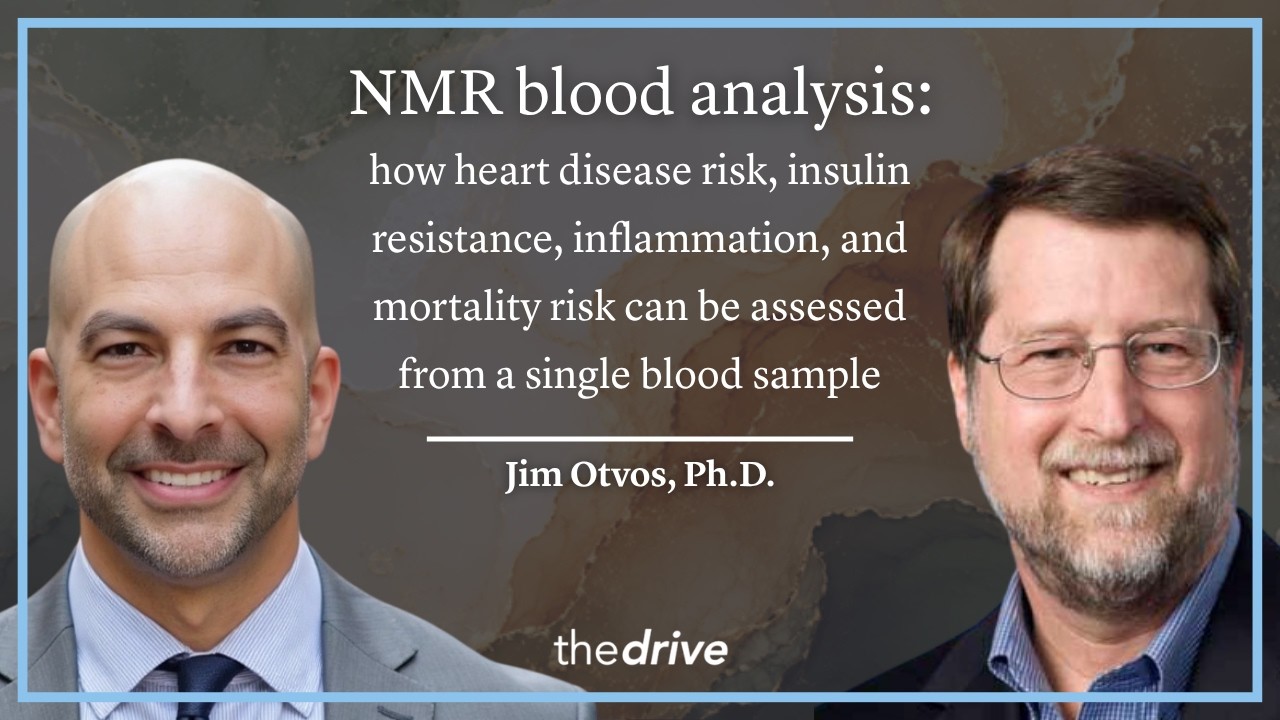
402 ‒ NMR blood analysis: how mortality risk and more can be assessed from a single blood sample
Ask anything from this episode.
Save it, chat with it, and connect it to Claude or ChatGPT. Get cited answers from the actual content — and build your own knowledge base of every podcast and video you care about.
Get Started Free