Key Moments
Using Science to Optimize Sleep, Learning & Metabolism | Huberman Lab Essentials
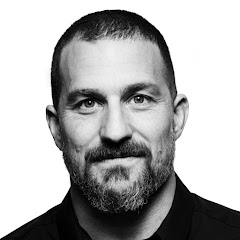 Andrew Huberman
Want to know something specific about what's covered?
We've already dissected every moment. Ask and we will deliver (with timestamps).
Key Moments
Optimize sleep, learning, and metabolism by manipulating light, exercise, temperature, and eating schedules.
Key Insights
Moonlight and firelight do not reset circadian rhythms like sunlight does; artificial red light should be very dim if used at night.
Sunlight exposure is most effective outdoors; through a window, it's significantly diminished, and prescription lenses do not further reduce its effect.
Day length influences melatonin duration, signaling time of year to the body, which impacts mood and metabolism.
Exercise timing (especially cardiovascular and resistance training) can optimize performance and reduce injury, often aligning with body temperature peaks.
Neuroplasticity, crucial for learning, can be enhanced during sleep with cues (odors/tones) or through non-sleep deep rest (NSDR) and short naps.
Body temperature is a key effector of circadian rhythm, influencing sleep, wakefulness, metabolism, and the timing of peak alertness and exercise willingness.
UNDERSTANDING LIGHT EXPOSURE AND CIRCADIAN RHYTHMS
The circadian clock is powerfully influenced by light, but not all light sources have the same effect. Moonlight and firelight, while seemingly bright, do not reset the circadian clock because their light spectrum doesn't activate the specific melanopsin-containing retinal neurons that signal daytime. Even bright red light can disrupt this if too intense. Sunlight, especially during sunrise and sunset, is crucial for setting our internal clock. Viewing sunlight through a window dramatically reduces its effectiveness, requiring significantly longer exposure. Prescription lenses do not impede the beneficial effects of sunlight exposure.
SEASONAL CHANGES AND MELATONIN SIGNALING
The duration of daylight, which varies seasonally due to Earth's tilt, plays a critical role in our biology. While cells don't directly sense day length, they respond to the duration of the melatonin signal. Longer days and increasing day length inhibit melatonin, signaling a time of reduced activity, while shorter days lead to longer melatonin release. Understanding this connection empowers individuals to manage their light exposure to influence mood and metabolic function, recognizing that melatonin, derived from serotonin, promotes quiescence, contrasting with dopamine's role in action and adrenaline.
OPTIMIZING EXERCISE AND NEUROPLASTICITY
Exercise timing can significantly impact performance, injury risk, and sleep. While individual variation exists, optimal windows often align with body temperature fluctuations, typically occurring around 30 minutes after waking, three hours after waking, and during the late afternoon peak (around 11 hours post-waking). Morning exercise, combined with light exposure, provides a potent wake-up signal. Furthermore, the brain's capacity for change, known as neuroplasticity, is crucial for learning and can be enhanced through specific strategies during sleep or via non-sleep deep rest (NSDR) protocols, which accelerate learning and retention without additional sleep.
HARNESSING TEMPERATURE FOR CIRCADIAN CONTROL
Body temperature is a fundamental 'effector' of the circadian rhythm, synchronizing cellular activity. Temperature typically hits its lowest around 4 a.m. and peaks in the late afternoon. This rhythm influences metabolism and the inclination for physical or mental activity, with the steepest temperature rise correlating with peak engagement. Deliberate temperature manipulation, such as cold showers or ice baths early in the day, can advance the circadian clock, promoting earlier waking. Conversely, deliberate warming, like saunas or hot showers late at night, can delay the clock, but this should be managed to avoid disrupting sleep.
THE ROLE OF FOOD AND EATING SCHEDULES
Food intake significantly impacts neurotransmitter levels and circadian rhythms. Precursors for serotonin and dopamine are derived from diet, influencing mood and wakefulness. For instance, tyrosine, found in meat and nuts, aids dopamine production, promoting alertness. Large meal volumes can induce sleepiness by diverting blood to the gut. Fasting states generally promote alertness, while fed states are associated with relaxation and increased serotonin. Eating also induces thermogenesis, a process that, when timed appropriately, can help entrain circadian rhythms and influence wake-up times.
SELF-EXPERIMENTATION FOR PERSONALIZED PROTOCOLS
Becoming a 'scientist of your own physiology' is key to optimizing sleep, attention, and wakefulness. By tracking behaviors like sunlight exposure timing, exercise, temperature fluctuations, and the use of NSDR protocols, individuals can identify personal patterns and pain points. It is advised to manipulate only one or two variables at a time, cautiously and deliberately, to understand their specific impact. This personalized approach, rather than rigid adherence, allows for the identification of the most powerful tools that support desired outcomes and help mitigate those that lead to undesirable effects.
Mentioned in This Episode
●Supplements
●Software & Apps
●Books
●Concepts
●People Referenced
Optimizing Sleep, Learning, and Metabolism: Key Takeaways
Practical takeaways from this episode
Do This
Avoid This
Common Questions
Moonlight, candle light, and fireplace light do not reset your circadian clock or signal daytime because the photoreceptor cells in your eyes (melanopsin-containing intrinsically photosensitive retinal ganglion cells) adjust their sensitivity and respond best to the blue-yellow contrast found in direct sunlight, not the lower intensity or different spectrum of these dim light sources.
Topics
Mentioned in this video
More from Andrew Huberman
View all 385 summaries 169 min
Peptides: The Science, Uses & Safety | Dr. Abud Bakri
 36 min
The Science & Process of Healing from Grief | Huberman Lab Essentials
 137 min
Build Muscle, Great Posture & Resilience to Injury | Jeff Cavaliere
 29 min
Essentials: The Science of Learning & Speaking Languages | Dr. Eddie Chang
Ask anything from this episode.
Save it, chat with it, and connect it to Claude or ChatGPT. Get cited answers from the actual content — and build your own knowledge base of every podcast and video you care about.
Get Started Free