Key Moments
Blood pressure: how to measure, manage, and treat high blood pressure (AMA #48 rebroadcast)
 Peter Attia MD
Key Moments
High blood pressure is a silent killer affecting 46% of US adults, often without symptoms, yet aggressive management can significantly reduce cardiovascular death risk.
Key Insights
The SPRINT trial demonstrated that lowering systolic blood pressure to below 120 mmHg significantly reduced cardiovascular death risk by 25% and all-cause mortality by 27% compared to a target of below 140 mmHg.
High blood pressure is a major risk factor for cardiovascular disease, stroke, kidney disease, and dementia, with even a 20 mmHg systolic and 10 mmHg diastolic increase doubling the risk of death from vascular diseases.
Approximately 46% of US adults have hypertension, with rates increasing significantly with age, reaching over 80% in those 75 and older, and disproportionately affecting African Americans.
Lifestyle interventions like losing 1 kg of weight can reduce systolic and diastolic blood pressure by approximately 1 mmHg each, while 90-150 minutes of Zone 2 aerobic exercise per week can lower systolic blood pressure by up to 8 mmHg.
Secondary hypertension, caused by treatable conditions like pheochromocytoma or renal artery stenosis, accounts for about 10% of cases and should be investigated if blood pressure is resistant to medication or presents with unusual signs.
While automated blood pressure cuffs are convenient, manual measurement is considered the gold standard, and meticulous adherence to measurement protocols (e.g., 5-minute rest, proper cuff size, seated position) is crucial for accurate readings.
The silent threat of hypertension: Prevalence and definition
High blood pressure, or hypertension, is a critical, often overlooked, risk factor for chronic disease and mortality. It is one of the three main drivers of atherosclerosis, alongside high apoB and smoking. Alarmingly, approximately 46% of US adults have hypertension, with this figure rising significantly with age, exceeding 80% in those over 75. African Americans experience the highest rates, with nearly 59% of men and 56% of women affected. The current definition of normal blood pressure is systolic below 120 mmHg and diastolic below 80 mmHg. Elevated blood pressure is defined as systolic 120-129 mmHg and diastolic below 80 mmHg. Stage 1 hypertension is systolic 130-139 mmHg or diastolic 80-89 mmHg, while Stage 2 is systolic 140 mmHg or higher, or diastolic 90 mmHg or higher. This reclassification, largely influenced by the 2015 SPRINT trial, highlights the need for earlier and more aggressive management.
The SPRINT trial's aggressive target for blood pressure
The landmark SPRINT trial (Systolic Blood Pressure Intervention Trial), published in 2015, fundamentally changed how high blood pressure is managed. This trial randomized over 10,000 individuals with high cardiovascular risk but without type 2 diabetes, whose systolic blood pressure was 130 mmHg or higher, into two groups. The intensive treatment group aimed for a systolic blood pressure below 120 mmHg, while the standard treatment group targeted below 140 mmHg. After a median follow-up of just over three years, the intensive treatment group showed a remarkable 25% relative reduction in cardiovascular death, heart attack, stroke, or heart failure, and a 27% reduction in all-cause mortality. This significant benefit, observed in less than half the originally planned trial duration, provided compelling evidence that a more aggressive blood pressure target—aiming for below 120 mmHg—is not only safe but substantially beneficial.
Consequences of uncontrolled blood pressure on major organs
The ramifications of uncontrolled high blood pressure extend far beyond cardiovascular disease, impacting critical organs like the brain and kidneys. For the brain, elevated blood pressure is a major risk factor for stroke and contributes to cognitive decline and dementia. The SPRINT MIND trial, a substudy of SPRINT, showed a 16% relative risk reduction in dementia with intensive blood pressure lowering. Kidneys are also highly susceptible due to their extensive and delicate vascular network, which receives 20-25% of cardiac output. Chronic hypertension can lead to a rapid decline in renal perfusion and glomerular filtration rate, significantly increasing the risk of end-stage kidney disease. Diabetes further exacerbates this damage. The Framingham Heart Study has long established that uncontrolled hypertension, defined historically as 140/90 mmHg, dramatically increases the risk of stroke (35-40%), heart disease (50%), heart failure (64%), and myocardial infarction (15-25%). Even modest increases in blood pressure—a 20 mmHg systolic and 10 mmHg diastolic increase—can double the risk of death from vascular diseases.
Accurate blood pressure measurement: A critical first step
Accurate blood pressure measurement is paramount, yet often performed incorrectly. Unlike lab tests like apoB, blood pressure readings are highly susceptible to measurement error. Crucial factors for accurate measurement include using the correct cuff size that fits snugly against bare skin, ensuring proper patient positioning with back support and uncrossed legs, resting quietly for at least five minutes before measurement, and avoiding talking during the reading. Even small errors, like talking or having a full bladder, can elevate readings by 10-15 mmHg. The conventional method involves manual measurement with a stethoscope, listening for Korotkoff sounds to determine systolic and diastolic pressures. While automated cuffs offer convenience, manual measurement is considered the gold standard for its precision, though individual experiences with automated cuffs may vary, with some reporting consistently higher readings.
Lifestyle interventions for blood pressure management
Significant reductions in blood pressure can be achieved through lifestyle modifications. Weight loss is particularly impactful; for every 1 kg of weight lost, systolic and diastolic blood pressure can decrease by approximately 1 mmHg. Aerobic exercise, specifically 90-150 minutes per week of Zone 2 training at 65-75% of maximum heart rate, can lower systolic blood pressure by up to 8 mmHg and diastolic by 5 mmHg. Resistance training also shows benefits, with dynamic resistance exercise reducing systolic and diastolic pressure by roughly 2 mmHg and 3 mmHg, respectively, while isometric resistance can lower them by 6 mmHg and 3 mmHg. Managing insulin resistance and type 2 diabetes is also vital, as these conditions impair nitric oxide bioavailability, leading to reduced vasodilation and increased blood pressure. Adequate sleep, aiming for 7-9 hours, is also critical; both insufficient (less than 5 hours) and excessive (more than 10 hours) sleep are linked to increased hypertension risk. Dietary adjustments, such as reducing sodium intake, can be beneficial, particularly for salt-sensitive individuals (often African Americans, older adults, and those with existing hypertension or kidney disease), though extreme restriction may carry risks. Conversely, increasing potassium intake through foods like bananas and potatoes may help lower blood pressure.
Pharmacological treatment: When and how to use medications
When lifestyle changes are insufficient, pharmacological interventions become necessary. The four first-line classes of blood pressure medications are thiazide diuretics, calcium channel blockers, ACE inhibitors, and ARBs. These medications are generally effective, with ACE inhibitors and ARBs often favored for their efficacy and tolerability, though ACE inhibitors are typically cheaper and more widely available. Thiazide diuretics and calcium channel blockers are also effective but may have more side effects. For instance, ACE inhibitors and ARBs are generally avoided in patients with a history of angioedema, and calcium channel blockers may be contraindicated in heart failure with reduced ejection fraction. Diuretics might be avoided in individuals with gout or severe hyperlipidemia due to potential increases in insulin resistance. The choice of medication is tailored to individual patient profiles, considering comorbidities and potential drug interactions. While a single class of medication can significantly lower blood pressure, lifestyle interventions remain crucial, and their combined effect can be as potent as medication.
Understanding secondary hypertension
While primary (essential) hypertension is most common, about 10% of cases are secondary, stemming from an underlying, potentially treatable, medical condition. Recognizing secondary hypertension is crucial to avoid prolonged, ineffective treatment. Signs that warrant investigation include medication-resistant hypertension, sudden onset or worsening of hypertension, very high blood pressure (e.g., >180/120 mmHg), or hypertension in young individuals without typical risk factors. Potential causes include renal artery stenosis, thyroid disorders, hyperaldosteronism, and, as illustrated by a compelling anecdote, pheochromocytoma (a tumor of the adrenal gland). Prompt diagnosis and treatment of these secondary causes can often resolve the hypertension.
The importance of family history and proactive monitoring
Family history plays a significant role in the predisposition to high blood pressure, suggesting a genetic component. Understanding one's family history of hypertension should prompt increased vigilance and proactive monitoring. This includes regular blood pressure checks, ideally using a home monitoring protocol, to catch any elevations early. The goal is not necessarily to avoid medication for life but to ensure that if and when medication is needed, it is initiated promptly, maximizing its benefit and minimizing long-term damage. This proactive approach, similar to managing apoB levels, emphasizes early detection and intervention rather than waiting for severe consequences to manifest.
Mentioned in This Episode
●Products
●Drugs & Medications
●Studies Cited
●Concepts
●People Referenced
Managing Blood Pressure: Dos and Don'ts
Practical takeaways from this episode
Do This
Avoid This
Blood Pressure Classification (Post-2017 Guidelines)
Data extracted from this episode
| Category | Systolic (mmHg) | Diastolic (mmHg) |
|---|---|---|
| Normal | Less than 120 | Less than 80 |
| Elevated | 120-129 | Less than 80 |
| Stage 1 Hypertension | 130-139 | 80-89 |
| Stage 2 Hypertension | 140 or higher | 90 or higher |
Impact of Lifestyle Changes on Blood Pressure
Data extracted from this episode
| Intervention | Approximate Reduction (Systolic / Diastolic mmHg) | |
|---|---|---|
| Weight Loss (1 kg) | 1 / 1 | Note: Based on meta-analysis; achieved through calorie reduction. |
| Aerobic Exercise (4 weeks, 90-150 min/week) | Up to 8 | At least 5 |
| Dynamic Resistance Training (90-150 min/week) | Approx. 2 | Approx. 3 |
| Isometric Resistance Training | Approx. 6 | Approx. 3 |
| Sodium Reduction (to 1500 mg/day from ~3.5-4g/day) | 5-6 | Note: May increase overall mortality risk. |
Common Questions
Blood pressure measures the force of blood against artery walls. The top number (systolic) is the pressure when your heart beats, and the bottom number (diastolic) is the pressure when your heart rests between beats.
Topics
Mentioned in this video
A pivotal clinical trial published in 2015 that informed updated guidelines for blood pressure management, showing benefits of aggressive blood pressure control.
An early, influential study that established connections between blood pressure and cardiovascular outcomes, dating back to the 1960s.
A 2021 trial that replicated the SPRINT trial in a Chinese population, further supporting the benefits of intensive blood pressure management.
A component of the SPRINT trial that specifically investigated the impact of intensive blood pressure reduction on dementia.
More from Peter Attia MD
View all 343 summaries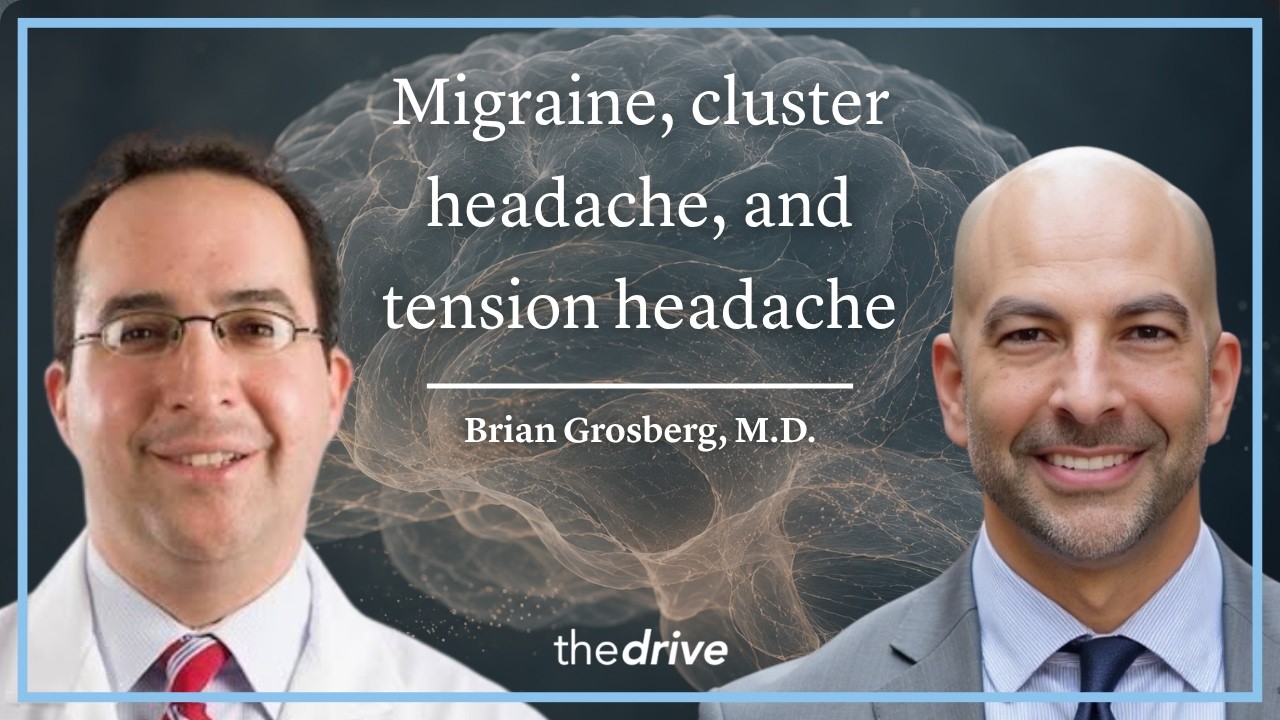 130 min
406 ‒ Migraine, cluster headache, and tension headache: symptoms, causes, prevention, and treatment
 39 min
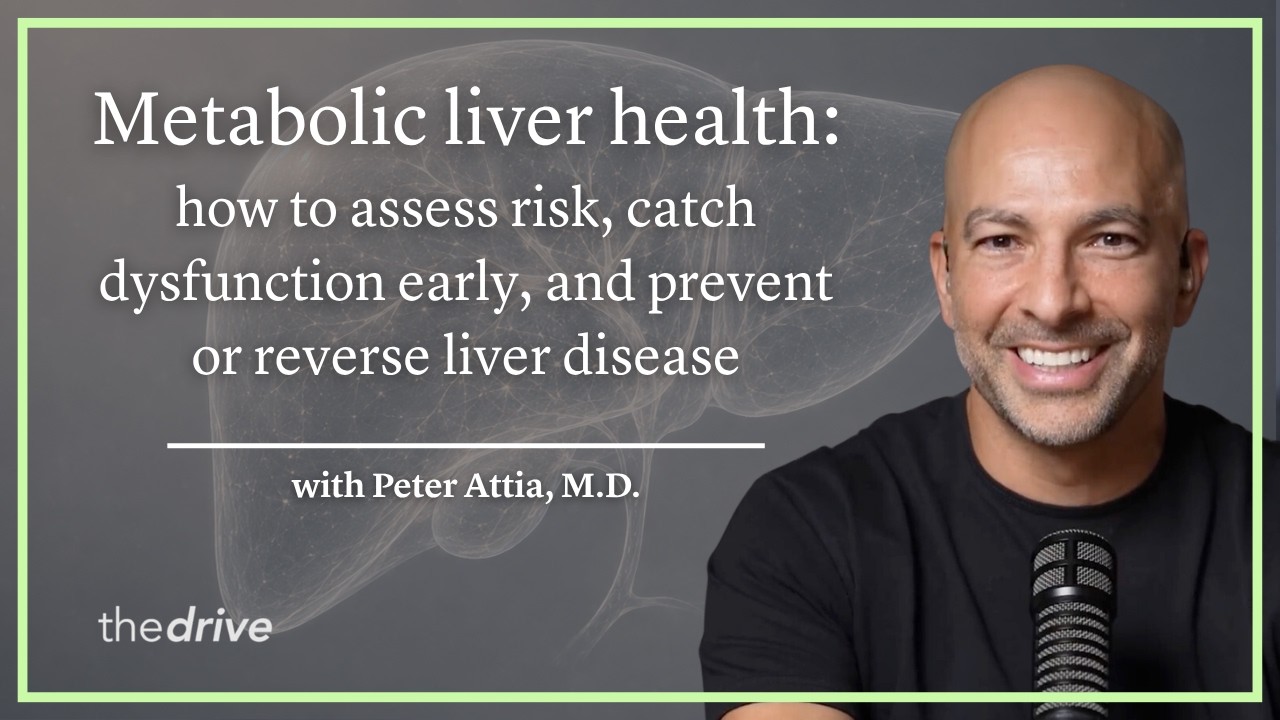
Metabolic liver health: how to assess risk, catch dysfunction early, and more (AMA 88 sneak peek)
 140 min
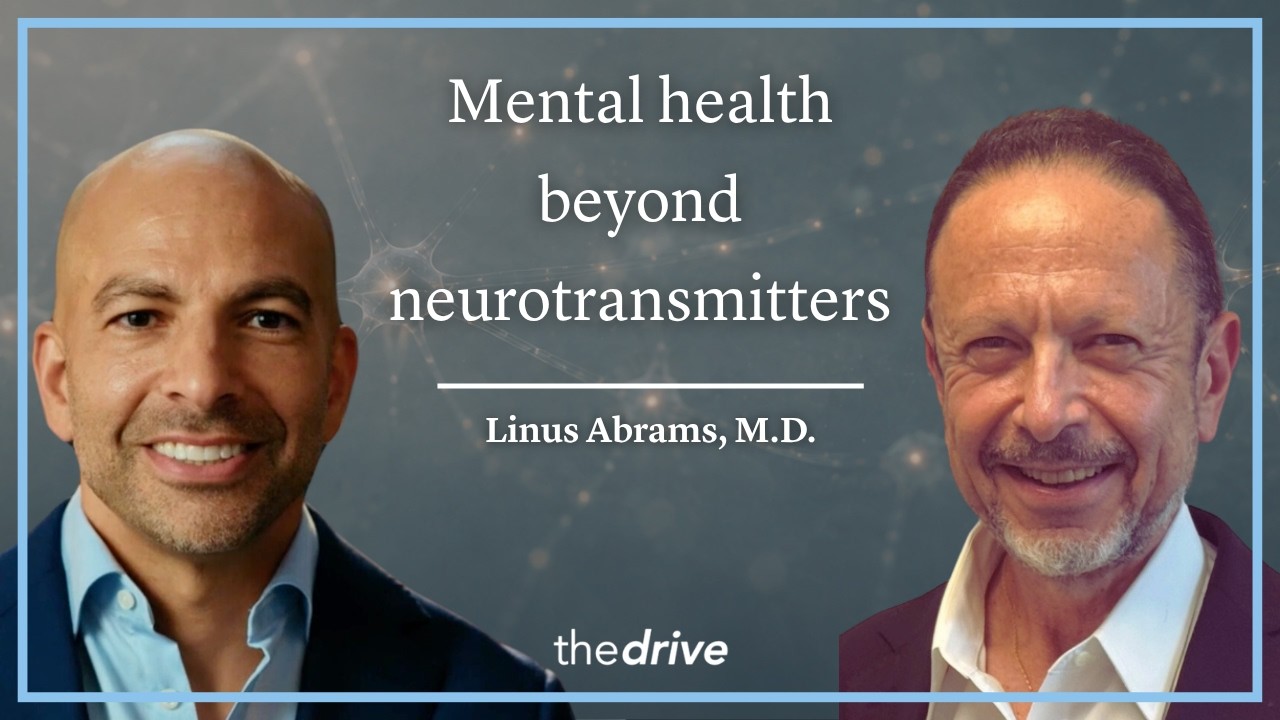
404 ‒ Mental health beyond neurotransmitters: hormones in psychiatry, psychedelic therapies, & more
 51 min
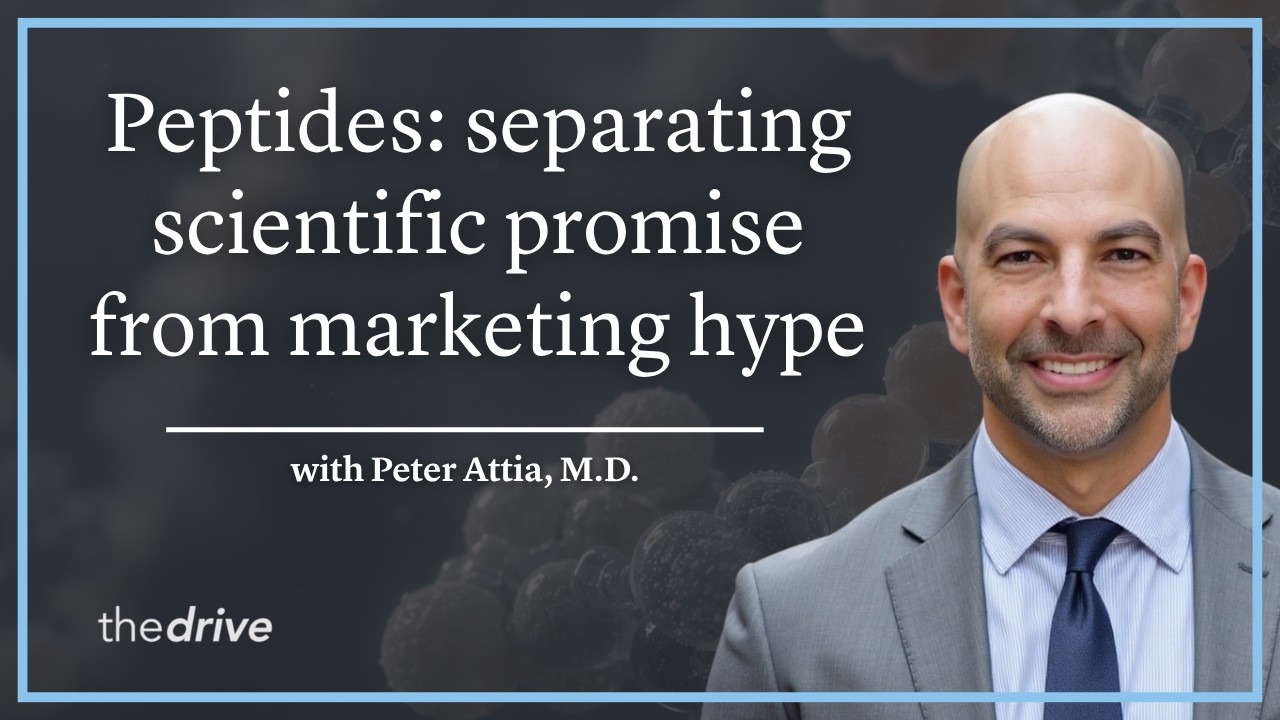
403 ‒ Peptides: separating scientific promise from marketing hype
Ask anything from this episode.
Save it, chat with it, and connect it to Claude or ChatGPT. Get cited answers from the actual content — and build your own knowledge base of every podcast and video you care about.
Get Started Free