An AI chat that actually knows what you know.
Chat inside Summify with any source you've saved — or with an entire pod. Every answer is grounded in your actual content, with citations back to the original. No setup. Works on web and mobile.
Join 50,000+ people using Summify with their AI


Real Summify pod content
Every one of these is a conversation away.
Open any Discover deep-dive and ask it anything — what did they actually say about X, summarise the methodology, compare two arguments. Same engine that powers chat across your own pods.
 10h 11mScience
NASA’s Artemis II Crew Flies Around the Moon (Official Broadcast)
 22mPodcast
Your Body Language May Shape Who You Are | Amy Cuddy | TED
 21mEducation
These are the asteroids to worry about
 2h 24mHowto & Style
Dr. Gabor Maté — Trauma, Addiction, Ayahuasca, and More
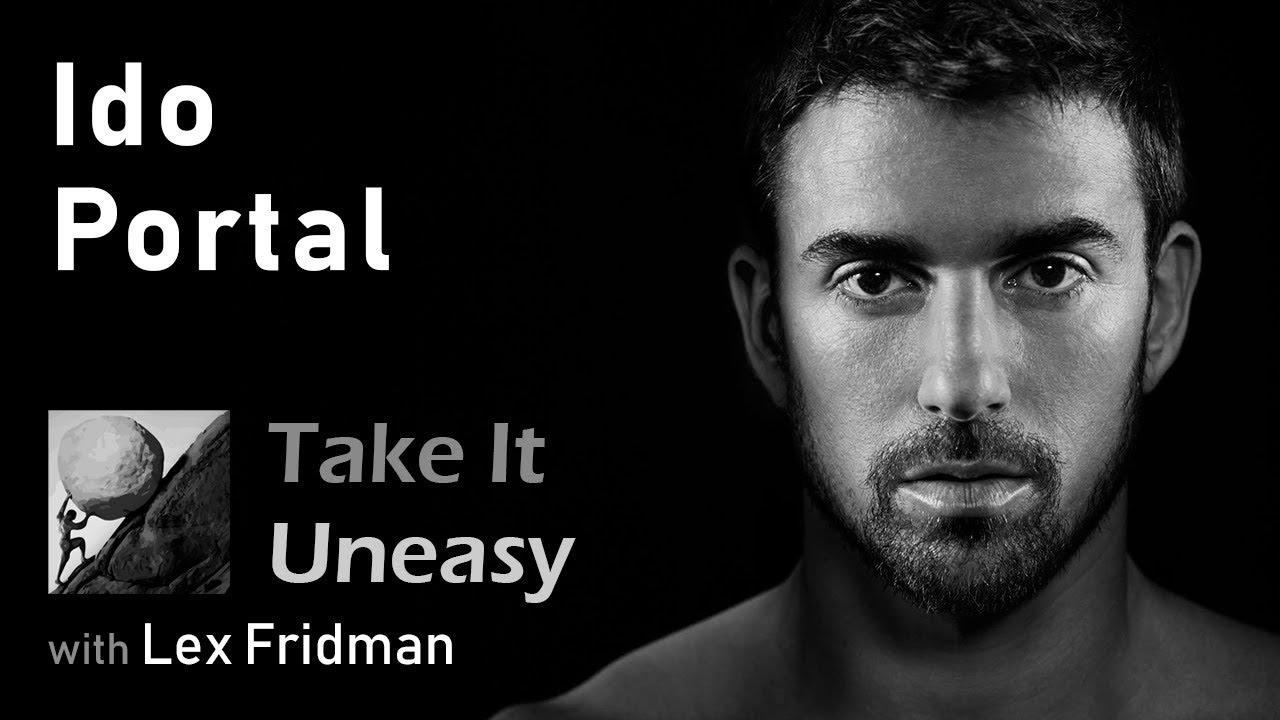 46mSports
Ido Portal: Movement
 2h 53mNews & Politics
Peter Thiel on "The Portal", Episode #001: "An Era of Stagnation & Universal Institutional Failure."
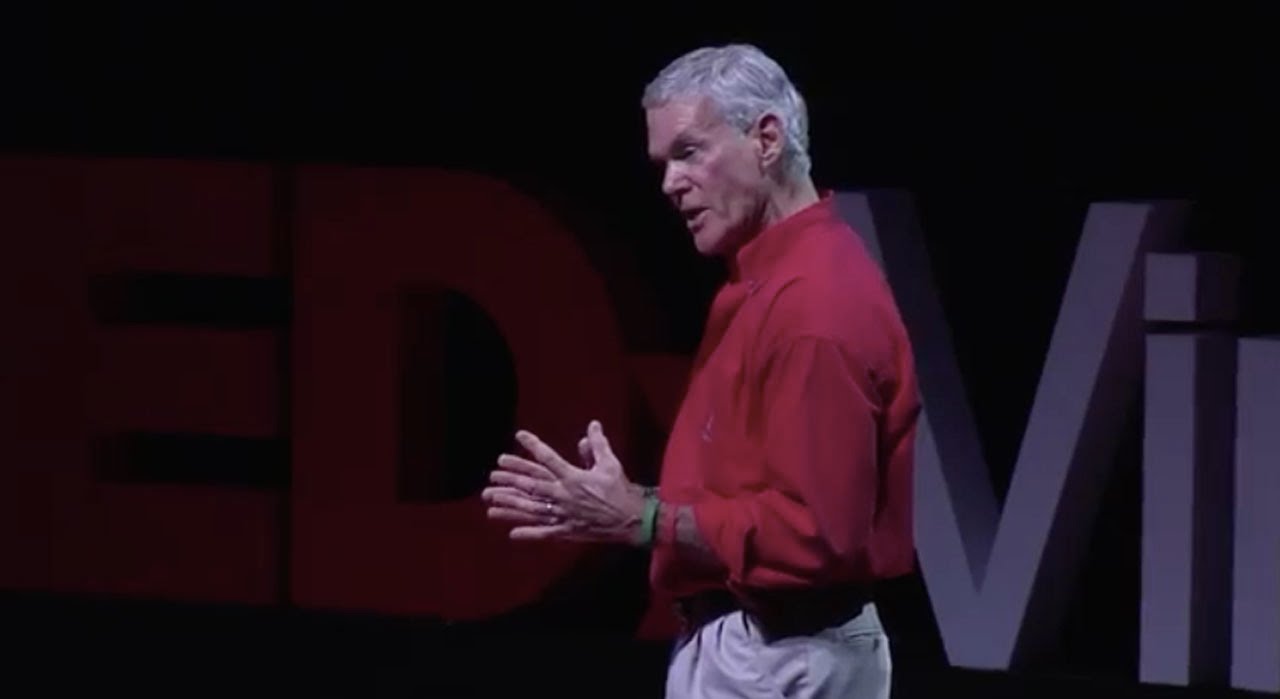 16mNonprofits & Activism
The psychology of self-motivation | Scott Geller | TEDxVirginiaTech
 25mGaming
This is Why Games like Baldur's Gate 3 Are So Rare...
 34mEducation
Why It Was Almost Impossible to Make the Blue LED
Generic AI chat doesn’t know about your stuff.
You open Claude or ChatGPT. You ask about the framework your team uses. The deck a founder sent last week. The exact thing your customer said in interview #7. The answer comes back generic — the average of the internet, written by no one you trust. You can paste the source in. But you’ve already done that twice today. And tomorrow you’ll do it again. And on your phone, the context is gone. And the conversation history is buried in a sidebar you’ll never find again.
One chat. Every source. Grounded answers.
Open the source in Summify and start asking. Open the pod and ask a question that spans every video, podcast, and document in it. Every answer quotes the exact passage with a timestamp or page back to the original. Your conversation history is saved next to the source it came from, so you can pick up the thread weeks later.
How it works
Drop a source or open a pod
Add a YouTube video, podcast, PDF, article, or voice note. Or open an existing pod with a stack of sources already inside. Summify has already transcribed, structured, and indexed everything — chat is ready the moment processing finishes.
Ask anything
"Summarise the methodology." "What were the three counter-arguments?" "Pull out every quote about pricing." "Compare the two approaches." Ask follow-ups. Switch sources mid-conversation. Ask across the whole pod.
Get answers, grounded and cited
The AI quotes the exact passage from the actual source, with a timestamp for video/audio or a page for documents. Click the citation to jump to that point in the source. Your full conversation history is saved automatically.
Why Summify
Grounded in your content
Quotes the exact passage from your source. No hallucinations. No averaging the internet.
Cited every time
Every answer links back to the timestamp or page in the original. Click to jump.
Multi-source pod queries
Ask a question that spans every source in a pod. Get one answer drawn from all of them.
Works on every source type
YouTube, podcasts, PDFs, articles, voice notes — all chattable, all citable.
Conversation history that sticks
Every chat is saved against the source or pod. Pick up weeks later.
Built-in, no setup
No keys, no config, no external tool. Open Summify and ask.
Web and mobile
Same chat on your laptop, your phone, your tablet.
130+ languages
Ask in any language. Get answered in the same.
Stop pasting context into chat windows.
Your first deep dive is free, no card needed.
The difference between summary and conversation.
A summary tells you what the source said. A conversation lets you interrogate it. You can ask why the speaker thinks what they think, what evidence supports it, what counter-arguments came up, what you’d push back on if you were in the room. Summify chat turns every saved source into something you can think with, not just something you’ve read.
Multi-source pods change what you can ask.
A pod of 20 customer interviews lets you ask "what did everyone say about onboarding?" and get one answer drawn from all 20. A pod of 50 research papers lets you ask "what’s the consensus on protocol X?" without re-reading any of them. A pod of your own past work lets you ask "what have I already said about this?" before you write the next thing.
Chat history that survives the week.
Most AI chats vanish into a sidebar you’ll never open again. Summify saves every conversation against the source or pod it came from. Open the source three weeks later and the chat history is right there — every question you asked, every answer, every citation. Especially useful for ongoing research, client work, and deep deals.
The same engine that powers Discover.
Every deep-dive in the Summify Discover library uses the same chat engine you’ll use on your own pods. So before you sign up, you can already test it — open any deep-dive and ask it anything. If the answers feel good there, they’ll feel the same on your own knowledge.
Frequently Asked Questions
More from Summify
Have a real conversation with your knowledge.
Your first deep dive is free, no card needed.