Key Moments
Why Is It So Hard to Take Our Mothers to the Doctor? | MR. LIUCENGLOU | TEDxThe Bund Women
 TED
TEDWant to know something specific about what's covered?
We've already dissected every moment. Ask and we will deliver (with timestamps).
Key Moments
Women delay doctor visits due to fear and family communication barriers, leading to late-stage diagnoses. Simply telling them to go to the doctor isn't enough; empathetic, ongoing communication is key.
Key Insights
Post-menopausal bleeding, even spotting, in women over 60 requires immediate medical attention due to a high risk of gynecological cancers.
45-55% of women experiencing symptoms delay seeking medical care, often prioritizing family needs over their own health.
A mother's fear of being labeled 'bad' or immoral for having a 'dirty disease' can be a significant barrier to seeking gynecological care.
Effective communication about health involves expressing personal anxiety and fear ('I'm worried this could happen to you') rather than direct commands or guilt-tripping.
Weight loss of 5-10% within 3-6 months without intentional dieting can indicate serious underlying conditions like cancer, diabetes, or thyroid issues.
Regular health screenings, including HPV and TCT tests, are recommended starting from age 40, with some tests continuing or being added through age 60.
The urgency of post-menopausal bleeding
Many women, particularly those over 60, experience irregular bleeding after menopause, which is often ignored. The average age of menopause in China is around 49, so any bleeding 10 years post-menopause, even slight spotting or colored discharge, is a critical red flag. This symptom could indicate serious conditions like gynecological cancers. The speaker shares a personal anecdote of a patient whose mother's post-menopausal bleeding was delayed in diagnosis, leading to advanced uterine cancer requiring surgery and chemotherapy. The delay highlighted the immense fear and misinformation surrounding women’s health issues, where such symptoms are often downplayed or misunderstood, necessitating immediate and urgent medical evaluation.
The 'little hand holding big hand' dynamic
The traditional 'big hand holding little hand' model, where parents take children to the doctor, has reversed in many families. Now, adult children are often expected to guide their aging parents, particularly mothers, to medical appointments. This shift is complicated by the strong sense of autonomy and independence many older adults, especially women, possess. Unlike their childhood selves, they are not compliant patients. This often leads to a 'little hand holding big hand' scenario, where adult children must persuade reluctant mothers to seek medical care. The process can be emotionally taxing, involving repeated negotiations, arguments, and even strained relationships, sometimes resulting in the advice being ignored altogether, turning a potentially manageable issue into a severe health crisis.
The profound impact of shame and moral judgment on health decisions
One of the most significant barriers preventing women from seeking timely medical care, especially for gynecological issues, is the deep-seated societal shame and moral judgment associated with these conditions. The speaker shares a story of a woman diagnosed with stage III cervical cancer. Her mother, despite being diagnosed, was in denial and struggling to accept it, viewing serious illness, particularly a gynecological cancer, as a moral failing or a punishment for past wrongdoings. This perspective suggests that the illness carries a stigma, making the patient feel like a 'bad person.' This internal conflict and fear of being judged can lead to immense emotional distress and resistance to treatment, making the journey to diagnosis and care a 'ninety-nine eighty-one difficulties' (a Chinese idiom for a very long and arduous process) even before treatment begins. This highlights how deeply ingrained societal perceptions about women’s bodies and health impact their willingness to seek help.
Communication strategies: moving beyond direct commands
Directly telling mothers they *must* go to the doctor, often backed by medical expertise, can backfire. The speaker recounts a failed attempt to convince his own mother to get an HPV and TCT test. His anxious, direct approach, stemming from his professional knowledge and personal concern, was met with resistance. He realized this approach, while well-intentioned, felt like an imposition and didn't acknowledge her autonomy or underlying anxieties. A more effective strategy involves expressing personal feelings and fears: 'Mom, I'm telling you this because I'm genuinely worried something similar could happen to you. I'm anxious and scared, and I care deeply about your health.' This empathetic approach, focusing on the child's feelings and care, can foster a more receptive response, opening the door for further discussion and eventual action. It shifts the focus from a directive to a shared concern.
Prioritizing family needs over personal health
Many women, particularly mothers and older female relatives, exhibit a strong tendency to prioritize the health and well-being of their family members—husbands, children, and even elders—above their own. This behavior is rooted in a deeply ingrained sense of self-sacrifice and a fear of being perceived as selfish. They often believe their own needs are secondary and should only be addressed once everyone else is cared for and healthy. An example is a woman who discovered a growing abdominal mass while caring for her husband during his hospitalization. Despite concerns from fellow patients and a subsequent diagnosis of ovarian cancer, she initially refused immediate treatment, stating her priority was to ensure her husband's surgery was completed and to care for her young daughter. This demonstrates how perceived familial obligations can override personal health imperatives.
The 'no pain, no problem' mentality and delayed care
A common belief, particularly among older generations, is that if something doesn't hurt, it's not a serious problem. Symptoms that are painless, such as abdominal distension or slight spotting, are often dismissed as minor issues like weight gain or normal fluctuations. Many women are conditioned to 'tolerate' discomfort or pain, believing it will pass or can be managed with over-the-counter medication from local clinics rather than seeking professional medical evaluation. This 'grin and bear it' attitude, reinforced by societal phrases like 'Don't be so dramatic,' contributes significantly to the delay in diagnosis. It's only when pain becomes unbearable or a critical event occurs, like fainting due to anemia from bleeding, that medical attention is finally sought, by which point the condition may have advanced significantly.
Practical steps for encouraging health awareness
Initiating conversations about health can be approached subtly through casual, everyday discussions that gradually weave in health-related questions. Instead of directly asking about medical tests, one can inquire about sleep quality, appetite, digestion, or any unusual bodily sensations. Asking, 'Mom, how have you been sleeping lately?' or 'Are you experiencing any unusual discharge?' can open the door to discussing specific health concerns. The speaker also provides a list of critical symptoms to watch for in older female relatives: post-menopausal bleeding, contact bleeding (especially during intercourse), unexplained significant weight loss (5-10% in 3-6 months), abdominal distension, and breast abnormalities. He urges family members, especially sons who may find it difficult to discuss gynecological health with their mothers, to use these everyday conversations as a bridge to more direct health discussions.
The role of health screenings and proactive choices
Beyond immediate symptom recognition, proactive health management through regular screenings is crucial. The speaker presents a general age-based screening schedule, starting from age 40, and emphasizes that certain tests may be adapted or continued into the 50s and 60s. He argues that health is not merely a passive state but an outcome of making numerous correct and effective choices. For example, a patient who initially refused a more extensive, self-funded cancer screening test (Pi's CT, costing approximately 12,000 RMB) for fear of cost, relented after the speaker explained how early screening could have prevented greater suffering and expense from advanced disease. This incident underscores that understanding the long-term value of preventive care over immediate cost is essential. Ultimately, encouraging health requires persistent effort, open communication, and a willingness to repeatedly try new approaches until health outcomes are achieved.
Mentioned in This Episode
●Software & Apps
When to See a Doctor: Key Warning Signs for Women
Practical takeaways from this episode
Do This
Avoid This
Recommended Health Screenings by Age
Data extracted from this episode
| Age Group | Recommended Screenings/Focus |
|---|---|
| 40s | Start regular check-ups, including HPV, TCT, and B-ultrasound (gynecological, breast, thyroid). |
| 50s | Continue screenings; some may become less frequent or stop depending on individual health and doctor's advice. |
| 60s | Continue discussing screenings with a doctor; some may be discontinued based on health status. |
Common Questions
It's challenging because older adults, like mothers, often have a strong sense of autonomy and may resist perceived interference. They might also fear diagnosis, the medical process, or feel ashamed if they need gynecological care. Communication styles and differing priorities also play a role.
Topics
Mentioned in this video
More from TEDx Talks
View all 81 summaries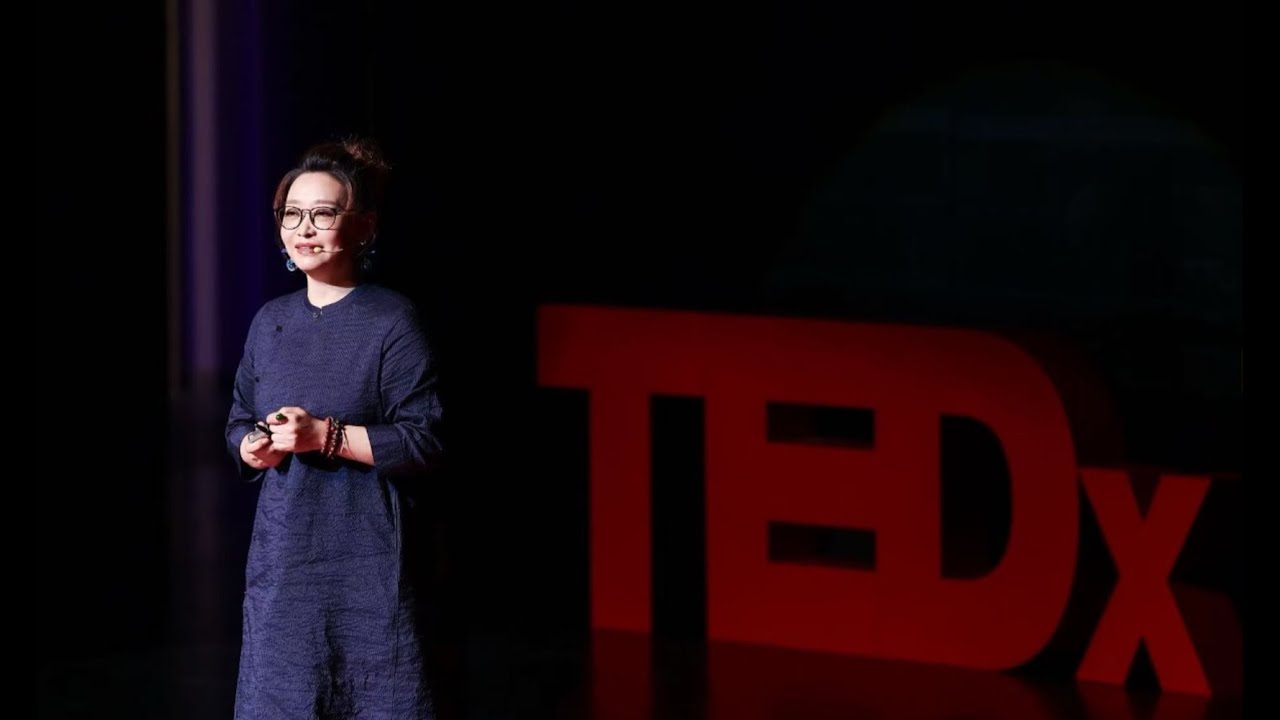 21 min
If Life Is a Long Performance, Are We Still Playing Ourselves? | TIANCHI LIU | TEDxThe Bund Women
 20 min
Energy Blindness: The Invisible Foundation of Our Lives | Srikant Madhav Vaidya | TEDxIIT Tirupati
 24 min
The man who invented the countdown | Deborah Douglas | TEDxMIT
 21 min
ELEVEN YEARS AT THE DATA FRONTIER | Venkata Akhilesh Ranga Reddy | TEDxGaya College of Engineering
Ask anything from this episode.
Save it, chat with it, and connect it to Claude or ChatGPT. Get cited answers from the actual content — and build your own knowledge base of every podcast and video you care about.
Get Started Free