Key Moments
How to Find, Build & Maintain Healthy Romantic Relationships | Esther Perel
 Andrew Huberman
Want to know something specific about what's covered?
We've already dissected every moment. Ask and we will deliver (with timestamps).
Key Moments
Esther Perel discusses building and maintaining healthy romantic relationships through curiosity, self-awareness, and navigating conflict.
Key Insights
Relationships involve a dynamic balance between holding onto one's identity and evolving through connection with another.
Conflict is inherent to relationships, and healthy resolution requires curiosity, empathy, and taking ownership of one's part.
Self-awareness is crucial before entering a relationship, including understanding one's limitations and accountability.
The ability to redefine oneself and the relationship is key to navigating different life stages and potential relationship evolutions.
Curiosity is essential for growth, moving from reactivity to active engagement with the unknown in a relationship.
Sexuality is a profound window into a relationship and a person's emotional landscape, reflecting deeper needs and history.
Repair work in relationships involves remorse, showing the partner they matter, and erotic recovery through new, curious experiences.
THE DUALITY OF SELF AND PARTNERSHIP
Relationships are fundamentally about navigating the dual needs for security and freedom, togetherness and separateness. We enter relationships to affirm aspects of ourselves, but also to be surprised by aspects of ourselves we haven't yet discovered. This dynamic engagement with the 'other' often introduces new facets of our identity, which can be both expansive and, later, a source of conflict when change feels too significant or imposed. The initial attraction to differences can become a point of contention as individuals seek both growth and stability.
FOUNDATIONAL ELEMENTS FOR RELATIONSHIPS
Before embarking on a relationship, a certain degree of self-awareness is paramount. This self-knowledge should encompass understanding one's limitations and the capacity for accountability without blame. Couples therapy often reveals that partners see their spouse as the problem, failing to recognize their own role within the relational system. This introspective capacity is crucial for navigating the inherent shifts and challenges that arise in committed partnerships, especially as individuals evolve over time.
THE EVOLUTIONARY ARC OF RELATIONSHIPS
Relationships, like individuals, have developmental arcs that change based on life stages. 'Cornerstone' relationships, formed in early adulthood, involve building a shared foundation, identity, and life together. In contrast, 'capstone' relationships, formed later in life, typically involve individuals who have already established their identities and seek a partner who confirms and complements their existing selves. This distinction highlights how the mandate of a relationship shifts from identity creation to identity expansion or confirmation.
NAVIGATING CONFLICT THROUGH CURIOSITY
Conflict is an inevitable part of any relationship, arising from the natural tension between stability and change. Productive conflict resolution hinges on curiosity, empathy, and a willingness to engage with the unknown rather than react defensively. This involves understanding that personal narratives, while deeply felt, are subjective. Shifting from a reactive, story-bound mindset to one of curiosity allows individuals to enter into the partner's experience with respect, fostering connection rather than escalating disputes.
THE ROLE OF APOLOGY AND REPAIR
Effective apology and repair are critical for relationship resilience. A sincere apology acknowledges not just the act but also the impact on the partner, demonstrating remorse and validating their feelings. The process of repair requires recognizing that one may have been hurtful even if not intentionally 'wrong.' This involves acknowledging the partner's hurt, showing they matter, and engaging in 'erotic recovery,' which means actively seeking new, curious experiences that regenerate the relationship beyond mere survival.
SEXUALITY AS A MIRROR AND ENGINE OF RELATIONSHIPS
Sexuality serves as a profound window into both individual emotional landscapes and the dynamics of a relationship. It's not merely an act or performance, but a place one 'goes' to connect with oneself and the partner on a deeper level, reflecting core emotional needs, wounds, and aspirations. The health of one's sexual connection can be a parallel narrative to the overall relationship, meaning that changes in sexuality can transform the relationship, and vice versa. Love and desire, while related, are distinct needs that require careful navigation.
UNDERSTANDING ATTACHMENT AND FEARS
Individuals often seek partners whose vulnerabilities mirror their own, leading to dynamics where one partner may fear abandonment while the other fears suffocation or losing themselves. These fears, rooted in early attachment experiences, significantly shape how individuals engage in relationships and sexuality. Recognizing these patterns, which are not gender-specific, is crucial. The challenge lies in maintaining one's sense of self (autonomy) while fostering deep intimacy and connection with another.
THE ART OF RELATIONSHIP AND REPAIR
Building and maintaining healthy relationships is more of an art form than a rigid protocol. It requires adaptability, a non-judgmental approach to naming and understanding complex dynamics (like confirmation bias or fundamental attribution error), and the humility to recognize that what works is what resonates and proves useful for the individuals involved. The goal is not just to solve problems but to manage paradoxes and foster a sense of aliveness, connection, and possibility.
Mentioned in This Episode
●Supplements
●Products
●Companies
●Organizations
●Books
●People Referenced
Common Questions
Entering a romantic relationship involves both finding oneself and being open to evolving one's identity. We are drawn to partners who represent aspects we wish to integrate or expand within ourselves, but this can also become a source of conflict when it challenges our current self-perception.
Topics
Mentioned in this video
A company that makes customized mattresses and pillows based on individual sleep needs.
An electrolyte drink mix containing sodium, magnesium, and potassium, with no sugar, crucial for hydration and cognitive function.
A comprehensive lab testing program that analyzes blood, urine, and saliva to provide a full picture of health, offering insights and personalized advice.
A great psychologist who spoke about different challenges people face across the lifespan from birth to death.
Mentioned for his quote about repetition compulsion in relationships.
Psychoanalyst whose work suggests that for some, the more they love, the more challenging desire becomes.
A psychotherapist and one of the world's foremost experts on romantic relationships, author of bestselling books.
A researcher whose work has shown mirroring brain activity between infant and primary caretaker.
Author of a beautiful book about apology, which analyzes the sincerity of apologies in restorative justice.
Professor of Neurobiology and Ophthalmology at Stanford School of Medicine, and host of the Huberman Lab podcast.
A bestselling book by Esther Perel about sexuality in relationships.
Andrew Huberman's first book, covering protocols for sleep, exercise, stress control, focus, and motivation, with scientific substantiation.
A bestselling book by Esther Perel.
More from Andrew Huberman
View all 390 summaries 33 min
Improve Flexibility with Research-Supported Stretching Protocols | Huberman Lab Essentials
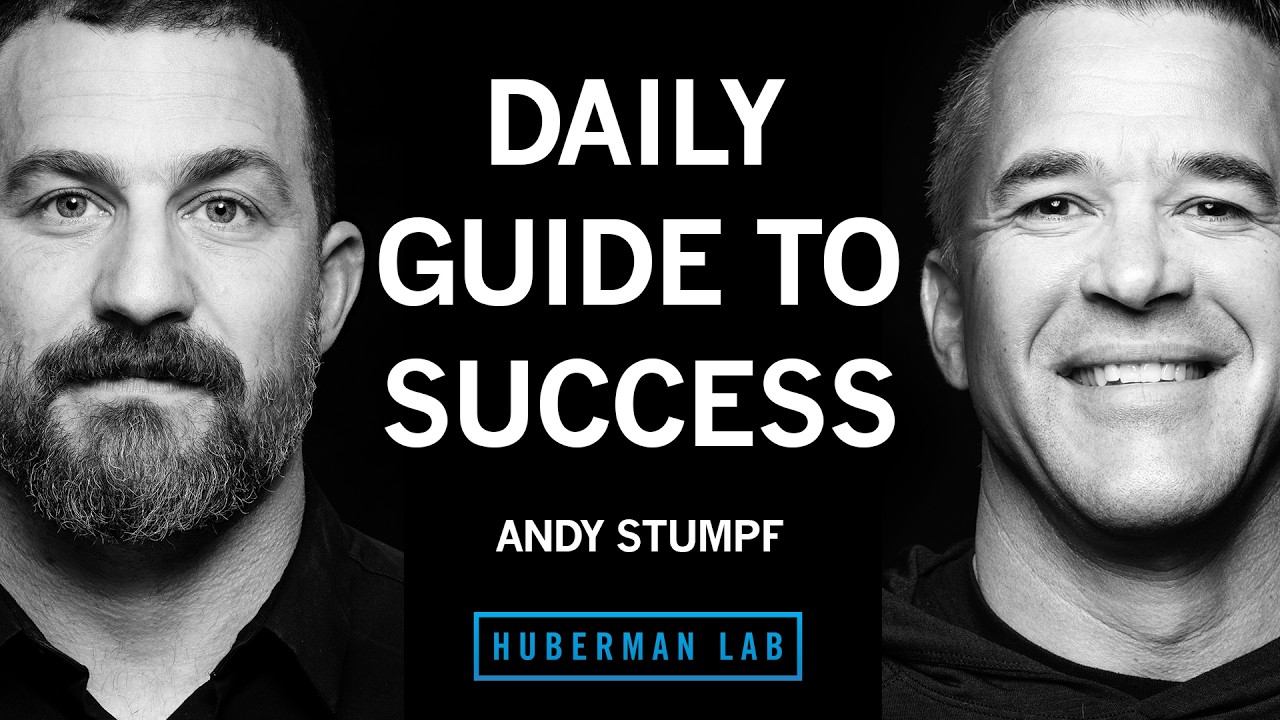 176 min
The Mental Frame & Specific Daily Actions to Succeed | Andy Stumpf
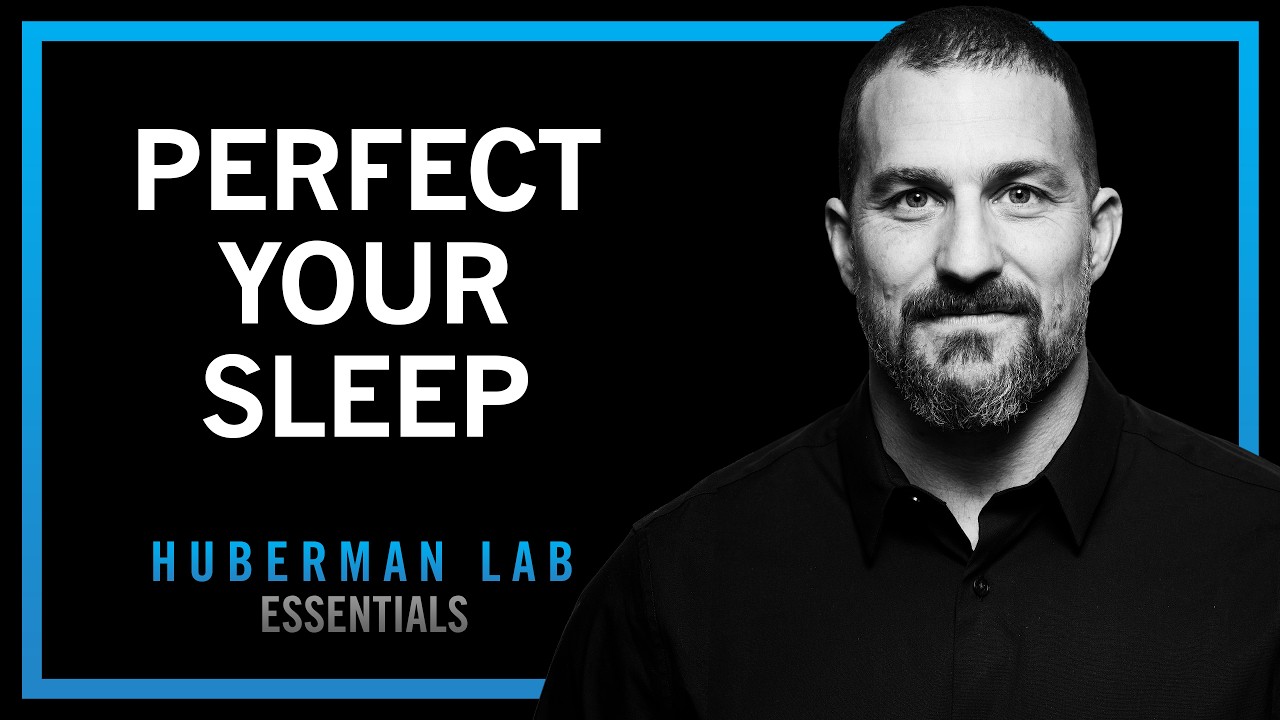 35 min
Essentials: Sleep Toolkit for Optimizing Sleep & Sleep-Wake Timing
 118 min
Eating for Better Sleep & Foods that Improve Metabolic Health | Dr. Marie-Pierre St-Onge
Ask anything from this episode.
Save it, chat with it, and connect it to Claude or ChatGPT. Get cited answers from the actual content — and build your own knowledge base of every podcast and video you care about.
Get Started Free