Key Moments
How to Cram 2 Months of Learning into 1 Day | Josh Waitzkin | The Tim Ferriss Show
 Tim Ferriss
Want to know something specific about what's covered?
We've already dissected every moment. Ask and we will deliver (with timestamps).
Key Moments
Josh Waitzkin reveals advanced learning strategies, leveraging eFoiling for accelerated skill acquisition and mastering deliberate practice through biofeedback and structured daily routines.
Key Insights
Embrace radical learning acceleration through tools like eFoiling, which drastically increases practice time and allows for deliberate practice on challenging conditions.
Master the art of deliberate practice by focusing on specific elements, repeating them deliberately, and finishing strong to internalize learning.
Utilize biofeedback, particularly Heart Rate Variability (HRV), not just for tracking physiological states but as a tool to train intuition and somatic self-awareness.
Structure your day proactively by blocking out time for deep thinking, aligning it with peak energy periods, and prioritizing the 'Most Important Question' (MIQ).
Cultivate the ability to 'let go' of tasks and questions after focused effort, allowing for unconscious processing and preventing burnout.
Determine your 'zone of genius' by deeply understanding yourself as a learner, embracing your unique traits, and pursuing unobstructed self-expression.
RADICAL ACCELERATION THROUGH EFOILING
Josh Waitzkin shares his recent experience of 'cramming two months of learning into each day,' primarily through his immersion in surfing and particularly foiling. He highlights the eFoil, a surfboard with a hydrofoil, as a game-changer. Unlike traditional surfing, the eFoil allows for significantly more wave time per session (up to 54 minutes) and faster speeds, enabling rapid skill acquisition. This technology facilitates deliberate practice by allowing repetition of specific challenges, like navigating boils or steep sections, which are rare and difficult to replicate in conventional surfing.
MASTERING DELIBERATE PRACTICE AND UNCONSCIOUS LEARNING
Waitzkin emphasizes the importance of deliberate practice and harnessing unconscious learning. He draws a parallel from skiing, where Billy Kidd highlighted the significance of the last few turns before getting off the lift. These turns, often done with less conscious effort, are key to internalizing technique. Similarly, Waitzkin stresses finishing training sessions (whether martial arts, surfing, or foiling) strongly, ensuring the last actions are well-executed to be deeply ingrained. This deliberate finishing strategy optimizes the transfer of learned skills during rest and sleep.
THE ROLE OF BIOFEEDBACK AND HRV IN PERFORMANCE
A critical element of Waitzkin's approach involves mastering feedback and measurement, particularly through Heart Rate Variability (HRV). Working with HRV specialists, he uses it to train clients to quickly enter states of deep concentration and relaxation. Beyond mere tracking of sleep and nutrition, HRV training helps individuals develop somatic awareness. The goal is not dependence on technology but using tools like HRV to train intuition and self-awareness, enabling individuals to recognize subtle shifts in their performance state, such as a drop from a '10' to a '9'.
PROACTIVE DAY ARCHITECTURE AND THE MIQ
Waitzkin advocates for a proactive approach to structuring the day, contrasting it with a reactive one dominated by external inputs and meetings. He stresses blocking out dedicated thinking time, ideally aligned with peak energy periods, typically in the morning. A core practice is identifying and focusing on the 'Most Important Question' (MIQ) for the day, engaging with it before external stimuli take over. This rhythm of thinking about the MIQ the night before, brainstorming it in the morning, and revisiting it periodically throughout the day is crucial for focused, deep work.
THE ART OF LETTING GO AND UNDULATION
Waitzkin highlights the art of 'letting go' as essential for high performance, drawing parallels to Hemingway leaving mid-sentence in his writing. Instead of exhausting all effort at once, it's about completing a focused session with a sense of direction remaining. This allows the unconscious mind to process, preventing burnout and enhancing creativity. He contrasts this with the 'simmering six' state many operate in, advocating for the powerful 'undulation' between deep relaxation and peak intensity ('a 10'), which is millions of times more effective than constant moderate effort.
IDENTIFYING YOUR ZONE OF GENIUS AND SELF-EXPRESSION
Determining one's 'zone of genius' is presented as the foundation for living a life of self-expression. This involves deep introspection to understand oneself as a learner, embracing unique traits, and processing personal, professional, technical, and psychological patterns. By examining both successes and errors, individuals can uncover the seeds of their insights and limitations. The ultimate goal is unobstructed self-expression, where one's work feels like an authentic extension of their core being, leading to profound fulfillment and mastery.
Mentioned in This Episode
●Products
●Companies
●Books
●People Referenced
Common Questions
Josh Waitzkin suggests using his MIQ (Most Important Question) framework, which involves identifying a key question the night before, brainstorming it pre-input in the morning, and revisiting it throughout the day. This systematic approach aims to open channels between conscious and unconscious minds for deeper insights.
Topics
Mentioned in this video
A phenom and multiple-time world champion in Brazilian jiu-jitsu, under whom Josh Waitzkin has a black belt.
Author of 'This Is Water', a discussion about seeing one's own environment (like water for a fish), referenced in the context of gaining perspective by stepping away from noise.
A master of learning strategies, a black belt in Brazilian jiu-jitsu, former world champion in Tai Chi Push Hands, and author of 'The Art of Learning.' He coaches top performers across various fields.
An HRV specialist and member of Josh Waitzkin's team who works with his coaching clients on heart rate variability training.
More from Tim Ferriss
View all 703 summaries 70 min
Q&A with Tim — The Art of Male Friendship, Reinvention in The Age of AI, & More
 125 min
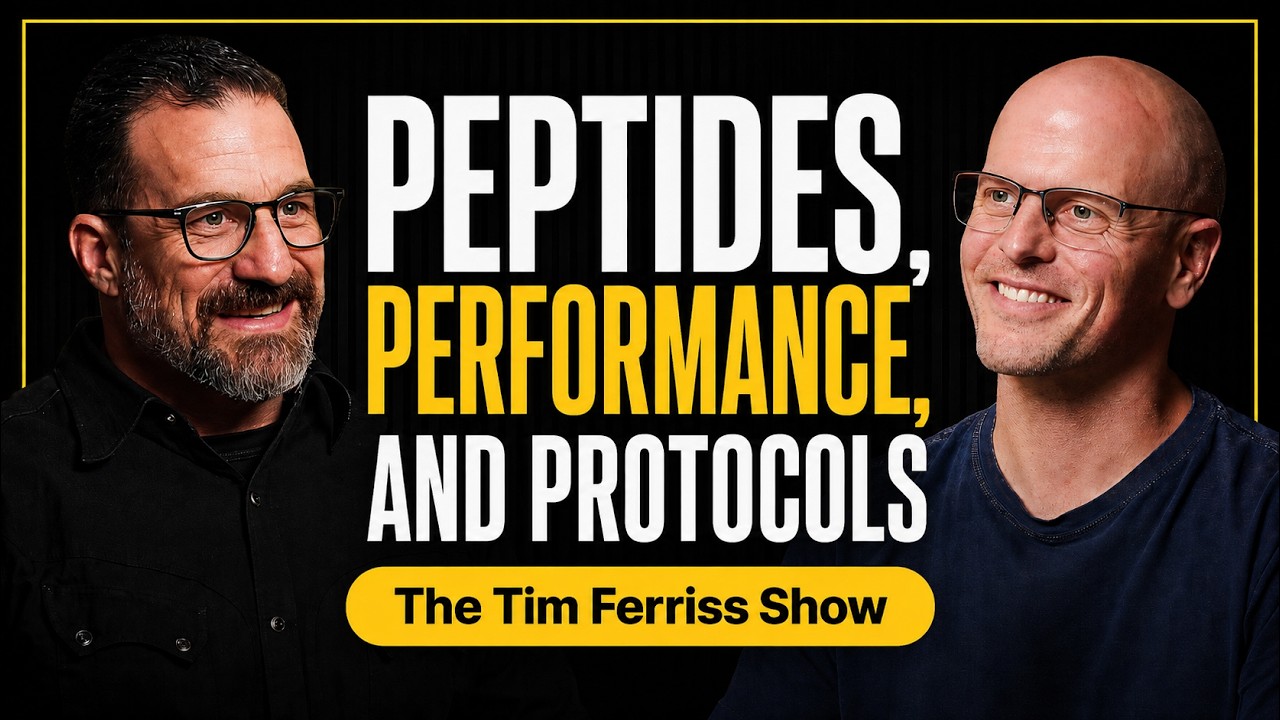
Dr. Andrew Huberman — Peptides, Performance, and Protocols
 112 min
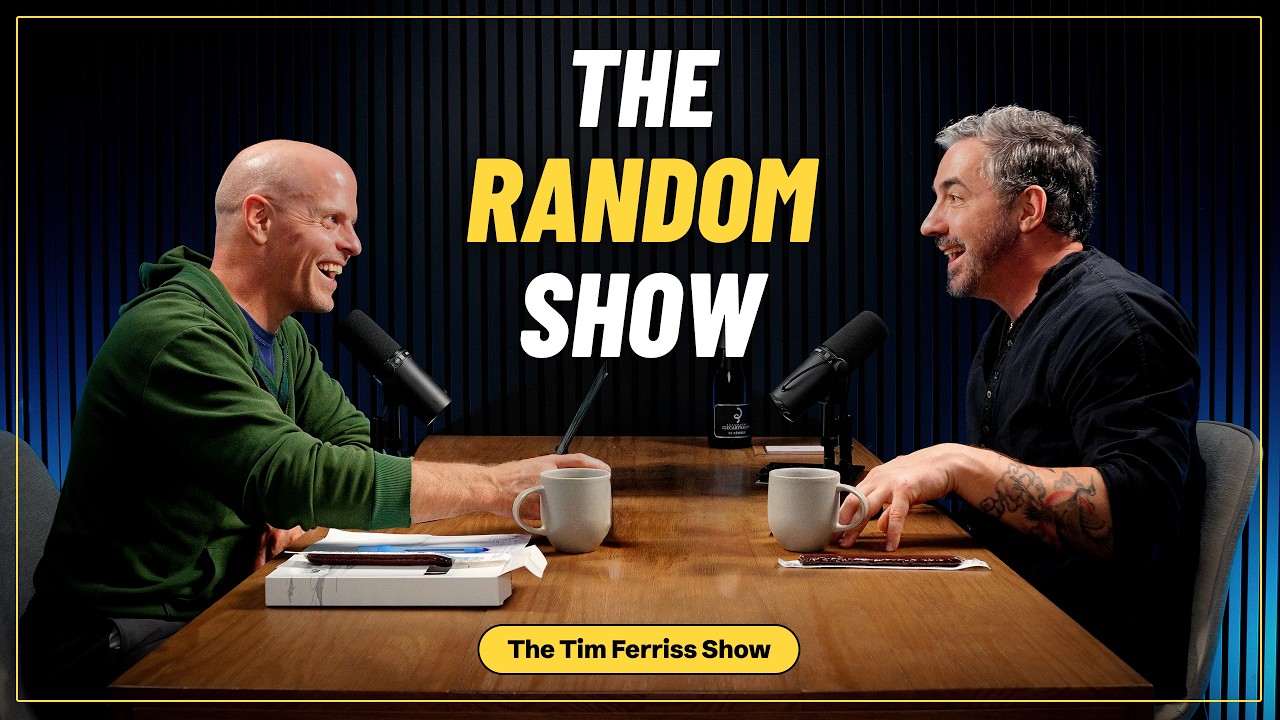
The Random Show! Mortality, AI, Supplements, Rock Climbing, & More
 88 min
The Legendary Hollywood Power Broker — Guy Oseary on 36 Years of Managing Madonna, 26 IPOs, and More
Ask anything from this episode.
Save it, chat with it, and connect it to Claude or ChatGPT. Get cited answers from the actual content — and build your own knowledge base of every podcast and video you care about.
Get Started Free