The Innovator's Dilemma
book by Clayton M. Christensen
When New Technologies Cause Great Firms to Fail
Build a pod from every podcast that mentions The Innovator's Dilemma.
10 videos so far. See who recommends it, what they actually said about the ideas, and where they disagree.
Common Themes
Videos Mentioning The Innovator's Dilemma

All-In Summit: Bill Gurley presents 2,851 Miles
All-In Podcast
A concept discussed in relation to how startups disrupt markets and how Epic created barriers for competitors.

⚡️ The State of AI Engineer Hiring: Cheating, AI Adoption,Junior Devs — Vivek Ravisankar, HackerRank
Latent Space
A business theory discussed in relation to the challenges faced by founders trying to pivot products towards AI when existing customers prefer the pre-AI version.

Building for the Enterprise with Aaron Levie (How to Start a Startup 2014: Lecture 12)
Y Combinator
A book recommended for those building enterprise software companies.

Caterina Fake — The Outsider Who Built Giants | The Tim Ferriss Show (Podcast)
Tim Ferriss
A book Caterina Fake previously recommended for entrepreneurs.

Tim O'Reilly Interview | The Tim Ferriss Show (Podcast)
Tim Ferriss
A book by Clay Christensen, mentioned by O'Reilly in the context of questioning current economic measurements.
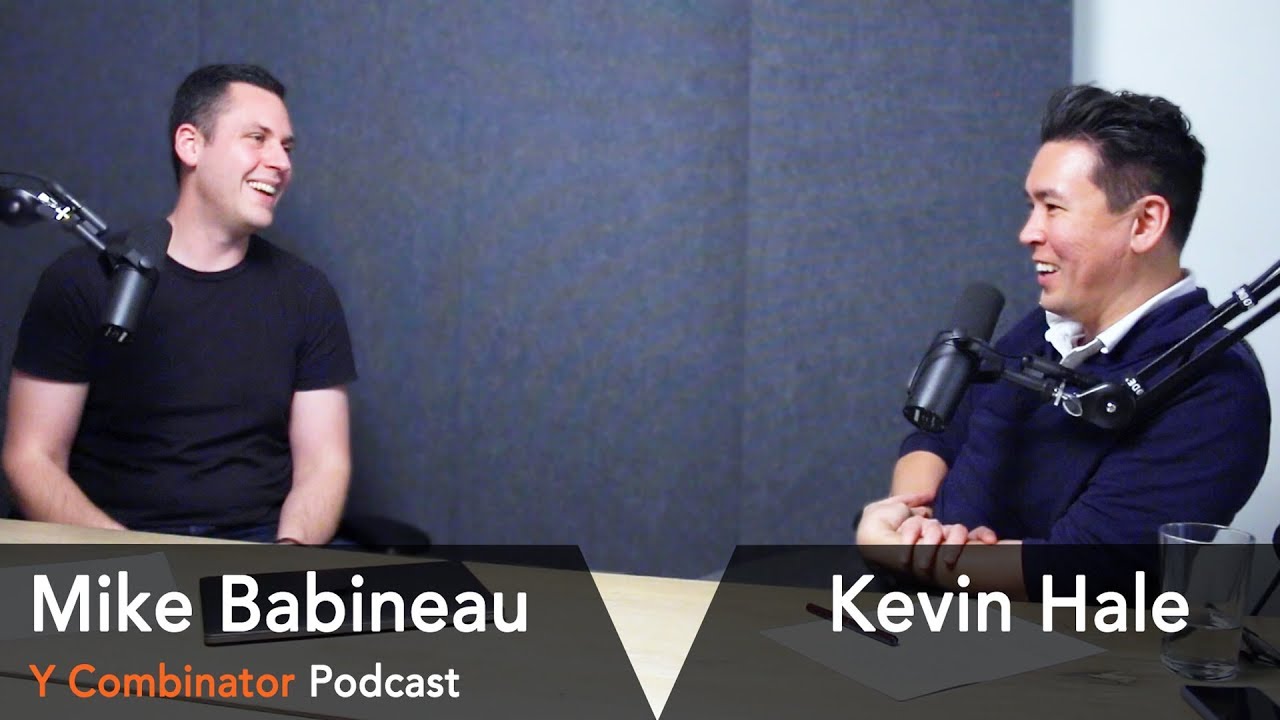
Analyzing Billions of Transactions to Understand Consumer Behavior - Michael Babineau and Kevin Hale
Y Combinator
A book by Clayton Christensen that influenced the company's thinking on market focus.

Chris Dixon at Startup School 2013
Y Combinator
A book by Clayton Christensen that explains how new technologies, initially dismissed as toys, can eventually disrupt established markets.

Jimmy Carr: "There's A Crisis Going On With Men!"
The Diary Of A CEO
A book that changed Steven Bartlett's mind about innovation, categorizing it into upward and downward opportunities.

Stanford CS153 Frontier Systems | Nikhyl Singhal from Skip on Product Management in the AI Era
Stanford Online
The challenge faced by large, successful companies to create new things and go from zero to one, often hampered by existing success and inertia.

The investing hack hiding in your own company
My First Million
A key book that, along with 'The Innovator's Solution', provides a framework for understanding disruptive innovation and how incumbents respond to new business models.