Divine Comedy
1491 edition of The Divine Comedy
Build a pod from every podcast that mentions Divine Comedy.
34 videos so far. See who recommends it, what they actually said about the ideas, and where they disagree.
Common Themes
Videos Mentioning Divine Comedy

Great Books #1: Secrets of the Universe
Predictive History
Dante's Divine Comedy, included in the reading plan.

The Labyrinth: A Journey Through Inner Chaos
Eternalised
Dante Alighieri's epic poem detailing a journey through Hell, Purgatory, and Paradise, using the labyrinth as a metaphor for life's challenges.

Silvio Micali: Cryptocurrency, Blockchain, Algorand, Bitcoin & Ethereum | Lex Fridman Podcast #168
Lex Fridman
A medieval Italian poem by Dante Alighieri, which significantly impressed Silvio Micali, highlighting the power of limitations and adapting language to express profound thought.

Jack Kornfield - How to Reduce Anxiety and Polish the Lens of Consciousness | The Tim Ferriss Show
Tim Ferriss
A narrative poem by Dante Alighieri, mentioned as a metaphor for the profound experiences during holotropic breathwork sessions, encompassing heavens, purgatory, and hell.

Bishop Robert Barron: Christianity and the Catholic Church | Lex Fridman Podcast #304
Lex Fridman
Dante's epic poem, cited for its vivid depiction of Satan as a symbol of pride, frozen in ice at the earth's center.

Global Meet-Up #7 (Toronto): The Rupture
Predictive History
Dante's work where he wrote about pedophilia among Florentine aristocrats, showing a historical elite obsession with children.
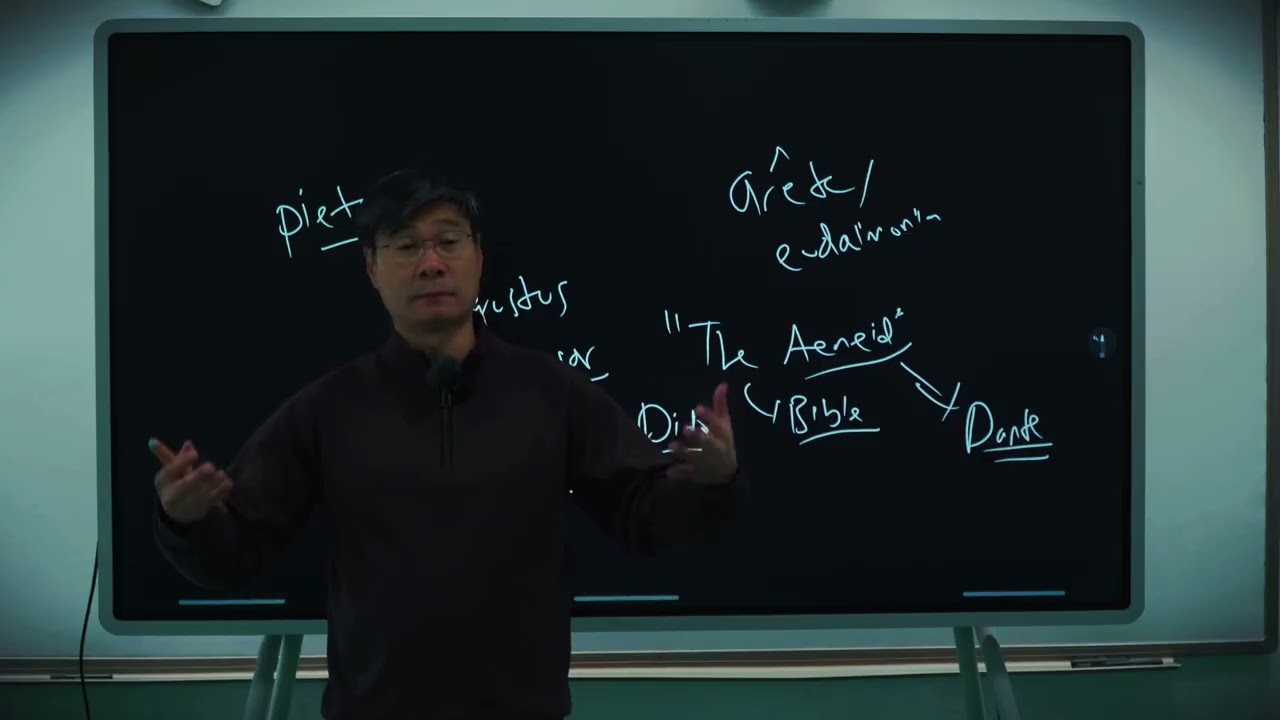
Great Books #7: The Anti-Homer
Predictive History
Dante's work, described as the liberation of the human soul from the 'poison' of the Aeneid.

Great Books #9: Dante (Re-Upload with Audio Fixed)
Predictive History
Dante Alighieri's epic poem, considered a literary masterpiece, structured into Inferno, Purgatory, and Paradise. It is noted for its use of structure and paradox to explore themes of love, God, and the human condition.
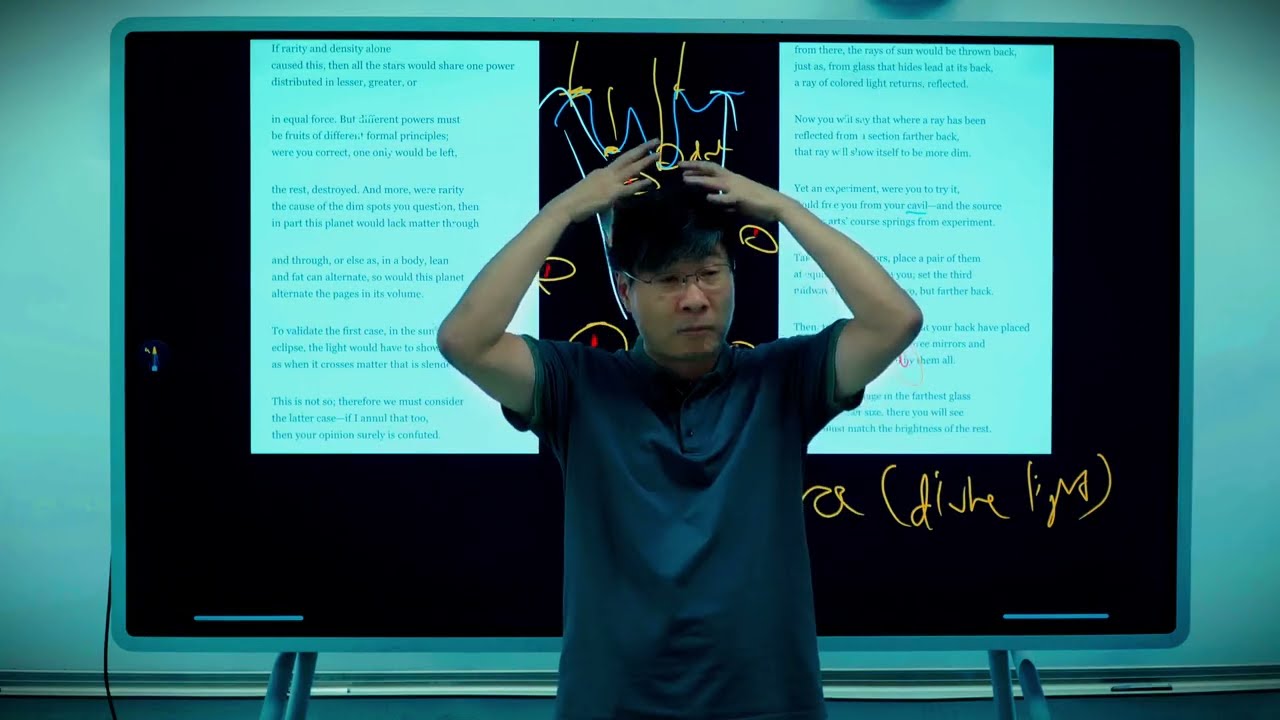
Great Books #12: Dante in Paradise
Predictive History
Dante's epic poem, which is the central focus of the discussion. It is presented as ending the dark ages, providing the blueprint for modernity, and serving as a lifelong journey of understanding the universe and God.

Game Theory #29: Final Examination
Predictive History
Dante's work described as highly influential on the speaker, offering guidance for self-reflection and purpose in the world. Its framework for activating love is discussed.
Live with Predictive History
Predictive History
A book by Dante Alighieri that the speaker will be teaching as a university seminar, aiming to train the next generation of scholars.
Dante Livestream #1 (Monday, June 15 morning)
Predictive History
Dante's epic poem, divided into three parts: Inferno, Purgatory, and Paradise, which is the core text being studied.
Dante Livestream #2 (Tuesday, June 16 10AM)
Predictive History
Dante's epic poem, described as mathematically perfect in its structure, with numerical symbolism like the number 33, and a work that channels divine inspiration.
Dante #1: Paradise Cantos 1-5
Predictive History
An epic poem divided into three parts: Inferno, Purgatory, and Paradise, which is the central text being analyzed in the workshop.
Dante #2
Predictive History
Dante Alighieri's epic poem, which serves as the primary text for the course, explored for its philosophical, theological, and historical insights.

Dante #4
Predictive History
Dante's magnum opus, which he was completing in his final years, intended as his will and testament to humanity.

Dante #3
Predictive History
Dante's epic poem which is the central text of the class. It is discussed as a transformative work that reimagined humanity by emphasizing faith, hope, and love, and is presented as the 'big bang' of Western civilization.

Dante Livestream #5 (Saturday, June 20 10AM)
Predictive History
A complex, subtle, and infinite poem designed to expand imagination, serving as the basis of the Renaissance.

Dante Livestream #6 (Sunday, June 21 10AM)
Predictive History
Dante's epic poem, originally called 'Comedy,' which portrays a journey through Hell, Purgatory, and Paradise. The seminar explores its structure, theology, and democratic spirit.
Dante #6
Predictive History
Dante's epic poem, not originally called 'Divine', which aims to resurrect Homeric ideals and present Dante's cosmology. It is structured to subvert Virgil's authority and promote a radical democratic spirit. The speaker believes it proves the existence of God due to its vast consistency and complexity.

Dante #7
Predictive History
Dante Alighieri's epic poem, explored thematically in the lecture to understand its ultimate message of faith, hope, and love, and its role as a social critique.
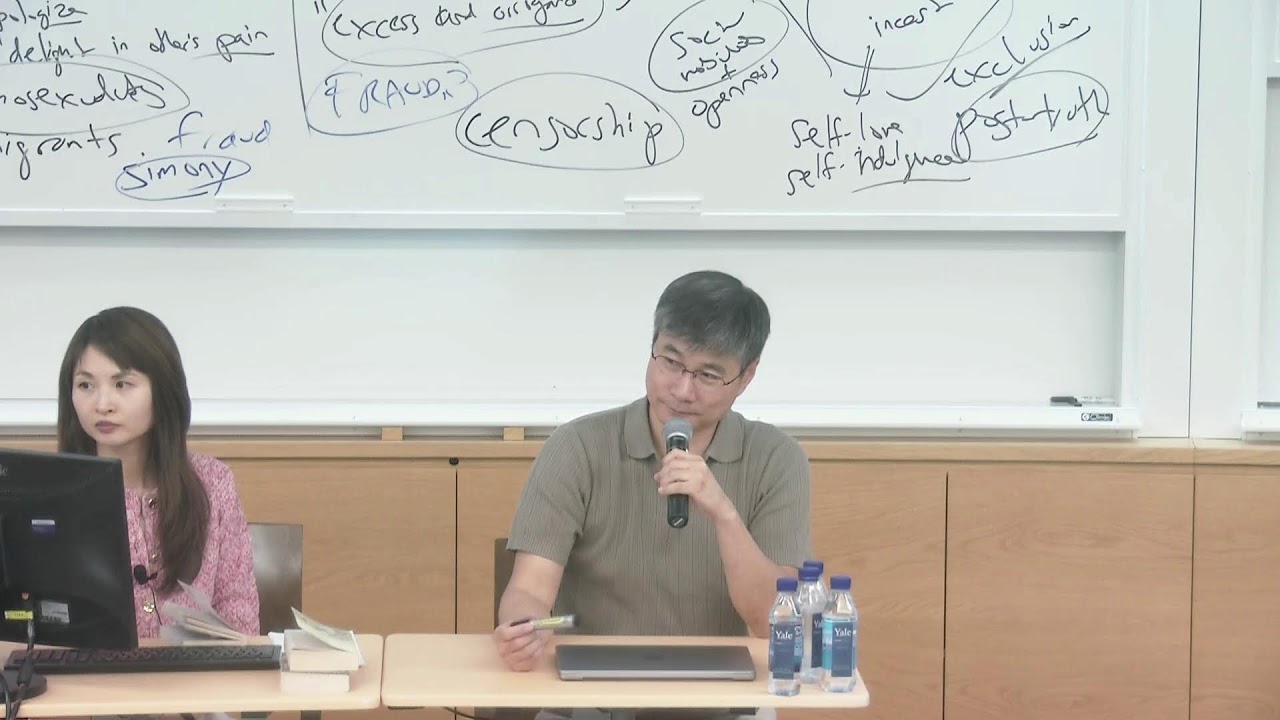
Dante Livestream #7 (Monday, June 22 10AM)
Predictive History
Dante Alighieri's epic poem, which the professor is reading for the first time in full for this course, serving as a complete vision and ultimate message for living a life of faith, hope, and love.
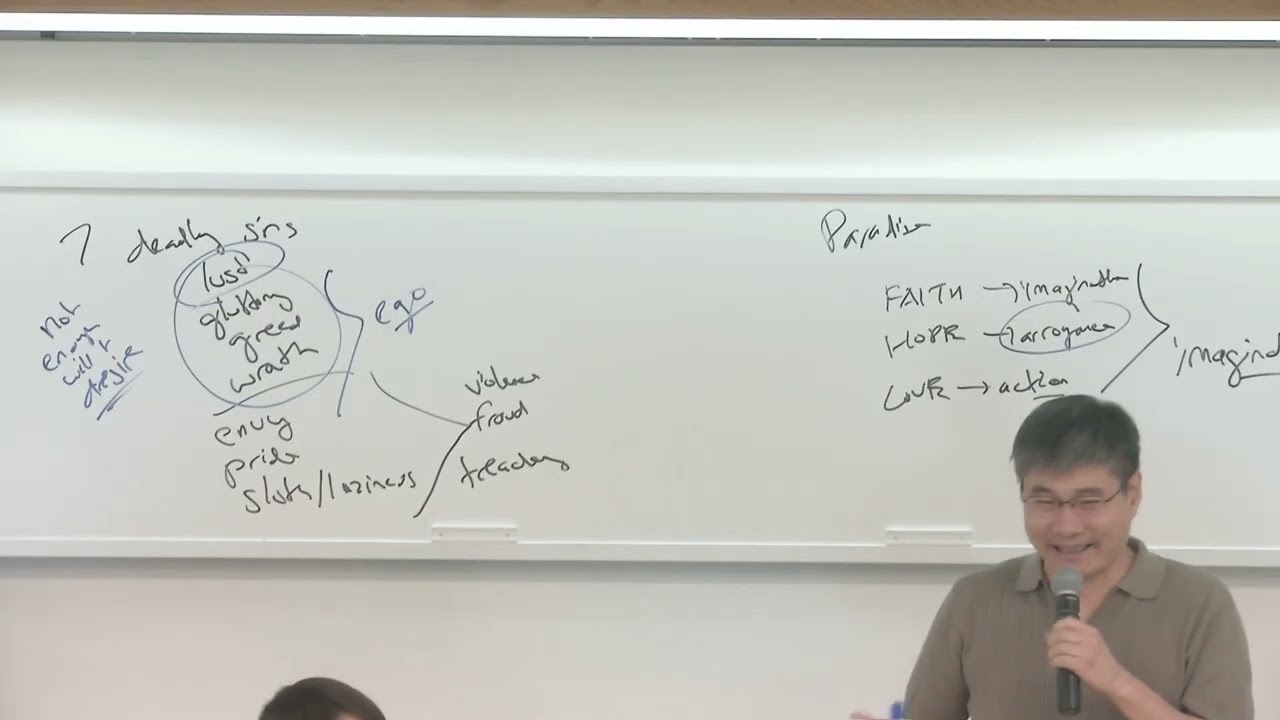
Dante #7 Hell Cantos 10-19
Predictive History
Dante's epic poem, which the lecture analyses. It is treated as both a vision (Paradiso) and a prophecy/social critique (Inferno).

Dante #8 Hell Cantos 20-32
Predictive History
The epic poem by Dante Alighieri, which this lecture is studying, used as context for understanding theological and moral concepts.