Key Moments
Dr. David Sinclair on Informational Theory of Aging, Nicotinamide Mononucleotide, Resveratrol & More
 FoundMyFitness
Want to know something specific about what's covered?
We've already dissected every moment. Ask and we will deliver (with timestamps).
Key Moments
Dr. David Sinclair discusses aging, sirtuins, NAD+, and epigenetic reprogramming for potential age reversal.
Key Insights
Aging is regulated by longevity genes, and lifestyle factors like exercise and fasting can activate them.
Sirtuins are key enzymes involved in aging and lifespan regulation, mimicking calorie restriction benefits.
NAD+ levels decline with age, impairing sirtuin function and DNA repair; boosting NAD+ may offer rejuvenation.
The information theory of aging posits that aging is a loss of information and cellular identity over time.
Epigenetic reprogramming, using Yamanaka factors, shows promise in reversing aging markers and restoring cellular function.
NAD+ precursors like NMN and NR are being investigated for their ability to raise NAD+ levels and their therapeutic potential.
THE DISCOVERY OF LONGEVITY GENES AND SIRTUINS
Dr. David Sinclair's research has identified 'longevity genes' present across species, which are activated by stressors like exercise and fasting. These genes regulate aging, not by adding years, but by extending healthspan. A critical discovery was the role of sirtuin enzymes, which control gene expression and mimic the effects of calorie restriction. When sirtuins are activated, they confer benefits associated with a restricted diet, and their absence negates these benefits, highlighting their central role in the aging process.
NAD+ AS A KEY REGULATOR OF AGING
NAD+ (Nicotinamide Adenine Dinucleotide) is a crucial molecule for metabolism, DNA repair, and sirtuin activity. Its levels naturally decline with age, leading to reduced sirtuin function and impaired cellular maintenance. Sinclair posits that this decline is causal to aging. Lifestyle factors like exercise and fasting can increase NAD+ levels. Boosting NAD+ levels, potentially through supplements like NMN or NR, aims to restore sirtuin activity and trick the body into thinking it's younger, thereby improving cellular repair and function.
THE INFORMATION THEORY OF AGING
Dr. Sinclair proposes the 'information theory of aging,' suggesting that aging is primarily a loss of information and cellular identity. Over time, DNA damage accumulates, distracting sirtuins from their normal regulatory roles. This leads to cells losing their proper gene expression patterns, akin to losing digital information. The goal of interventions like increasing NAD+ is to help sirtuins regain their function, repair DNA damage, and restore the cell's original identity and healthy gene expression patterns.
EPIGENETIC REPROGRAMMING AND AGE REVERSAL
A significant breakthrough discussed is epigenetic reprogramming. Using modified Yamanaka factors, researchers can reset aged cells back to a more youthful state. Early animal studies show that transiently activating these factors can reverse aging markers, improve tissue function, and even extend lifespan without causing tumors. This suggests that aging may not be a one-way street, and cellular rejuvenation is achievable by resetting the epigenome and restoring lost information, though safety and precise control are critical.
NAD+ BOOSTERS: NMN AND NR
Nicotinamide mononucleotide (NMN) and nicotinamide riboside (NR) are precursors to NAD+. While both show promise in raising NAD+ levels in animal studies, NMN appears more effective in some contexts, like increasing endurance. Clinical trials are ongoing to determine optimal human doses and efficacy. Important considerations include the stability of these compounds, as they can degrade, and the potential for more potent, next-generation NAD+ boosters being developed as pharmaceuticals.
REVERSEDAGING RESEARCH AND FUTURE DIRECTIONS
The field is rapidly advancing, with new breakthroughs occurring frequently. Scientists are forming entities to fund human clinical trials, focusing initially on difficult-to-treat conditions like glaucoma. While interventions like fasting and NMN show promise in slowing aging, epigenetic resetting represents a potentially more potent form of age reversal. The ultimate goal is to translate these findings into safe and effective therapies, possibly delivered via pills or infusions, to significantly extend human healthspan and combat age-related diseases.
Mentioned in This Episode
●Supplements
●Software & Apps
●Companies
●Organizations
●Drugs & Medications
●Concepts
●People Referenced
Common Questions
Longevity genes, discovered in organisms like yeast and worms, are genes that regulate the aging process. Activating these genes through methods like exercise or fasting can help repair the body and potentially slow down aging.
Topics
Mentioned in this video
Commonly used animal models in aging research, mentioned extensively throughout the discussion on NMN, Resveratrol, and epigenetic resetting.
Simple organisms used in early aging research, where longevity genes and the role of sirtuins were first studied.
Organisms used in aging research, notably in Andy Dillon's lab, where longevity genes controlling lifespan were identified.
A dietary intervention involving reducing food intake by 30-40%, known to activate longevity genes like sirtuins.
A target disease for the new entity formed by researchers to fund clinical trials in the area of epigenetic resetting.
The medical illustrator for David Sinclair's upcoming book.
A scientist whose lab used nematode worms to study the genetics of aging.
Founder of Sydney Colony, mentioned as a historical figure featured in Sinclair's upcoming book.
A scientist known for the disposable soma hypothesis, which suggests organisms allocate resources between reproduction and bodily maintenance.
A researcher who collaborated with Sinclair on resveratrol studies and conducted primate studies.
A Stanford researcher specializing in the epigenomic causes of aging.
A researcher interviewed on the podcast who discusses the signals important for autophagy, including protein acetylation.
A researcher at UPenn studying epigenetics and lifespan differences, such as between ants and longer-lived organisms.
Works on the epigenetics of yeast cells, studying protein distribution and cell age.
More from FoundMyFitness
View all 96 summaries 161 min
How To Slow Biological Aging With a Multivitamin, Vegetables, & Omega-3 | Dr. Steve Horvath
 186 min
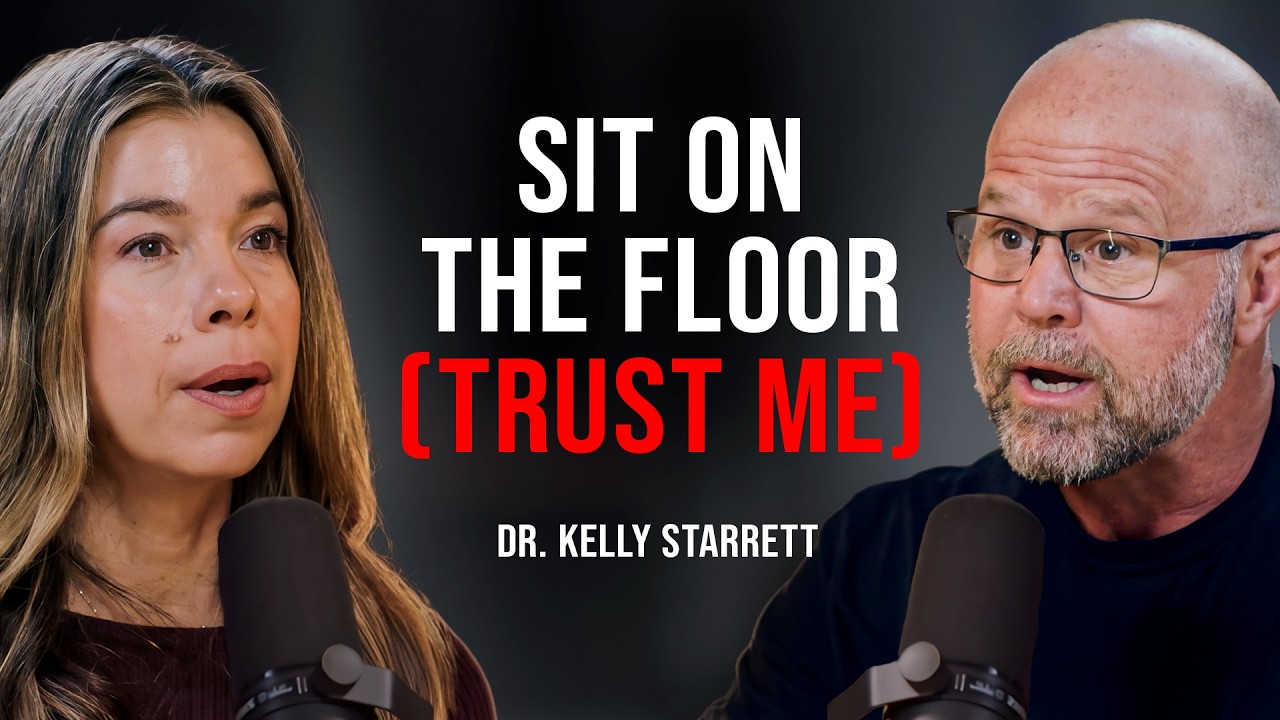
The Scientific Formula for a "Healthy Day" | Dr. Kelly Starrett
 73 min
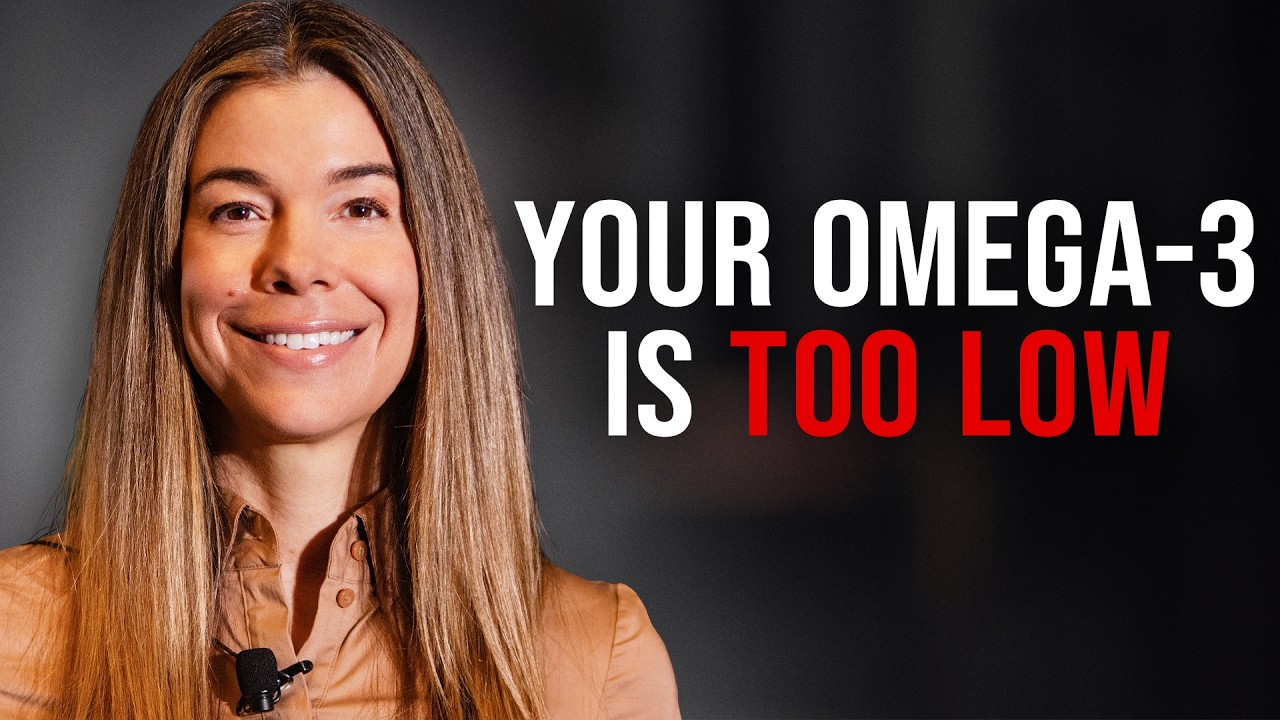
The Optimal Omega-3 Protocol for Heart, Brain, & Longevity
 150 min
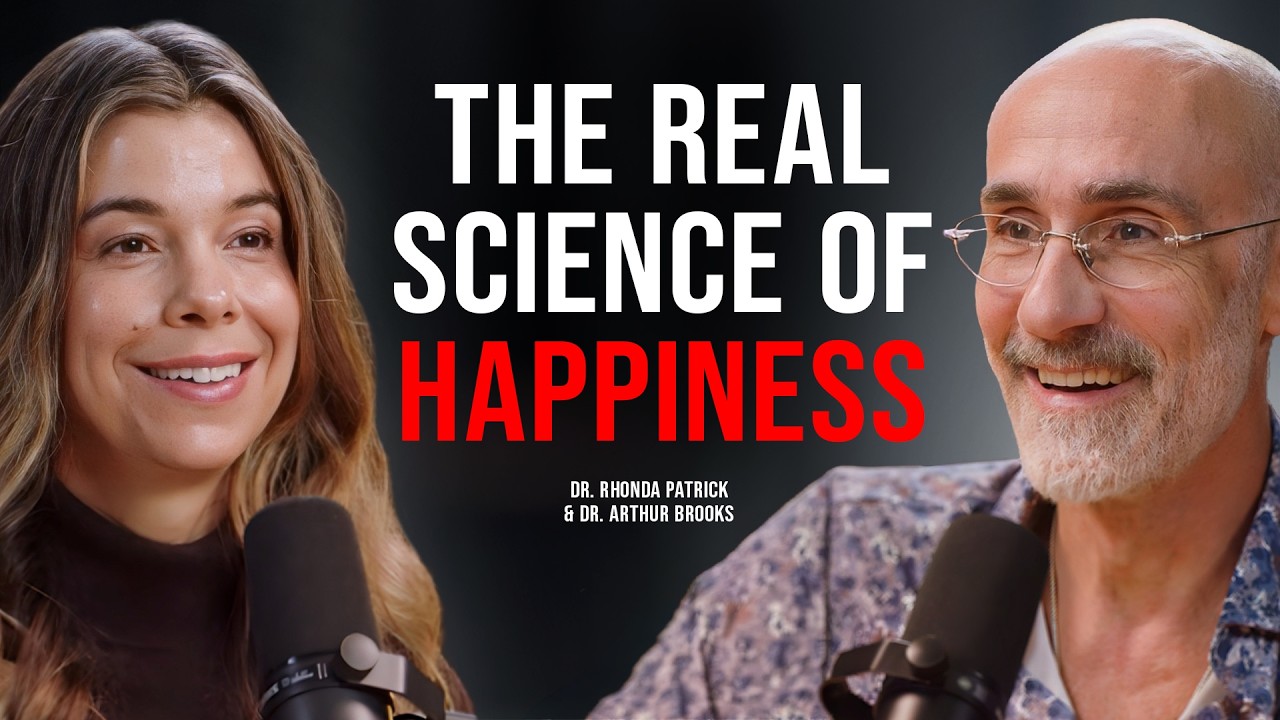
How To Build Lasting Happiness | Dr. Arthur Brooks
Ask anything from this episode.
Save it, chat with it, and connect it to Claude or ChatGPT. Get cited answers from the actual content — and build your own knowledge base of every podcast and video you care about.
Get Started Free