Key Moments
366 ‒ Transforming education with AI and an individualized, mastery-based education model
 Peter Attia MD
Want to know something specific about what's covered?
We've already dissected every moment. Ask and we will deliver (with timestamps).
Key Moments
AI and mastery-based education can revolutionize K-12 learning, making it personalized and effective.
Key Insights
The US K-12 education system is underperforming despite high spending, with declining academic standards.
Mastery-based learning, focusing on foundational skills rather than time spent, is crucial for true understanding.
AI and personalized learning are the "microscope" that can finally enable truly individualized and effective education at scale.
Motivation is key; AI can create engaging content and 'time back' as a motivator, making learning compelling.
Current educational technology (EdTech) often fails because it's not integrated into a fundamentally different learning model.
The 'teacher in front of the classroom' model is outdated; AI enables personalized tutoring, freeing teachers to be mentors and motivators.
THE CRISIS IN AMERICAN EDUCATION
The current K-12 education system in the US faces significant challenges, characterized by declining academic performance and a low return on investment despite substantial financial expenditure. Data from standardized tests like the NWA MAP test show a consistent downward trend in average student knowledge across grade levels, with only the top percentile showing improvement. This decline signifies a systemic issue where standards are lowered to accommodate a time-based progression rather than true mastery, leading to widespread knowledge gaps.
THE POWER OF MASTERY-BASED LEARNING
A fundamental shift towards mastery-based learning is proposed as a solution. This model emphasizes deep understanding of foundational concepts before advancing, akin to how sports coaches address deficits in basic skills. The transcript highlights how students who appear to be struggling with advanced material often have critical gaps in prerequisite knowledge, such as multiplication tables or fractions. Addressing these foundational gaps through targeted remediation allows students to progress significantly, as evidenced by a student improving her SAT math score from 740 to 790 after revisiting basic multiplication and division fluency.
AI AS THE 'MICROSCOPE' FOR PERSONALIZED EDUCATION
Artificial intelligence is presented as the transformative technology, the 'light microscope' of education, capable of enabling truly personalized and effective learning at scale. Unlike static educational apps, AI tutors can precisely identify knowledge gaps, adapt content difficulty in real-time, and provide immediate feedback. This capability is crucial for implementing learning science principles like the zone of proximal development, ensuring students are challenged but not overwhelmed. AI allows for a closed-loop system of precise instruction and measurement, something impossible in traditional classroom settings.
REDEFINING MOTIVATION AND ENGAGEMENT
A significant obstacle in education is student motivation, with popular distractions like Fortnite and TikTok posing strong competition. The Alpha School model leverages AI to create compelling, personalized content that intrinsically engages students. A key motivational strategy is 'time back' – students who efficiently complete their learning tasks in a shorter period (e.g., two hours) earn the rest of their day for other pursuits. This framing shifts the focus from obligatory school hours to productive learning, making education more appealing and intrinsically rewarding as students experience success and a sense of capability.
THE SHIFT FROM TEACHER-CENTERED TO LEARNER-CENTERED MODELS
The traditional 'teacher in front of the classroom' model is deemed inefficient for personalized learning. AI tutors can deliver individualized instruction, diagnose issues, and track progress with unparalleled precision. This frees human educators to act as guides, mentors, and motivators, focusing on social-emotional development, high standards, and personalized support. This shift allows teachers to fulfill their desire to positively impact students' lives, rather than being bogged down by administrative tasks like grading and lesson planning, fostering deeper student-guide relationships.
FINANCING, SCALABILITY, AND THE FUTURE OF SCHOOLING
Transforming education requires significant capital and a re-envisioning of school infrastructure. While AI significantly reduces the cost of delivering personalized education, initial investment in developing AI tutors and creating new school models is substantial. The goal is to democratize access to effective, personalized learning, moving beyond elite institutions. The initiative aims to scale through various models, including tuition-based schools, charter schools, and potentially integrating with public school systems, making mastery-based, AI-driven education accessible to billions of students globally and unlock their full potential.
Mentioned in This Episode
●Products
●Software & Apps
●Companies
●Organizations
●Books
●Studies Cited
●Concepts
●People Referenced
Common Questions
The US spends $1 trillion on K-12 education, but standards are consistently declining. The system is time-based, not mastery-based, meaning students advance regardless of whether they've mastered the material, creating compounding knowledge gaps. Furthermore, less than 10% of parents prioritize academics above other school functions, hindering demand for higher standards.
Topics
Mentioned in this video
Considered one of the fathers of expert systems and old school AI, taught Joe Lemont at Stanford.
A leader in learning science from Stanford's School of Education, author of a book on learning science.
Founder of Alpha School in Austin, and Joe Lemont's reason for getting involved in education.
Economist whose 2017 study found that children from the richest 1% are 77 times more likely to attend Ivy League schools.
Author of 'The Cell', who wrote about the significance of the light microscope in medicine.
One of the co-founders of Trilogy, suggested moving the company to Austin due to lower costs.
A song generator used by Alpha students to create history lesson songs by feeding it facts.
Joe Lemont's email address for people interested in joining Alpha's mission.
A dynamic reading generator that uses AI to create personalized 'choose-your-own-adventure' stories based on a child's interests and Lexile level.
An educational app used by Alpha School 11 years ago, described as static and not adaptive enough.
More from Peter Attia MD
View all 340 summaries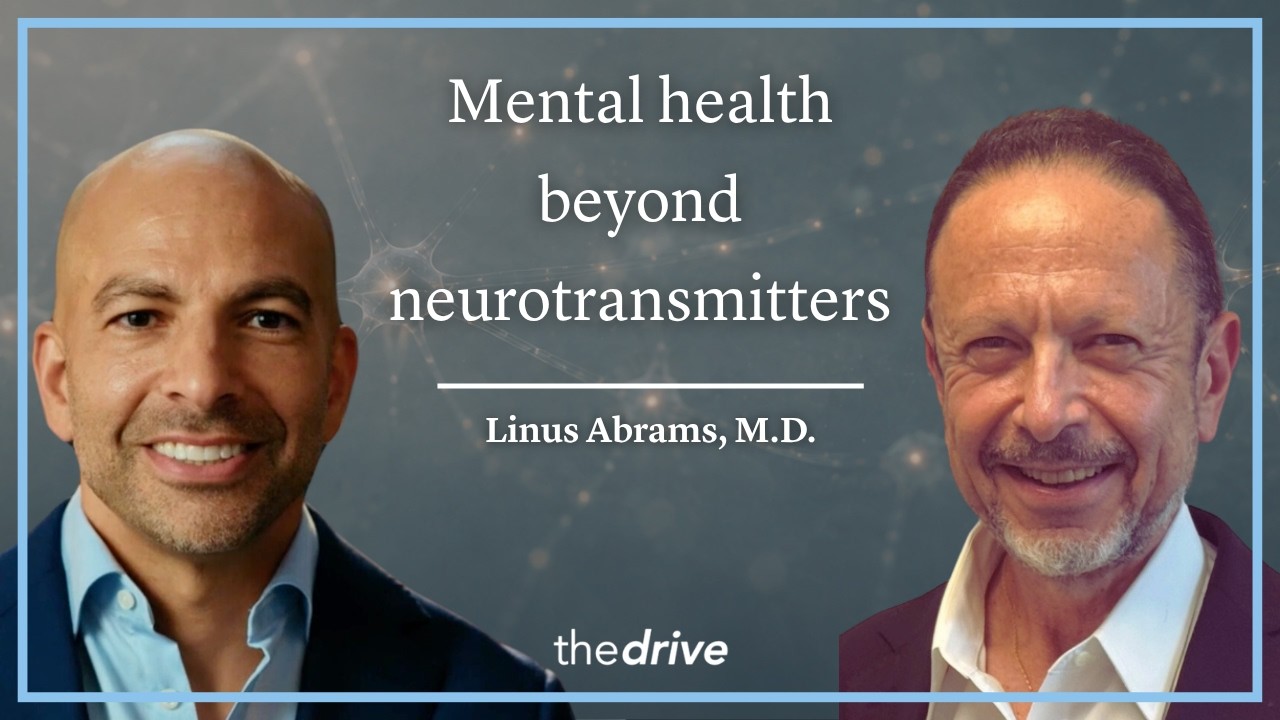 140 min
404 ‒ Mental health beyond neurotransmitters: hormones in psychiatry, psychedelic therapies, & more
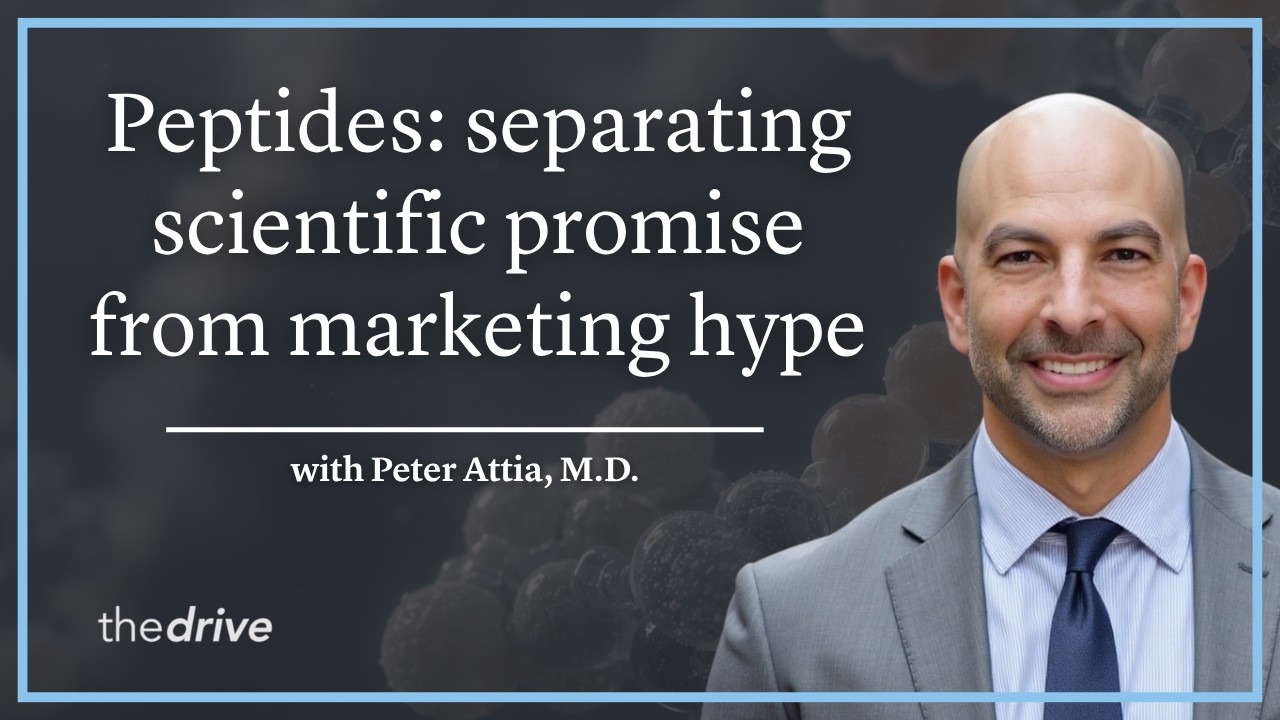 51 min
403 ‒ Peptides: separating scientific promise from marketing hype
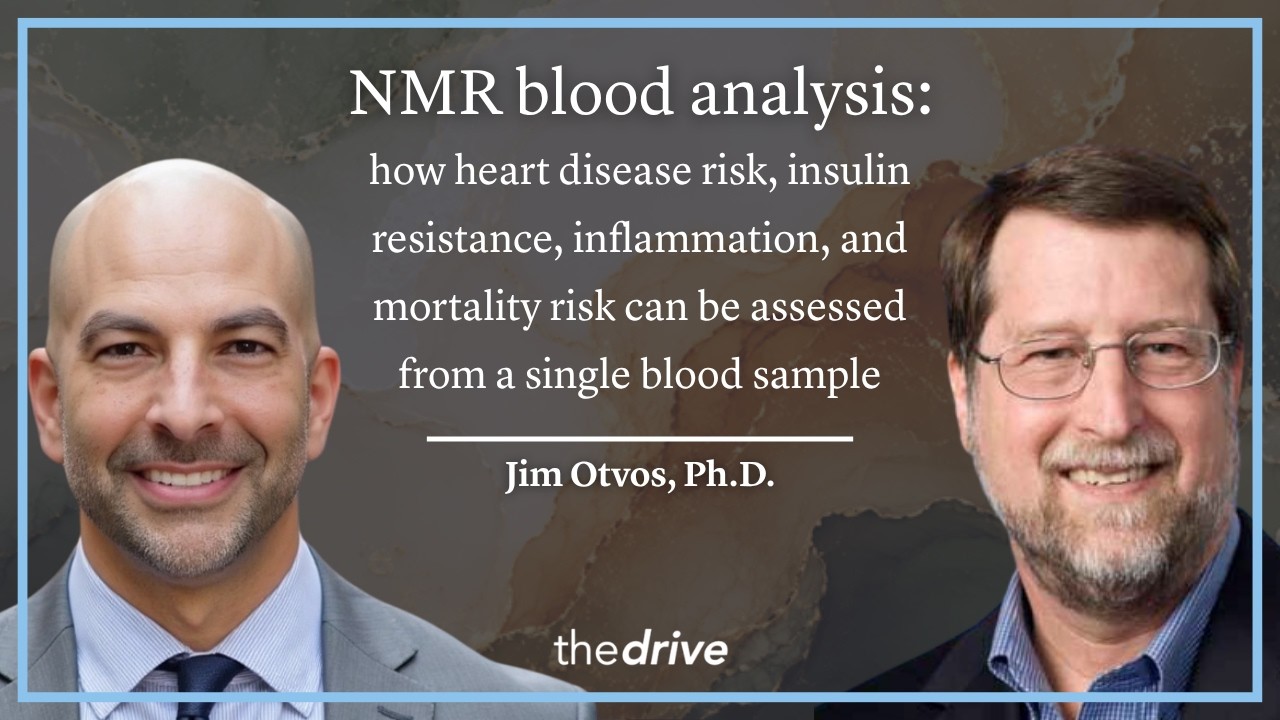 148 min
402 ‒ NMR blood analysis: how mortality risk and more can be assessed from a single blood sample
 118 min
Building strength and muscle mass: optimize training & nutrition for longevity (AMA #71 rebroadcast)
Ask anything from this episode.
Save it, chat with it, and connect it to Claude or ChatGPT. Get cited answers from the actual content — and build your own knowledge base of every podcast and video you care about.
Get Started Free