Key Moments
The design process is dead
 Lenny's Podcast
Want to know something specific about what's covered?
We've already dissected every moment. Ask and we will deliver (with timestamps).
Key Moments
The old design process is obsolete; embrace flexible, AI-enabled workflows.
Key Insights
The traditional design process is being questioned and may be dead in the AI era.
Rigid divergence-convergence cycles hinder speed; flexibility and adaptability are essential.
AI and multi-cloud engineering push designers toward modular, iterative workflows.
Discovery and research should be embedded in execution, not gated upfront by a fixed process.
Cross-disciplinary collaboration with engineers is crucial for scalable, outcome-driven design.
THE DEATH OF THE SACRED PROCESS
The speaker argues that treating the design process as sacred is a mistake and that trusting a fixed sequence is fading. They note that the classic arc of research, discovery, diverge, converge—once treated as gospel—cannot keep up with how work actually unfolds today. In practice, the process becomes an obstacle to speed and adaptability when it is treated as a rulebook rather than a guiding mindset. The takeaway is not to reject thinking, but to reject dogmatic adherence to a single path.
AI-ERA OPPORTUNITIES AND CHALLENGES
With AI and cloud-based engineering, the landscape of work has shifted from linear templates to modular, scalable workflows. Designers must let go of rigid rituals and instead compose lightweight, iterative processes that can ride on AI capabilities and distributed infrastructure. The 'trust the process' mindset is replaced by trust in impact, continuous learning, and the ability to pivot as tools and data reveal new directions. The emphasis is on outcomes, speed, and collaboration rather than pristine steps.
RETHINKING RESEARCH AND DISCOVERY
Research and discovery should be ongoing activities embedded in execution rather than upfront gatekeeping. The speaker emphasizes that the old sequence could stall progress; instead, teams should run rapid experiments, test assumptions in real time, and let findings inform next moves. The idea is to decentre the ritual of discovery and ground decisions in observable outcomes, user value, and measurable results, while remaining open to serendipity and new data.
CROSS-DISCIPLINARY COLLABORATION IN DESIGN
Engineers with multi-cloud environments require designers to operate with different constraints and tools. Collaboration becomes the core craft; design is no longer a solitary stage but a continuous dialogue with engineering, data, and product. Tools evolve to support iterative loops, sharing prototypes, and integrating feedback from diverse stakeholders. The lesson is that structure should be flexible, not rigid, enabling teams to learn quickly and ship with confidence across cloud ecosystems.
OUTCOME-DRIVEN, FLEXIBLE WORKFLOWS
Design becomes an outcome-driven practice where success is defined by validated impact rather than adherence to a process. Teams prototype rapidly, measure outcomes, and adjust course as necessary. The shift demands mental models that prize adaptability, minimal governance, and decision-making speed. It also requires redefining roles so designers shepherd experiments, tests, and metrics, and engineers provide scalable infrastructure. The overall aim is a living workflow that evolves with data, technology, and user needs.
PRACTICAL STEPS FOR DESIGNERS NOW
To survive the AI era, designers should cultivate antifragile processes: quick experiments, lightweight playbooks, and frequent stakeholder alignment. Build a culture of ongoing learning, document decisions in outcomes rather than milestones, and partner closely with engineering from the start. Develop skills in prototyping, data-informed critique, and cloud-aware design. By letting go of the sacred process, designers gain speed, resilience, and relevance in a world where AI and multi-cloud environments redefine what 'design work' even means.
Common Questions
The speaker argues that the traditional design process is basically dead and unreliable, suggesting that fixed, gospel-like methods don’t hold up in modern contexts. This frames the idea that designers should rethink how they approach projects, especially with AI entering the ecosystem.
Topics
More from Lenny's Podcast
View all 34 summaries 80 min
A rational conversation on where AI is actually going | Benedict Evans
 95 min
The AI paradox: More automation, more humans, more work | Dan Shipper
 100 min
Why we’re at the beginning of the AI hardware boom | Caitlin Kalinowski (ex–OpenAI, Meta, Apple)
 100 min
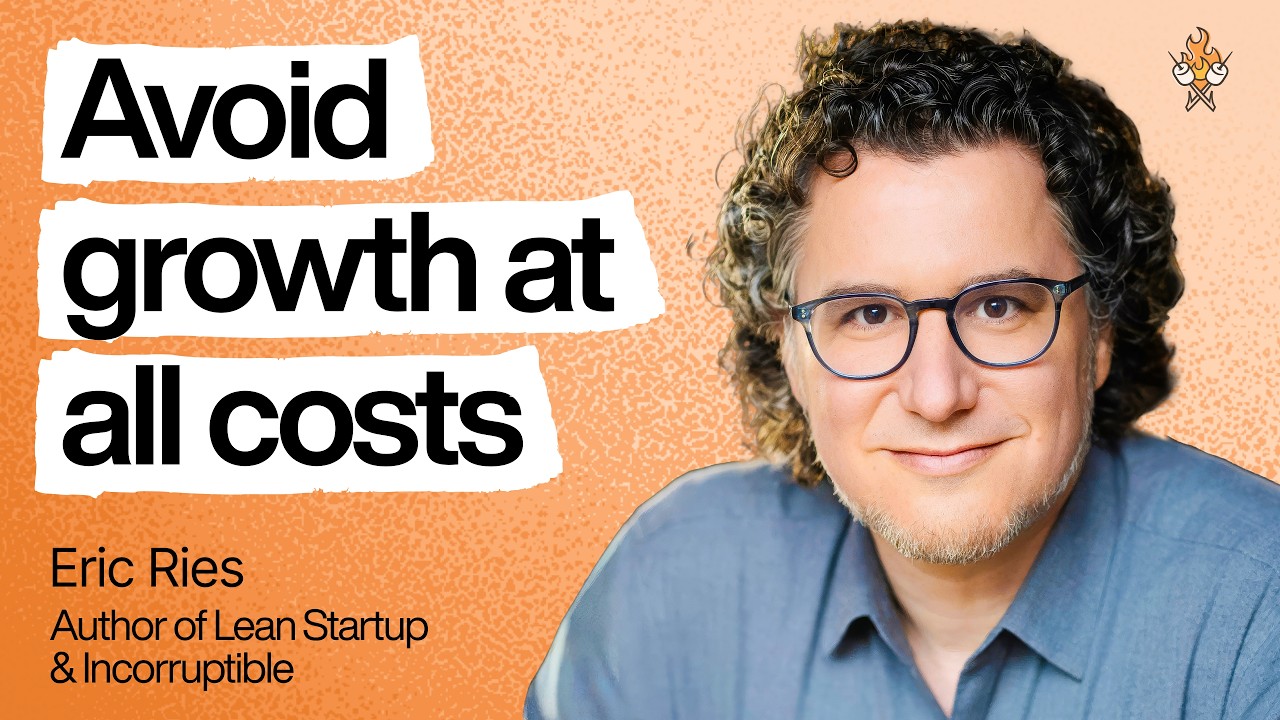
How Anthropic, Costco, and Patagonia all build incorruptible companies | Eric Ries
Ask anything from this episode.
Save it, chat with it, and connect it to Claude or ChatGPT. Get cited answers from the actual content — and build your own knowledge base of every podcast and video you care about.
Get Started Free