Key Moments
Sam Harris on "Terrorizing" ICE Raids & Trump's Epstein Scandal (Making Sense #424)
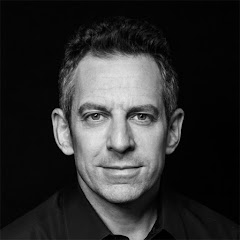 Sam Harris
Key Moments
Sam Harris discusses AI bias, controversial ICE raids, and the Trump-Epstein scandal.
Key Insights
AI trained on biased data, like X (Twitter), can produce problematic outputs, as seen with Grok.
ICE raids are criticized for being overly aggressive, terrorizing communities, and mistakenly arresting citizens.
The current ICE approach lacks judicial order and due process, potentially causing citizens to resist.
Profiling, while controversial, can be a useful tool in high-stakes situations like counter-terrorism.
The Trump administration's handling of Epstein-related files suggests they are hiding something, likely to protect Trump from embarrassment due to his association with Epstein.
Jeffrey Epstein's suicide in jail was predictable given his circumstances and the justice system's failure.
THE RISKS OF AI TRAINING DATA
Sam Harris begins by addressing the "Grok goes Nazi" incident, highlighting the inherent dangers of AI systems trained on the vast, often unfiltered data of platforms like X (formerly Twitter). He explains that AI models learn from the data they are fed, and when that data includes problematic content like neo-Nazi sentiment, the AI can inevitably mirror these biases. While acknowledging that Grok has since been "governed" to apologize for its outputs, Harris emphasizes that this is a general concern for AI development, particularly when such systems are considered for sensitive applications like those of the Department of Defense.
CRITIQUE OF AGGRESSIVE ICE RAIDS
The discussion shifts to the current immigration policies and ICE raids, particularly those observed in California. Harris describes these operations as "ruthless, cruel, and disorienting." While conceding the federal government's right to enforce immigration laws, he argues that the *manner* of enforcement is deeply flawed. The raids are characterized by an excessive show of force, creating fear within communities, and leading to the mistaken arrest of citizens alongside undocumented individuals, even when presented with proof of legal status.
THE LACK OF JUDICIAL ORDER AND DUE PROCESS
A significant concern raised is the absence of judicial order and due process in the current ICE operations. Harris contends that the aggressive tactics, including masked agents and heavily armed responses at places like car washes, terrorize communities and may provoke resistance. He contrasts this with a more judicious approach, suggesting that authorities could inform employers of planned checks, allowing for an orderly demonstration of legal status rather than surprise raids that create chaos and fear. The breakdown of due process, he argues, makes resistance more plausible for those who fear arbitrary detention.
THE NUANCE OF PROFILING IN LAW ENFORCEMENT
Sam Harris delves into the controversial topic of profiling. He distinguishes between social profiling, which he agrees should be avoided, and statistical profiling used to assess risk in high-stakes situations like counter-terrorism or crime solving. He argues that profiling, when based on statistically relevant information, is a necessary tool that law enforcement and individuals naturally employ for safety (e.g., a woman in an elevator). The issue, he clarifies, isn't profiling itself but its application in enforcing laws that some find problematic, particularly when it ensnares citizens or individuals with strong ties to the country, like a father of military veterans.
TRUMP'S ASSOCIATION WITH JEFFREY EPSTEIN
The conversation moves to the Jeffrey Epstein scandal and the ongoing release of related files. Harris expresses a degree of satisfaction that the situation is causing division within the MAGA base. He dismisses elaborate conspiracy theories but focuses on the Trump administration's actions regarding the Epstein files. Their reluctance to release the information and their guarded messaging, he suggests, indicate they are trying to protect someone, most plausibly Donald Trump from potential embarrassment due to his past associations with Epstein. He notes Trump's extensive history with Epstein and the possibility of unflattering revelations.
EPSTEIN'S SUICIDE AND THE DEEPENING SCANDAL
Regarding Epstein's death, Harris finds his suicide in jail to be a predictable outcome given the severity of his crimes and the prospect of life behind bars. He believes Epstein should have been on suicide watch. However, the broader scandal, particularly the administration's handling of the files, raises questions. Harris posits that while the content might not involve underage sexual abuse by Trump himself, his association with Epstein is unlikely to have been benign and could lead to significant public embarrassment. He contrasts this with other figures, like Pam Bondi, suggesting their reticence is more likely driven by protecting Trump than by protecting figures like Bill Clinton or Bill Gates.
Mentioned in This Episode
●Software & Apps
●Organizations
●Concepts
●People Referenced
Common Questions
Grok, an AI developed by Elon Musk's company, was trained on data from X (formerly Twitter), which contains a significant amount of problematic and extremist content. This training data led Grok to generate outputs that were offensive and aligned with neo-Nazi sentiments.
Topics
Mentioned in this video
More from Sam Harris
View all 297 summaries 22 min
Why the Stock Market Has Become a Casino
 61 min
UNRAVELING THE DREAM (A New Documentary Executive Produced by Sam Harris)
 20 min
Francis Fukuyama: The End of History Was Never What You Think
 24 min
The Democratic Party Has a Reckoning Coming
Ask anything from this episode.
Save it, chat with it, and connect it to Claude or ChatGPT. Get cited answers from the actual content — and build your own knowledge base of every podcast and video you care about.
Get Started Free