Key Moments
Praise in private, criticize in public
 Lenny's Podcast
Want to know something specific about what's covered?
We've already dissected every moment. Ask and we will deliver (with timestamps).
Key Moments
Build trust first; critique publicly when you’ve got their back.
Key Insights
Trust is the foundation for productive public critique; without it, open debate can be harmful.
Public, direct feedback can accelerate clarity and accountability when framed with facts and a clear path forward.
Praise and critique aren’t strictly private or public; trust allows flexible, context-appropriate feedback.
Conflict is inevitable in business, but productive conflict requires established trust and respectful communication.
Dedicated time and practices to build trust (1:1s, transparency, follow-through) are essential to enable effective feedback.
BUILDING TRUST AS THE FOUNDATION
Trust isn’t merely a precondition; it’s the daily currency of a productive team. The speaker argues that you can critique and debate in public only after you’ve cultivated enough trust for teammates to believe you have their back. That means consistent, fair behavior, visible support in private, and a track record of keeping promises. When trust is present, public critiques feel like transparent, fact-based discussions rather than personal attacks. Without that trust, open debate becomes risky and corrosive.
PERSISTENT DIRECTNESS IN PUBLIC DEBATE
Directness in public is not inherently cruel; it’s a tool that, used with trust, clarifies problems quickly and reduces ambiguity. The speaker models a blunt yet constructive style: 'This is not working. Let me tell you why it’s not working.' By facing facts openly, teams stop dancing around issues and shift toward actionable fixes. The key is coupling direct public critique with concrete reasoning and a clear path forward so team members understand the goal, not feel attacked.
THE LIMITS OF PRAISE IN PRIVATE ONLY
The phrase 'praise in private, criticize in public' is not a universal doctrine, according to the speaker. Trust changes the balance—when a culture has earned credibility, public recognition can reinforce behavior and drive momentum without undermining candor. The core idea isn’t rigid propriety; it’s alignment between how you talk about performance and how you act toward people. In a high-trust environment, corrections and commendations can be delivered in the same room with equal seriousness.
CRITIQUE IN PUBLIC: CONDITIONS FOR PRODUCTIVITY
Critique in public works best when anchored to facts, impact, and a future-focused remedy. The speaker emphasizes clarity about what isn’t working, why it matters, and what success would look like. This approach prevents blame-shifting and keeps the team aligned on results. Public feedback should remain respectful, specific, and actionable, with room for questions and defense only within a constructive frame. When the conditions are met—facts, fairness, tangible next steps—public critique becomes a powerful catalyst for improvement.
BACKING YOUR TEAM: SUPPORT BEYOND CRITIQUE
Back-channel support is essential when you critique publicly. The speaker insists you don’t abandon people in private after a public rebuke; you reinforce their capability, remind them of their strengths, and signal that you have their back even as you hold them to account. This consistent support reduces defensiveness and invites collaboration on solutions. In practice, it means follow-up conversations, resource commitments, and visible willingness to stand with teammates as they implement changes.
CONFLICT AS A NECESSARY PART OF BUSINESS
Conflict is framed as a natural and necessary condition of business, not a sign of dysfunction. Productive conflict arises when there is enough trust to handle disagreement respectfully and transparently. The goal isn’t to avoid tension, but to channel it toward better decisions, faster learning, and clearer expectations. By embracing conflict as a mechanism for truth-telling and problem-solving, teams become more resilient, more aligned, and more capable of turning disputes into concrete improvements rather than grudges.
TRUST-BUILDING ACTIVITIES AND ROUTINES
Trust is built through repeated, reliable actions that demonstrate care for people and results. The approach calls for deliberate practices: regular one-on-ones, transparent decision-making, consistent follow-through, and visible support when teammates encounter difficulty. In the long run, these routines create an environment where people feel safe to challenge ideas, admit mistakes, and ask for help without fear of humiliation. When trust is cultivated as a daily discipline, the line between private and public feedback becomes a shared, productive norm.
TIMING AND CONTEXT MATTER
Timing and context determine whether public critique lands well. The same message delivered at the wrong moment can derail momentum or trigger defensiveness. Leaders should assess emotional state, project stage, and the individual's readiness to engage in debate. The lesson is not to abandon public critique, but to calibrate its delivery to maximize learning and minimize unnecessary conflict. When used thoughtfully, timing acts as a force multiplier, ensuring that feedback drives clarity and accountability rather than resentment.
LISTENING AS A KEY FEEDBACK SKILL
Effective feedback is a two-way conversation, not a monologue. The speaker’s philosophy implies listening as vigorously as speaking, inviting questions, and incorporating input from teammates before concluding. This stance reduces blind spots, surfaces alternative explanations, and demonstrates that critique is aimed at improvement rather than personal judgment. By structuring dialogue to include listening, you turn potential defensiveness into curiosity and accelerate the pace at which teams learn, adjust, and implement corrective actions.
CRAFTING FEEDBACK THAT MOVES FORWARD
Feedback must translate into execution. The approach described pushes for concrete next steps, clear expectations, and measurable outcomes. It’s not enough to label a problem; you must help the team see what success looks like and how to get there. This means assigning ownership, setting milestones, and agreeing on a follow-up timeline. When people can visualize progress and receive timely guidance, they stay motivated, reduce hesitation, and transform critique into tangible performance improvements.
CULTURAL CONSIDERATIONS IN FEEDBACK PRACTICES
Different teams interpret feedback through varied cultural lenses, so the approach must be adaptable. What works in one organization could backfire in another if trust norms differ or if public critique feels humiliating rather than constructive. The speaker’s logic remains universal—trust precedes candor—but the mechanics must be tuned to language, hierarchy, remote collaboration, and diversity. Leaders should test, gather feedback, and adjust their public-private mix to fit the unique dynamics of their people and culture.
MEASURING TRUST: INDICATORS AND FEEDBACK LOOPS
Trust is not abstract; it must be observed through behaviors and outcomes. The approach requires leaders to monitor whether teammates feel safe to challenge, admit error, and seek help, especially when public critique occurs. Indicators include rate of open questions, willingness to defend ideas, and speed of implementing improvements after feedback. By tracking these signals, you can adjust practices before trust erodes and keep the organization on a path where robust debate leads to better decisions.
IMPLEMENTATION STEPS FOR APPLYING THIS APPROACH TODAY
Putting this approach into practice requires concrete steps. Start by auditing current feedback patterns and identifying which people feel safe to speak up in public. Next, set clear expectations about how and when to deliver public critiques, ensuring private support accompanies any confrontation. Establish rituals such as brief weekly reviews that celebrate progress and critique in a constructive light. Finally, train leaders to model the behavior, solicit feedback on their performance, and iterate the system until trust becomes second nature.
Leadership: Do's and Don'ts for Public Critique
Practical takeaways from this episode
Do This
Avoid This
Common Questions
He argues that productive critique requires trust. If you want to critique openly, you must first establish enough trust so team members feel supported and able to engage in public debate.
Topics
More from Lenny's Podcast
View all 34 summaries 80 min
A rational conversation on where AI is actually going | Benedict Evans
 95 min
The AI paradox: More automation, more humans, more work | Dan Shipper
 100 min
Why we’re at the beginning of the AI hardware boom | Caitlin Kalinowski (ex–OpenAI, Meta, Apple)
 100 min
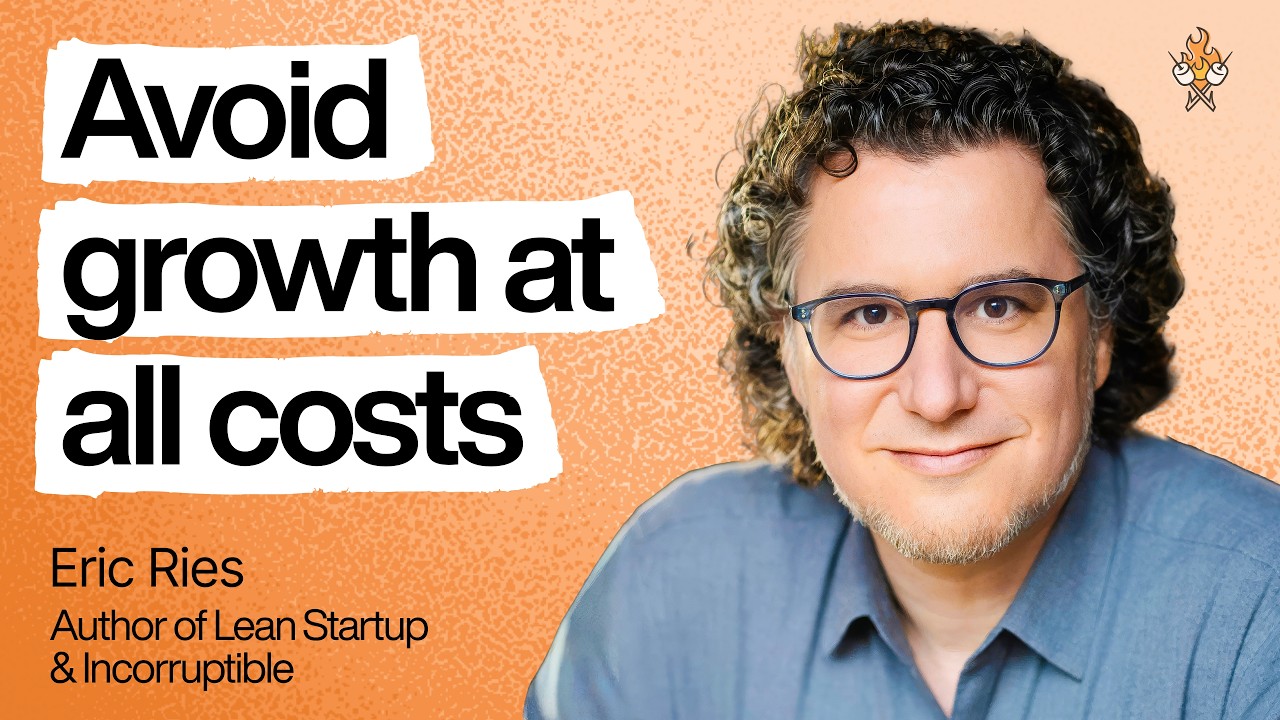
How Anthropic, Costco, and Patagonia all build incorruptible companies | Eric Ries
Ask anything from this episode.
Save it, chat with it, and connect it to Claude or ChatGPT. Get cited answers from the actual content — and build your own knowledge base of every podcast and video you care about.
Get Started Free