Key Moments
How To Work From Home: The Productivity System To Get More Done In 2025 | Cal Newport
 Deep Questions with Cal Newport
Want to know something specific about what's covered?
We've already dissected every moment. Ask and we will deliver (with timestamps).
Key Moments
Improve remote work with clear systems, structured communication, seasonality, and better workspaces.
Key Insights
Successful remote work requires clear workload systems and structured communication.
Embrace 'small-scale seasonality' (variations in work intensity) to make remote work more sustainable and enjoyable.
The physical workspace significantly impacts work focus and mental transition; dedicate spaces and simulate commutes.
Agile methodologies offer a model for structured workload management and communication applicable to remote teams.
Trade accessibility for accountability to gain flexibility and implement seasonality in your work.
Time blocking helps manage work and relaxation, combating the 'always-on' culture of pseudo-productivity.
FOUNDATIONAL IDEA 1: CLEAR SYSTEMS AND STRUCTURE
Cal Newport outlines the first foundational idea for successful remote work: clear workload systems and structured communication. This involves having a clear understanding of what needs to be done, what it means to be finished, and keeping the active workload manageable. Structured communication consolidates interactions into predictable periods, minimizes unscheduled demands (like unexpected emails or chats), and reduces calendar clutter from constant meetings. This is exemplified by agile methodologies in software development, which use shared boards for task management and daily stand-ups for efficient communication, and by claims processing in offices where clear workflows and metrics enable successful remote transition.
IMPLEMENTING STRUCTURE IN YOUR WORK
To apply these principles, teams can adopt agile practices like using a central task board where new tasks are added to a team list, not individual plates, with clear assignments and workload limits (e.g., working on no more than two things at once). Daily synchronization meetings, similar to agile stand-ups, can batch conversations, consolidate commitments, and reduce ad hoc emails. For individuals, creating a personal task board and making it visible to colleagues can provide transparency on task status. Utilizing office hours for impromptu conversations and employing a shared 'docket' for team issues can further structure communication and decision-making, making remote work more effective.
FOUNDATIONALIDEA 2: SMALL-SCALE SEASONALITY
The second idea for making remote work awesome is embracing small-scale seasonality, or variations in work intensity at the daily or weekly level. This contrasts with the 'always-on' expectation driven by pseudo-productivity in traditional offices, where visible effort was prioritized. Digital tools exacerbate this, allowing constant demonstration of busyness. Remote work, free from direct observation, allows for more flexibility. By adopting structured communication and clear workloads (from idea 1), individuals can gain the freedom to have intense work periods followed by lighter ones, fostering greater sustainability and creativity.
HACKING SEASONALITY INTO YOUR REMOTE WORK
To inject seasonality, consider trading accessibility for accountability, meaning you commit to delivering results while having more control over your daily schedule. Time blocking your day provides structure for both work and relaxation, freeing you from the anxiety of constant availability. Designating certain days as 'lighter' or 'no-meeting' days can improve focus and reduce stress. Balancing intense workdays with lighter recovery days, or adopting a hybrid attention model where remote days are meeting-free, can lead to more sustainable and higher-quality output. This allows for deeper focus on essential tasks when working remotely.
FOUNDATIONAL IDEA 3: SPACES MATTER
The third idea emphasizes the psychological impact of the working environment. Traditional offices provided a clear mental separation between work and personal life, reducing cognitive drag. In contrast, working from home often blurs these lines, with household chores and personal reminders creating distractions. The absence of a commute also removes a critical cognitive transition period. Recognizing this, intentional changes to your workspace and routines are essential for effective remote work. This includes creating dedicated spaces for deep work versus logistical tasks, and simulating the mental shift a commute once provided.
OPTIMIZING YOUR WORKSPACE AND ROUTINES
To leverage the importance of space, consider 'work from near home' options, utilizing co-working spaces or dedicated remote offices that are separate from your living environment but still convenient. Invest in improving your home workspace through better equipment, lighting, or dedicated areas. Crucially, create a distinction between 'deep work' spaces and 'logistical' spaces within your home. Furthermore, simulate a commute through activities like a long walk or a workout before and after the workday to mentally transition between work and personal life, preserving focus and well-being.
Mentioned in This Episode
●Software & Apps
●Organizations
●Books
●Concepts
●People Referenced
Common Questions
Cal Newport's three foundational ideas are: 1) Clear workload systems and structured communication, 2) Small-scale seasonality in work intensity, and 3) The importance of physical working spaces.
Topics
Mentioned in this video
More from Cal Newport
View all 309 summaries 66 min
Lessons From a Family Living Like It's The 90s
 23 min
Dear AI Companies: Stop the “Doom Trolling”
 58 min
Are You Lazy or Just Overstimulated?
 59 min
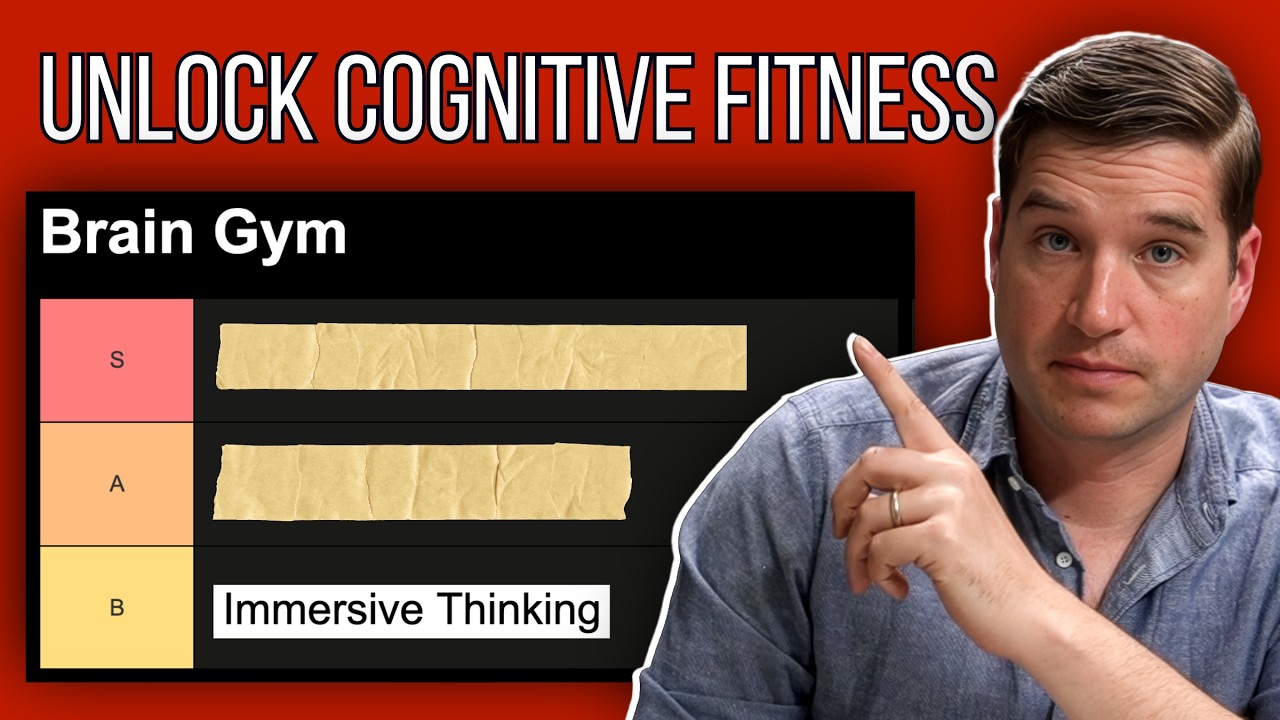
Do I Need a “Brain Gym”?
Ask anything from this episode.
Save it, chat with it, and connect it to Claude or ChatGPT. Get cited answers from the actual content — and build your own knowledge base of every podcast and video you care about.
Get Started Free