Key Moments
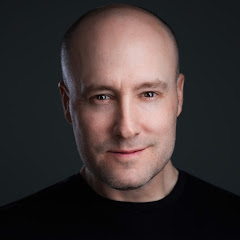
David Sinclair: Revealing the Biggest Myths About Diet, Stress, and Death
 The Knowledge Project
Want to know something specific about what's covered?
We've already dissected every moment. Ask and we will deliver (with timestamps).
Key Moments
David Sinclair discusses aging, proposing it's information loss, and how diet, fasting & adversity can slow it, promoting longevity.
Key Insights
Aging is viewed as a loss of epigenetic information, akin to scratches on a DVD.
Fasting (minimum 14 hours) and caloric restriction can activate longevity genes (sirtuins).
Dietary recommendations include a Mediterranean diet, plant-focused eating, and limiting protein.
Adversity, through fasting, temperature changes, and exercise, triggers beneficial defenses.
Monitoring biological age via DNA methylation clocks offers personalized health insights.
Exercise and stress management (positive outlook, companionship) are crucial for longevity.
Supplements like Resveratrol and NMN, along with lifestyle changes, can enhance healthspan.
THE BIOLOGICAL BASIS OF AGING AND ITS ECONOMIC IMPACT
Dr. David Sinclair posits that aging is not an inevitable biological law but a process rooted in the loss of epigenetic information. This information, which dictates gene expression, degrades over time, leading to tissue dysfunction and age-related diseases. The global economic burden of aging, largely spent on 'sick care' rather than 'health care,' is immense, with estimates suggesting trillions could be saved annually by merely slowing aging, freeing up resources for education, research, and environmental initiatives.
EPIGENETIC INFORMATION LOSS AND THE DVD ANALOGY
Sinclair likens the aging process to damage on a DVD, where the digital information (DNA) becomes unreadable due to 'scratches' (epigenetic dysregulation). While DNA contains the genetic code, the epigenome controls which genes are turned on or off, determining cell function. As this epigenetic information deteriorates, cells lose their identity and function, leading to various age-related ailments. The goal, therefore, is to 'polish' these scratches rather than just treating the symptoms of aging.
HARNESSING ADVERSITY: THE POWER OF FASTING AND STRESS
The body's longevity pathways, particularly sirtuins, are activated by perceived adversity. This includes skipping meals, reducing protein intake, and exposure to temperature extremes. Fasting, even skipping a single meal (achieving at least 14 hours), can significantly improve metabolic health. Longer fasts, beyond three days, trigger autophagy, a cellular recycling process crucial for rejuvenation. The key is to mimic scarcity to activate survival and repair mechanisms, not to induce malnutrition.
DIETARY STRATEGIES FOR LONGEVITY
A plant-focused, Mediterranean-style diet is recommended for longevity. Plants contain molecules that activate longevity pathways like sirtuins and mTOR. Limiting protein intake is crucial, as the body interprets high protein levels as a signal of abundance, hindering longevity pathways. While a carnivorous diet might feel good short-term, it's not conducive to long-term lifespan extension. Pulsing between states of dietary adversity and occasional abundance appears optimal.
THE ROLE OF EXERCISE AND TEMPERATURE THERAPY
Exercise, encompassing resistance training for muscle maintenance and aerobic activity for cardiovascular health, is vital for activating longevity defenses. Even short bursts of intense activity can yield significant benefits. Similarly, heat (saunas) and cold (cold plunges) therapy induce beneficial stress responses. Saunas activate heat shock proteins, while cold exposure can 'brown' fat, revving metabolism and potentially secreting health-promoting signals.
MENTAL WELL-BEING AND THE LIMITATIONS OF PSYCHOLOGICAL STRESS
While biological stress (hormesis) is beneficial, chronic psychological stress is detrimental to longevity. Maintaining a positive outlook, fostering companionship, and having a sense of purpose are key. Worrying excessively can accelerate aging. Centenarians often share traits like a good sense of humor and reduced worry, highlighting the importance of mental resilience and social connection for a longer, healthier life.
SUPPLEMENTS AND THE FUTURE OF AGE REVERSAL
Supplements like Resveratrol and NMN (Nicotinamide Mononucleotide) can activate longevity pathways by boosting NAD+ levels, essentially accelerating the 'sirtuin engine.' These, combined with nutrient-dense foods like those found in greens powders, can support health, especially for those on restricted diets. Looking ahead, scientific breakthroughs in epigenetic reprogramming, like Yamanaka factors, offer the potential to truly reverse biological age, moving beyond slowing aging to actively rejuvenating the body.
THE EMERGENCE OF PERSONALIZED HEALTH MONITORING
Technological advancements allow for continuous monitoring of biological markers through wearables and frequent testing. This data-driven approach, akin to a car's dashboard, enables individuals to understand what works for their bodies and proactively manage their health. The future healthcare system will likely integrate this continuous data stream, shifting from reactive treatment to predictive and preventative strategies, potentially adding decades to human lifespan.
ADDRESSING COMPLEX CHALLENGES: LYME DISEASE AND INJURY PREVENTION
Advanced diagnostic tools are crucial for accurately and rapidly identifying diseases like Lyme, which can have devastating effects if untreated. The medical system needs to evolve beyond outdated diagnostic methods. Furthermore, maintaining physical integrity, such as preventing hip fractures through flexibility and strength, is paramount. These injuries can be as detrimental as severe illness, underscoring the importance of accessible and proactive healthcare measures.
THE STRATEGIC TIMING AND INTERCONNECTEDNESS OF INTERVENTIONS
It's never too late to start implementing longevity strategies, though earlier intervention yields greater benefits. The effects of dietary changes, exercise, and supplementation are additive. Combining multiple interventions amplifies positive outcomes. While the allure of a 'magic pill' persists, true longevity lies in a consistent, holistic approach, integrating lifestyle, nutrition, and potentially future therapeutic technologies for optimal healthspan.
Mentioned in This Episode
●Supplements
●Products
●Software & Apps
●Tools
●Companies
●Drugs & Medications
●Concepts
●People Referenced
Longevity Lifestyle Quick Guide
Practical takeaways from this episode
Do This
Avoid This
Common Questions
Biologically, aging is the loss of epigenetic information, leading to cells losing their ability to function correctly, causing tissue dysfunction and disease. Economically, aging costs trillions of dollars globally in sick care, with calculations suggesting that slowing aging by just one year in the US could save $86 trillion over three decades.
Topics
Mentioned in this video
An analogy used to explain aging as information loss, similar to scratches on a CD or DVD disrupting data readability.
A term coined by the speaker and Conrad Howitz, referring to the idea that compounds from other stressed species can trigger beneficial stress responses in our bodies.
A scientist at UCLA who developed the DNA methylation clock.
A colleague with whom the speaker coined the term 'xenohormesis'.
Former personal chef for Tom Brady and Gisele Bündchen, known for his plant-forward diet recommendations that cut out gluten, dairy, and sugar.
More from The Knowledge Project Podcast
View all 107 summaries 54 min
$4.6B CEO: Excellence Is the Capacity to Take Pain
 55 min
Microbiome Expert: Revealing the Biggest Myths About Your Gut, Diet, and Health
 62 min
Mental Models That Change How You Think | Bill Gurley
 70 min
The Hidden Pattern Behind Winning Products | Farmville creator Mark Pincus
Ask anything from this episode.
Save it, chat with it, and connect it to Claude or ChatGPT. Get cited answers from the actual content — and build your own knowledge base of every podcast and video you care about.
Get Started Free