Key Moments
Monitoring the Situation #3: Who Is Nick Land & the State of Energy
 a16z
a16zWant to know something specific about what's covered?
We've already dissected every moment. Ask and we will deliver (with timestamps).
Key Moments
Focus on energy storage (Batteries) and deregulation for grid modernization and affordability.
Key Insights
Energy storage, particularly batteries, is crucial for reducing electricity costs by managing power flow through time, complementing the decreasing cost of generation.
Deregulation and market pricing signals in Texas incentivize energy development and innovation, making it a model for grid modernization.
The exponential growth of AI and data centers is creating an unprecedented, generational increase in electricity demand, straining existing infrastructure.
Geopolitical shifts necessitate proactive strategies for supply chain control, including reshoring manufacturing for critical energy components.
Building new physical-world ecosystems, like in Texas, requires attractive living conditions and pro-business environments to attract talent and investment.
The current US electricity grid is outdated due to decades of underinvestment in regulated monopolies, necessitating technological upgrades through partnerships or market competition.
THE ENERGY STORAGE REVOLUTION
Energy storage, particularly through batteries, is identified as a critical component in lowering electricity costs. While generation costs have decreased due to solar and wind, transmission and distribution costs have risen due to aging infrastructure. Batteries, acting as a means to move power through time, offer an efficient alternative to traditional poles and wires, known as 'non-wires alternatives.' This technology captures the decreasing cost of generation and helps mitigate the rising costs of electricity movement, making the system more efficient and affordable overall.
AI'S INSATIABLE ENERGY APPETITE
The rapid advancement and widespread adoption of AI technologies, exemplified by the boom in data center construction, are creating a significant and unprecedented surge in electricity demand. This generational increase in demand is now the primary constraint on economic growth, outstripping the availability of compute power. The sheer scale of this demand is driving massive investment and speculation in energy infrastructure, creating a fever pitch in markets like Texas and Northern Virginia.
TEXAS AS A LABORATORY FOR GRID INNOVATION
Texas stands out as a leader in energy innovation due to its deregulated, competitive market. In this environment, price signals directly incentivize developers to build new capacity, driving growth in solar and wind. The state's infrastructure and market dynamics make it an attractive location for data centers. This market-driven approach, stemming from early deregulation, provides a model for how exposing participants to price signals can foster innovation and ultimately drive down costs.
MODERNIZING AN AGING GRID
The U.S. electricity grid, largely built in the mid-20th century, suffers from a lack of innovation due to its historically regulated, monopolistic structure. With little incentive to upgrade or compete, much of the infrastructure is old and undersized. Modernization requires technological upgrades, which can be achieved through partnerships with regulated utilities or by fostering competition in deregulated markets. The goal is to decrease costs and increase reliability, acknowledging that while transmission and distribution may benefit from regulated monopolies, innovation within those systems is crucial.
GEOPOLITICAL SHIFTS AND SUPPLY CHAIN RESILIENCE
Current geopolitical tensions and trade policies are prompting companies to re-evaluate their supply chains, particularly for components manufactured in China. For energy technology companies, this means developing backup plans and potentially reshoring production. Base Power, for instance, accelerated its plans to build a factory in Texas to control its destiny and mitigate risks associated with critical materials like rare earths and batteries. This proactive stance is essential for long-term stability and growth.
THE RISE OF NEW PHYSICAL-WORLD ECOSYSTEMS
The growth of technology hubs, such as Austin, Texas, is creating new centers for physical-world innovation. Factors like high livability, a pro-business environment, a strong talent pipeline from universities, and the presence of major tech companies contribute to their appeal. These evolving ecosystems can attract significant investment and highly skilled engineers, fostering a cycle of growth. The future likely holds several such robust physical-world hubs benefiting from this decentralization and investment.
UNDERSTANDING NICK LAND AND ACCELERATIONISM
Nick Land is an influential, albeit complex, philosopher whose work explores themes of technological progress and capitalism through an inscrutable and provocative style. His ideas, particularly around accelerationism, have gained traction online due to their 'vibey' and grandiose nature. While not directly driving Silicon Valley's actions, his work resonates with the spirit of ambitious technological development and rapid change prevalent in the industry. His shift from a more left-leaning stance to a critical analysis of liberalism has also made him a figure of interest to certain online communities.
THE PHILOSOPHICAL VOID IN SILICON VALLEY
Silicon Valley, despite its ambitious technological pursuits, generally lacks a distinct philosophical community. Most individuals are 'doers' focused on building rather than abstract thinking. While figures like Nick Land can capture the zeitgeist of technological acceleration, their influence is often through catchy concepts and evocative language rather than deep adoption of their philosophical doctrines. The culture is more about practical application and innovation, with thinkers often crystallizing existing cultural currents rather than solely creating them.
Mentioned in This Episode
●Software & Apps
●Companies
●Organizations
●Books
●Concepts
●People Referenced
Common Questions
Bass is an energy technology company focused on providing affordable and reliable power. Their mission is to lower electricity costs and increase reliability through technology and vertical integration.
Topics
Mentioned in this video
A company building hardware in Texas that the speaker is excited about.
An energy technology company focused on bringing affordable and reliable power through battery storage and custom software solutions.
Mentioned in the context of California's early deregulation of the grid and the subsequent scandal that stalled the movement.
An investment firm where the guest worked, observing innovative companies and solidifying an energy thesis.
More from a16z Deep Dives
View all 63 summaries 25 min
How Microsoft is Adapting to the AI Era
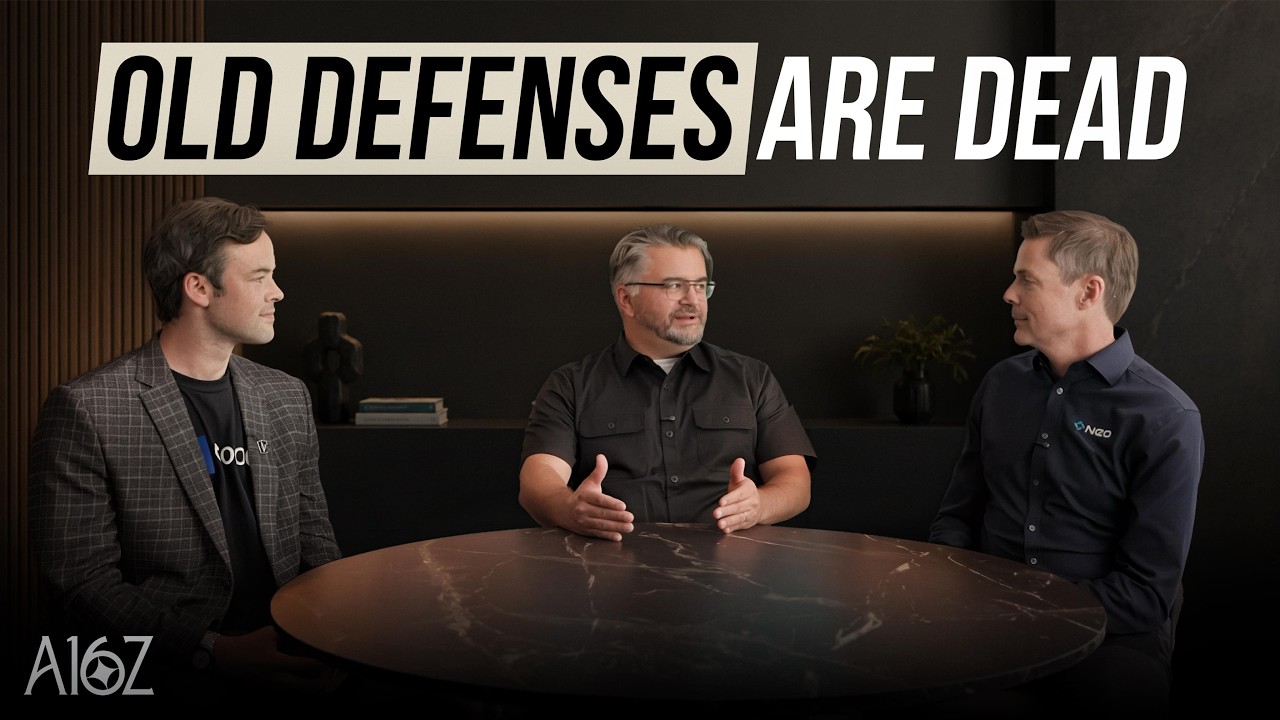 22 min
Cybersecurity in the Agentic Era | Deep Dives with a16z
 23 min
Datadog CISO on Securing AI Agents at Scale | Deep Dives with a16z
 48 min
How AI Is Redefining What It Means to Be Creative | Deep Dives with a16z
Ask anything from this episode.
Save it, chat with it, and connect it to Claude or ChatGPT. Get cited answers from the actual content — and build your own knowledge base of every podcast and video you care about.
Get Started Free