Key Moments
#123–Joan Mannick & Nir Barzilai: Rapamycin and metformin—longevity, immune enhancement, & COVID-19
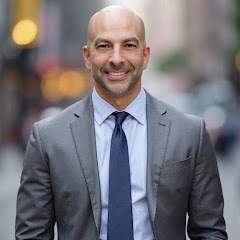 Peter Attia MD
Want to know something specific about what's covered?
We've already dissected every moment. Ask and we will deliver (with timestamps).
Key Moments
Rapamycin & Metformin's potential for longevity, immune enhancement, and COVID-19 resilience.
Key Insights
Both rapamycin (and its analogs, rapalogs) and metformin show promise in longevity research, potentially improving healthspan and lifespan.
Rapalogs, when dosed intermittently and at low levels, may enhance immune function in older adults, improving vaccine response and potentially reducing susceptibility to infections.
Metformin, while primarily a diabetes drug, exhibits broad anti-aging benefits by targeting cellular hallmarks of aging, including metabolic health, oxidative stress, and inflammation.
While not a direct antiviral, these drugs may bolster host defense against viruses like SARS-CoV-2 by improving immune resilience and reducing severe disease outcomes.
The research suggests these drugs may act as 'host defense enhancers' rather than direct antivirals, helping the body better manage infections and age-related decline.
Developing better biomarkers is crucial for accelerating aging research and efficiently evaluating the efficacy of interventions like metformin and rapalogs.
THE PROMISE OF LONGEVITY DRUGS
Joan Mannick and Nir Barzilai discuss the potential of rapamycin (and its analogs, rapalogs) and metformin as pro-longevity drugs. Joan Mannick, an expert in rapamycin, discussed her career transition from infectious disease to aging research, driven by the idea that lifespan can be extended. Nir Barzilai, director of the Institute for Aging Research, highlights metformin's potential based on its wide-ranging effects and his ongoing clinical trial.
RAPALOGS AND IMMUNE ENHANCEMENT
Joan Mannick's early research focused on using rapamycin analogs to enhance immune function in older adults, a counterintuitive approach given rapamycin's traditional use as an immunosuppressant. Her 2014 study showed that low-dose, intermittent administration of a rapamycin analog improved response to flu vaccination. This suggests that carefully controlled mTOR inhibition can boost, rather than suppress, the aging immune system, potentially reducing susceptibility to various infections.
METFORMIN: A GEROSCIENCE TOOL
Nir Barzilai explains metformin's deep historical roots and its serendipitous re-emergence in aging research. Initially studied for its mechanism of action in glucose production, metformin has shown associations with reduced cardiovascular disease, cancer, and Alzheimer's risk, alongside lifespan extension in animal models. Barzilai posits that metformin targets multiple 'hallmarks of aging,' making it a key drug for advancing geroscience.
MECHANISMS OF ACTION AND HALLMARKS OF AGING
Both drugs target key cellular processes implicated in aging. Metformin impacts mitochondrial complex I, increasing AMP kinase and indirectly affecting mTOR, reducing oxidative stress, and potentially modulating inflammation. Rapalogs directly inhibit mTOR, leading to reduced protein and lipid synthesis, and potentially regulating the senescence-associated secretory phenotype (SASP). The interaction between these pathways, especially concerning mTOR, is a focus of ongoing research.
IMMUNE RESILIENCE AND VIRAL DEFENSE
The discussion connects these drugs to enhancing host defense, particularly relevant in the context of COVID-19. Rapalogs may improve innate antiviral gene expression and reduce T-cell exhaustion, while metformin might offer protection through immune modulation and reducing comorbidities. The idea is that these agents bolster the body's overall resilience, enabling it to better combat infections like influenza and SARS-CoV-2, rather than directly attacking the virus.
CLINICAL TRIALS AND FUTURE DIRECTIONS
The conversation highlights ongoing and planned clinical trials, including Nir Barzilai's TAME (Targeting Aging with Metformin) trial, a large-scale study assessing metformin's ability to prevent age-related diseases. Joan Mannick discusses the PROTECTOR study with RTB-101, an mTOR inhibitor, which showed promise in reducing respiratory tract infections. Future research aims to clarify optimal dosing, synergistic effects of combined therapies, and the role of these agents in preparedness for future pandemics.
EPIGENETIC CLOCKS AND BIOMARKERS
The role of epigenetic clocks in measuring biological age is explored, with an emphasis on their potential limitations and the need for more robust, dynamic biomarkers. While methylation-based clocks show promise, researchers are also investigating proteomic and metabolomic markers that may be more reactive and indicative of therapeutic response, offering a better way to track the effects of interventions on aging.
PERSPECTIVES ON COMBINATION THERAPIES AND PERSONAL USE
The potential benefits and risks of combining metformin and rapalogs are discussed, acknowledging that while theoretically synergistic, side effects need careful consideration. Both Peter Attia and Nir Barzilai share personal experiences with these drugs, highlighting the importance of ongoing research to provide clear guidance on optimal usage, timing, and potential for enhancing healthspan and resilience.
Mentioned in This Episode
●Products
●Companies
●Organizations
●Books
●Drugs & Medications
●Studies Cited
●Concepts
●People Referenced
Common Questions
Rapamycin and its analogs (rapalogs) directly inhibit mTOR, while Metformin indirectly affects mTOR by targeting mitochondrial complex one, thus mimicking nutrient scarcity. Both are being investigated for their effects on aging and immune function.
Topics
Mentioned in this video
A Rapamycin analog (rapalog) used in Joan Mannick's initial trials to enhance immune function in older adults, showing beneficial effects at low, intermittent doses.
An early-line treatment for type 2 diabetes, now extensively studied for its potential longevity and immune-enhancing properties.
A cousin of Metformin that was more active against diabetes but associated with lactic acidosis, leading to Metformin's wider use.
A catalytic inhibitor of mTOR complex 1, studied for its immune-enhancing benefits, particularly in reducing respiratory tract infections. It is an ATP-competitive inhibitor.
A drug that inhibits mTOR, with initial clinical use as an immunosuppressant for transplant patients, now being studied for longevity and immune enhancement.
A researcher who uses Metformin as a positive control for autophagy in cellular assays.
A friend of Peter Attia who helped him experiment with stopping and restarting Metformin to track lactate levels during exercise.
The CEO of Novartis around 2012 who supported the company's work on aging research.
The head of research at Novartis around 2012 who supported the company's work on aging research.
A researcher who believes epigenetic changes are a major cause of aging and a primary way to intervene in the aging process.
Nir Barzilai's post-doc mentor at Yale, with whom he first studied the mechanism of action of Metformin.
A researcher who has advocated for more resources into exploring rapalogs for Alzheimer's disease due to their potential in ameliorating protein aggregation.
Director of the Institute for Aging Research at Albert Einstein College of Medicine, known for longevity gene projects and research into Metformin.
Co-founder and Chief Medical Officer of Restore Biotherapeutics, trained in infectious disease, and an expert in Rapamycin analogs.
A researcher whose papers on genetic mutations doubling lifespan in worms inspired Joan Mannick to pursue aging research.
A researcher who showed that mTOR inhibitors decrease exhausted T-cells in older mice, similar to findings in older humans.
A researcher from Stanford with whom Nir Barzilai published a Nature Medicine paper on proteomic clocks.
A researcher also conducting centenarian studies, mentioned in discussion about evaluating health outcomes at different ages.
A virologist with whom Peter Attia previously discussed proactive strategies for future pandemics.
A neurodegenerative disease characterized by protein aggregates, where mTOR inhibitors could potentially be beneficial by enhancing autophagy to clear these aggregates.
A neurodegenerative disease impacting memory and cognition, linked to protein aggregation, and a potential target for Metformin and rapalogs.
Site of one of the major caloric restriction experiments in primates, where Nir Barzilai uncovered an accidental feeding regimen.
A governmental agency that funds biomedical research, including projects related to Metformin, and played a role in the ITP.
The institution where Nir Barzilai conducted his first post-doc with Ralph DeFronzo.
Where Joan Mannick completed her residency in internal medicine and infectious diseases.
A non-profit organization supporting the TAME study philanthropically.
The institution where Joan Mannick received her MD.
Institution in New York where Nir Barzilai directs the Institute for Aging Research.
A rigorous, multi-site program established by the NIH to test drugs for their effects on longevity in genetically heterogeneous animals.
The U.S. Food and Drug Administration, discussed in the context of drug approval for aging and flexible trial design.
Pharmaceutical company where Joan Mannick worked, leading the New Indications Discovery Unit and initiating Rapamycin analog trials for aging.
A company co-founded by Joan Mannick, focused on drug development involving TOR (Target of Rapamycin).
Pharmaceutical company that holds the world license for Metformin and is contributing the drug for the TAME study.
A scientific journal where a paper discussing Metformin's mechanism of action and its impact on hallmarks of aging was published in 2020.
Nir Barzilai's book discussing the science of longevity, including Metformin and Rapamycin.
A scientific journal where a paper on proteomic clocks for aging was published by Nir Barzilai and Tony Wyss-Coray.
A cellular process of self-degradation and recycling components, which can be affected by mTOR inhibitors; its induction varies by cell type with rapalogs.
Target of Rapamycin, a protein kinase that regulates cell growth, proliferation, protein synthesis, and metabolism. Its inhibition is central to the action of Rapamycin and Metformin.
A pro-inflammatory cytokine. Studies on Metformin and COVID-19 showed a significant decrease in plasma TNF-alpha levels, suggesting an anti-inflammatory effect.
Phosphoinositide 3-kinase, an enzyme whose inhibitory properties are also present in RTB101 at high concentrations, though its primary action is mTORC1 inhibition at physiological doses.
A type of interferon important for innate immunity, often defective in older adults, and whose production can be enhanced by mTOR inhibitors.
Programmed death-1, a checkpoint inhibitor found on exhausted T-cells (CD4 and CD8) that accumulate with age, and which Rapamycin analogs can decrease.
Angiotensin-converting enzyme 2, the receptor that SARS-CoV-2 uses to enter human cells. No direct indication that Metformin alters its expression.
Nir Barzilai's longevity gene projects examining over 500 healthy individuals aged 95 to 110+, and their offspring, to understand delayed aging.
A long-term longitudinal study that has identified proteins that increase with age and can be beneficial and compensatory.
A phase 3 clinical trial led by Nir Barzilai, aiming to prove that Metformin can prevent age-related diseases and extend healthy lifespan, with a budget of 78 million dollars and 3,000 subjects.
More from Peter Attia MD
View all 343 summaries 77 min
Blood pressure: how to measure, manage, and treat high blood pressure (AMA #48 rebroadcast)
 130 min
406 ‒ Migraine, cluster headache, and tension headache: symptoms, causes, prevention, and treatment
 39 min
Metabolic liver health: how to assess risk, catch dysfunction early, and more (AMA 88 sneak peek)
 140 min
404 ‒ Mental health beyond neurotransmitters: hormones in psychiatry, psychedelic therapies, & more
Ask anything from this episode.
Save it, chat with it, and connect it to Claude or ChatGPT. Get cited answers from the actual content — and build your own knowledge base of every podcast and video you care about.
Get Started Free