Key Moments
#28–Mark & Chris Bell: steroids, powerlifting, addiction, diet, training, & helping others live well
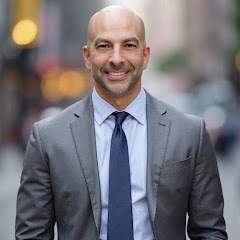 Peter Attia MD
Want to know something specific about what's covered?
We've already dissected every moment. Ask and we will deliver (with timestamps).
Key Moments
Bell brothers discuss steroids, powerlifting, addiction, and using life experiences to help others.
Key Insights
The documentary 'Bigger, Stronger, Faster' was inspired by the brothers' personal experiences with steroids and their family history, aiming to explore the myths and realities surrounding performance-enhancing drugs.
Addiction is a significant theme, with both brothers sharing personal struggles and the profound impact it had on their family, emphasizing the importance of support and healing.
Powerlifting involves three main lifts: squat, bench press, and deadlift, with specific rules and techniques that differentiate it from Olympic weightlifting.
Mark Bell's powerlifting achievements, both equipped and raw, demonstrate exceptional strength, highlighting specialized training and equipment.
Chris Bell's journey through addiction led to a personal transformation, leveraging his experiences to inspire and help others through his film work and advocacy.
The importance of individualized approaches to fitness, nutrition, and health is underscored, moving away from dogmatic thinking towards a more nuanced understanding of tools and their application.
THE ORIGINS OF 'BIGGER, STRONGER, FASTER'
The Bell brothers, Mark and Chris, discuss the genesis of their influential documentary 'Bigger, Stronger, Faster.' Initially, Chris aimed to create a film about steroids, drawing inspiration from Michael Moore's documentary style. The concept solidified when he realized his family's unique dynamic, with brothers involved in steroid use, could be the core narrative. The film's vulnerability and honesty, including showcasing their parents and personal struggles, resonated deeply, prompting viewers to question their own beliefs and take action in their lives.
NAVIGATING ADDICTION AND FAMILY LEGACY
A significant portion of the conversation revolves around addiction, a tragic and prominent theme in the Bell family. They openly discuss their personal battles and the profound impact it had on their parents. Chris shares a particularly emotional moment recalling his father's intervention, which was pivotal in his recovery. This experience underscores the deep family bonds and the strength found in seeking help, emphasizing that the journey of healing is ongoing and requires continuous support.
THE SCIENCE AND ART OF POWERLIFTING
Mark Bell, a renowned powerlifter, explains the sport's fundamentals: squat, bench press, and deadlift. He distinguishes powerlifting from Olympic weightlifting, which includes the clean-and-jerk and snatch. Mark details his own impressive career achievements, both with and without supportive gear, highlighting the immense strength required. The discussion touches upon the specialized equipment and training methodologies that contributed to his records, emphasizing a focused, low-volume approach that contrasted with conventional training.
CHRIS BELL'S TRANSFORMATION AND PHILANTHROPY
Chris Bell reflects on his journey through addiction and subsequent recovery, emphasizing how these difficult experiences have become a source of strength and a tool to help others. His personal transformation, particularly after moving to California, involved significant weight loss and a shift in perspective. He highlights the profound impact of diet, specifically the ketogenic approach, on his physical and mental well-being, enabling him to conquer cravings and optimize his training.
THE INTERSECTION OF FITNESS, NUTRITION, AND WELL-BEING
The brothers explore various aspects of fitness, from the discipline of bodybuilding to the importance of fundamentals like diet and sleep. They advocate for a personalized approach, emphasizing that what works for one person might not work for another. The conversation touches on contemporary fitness trends, the role of nutrition in achieving physical goals, and the mental fortitude required for sustained progress. They also discuss how embracing challenges, even when difficult, is crucial for personal growth and happiness.
TOOLS, MINDSET, AND HELPING OTHERS
The discussion broadens to the concept of using various 'tools'—whether it be specific diets, training methods, or even medications—wisely and at the right time. They stress the importance of having an open mind, avoiding dogmatic thinking, and understanding that nothing is inherently 'all good' or 'all bad.' This philosophy extends to their ongoing work, including a documentary on nutrition and a new product line, all aimed at empowering individuals with information and encouraging them to find their own path to a healthier, more fulfilling life.
Mentioned in This Episode
●Supplements
●Products
●Software & Apps
●Companies
●Organizations
●Drugs & Medications
●Concepts
●People Referenced
Essential Principles for Strength Training & Health
Practical takeaways from this episode
Do This
Avoid This
Common Questions
Chris learned the power of vulnerability and honesty in filmmaking, as showing his family's struggles, including his brother Mike's death and his own addiction, resonated deeply with viewers. He also emphasized empathy, avoiding condemnation of those with differing views.
Topics
Mentioned in this video
A friend of the Bell brothers, a CrossFit figure, who is advocating for standing desks in schools and has found that kids perform better academically when using them.
A bodybuilder trained by Charles Glass who won the Mr. Olympia contest in 2008 and is still competing at an advanced age (51 or 52), cited as an impressive 'savage' in the sport.
The founder of Amazon, used as an example of a highly successful individual whose achievements are often perceived as easy due to their wealth and freedom.
Known as the 'Godfather of Bodybuilding,' he is working with Mark Bell on posing for his competition and is highly respected in the bodybuilding community, having trained many top athletes including Dexter Jackson.
The older brother of Mark and Chris Bell, who tragically died, which is discussed openly in the podcast and was a central theme in Chris's documentary 'Prescription Thugs'.
A legendary bodybuilder and seven-time Mr. Olympia winner, cited as a significant influence and whose physique defines the aesthetic of the new 'classic physique' category.
A four-time Mr. Olympia winner, he visited Mark Bell's gym and shared insights on his extreme discipline, including eating seven meals a day at the same time, which greatly influenced Mark's bodybuilding prep.
Referred to by Chris Bell as a public figure, alongside Jeff Bezos and The Rock, to illustrate that achieving success is incredibly challenging, not easy, despite appearances.
A doctor with whom Peter Attia had an intelligent conversation about statins, which helped Chris Bell re-evaluate his negative preconceptions about the medication.
A professional wrestler whose victory over the Iron Sheik in 1984 was a pivotal, inspiring moment for the Bell brothers, sparking their childhood dreams.
A celebrated public figure who, according to Mark Bell, exceeds expectations in person by genuinely engaging with people, remembering personal details, and showing a sincere demeanor despite his celebrity status.
An eight-time Mr. Olympia winner, mentioned as holding the record for the most Mr. Olympia titles (tied with Dorian Yates).
Younger brother of Chris Bell and a legendary powerlifter, known for setting multiple staggering records. He owns a YouTube channel, Super Training 06, which is a great resource for learning major lifts. He's currently training for a bodybuilding competition, focusing on an extremely disciplined diet and workout regimen.
A professional wrestler whom Hulk Hogan defeated in a match in 1984, an event that profoundly influenced the Bell brothers in their youth.
Mentioned alongside Kelly Starrett as actively promoting standing desks in schools and raising money for related programs.
An Oscar-winning documentary filmmaker, whose work, particularly 'Bowling for Columbine', inspired Chris Bell's approach to filmmaking, especially his focus on powerful writing and storytelling.
The nutritionist for seven-time Mr. Olympia winner Phil Heath, who Mark Bell is working with for his current bodybuilding competition diet and who encouraged Mark to compete.
A bodybuilder and powerlifter, described as a 'freak' due to his consistent physique since his teenage years. He trained with Chris Bell in 1993 and is currently helping both Mark and Chris with their training.
Host Peter Attia's guest, known for his documentaries 'Bigger, Stronger, Faster' and 'Prescription Thugs'. He openly discusses his past struggles with opioid addiction and actively advocates for helping others achieve health and fitness. He is in the process of making a new documentary about nutrition and uses a ketogenic diet.
Chris Bell's producer who identified the personal family conflict regarding steroid use as the central theme for the documentary 'Bigger, Stronger, Faster'.
A powerlifter Chris Bell met in 1993, who was pursuing a PhD in applied mathematics at UCLA and is now the head of the computer science department at Stanford. Fedko advised Chris to lose weight for better powerlifting performance and introduced him to a 'red meat and water' diet.
A seven-time Mr. Olympia winner, whose nutritionist (Hany Rambod) is working with Mark Bell. Heath's physique is presented as an example of what is impossible to achieve with drugs alone, emphasizing the role of genetics and extreme dedication.
An author Peter Attia admires, known for eloquently discussing how individuals often feel alone because they only experience the world from their own vantage point.
A legendary professional wrestler whose dramatic appearance and actions in a 'body slam challenge' were impactful and exciting memories for the Bell brothers during their childhood.
A professional wrestler involved in a 'body slam challenge' that Chris Bell fondly recalls from his childhood, a significant moment in his early wrestling fandom.
A product created by Mark and Chris Bell, based on Kratom, designed to help manage pain, adhere to diets, provide euphoria, and enhance creativity.
A video game console that Chris Bell remembers vividly from his childhood, highlighting the strong positive memories associated with simple joys.
A specialized, extra-thick barbell with aggressive knurling used by Mark Bell for squatting heavy weights, designed to provide stability and prevent injury due to bending.
A common over-the-counter pain reliever that Peter Attia controversially claims is less safe than anabolic steroids used at physiological levels, highlighting his belief in the relative safety of medically supervised testosterone replacement.
An anabolic steroid mentioned by Peter Attia as one of the drugs often used in sports, which he believes, at physiological levels, is safer than Tylenol.
An anabolic steroid that Chris Bell used along with testosterone and other orals after rehab, seeking to quickly 'get jacked.'
An anabolic steroid mentioned by Peter Attia as one of the drugs often used in sports, which he believes, at physiological levels, is safer than Tylenol.
Cholesterol-lowering medications that Chris Bell initially viewed as 'all bad' but, after listening to Peter Attia and Dr. Ron Krauss, now considers a tool that can be used effectively in specific situations.
A plant from Southeast Asia used by many, including Chris Bell, as a pre-workout to manage pain, enhance focus, and reduce reliance on opioids. Featured in Chris Bell's documentary 'A Leaf of Faith'.
The platform where 'Bigger, Stronger, Faster*' achieved significant viewership, potentially placing it among the top documentaries of its decade.
Mark Bell has a YouTube channel (Super Training 06) with over 3,000 videos, which is described as an incredible resource for learning major lifts. Chris Bell also credits Mark's significant investment in producing educational fitness content on the platform.
The company where Mark and Chris Bell's father worked for nearly 20 years, dedicating himself fully before being let go, which served as a crucial life lesson about ownership and self-reliance.
Mentioned in passing as the company owned by Jeff Bezos, used as an example of a highly successful individual whose achievements are often perceived as easy.
The institution where Ron Fedko is currently the head of the computer science department.
The university where Ron Fedko was pursuing his PhD in applied mathematics when Chris Bell met him in 1993.
Mark Bell's gym, which is free to access and serves as a community hub for powerlifters and fitness enthusiasts. It's a key location for Mark's content creation and offers a supportive environment for training.
Chris Bell's follow-up documentary, which continued the theme of investigation into drug culture but became very personal after the death of his older brother, Mike, from drug-related issues. The film highlights the dangers of opioid addiction.
An Academy Award-winning documentary that greatly inspired Chris Bell's filmmaking style for 'Bigger, Stronger, Faster' due to its writing and approach.
A documentary by Chris Bell that explored the world of steroids, featuring his family's struggles and offering a nuanced, empathetic perspective that challenged Peter Attia's preconceived notions about anabolic steroids.
Chris Bell's new documentary about Kratom, a plant used to manage pain and as an opioid alternative.
The location where Mark Bell was renting a place for a month and where the interview for this podcast and their documentary took place.
A famous arena that the Bell brothers' father would take them to once a year to watch wrestling, highlighting the strong influence of the sport on their lives.
The hometown of the Bell brothers, where many people used steroids during their youth, leading Chris to wear a belt that said 'Roids Suck' to assert his natural strength.
Chris Bell discusses how he is conflicted about his diet and is trying to find answers, suggesting he's open-minded about it. Later, he notes its effectiveness for him in burning off hunger and cravings, and its historical use in bodybuilding for leanness.
Recommended by Chris Bell as a great starting point for individuals new to fitness, due to its encouraging environment, emphasis on functional movements like squats and deadlifts, and rigorous coaching programs, despite some reservations about its gymnastics element for adults.
A hormone discussed regarding its use in bodybuilding for muscle gain and its medical management for low levels. Chris Bell notes taking 200mg weekly, while Peter Attia details a nuanced, nine-step approach to physiological replacement, often starting with lifestyle changes like sleep.
More from Peter Attia MD
View all 336 summaries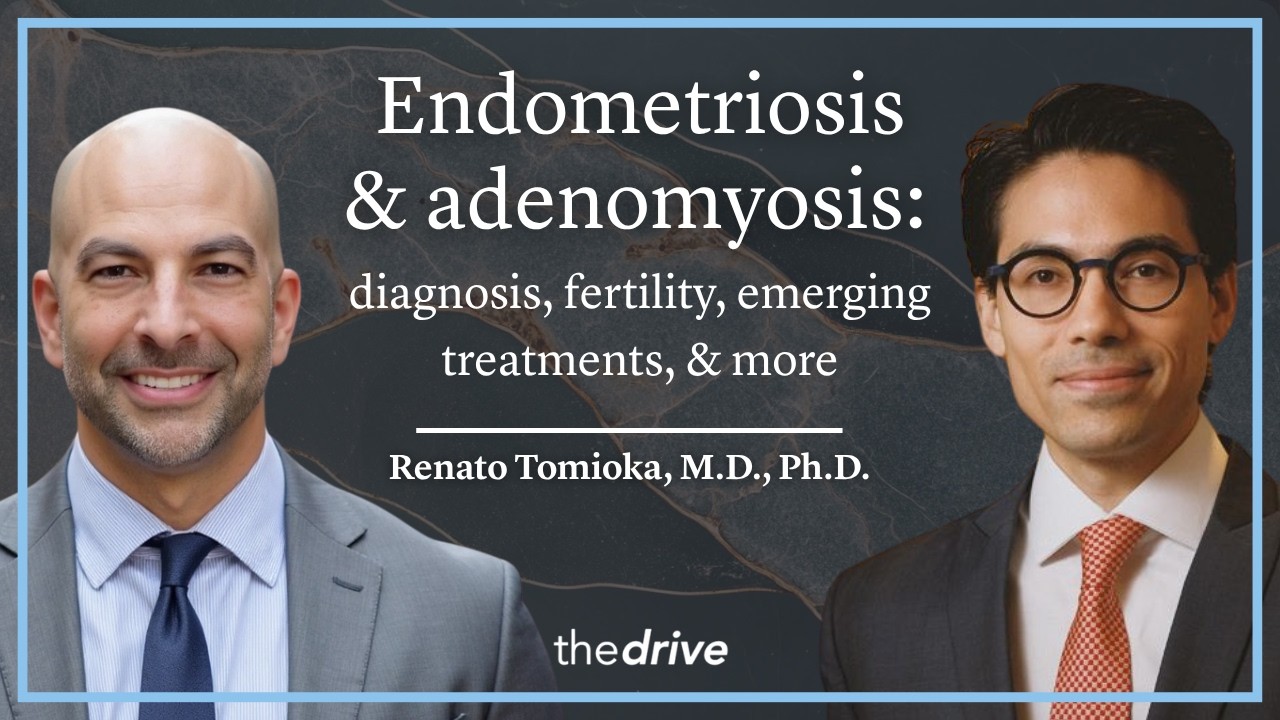 121 min
397 - Endometriosis and adenomyosis: diagnosis, fertility, reproductive aging, & emerging treatments
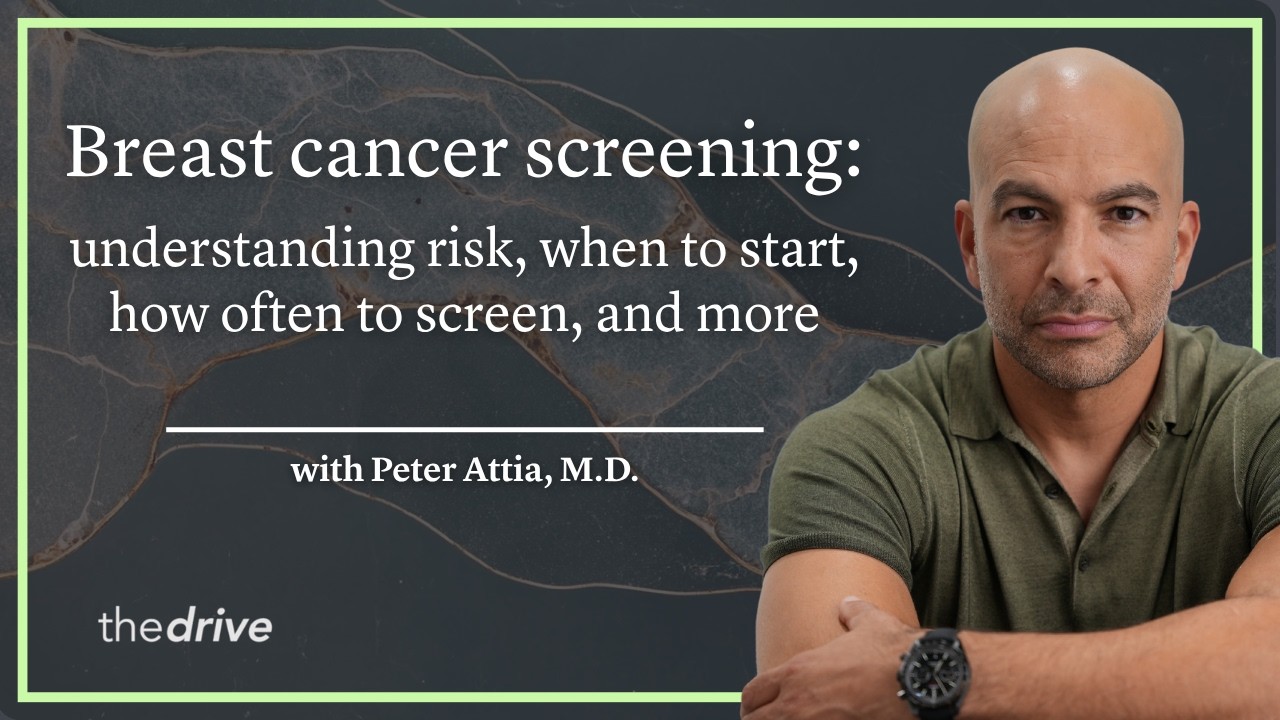 51 min
396 – Breast cancer screening: understanding risk, deciding when to start, and more
 105 min
395 – Brain lipidology: understanding APOE, cholesterol homeostasis, Alzheimer’s disease, & more
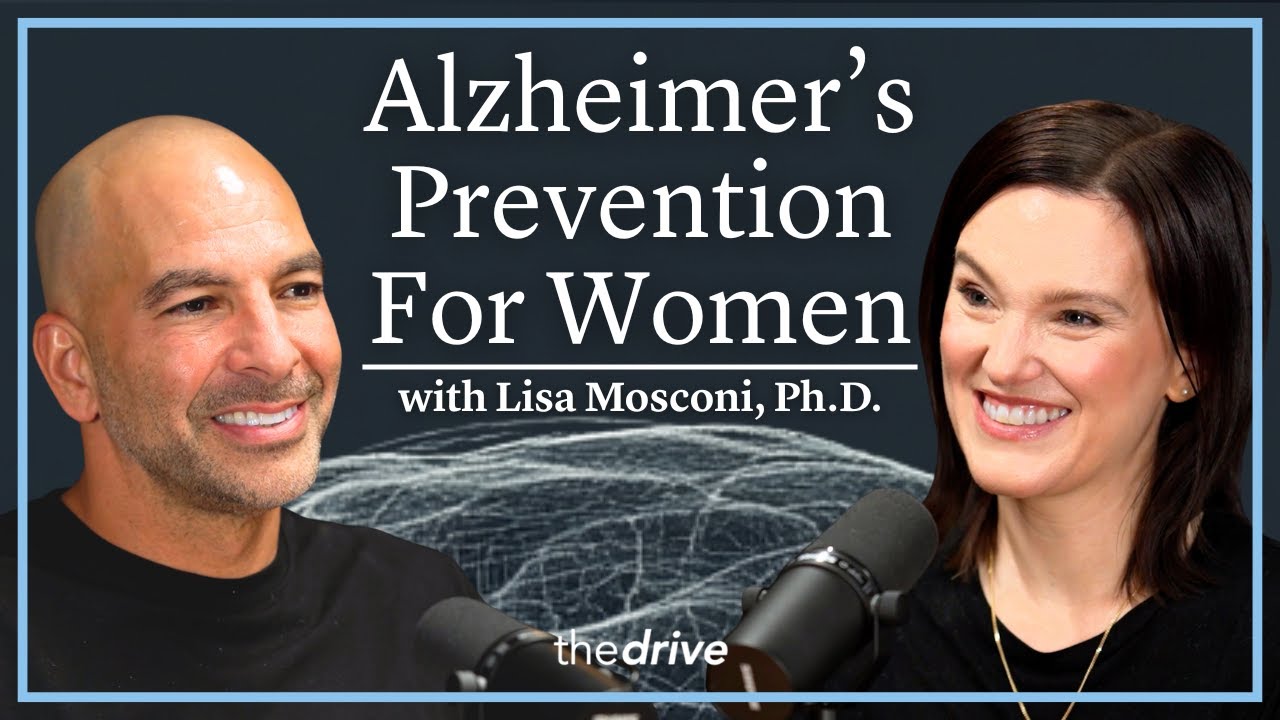 135 min
381‒Alzheimer’s disease in women: how hormonal transitions impact the brain, new therapies, & more
Ask anything from this episode.
Save it, chat with it, and connect it to Claude or ChatGPT. Get cited answers from the actual content — and build your own knowledge base of every podcast and video you care about.
Get Started Free