Key Moments
321 – Dopamine and addiction: navigating pleasure, pain, and the path to recovery
 Peter Attia MD
Want to know something specific about what's covered?
We've already dissected every moment. Ask and we will deliver (with timestamps).
Key Moments
Addiction is a bio-psycho-social disease driven by dopamine, influenced by genetics, environment, and access. Recovery is possible through abstinence, self-binding strategies, and support.
Key Insights
Dopamine is central to pleasure, reward, and motivation, acting as the final common pathway for reinforcing substances and behaviors.
Addiction is clinically defined by the "Four C’s" (compulsive, control, craving, consequences) plus tolerance and withdrawal, not solely by behavior.
Risk factors for addiction include genetics (nature), upbringing and trauma (nurture), and access to substances/behaviors (neighborhood).
The modern world's ubiquitous access to highly reinforcing substances and behaviors has increased vulnerability to addiction across the population.
Recovery involves addressing neurobiological changes through abstinence (dopamine fast), self-binding strategies, and potentially medication or peer support.
Behavioral addictions (like online shopping, gambling, sex, social media) share a similar neurobiological reward pathway as substance addictions.
THE NEUROBIOLOGY OF ADDICTION: DOPAMINE'S ROLE
Dopamine, a key neurotransmitter, is central to pleasure, reward, and motivation. It acts as the final common pathway for nearly all reinforcing substances and behaviors, triggering release in the reward circuitry. While baseline dopamine levels are constant, pleasurable or survival-relevant activities temporarily increase dopamine firing, signaling importance and encouraging repetition. Beyond reward, dopamine is crucial for motor control, as seen in Parkinson's disease where dopamine depletion causes movement disorders. This fundamental role in seeking and motivation underscores its significance in addiction.
DEFINING ADDICTION: THE FOUR C'S AND BEYOND
Clinically, addiction is not simply casual 'addiction' to Netflix but a psychopathology characterized by specific behavioral patterns. Diagnosed through phenomenology, it involves the 'Four C's': compulsive use, loss of control, intense cravings, and continued use despite negative consequences. Tolerance (needing more for the same effect) and withdrawal (physical or psychological distress upon cessation) are also key indicators of physiological changes. Importantly, not all aspects need to be present for a diagnosis, and withdrawal symptoms can be subtle, including anxiety, irritability, and insomnia, all driving a return to use.
RISK FACTORS: NATURE, NURTURE, AND NEIGHBORHOOD
Addiction vulnerability is shaped by a combination of factors. 'Nature' encompasses genetic predispositions, contributing 50-60% of risk, often linked to family history and co-occurring mental health disorders. 'Nurture' involves environmental influences like early childhood development, parental modeling of behavior, trauma, and attachment quality. The 'neighborhood' factor highlights the critical role of access to substances or addictive behaviors; increased availability and potency directly correlate with higher risk. This interplay means individuals are born with different vulnerabilities, shaped by their environment and exposed to different opportunities.
THE MODERN WORLD AND INCREASED VULNERABILITY
The contemporary environment presents unprecedented challenges due to ubiquitous access to highly reinforcing stimuli and behaviors. From potent legal substances like alcohol and nicotine to digital forms like online shopping, pornography, and social media, the 'drugification' of everyday life is pervasive. This hyper-availability, coupled with sophisticated algorithms designed for engagement, creates a situation where many behaviors previously considered normal can become addictive. This contrasts sharply with ancestral environments where rewards required significant effort, making modern humans biologically ill-equipped for this constant stimulation.
RECOVERY THROUGH ABSTINENCE AND SELF-BINDING
A core intervention for many addictions is a 'dopamine fast' or period of abstinence to reset the brain's pleasure-pain balance. This process, though challenging, allows the brain to downregulate maladaptive neuroadaptations. Recovery also involves 'self-binding strategies' – creating literal or metacognitive barriers to pause between impulse and action. These can include avoiding triggers, seeking accountability, and developing a life philosophy centered on recovery principles. While moderation can be a goal for some, abstinence is often easier and more sustainable due to the ease with which addiction circuits can be reignited.
BEHAVIORAL ADDICTIONS AND EMERGING TREATMENTS
Behavioral addictions, encompassing activities like gambling, sex, social media use, and even exercise, operate on similar neurobiological pathways as substance addictions. Phenomena like 'loss chasing' in gambling illustrate how the pursuit of the behavior, not the outcome, can be the core addiction. Emerging treatments, such as GLP-1 agonists (e.g., semaglutide), initially used for weight management, are showing promise in reducing cravings for alcohol and other addictive behaviors, potentially by altering reward pathway sensitivity. Peer support groups like 12-step programs also offer vital community and support, fostering self-acceptance and shared experience.
THE CHALLENGE OF PARENTING IN A DRUG-RIFIED WORLD
Parents face significant challenges in guiding children through a world saturated with accessible, highly reinforcing digital media. The developing adolescent brain is particularly vulnerable to addictive processes due to ongoing frontal lobe development and synaptic pruning. Open communication, establishing firm boundaries around internet use, and educating children about potential harms are crucial. Empathetic inquiry, focusing on how behaviors make children feel afterward rather than imposing strict rules, can foster healthier coping mechanisms and a greater understanding of personal well-being, mirroring the importance of truthfulness and reliability in building adaptive behaviors.
THE POWER OF STORY AND EMPATHETIC CARE
Effective psychiatric care, particularly in addiction medicine, hinges on understanding the patient's narrative. Moving beyond a symptom checklist, clinicians must listen to the individual's life story to grasp the causality and context of their struggles. This narrative approach fosters empathy and deeper therapeutic connection. Acknowledging patient losses and the inherent mystery of change requires humility and curiosity. Even when treatment isn't entirely successful, maintaining an empathic, well-resourced stance and caring deeply for patients are essential components of the healing process, though the emotional toll of patient loss remains profound.
Mentioned in This Episode
●Tools
●Books
●Drugs & Medications
●Studies Cited
●Concepts
●People Referenced
Common Questions
Dopamine is a neurotransmitter in the brain crucial for pleasure, reward, and motivation. It acts as the final common pathway for all reinforcing substances and behaviors. Addiction hijacks and dysregulates this dopamine system, leading to compulsive seeking.
Topics
Mentioned in this video
A deterrent medication for alcohol addiction that causes severe illness if alcohol is consumed, requiring strong patient commitment.
A medication for opioid addiction that is an evidence-based intervention, despite being an opioid itself, it helps stabilize the pleasure-pain balance without intoxication.
An opioid pain medication Peter became physically dependent on following a back injury, highlighting the rapid onset of physical dependence.
An opioid receptor blocker used to treat alcohol use disorder by making alcohol less reinforcing, and also for opioid addiction.
A seizure medication found to be helpful off-label for binge eating disorder and later for alcohol use disorder.
A benzodiazepine similar to Xanax, also having a risk of severe withdrawal. It was mentioned as an older treatment.
More from Peter Attia MD
View all 336 summaries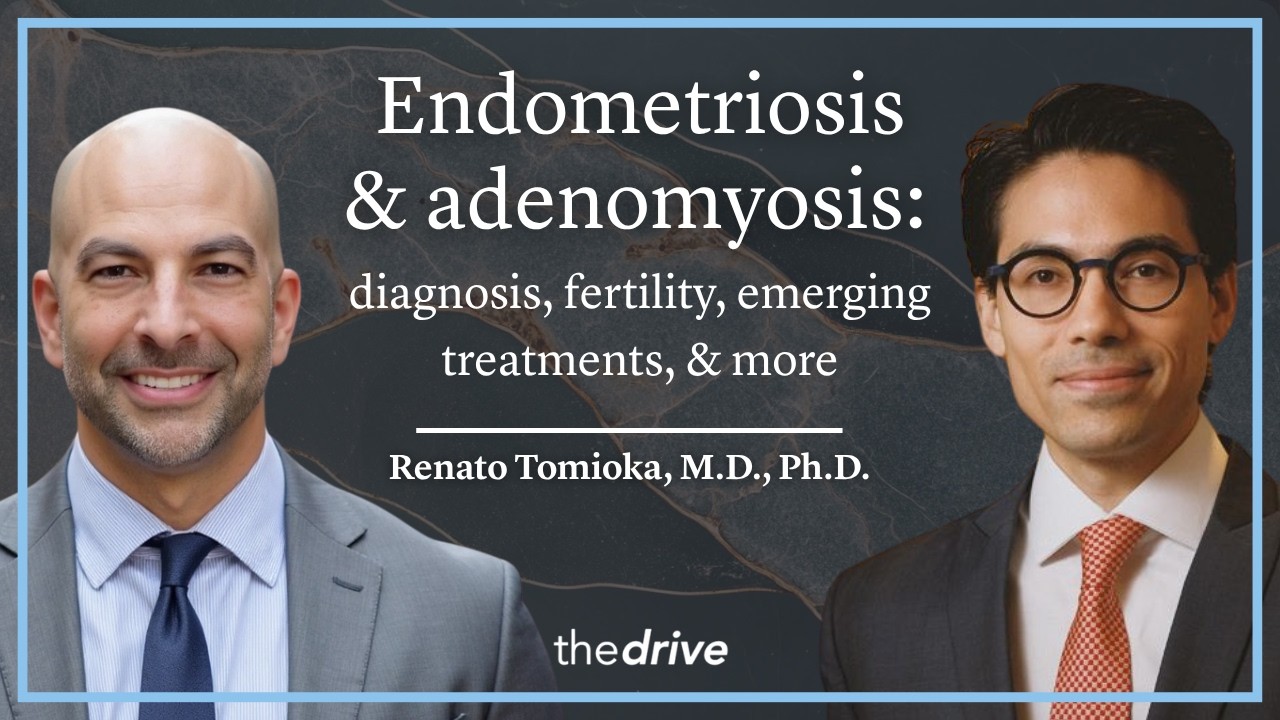 121 min
397 - Endometriosis and adenomyosis: diagnosis, fertility, reproductive aging, & emerging treatments
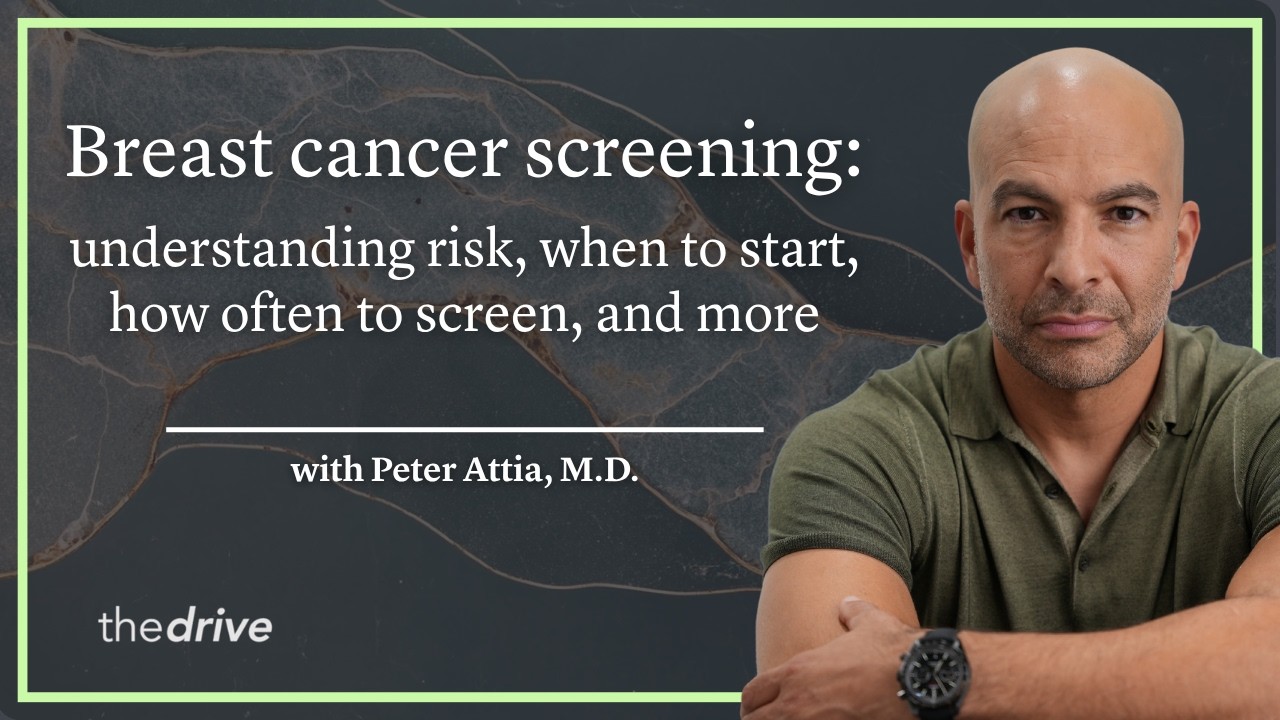 51 min
396 – Breast cancer screening: understanding risk, deciding when to start, and more
 105 min
395 – Brain lipidology: understanding APOE, cholesterol homeostasis, Alzheimer’s disease, & more
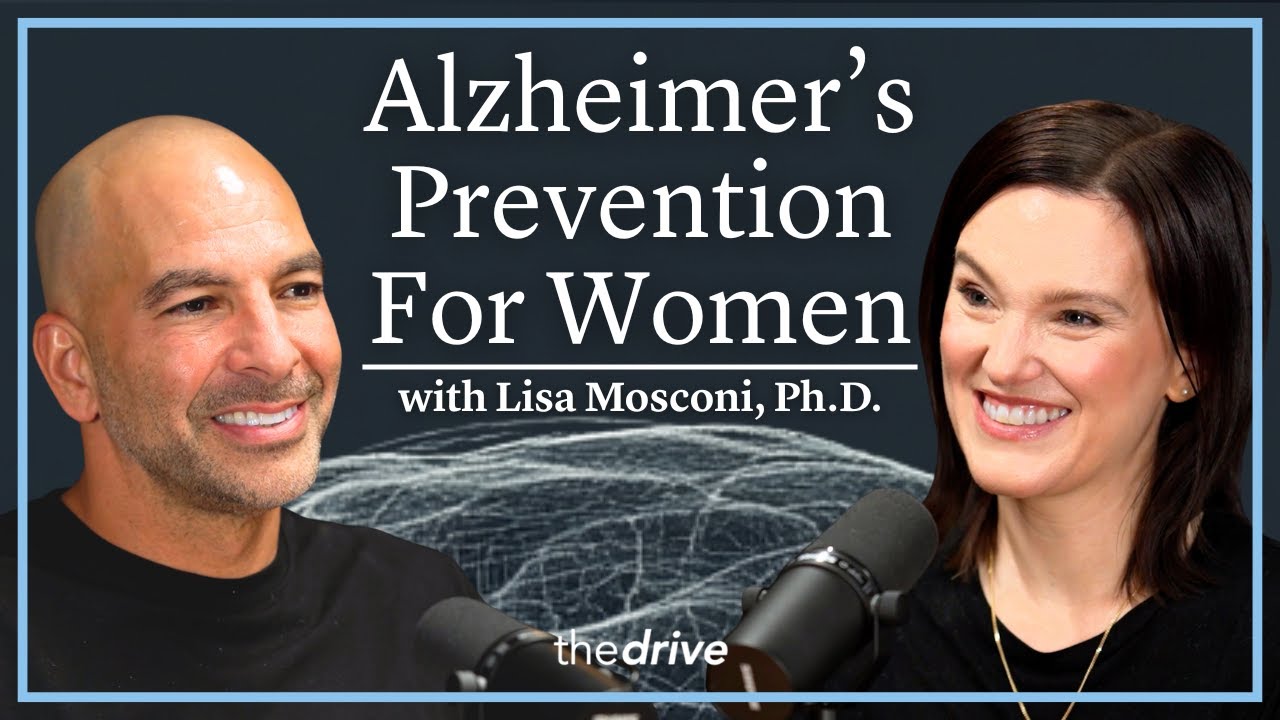 135 min
381‒Alzheimer’s disease in women: how hormonal transitions impact the brain, new therapies, & more
Ask anything from this episode.
Save it, chat with it, and connect it to Claude or ChatGPT. Get cited answers from the actual content — and build your own knowledge base of every podcast and video you care about.
Get Started Free