Key Moments
278 ‒ Breast cancer: how to catch, treat, and survive breast cancer | Harold Burstein, M.D., Ph.D.
 Peter Attia MD
Want to know something specific about what's covered?
We've already dissected every moment. Ask and we will deliver (with timestamps).
Key Moments
Breast cancer: Incidence, subtypes (ER+, HER2+, Triple Neg), screening, DCIS/LCIS, staging, and advanced treatments.
Key Insights
Breast cancer is the most common cancer diagnosis globally, affecting 1 in 8 American women, with a cure rate around 80-85%.
Breast cancer subtypes (ER+, HER2+, Triple Negative) have different risk factors, prognoses, and treatment approaches.
Screening via mammography is crucial for early detection, identifying precancerous lesions like DCIS/LCIS, which aids in better outcomes.
Staging considers tumor size, lymph node involvement, and tumor biology (ER, HER2, grade, genomic tests) to guide treatment and predict prognosis.
Treatment is multimodal, involving surgery, radiation, and systemic therapies (chemotherapy, hormone therapy, targeted therapy, immunotherapy), with treatment becoming increasingly personalized.
Genetic predisposition, particularly BRCA1/2 mutations, significantly increases risk and influences screening, prevention, and treatment strategies.
THE MAGNITUDE AND EPIDEMIOLOGY OF BREAST CANCER
Breast cancer is now the most common cancer diagnosis worldwide, excluding non-melanoma skin cancer, impacting approximately 1 in 8 American women over their lifetime. While around 275,000 cases occur annually in the U.S. with roughly 38,000 deaths, the good news is that most women are cured, with fatality rates significantly lower when caught early. Factors like early menarche, later menopause, fewer pregnancies, and shorter breastfeeding durations, often observed in developed countries, correlate with higher incidence rates at a population level, suggesting environmental and lifestyle influences play a role.
BREAST ANATOMY AND DEVELOPMENTAL FACTORS
The breast is essentially a gland that undergoes significant changes throughout a woman's life, from puberty through menopause. Primarily composed of fat and glandular tissue, the glandular component responsible for milk production is where most breast cancers originate. Hormonal influences, particularly estrogen exposure, are critical. Changes in breast density observed on mammograms, post-menopause, are related to fibroglandular and fatty tissue, and higher density is associated with a slightly increased risk of developing breast cancer, independent of detection challenges.
SUBTYPES, RISK FACTORS, AND SCREENING
Breast cancers are broadly categorized into three main subtypes: Estrogen Receptor-positive (ER+), HER2-positive (HER2+), and Triple-Negative (TNBC). ER+ cancers are the most common, tend to have a more favorable prognosis, and are often detected via screening mammography. TNBC and HER2+ cancers tend to be more aggressive, with TNBC being more prevalent in younger women and African-American women, and often linked to BRCA1 mutations. While obesity shows a weak correlation with breast cancer risk, smoking is not a significant risk factor. Early detection through mammography, supplemented by an awareness of one's own body, is crucial for better outcomes.
DIAGNOSIS: FROM LUMPS TO PRECANCEROUS LESIONS
Most lumps or changes felt in the breast are benign, but any suspicious finding warrants medical evaluation. Imaging like mammography and ultrasound, along with physical exams, are key diagnostic tools. Image-guided needle biopsies are often performed to obtain tissue samples. Lesions like atypical hyperplasia, ductal carcinoma in situ (DCIS), and lobular carcinoma in situ (LCIS) are precancerous conditions. While DCIS is a non-invasive growth within the milk ducts that requires treatment to prevent progression, LCIS is considered more of a global risk marker for developing breast cancer in either breast, often managed with close monitoring and potentially anti-estrogen therapy.
STAGING AND TREATMENT STRATEGIES
Breast cancer staging (TNM system) classifies tumors based on size, lymph node involvement, and metastasis. Stage 1 involves small tumors (≤ 2cm) with no lymph node involvement, offering excellent cure rates (around 90%+). As tumor size and nodal involvement increase (Stage 2 and 3), prognosis becomes more challenging, though advancements in treatment are improving outcomes. For all stages, especially early-stage invasive cancer, treatment is multimodal. This typically includes surgery (lumpectomy or mastectomy), often followed by radiation therapy for local control. Systemic therapies, including chemotherapy, hormone therapy (like tamoxifen or aromatase inhibitors for ER+ cancers), and targeted therapies (like trastuzumab for HER2+ cancers), are crucial for preventing recurrence and treating metastatic disease.
GENETICS, MULTIDISCIPLINARY CARE, AND FUTURE DIRECTIONS
Inherited genetic mutations, particularly BRCA1 and BRCA2, significantly increase lifetime risk for breast and other cancers, necessitating genetic counseling and testing. While these mutations account for a substantial portion of hereditary breast cancers, other gene mutations are also being identified. Multidisciplinary care, involving a team of specialists (surgeons, oncologists, radiologists, pathologists), is vital for optimal patient outcomes, ensuring coordinated and personalized treatment plans. Emerging research in artificial intelligence for image analysis and novel drug combinations, coupled with a growing focus on precision medicine, continues to drive progress in breast cancer management, offering increased hope and improved survival rates.
Mentioned in This Episode
●Software & Apps
●Tools
●Companies
●Organizations
●Drugs & Medications
●Studies Cited
●Concepts
●People Referenced
Common Questions
Breast cancer is now the most common cancer diagnosis globally, aside from non-melanoma skin cancer. It is more commonly diagnosed than lung cancer, though lung cancer still accounts for more fatalities. This trend is increasing in developing countries due to lifestyle changes. (0 seconds)
Topics
Mentioned in this video
American Society of Clinical Oncology, an organization Dr. Burstein works with on guidelines for breast cancer care.
Cancer treatment and research center where Dr. Harold Burstein specializes in breast cancer.
National Comprehensive Cancer Network, an organization Dr. Burstein works with on guidelines for breast cancer care.
A study that evaluated the effectiveness of tamoxifen in reducing recurrence after lumpectomy and radiation for DCIS.
A prevention study published over 20 years ago to see if tamoxifen could lower breast cancer risk in women at intermediate to moderate risk.
A study that randomized patients with DCIS to surgery alone versus surgery plus radiation, showing radiation reduced recurrence.
An imaging technique used to support mammograms, especially in women with denser breast tissue.
A gene mutation increasing breast cancer risk and also linked to colon cancer.
A set of international guidelines for breast cancer treatment, which Dr. Burstein contributes to.
A gene mutation (Ataxia Telangiectasia Mutated) associated with increased risk of several cancers, including breast cancer.
A specific oncogene that, when amplified, leads to HER2-positive breast cancer, a subtype with specific targeted therapies.
A key screening method for detecting breast cancer, especially effective for ER-positive cancers.
A gene mutation in the same pathway as BRCA1/2, increasing breast cancer risk, though less significantly.
Anti-estrogen pills that work in postmenopausal women by blocking estrogen production from non-ovarian tissues.
A new class of oral targeted drugs that slow tumor proliferation, used in high-risk cancers.
A traditional, potent IV chemotherapy drug, also known as 'the Red Devil', used in breast cancer treatment.
A second anti-HER2 drug often added for higher-risk HER2-positive breast cancers.
A derivative of trastuzumab used for HER2-positive breast cancer patients with residual disease after neo-adjuvant therapy, improving prognosis.
A taxane-type chemotherapy drug commonly used in breast cancer treatment.
A checkpoint inhibitor used in immunotherapy, particularly effective in triple-negative breast cancers.
More from Peter Attia MD
View all 336 summaries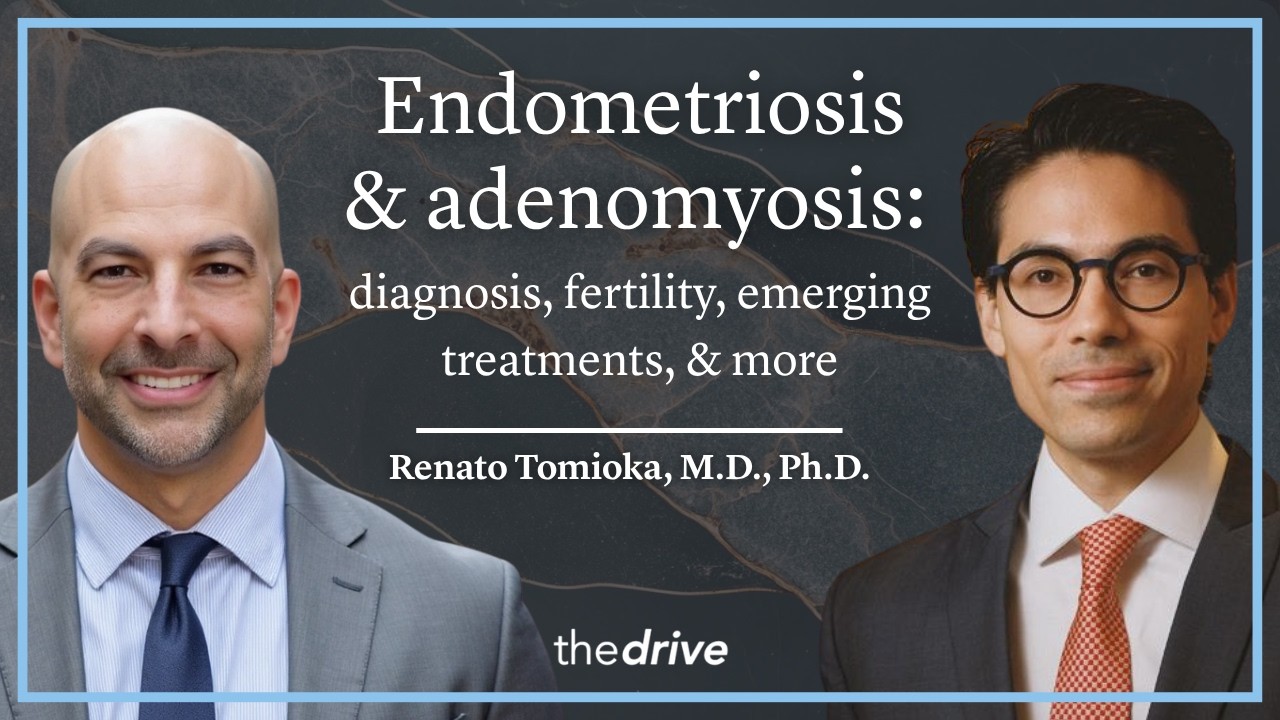 121 min
397 - Endometriosis and adenomyosis: diagnosis, fertility, reproductive aging, & emerging treatments
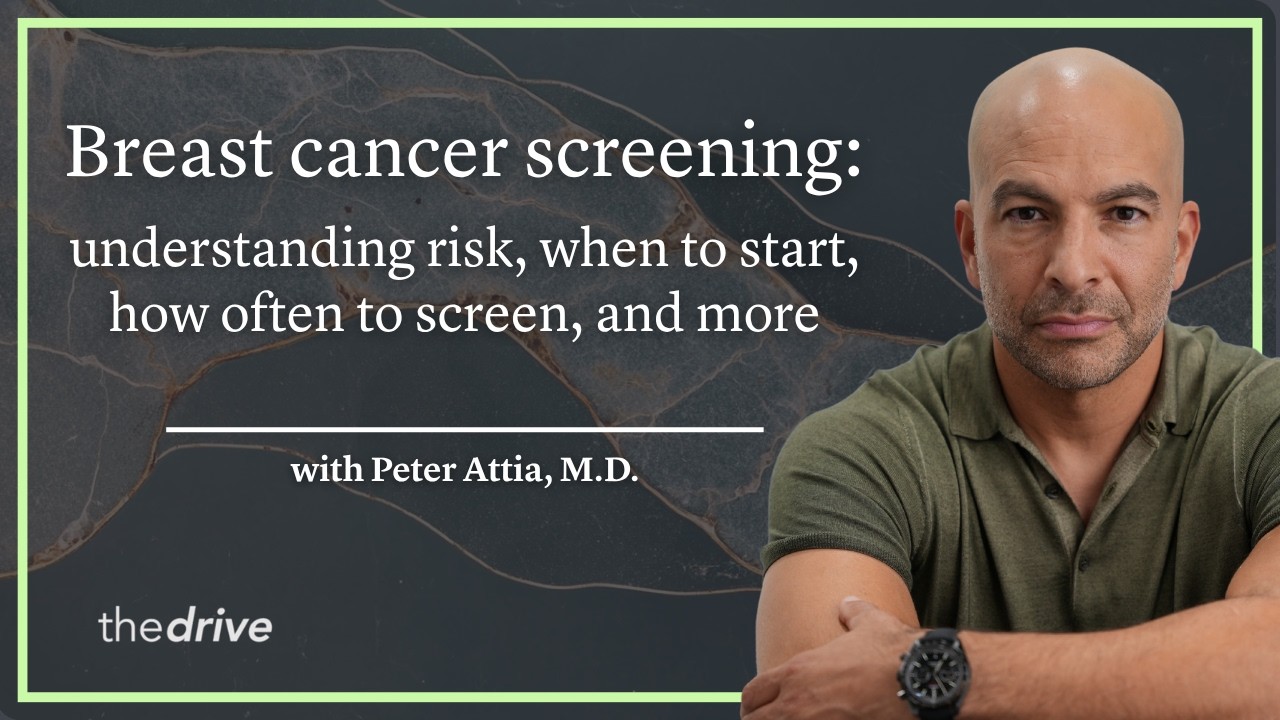 51 min
396 – Breast cancer screening: understanding risk, deciding when to start, and more
 105 min
395 – Brain lipidology: understanding APOE, cholesterol homeostasis, Alzheimer’s disease, & more
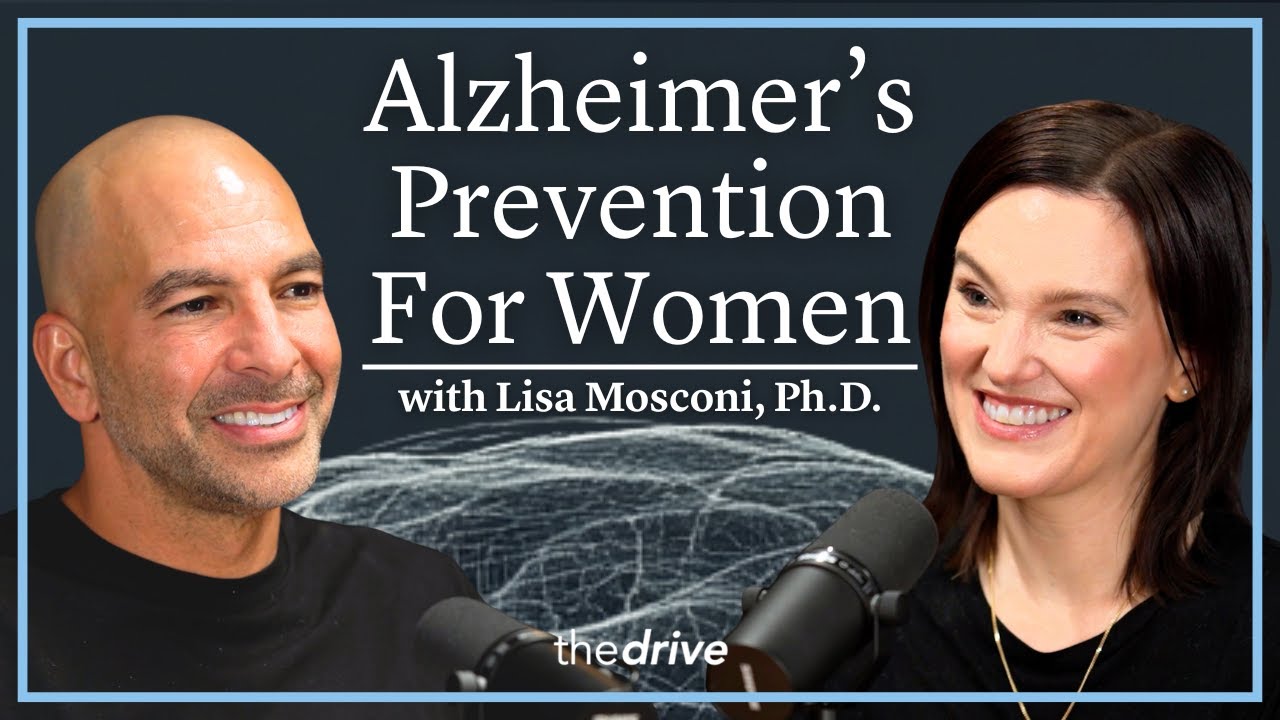 135 min
381‒Alzheimer’s disease in women: how hormonal transitions impact the brain, new therapies, & more
Ask anything from this episode.
Save it, chat with it, and connect it to Claude or ChatGPT. Get cited answers from the actual content — and build your own knowledge base of every podcast and video you care about.
Get Started Free