Key Moments
166 - Oral health, best hygiene practices, & relationship between oral health and systemic disease
 Peter Attia MD
Key Moments
Oral health is crucial for systemic well-being, requiring proper hygiene, regular dental check-ups, and understanding its link to diseases.
Key Insights
The mouth is a complex system with specialized tooth functions, intricate periodontal structures, and a diverse microbiome.
Proper oral hygiene, including brushing, flossing, and the use of fluoride, is fundamental in preventing dental decay and gum disease.
Poor oral health is linked to systemic diseases such as cardiovascular disease, diabetes, and even certain cancers.
Saliva plays a critical role in maintaining oral health by washing away food particles, neutralizing acids, and balancing the oral microbiome.
The controversy surrounding root canals is largely unfounded; when performed correctly, they are safe and preserve tooth function.
Integrating oral health into overall healthcare is essential, particularly for managing chronic conditions and supporting immunocompromised individuals.
THE COMPLEX ANATOMY AND FUNCTION OF THE MOUTH
The mouth is a highly complex system, featuring 32 teeth, each with specific functions for biting, cutting, tearing, and chewing. Beyond the teeth, it includes the gums, periodontal ligaments, and tongue, all working in symbiosis with over 700 types of bacteria. This intricate environment relies on a balanced microbiome, where aerobic, anaerobic, and facultative bacteria coexist. Saliva is crucial, acting as a natural cleanser, buffering acids, and maintaining this delicate microbial balance. Neglecting any part of this system, from tooth anatomy to the surrounding structures, can have significant health implications.
FOUNDATIONS OF EXCELLENT ORAL HYGIENE
Maintaining optimal oral health hinges on consistent and proper hygiene practices. Brushing, ideally twice daily, is paramount for disrupting plaque and removing food debris. Flossing is equally critical, as it cleanses the interdental spaces where brushing cannot reach, effectively removing anaerobic bacteria associated with gum disease. The use of fluoride toothpaste is essential for strengthening enamel and preventing cavities, especially in children. Furthermore, brushing the tongue helps reduce bacterial load and improve breath. Personalized oral hygiene routines, considering individual risk factors like dry mouth or systemic conditions, are key to long-term oral health.
THE CRITICAL LINK BETWEEN ORAL HEALTH AND SYSTEMIC DISEASE
There is a well-established association between poor oral health and various systemic diseases. Periodontal disease, in particular, is strongly linked to conditions like cardiovascular disease, diabetes, and adverse pregnancy outcomes. The chronic inflammation and bacteremia originating from the mouth can contribute to systemic inflammation, impacting other organs. Emerging research also suggests potential links to neurodegenerative diseases like Alzheimer's and even certain cancers, though causality is still under investigation. Addressing oral health is not just about preventing dental issues but also about mitigating the risk of these serious chronic conditions.
UNDERSTANDING AND MANAGING COMMON ORAL PATHOLOGIES
Dental caries, or tooth decay, begins with demineralization of enamel and can progress through dentin to the pulp, causing pain and infection. Early stages can often be reversed with fluoride treatments. When decay reaches the pulp, a root canal procedure may be necessary to remove the infected tissue and save the tooth, preserving its function. Periodontal disease starts with gingivitis, characterized by gum inflammation and bleeding, and can progress to periodontitis, leading to bone loss and tooth destabilization. This progression can cause gum recession, exposing tooth roots to further decay.
ADDRESSING CONTROVERSIES AND SPECIAL POPULATIONS
Despite persistent myths, root canal procedures, when performed meticulously with modern techniques like microscopy, are safe and effective. Controversies suggesting root canals cause systemic diseases lack scientific evidence. For individuals undergoing cancer treatment, especially radiation therapy to the head and neck, compromised oral health is a significant concern, leading to severe mucositis and increased infection risk. Proactive and comprehensive oral care, including professional cleanings and personalized hygiene, is crucial for these patients to improve treatment outcomes and overall well-being. This underscores the need for integrating oral health specialists into multidisciplinary care teams.
THE ROLE OF PREVENTION AND PERSONALIZED CARE
Prevention is the cornerstone of maintaining oral health throughout life. Regular dental check-ups, typically every six months, allow for early detection and intervention of dental issues. The frequency may need to be adjusted for individuals with higher risk factors, such as those with diabetes or other systemic conditions. Beyond professional care, personalized oral hygiene habits, mindful consumption of sugary foods and drinks, and staying hydrated are vital. Even simple practices like rinsing after consuming staining beverages or using xylitol products can significantly contribute to preventing decay and maintaining a healthy oral environment.
Mentioned in This Episode
●Supplements
●Products
●Companies
●Organizations
●Drugs & Medications
●Concepts
●People Referenced
Daily Oral Health Regimen: Do's and Don'ts
Practical takeaways from this episode
Do This
Avoid This
Common Questions
A tooth consists of enamel (the hardest surface, protecting the underlying layers), dentin (a hypersensitive cushion), and pulp (the heart, containing nerves and blood vessels crucial for vitality and immune response). Different teeth like incisors, canines, premolars, and molars have specific functions in cutting, tearing, and chewing food, and vary in root count for stability.
Topics
Mentioned in this video
A legendary Brazilian Formula One racing driver whose death in 1994 is remembered by many Brazilians, including the guest.
Head of the Head and Neck group, who noticed the positive impact of the guest's intensive oral hygiene on cancer patients undergoing radiation.
A colleague from NYUmentioned in the context of research on connections between periodontal disease and Alzheimer's, particularly in children with Down Syndrome.
A virus highly associated with oropharyngeal cancer, and also recognized as being linked to specific bacteria that can allow its growth.
Receptors in the oral cavity that COVID-19 binds to, suggesting a strong connection between oral health and the virus's entry into the body.
Mentioned by the host to draw a parallel between the anaerobic sugar metabolism of caries-causing bacteria and cancer cell metabolism.
A genetic condition whose sufferers are highly susceptible to Alzheimer's and cardiovascular disease, and often have poor oral health due to motor and cognitive issues.
A neurodegenerative disease linked to periodontal disease through associations, with research showing markers of Alzheimer's and amyloid accumulation in children with Down Syndrome and poor oral health.
Mentioned as one of the worst culprits for staining teeth, alongside black tea.
Mentioned as one of the worst culprits for staining teeth, alongside red wine.
A highly concentrated fluoride paste, available by prescription, recommended for high-risk caries patients, applied overnight without rinsing.
Their website lists endorsed toothpaste brands that have the correct amount of fluoride to prevent decay.
Where the guest began her research on oral health, collaborating with radiation oncologists and surgeons.
The institution where a new center for people with disabilities was opened, focusing on prevention and research into optimal oral hygiene for this population.
More from Peter Attia MD
View all 333 summaries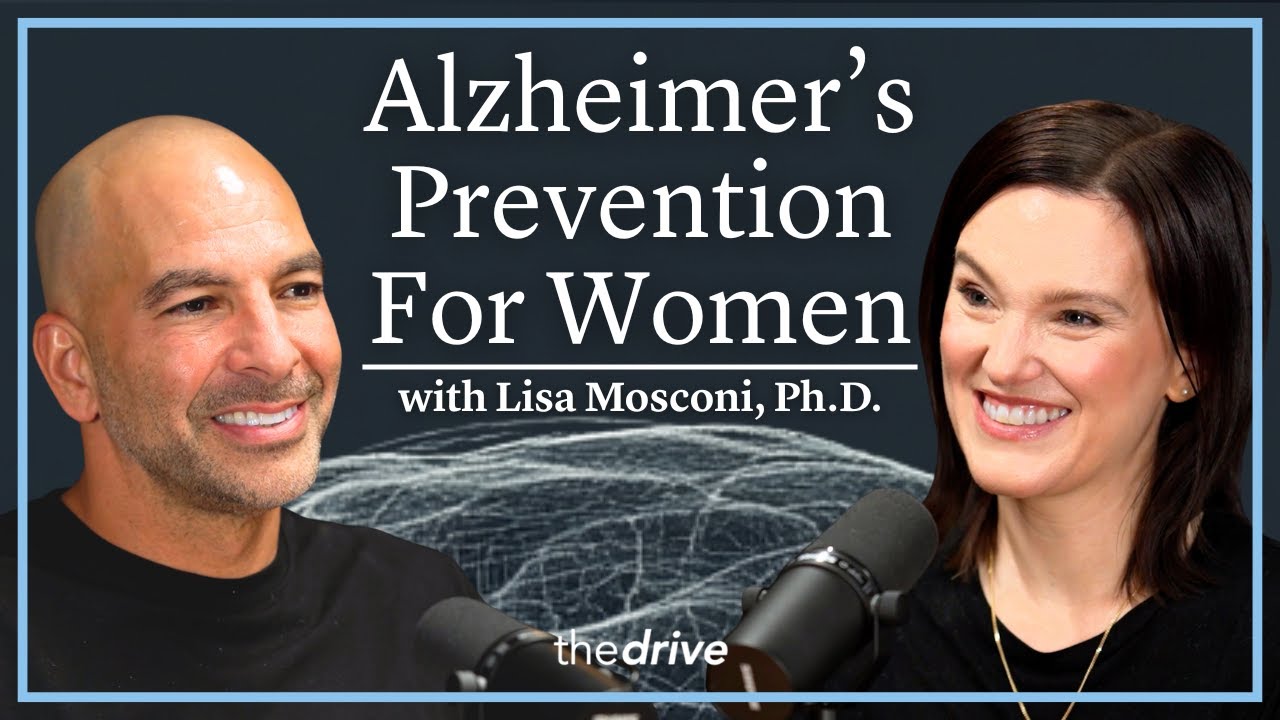 135 min
381‒Alzheimer’s disease in women: how hormonal transitions impact the brain, new therapies, & more
 9 min
9 minIs Industrial Processing the Real Problem With Seed Oils? | Layne Norton, Ph.D.
 13 min
Cooking with Lard vs Seed Oils | Layne Norton, Ph.D.
 146 min
380 ‒ The seed oil debate: are they uniquely harmful relative to other dietary fats?
Found this useful? Build your knowledge library
Get AI-powered summaries of any YouTube video, podcast, or article in seconds. Save them to your personal pods and access them anytime.
Get Started Free