Key Moments
Vincent Racaniello: Viruses and Vaccines | Lex Fridman Podcast #216
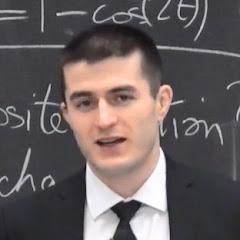 Lex Fridman
Want to know something specific about what's covered?
We've already dissected every moment. Ask and we will deliver (with timestamps).
Key Moments
Virologist Vincent Racaniello discusses viruses, vaccines, and the COVID-19 pandemic, emphasizing scientific understanding
Key Insights
Viruses are incredibly numerous and diverse, with 10^31 bacterial viruses in the ocean alone, significantly impacting global biogeochemical cycles.
Viruses are categorized as obligate intracellular parasites, existing in non-living particle and alive intracellular phases; RNA viruses are ancient, fast-evolving due to high mutation rates, while DNA viruses are more conservative.
Vaccines utilize various strategies, from old-school inactivated viruses to modern mRNA and vectored approaches, each with unique mechanisms and efficacy profiles.
The COVID-19 pandemic highlighted the importance of rapid scientific development, but also exposed challenges in public trust, communication, and the politicization of science.
Antivirals like ivermectin require rigorous testing; their effectiveness often depends on early administration when viral load is high, contrasting with the inflammatory phase of severe disease.
Viruses exert selective pressure, driving the evolution of new variants, but vaccination and natural immunity are also critical to mitigating their impact and preventing severe outcomes.
THE VAST AND ANCIENT WORLD OF VIRUSES
The discussion begins by highlighting the astonishing prevalence of viruses, with an estimated 10^31 bacterial viruses in the ocean alone. These numbers are staggering, exceeding the mass of elephants by a thousandfold and, if lined up, would stretch 200 million light-years into space. Viruses are deeply ancient, likely among the first self-replicating organic entities to evolve on Earth, long before complex cells. This historical advantage allowed them to diversify and infect virtually every living organism, making them integral to global biogeochemical cycles, particularly in the ocean where they kill 20-40% of bacterial cells daily, recycling organic matter.
DEFINING AND CLASSIFYING VIRUSES
A core principle of virology is the definition of a virus as an 'obligate intracellular parasite.' This means viruses cannot reproduce or perform any metabolic functions outside of a living host cell. They exist in two phases: a non-living particle (virion) outside the cell and an active, replicating phase inside an infected cell. Viruses are broadly categorized by their genetic material—RNA or DNA. RNA viruses, like SARS-CoV-2 and influenza, are considered 'relics' of early life and evolve rapidly due to operating at their 'error threshold' with high mutation rates. DNA viruses, conversely, are more stable and conservative in their evolution.
THE BIOLOGY OF VIRUS TRANSMISSION AND EVOLUTION
Viruses employ various attachment mechanisms to infect cells, often binding to specific receptors. While most viruses encountered by humans are harmless or unable to infect us, zoonotic spillovers, especially from mammals like bats and rodents, and birds, are a significant concern due to genetic proximity and shared habitats. Viral evolution is an ongoing 'arms race' with hosts, where selection pressures drive changes benefiting transmission and survival. A classic example is the myxoma virus in Australian rabbits, which evolved to be less lethal but more transmissible, as highly lethal viruses often limit their own spread by incapacitating hosts too quickly.
DELVING INTO CORONAVIRUSES AND INFLUENZA
SARS-CoV-2, the virus causing COVID-19, is a coronavirus, named for its crown-like appearance under an electron microscope. These RNA viruses possess unusually long RNA genomes. Coronaviruses were first identified in animals and later in humans as causes of mild colds, before the emergence of SARS-CoV-1 in 2003 and MERS in 2012, both originating from bats. SARS-CoV-2 shares similarities with SARS-CoV-1, including binding to the ACE2 receptor, but its higher transmissibility, partly due to pre-symptomatic and asymptomatic shedding, allowed it to cause a global pandemic. Influenza viruses, also RNA-based, differ by having segmented genomes, facilitating rapid evolution through reassortment, leading to frequent pandemics despite annual vaccinations.
THE SPECTRUM OF VACCINE TECHNOLOGIES
Vaccine development has evolved significantly. 'Old-school' inactivated vaccines, like early influenza shots, involve growing large quantities of virus (e.g., in chicken eggs) and chemically inactivating them. While easy to produce, they may not elicit the strongest immune response. Replication-competent vaccines, like those for yellow fever and oral polio, use weakened live viruses that reproduce in the host, providing robust immunity but carrying a rare risk of reversion to virulence. Modern approaches include vectored vaccines, which use a harmless virus to deliver specific viral genes (e.g., Ebola vaccine uses an adenovirus vector to carry the Ebola spike gene), and mRNA vaccines, which deliver genetic instructions for the host cells to produce viral proteins, like the SARS-CoV-2 spike protein, training the immune system without actual viral infection.
UNDERSTANDING AND APPLYING MRNA VACCINES
mRNA vaccines represent a breakthrough, leveraging modified mRNA encapsulated in lipid nanoparticles. These nanoparticles deliver the mRNA into host cells, which then translate it into viral proteins, such as the SARS-CoV-2 spike protein. The mRNA is transient, degrading within days. Scientists understood and modified the spike protein to prevent it from causing cell fusion, mitigating potential side effects. While the technology is new, extensive testing and real-world data from millions of recipients have demonstrated safety and efficacy against severe COVID-19 outcomes. However, the newness of the technology raises understandable public hesitancy and necessitates transparent communication about known risks and the inherent uncertainties of long-term effects.
ANTIVIRALS AND TESTING: CHALLENGES AND MISCONCEPTIONS
Antivirals offer another line of defense. Ivermectin, a safe anti-parasitic drug, showed promise in early lab studies against SARS-CoV-2, but at concentrations too high for approved human dosing; rigorous, large-scale clinical trials are still needed to confirm its efficacy and safety at therapeutic levels. Hydroxychloroquine, another repurposed drug, failed as a COVID-19 treatment due to a misunderstanding of its mechanism in human lung cells versus lab kidney cells. A critical challenge for antivirals is timing: they are most effective early in the infection (viral phase), but often administered too late, during the inflammatory phase of severe disease. Rapid, affordable testing, particularly antigen tests, are considered vital for future pandemic responses, enabling early detection and isolation to break transmission chains, a strategy not fully embraced during the early COVID-19 response.
THE HUMAN DIMENSION OF PANDEMICS: COMMUNICATION AND TRUST
The COVID-19 pandemic highlighted profound societal impacts beyond illness, including economic disruption and erosion of social trust. Effective scientific communication is crucial, yet leaders often fall short by speaking with undue certainty, failing to admit past errors, or lacking transparency about scientific uncertainties. This can fuel mistrust and conspiracy theories, hindering public health efforts. The politicization of basic measures like mask-wearing, despite epidemiological evidence of their effectiveness, created deep divisions. A balanced approach emphasizing empathy, transparency, and acknowledging the public's intelligence to weigh risks and benefits is essential to foster trust and unity during health crises.
PREPARING FOR FUTURE PANDEMICS: LESSONS LEARNED
The experience with SARS-CoV-2 underscores the urgent need for enhanced pandemic preparedness. This includes robust funding for antiviral development, readily available rapid testing, and a deep, continuous understanding of viral transmission dynamics. The rapid development of COVID-19 vaccines was a scientific triumph, but the slow progress in other areas, such as mass-producing cheap tests, indicates missed opportunities. Future strategies should integrate strong vaccine programs with accessible testing and clear, authentic communication. Despite human flaws and societal divisions exposed by pandemics, the inherent desire to help others and the collective drive for scientific progress provide hope for better responses in the face of inevitable future outbreaks.
LIVING A LIFE OF CURIOSITY AND PASSION
Reflecting on a long and distinguished career in virology, Racaniello advises young people to prioritize curiosity and passion over rigid career planning. His own path, transitioning from a medical school aspiration to laboratory research, was guided by an innate interest in scientific discovery. He emphasizes that a life enriched by curiosity—constantly questioning 'how does that work?'—prevents boredom and fosters continuous learning. When combined with passion, this approach transforms work from a mere job into a vocation, allowing individuals to dedicate themselves fully to what they find amazing, ultimately leading to a fulfilling and meaningful life.
Mentioned in This Episode
●Software & Apps
●Companies
●Organizations
●Books
●Drugs & Medications
●Concepts
●People Referenced
Common Questions
Viruses are incredibly abundant; there are an estimated 10^31 bacterial viruses in the ocean alone. These viruses infect everything on the planet, including bacteria, driving biogeochemical cycles by killing bacterial cells and releasing organic matter.
Topics
Mentioned in this video
Vaccines developed to combat the COVID-19 pandemic, including mRNA types, discussed for their efficacy, safety, and public perception.
A new type of vaccine technology, such as those for COVID-19, which uses messenger RNA to instruct cells to produce a viral protein, triggering an immune response.
A live, attenuated polio vaccine taken orally, effective but prone to reversion, causing vaccine-associated polio in rare cases and shedding infectious virus.
A virus that caused significant health issues, its treatment with combination drugs serves as an example for combating resistance in other viral infections.
An antiviral drug primarily given intravenously for COVID-19 patients in hospitals. Its effectiveness is limited because by the time patients are hospitalized it's an inflammatory issue, not primarily viral.
An oral antiviral drug in Phase 3 trials for COVID-19, which existed five years prior but was not advanced, highlighting a missed opportunity for early treatment.
A corticosteroid used to treat inflammation related to severe COVID-19, often given in hospital settings.
Academic institution where Vincent Racaniello is a professor of microbiology and immunology.
Scientific journal mentioned for an article titled 'Microbiology by Numbers,' which cites statistics on the abundance of viruses in the ocean and their impact on bacterial cells.
Regulatory body responsible for approving drugs and vaccines, and for requiring the release of clinical trial data. Also mentioned as potentially resisting approval of cheap diagnostic tests.
U.S. public health agency that developed an early, flawed COVID-19 diagnostic test, and initially advised against mask wearing, contributing to public confusion and distrust.
DeepMind's AI system that solves the protein folding problem, with potential applications for exploring unknown viral 'dark matter' by predicting protein structures from amino acid sequences.
The gold standard database for nucleic acid sequences, maintained in the U.S., used to classify viruses found in environmental samples.
A safe drug approved for parasitic infections, discussed as a potential early COVID-19 treatment. Early lab studies showed antiviral activity at high concentrations, but clinical trials are ongoing to rigorously assess its efficacy and safety at approved doses for COVID-19.
A repurposed drug for malaria that showed early in vitro activity against SARS-CoV-2 but failed in clinical trials for COVID-19 due to scientific misunderstandings of viral entry mechanisms in relevant human cells.
Professor of Microbiology and Immunology at Columbia University and host of the 'This Week in Virology' podcast, known for his expertise in biology and virology education.
Evolutionary biologist in the UK whose idea suggests that the defining point in cellular evolution was the ability to make a lot of energy, facilitated by mitochondria.
Author of 'The Plague,' a novel that explores human nature during a pandemic, highlighting themes of isolation, mortality, and the redemptive power of love and service.
Former U.S. President, quoted with his famous line 'a fear itself' in the context of fear manifesting as anger and division.
Structural biologist at UT Austin whose lab rapidly solved the structure of the SARS-CoV-2 spike protein in two months at the start of the pandemic.
Developed the yellow fever vaccine through empirical passage of the virus in chick embryos, leading to an attenuated, non-disease-causing strain.
Director of NIAID, criticized by Lex Fridman for his communication style, perceived inauthenticity, and speaking with undue authority during the pandemic, which allegedly contributed to public distrust in science.
Proponent of cheap, rapid antigen tests for COVID-19 (e.g., paper strips costing less than a dollar) for frequent, at-home use to revolutionize pandemic response.
A figure who discusses ivermectin and expresses vaccine hesitancy, particularly for younger, healthy individuals, to consider potential long-term vaccine effects.
A resident physician who presents cases on 'This Week in Parasitism,' offering insights into diagnosing and treating parasitic infections, especially those acquired during travel.
Developed the first influenza vaccines in the 1940s and the inactivated polio vaccine in 1955.
Podcast host mentioned by Lex Fridman in regard to discussing controversial topics like ivermectin and vaccine selective pressure.
Advocate for widespread vaccination, viewing not getting vaccinated as irresponsible, representing a perspective that emphasizes the collective benefit and scientific consensus.
Science fiction writer whose quote, 'The saddest aspect of life right now is that science gathers knowledge faster than society gathers wisdom,' is used as a closing thought for the podcast.
AI research company behind AlphaFold2, which open-sourced its code and released predictions for hundreds of thousands of protein structures.
Platform where Vincent Racaniello hosts his introductory virology lectures, specifically the 'Virology Lectures 2021' playlist.
Pharmaceutical company that developed ivermectin, with a proprietary process for its synthesis that makes it difficult for others to manufacture cheaply.
One of the companies that developed an mRNA COVID-19 vaccine, utilizing a specific lipid formulation to protect the RNA.
Podcast hosted by Vincent Racaniello, which covers cases of parasitic infections, often acquired through travel or food/water consumption.
Podcast hosted by Vincent Racaniello, focused on viruses and virology research, highly recommended for its educational content.
International public health agency that, along with the CDC, initially advised against mask wearing, affecting public confidence when their guidance changed.
A novel by Albert Camus describing a town gripped by a plague, which explores themes of human nature, isolation, and ultimately, the power of love and service in times of crisis.
A common plant virus that infects peppers and is frequently found in human feces due to the consumption of peppers, generally harmless to humans.
The idea that early life on Earth was RNA-based, making RNA viruses 'relics' or 'old-school' forms of life that adapted to the modern world.
A parasite that causes toxoplasmosis, often acquired from raw meat, posing a significant risk to pregnant individuals.
More from Lex Fridman
View all 553 summaries 193 min
Khabib Nurmagomedov: Dagestan, MMA, UFC, Islam, Conor, Fedor & Football | Lex Fridman Podcast #500
 227 min
Gary Gallagher: American Civil War, Slavery, Lincoln, Grant & Lee | Lex Fridman Podcast #499
 232 min
The Rise and Fall of the Roman Empire and the Byzantine Empire | Lex Fridman Podcast #498
 174 min
Biggest Mysteries in Physics: Antimatter, Dark Energy & ToE - Don Lincoln | Lex Fridman Podcast #497
Ask anything from this episode.
Save it, chat with it, and connect it to Claude or ChatGPT. Get cited answers from the actual content — and build your own knowledge base of every podcast and video you care about.
Get Started Free