Key Moments
Dr. Gabor Maté — The Myth of Normal
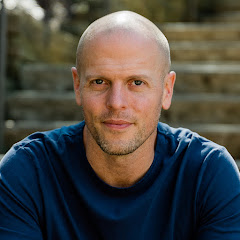 Tim Ferriss
Key Moments
Dr. Gabor Maté discusses "The Myth of Normal," linking trauma, illness, and healing in a toxic culture.
Key Insights
The "myth of normal" suggests that what society deems normal is often abnormal for human nature, while illnesses are normal responses to abnormal circumstances.
Childhood trauma, particularly theloss of connection to oneself, is a significant factor in adult physical and mental health issues.
Rage is a natural boundary-defense system, distinct from suppressed anger which can become destructive "rage" when triggered later in life.
Authenticity and attachment are essential human needs; suppressing authenticity for the sake of attachment can lead to a "loss of self."
Effective parenting and societal practices should focus on understanding children's emotional dynamics rather than solely on behavior modification.
Self-regulation in children develops through co-regulation with a calm, nurturing adult, not through punishment or suppression of emotions.
THE POWER OF INDIGENOUS WISDOM AND PERSONAL HEALING
Dr. Gabor Maté begins by sharing a profound ayahuasca ceremony experience with indigenous Canadians. This experience, deeply healing for him, occurred amidst the ongoing reckoning with residential school abuse. He highlights the resilience, dignity, and deep connection to nature he witnessed, contrasting it with the profound suffering of the indigenous communities. This experience profoundly impacted him, influencing his recent work and personal embodiment of its teachings.
UNPACKING EARLY TRAUMA AND ABSORPTION OF SUFFERING
Maté recounts a challenging Ayahuasca retreat where indigenous shamans identified a "dark, dense energy" within him, attributing it to absorbed trauma from working with suffering individuals and an early childhood "big scare." This led to a personal five-night healing ceremony where a shaman addressed these deep imprints, illuminating how early life experiences, particularly abandonment and terror, can create lasting neurological patterns.
THE SCIENCE-PRACTICE GAP AND NEUROLOGICAL IMPRINTS
Despite extensive scientific understanding of trauma and healing, Maté notes a frustrating gap between this knowledge and its integration into medical practice. He explains that traumatic imprints become embedded in brain circuits and survival mechanisms, shaping beliefs and reactive patterns. Early trauma can lead to beliefs like impenetrability, sabotaging future healing experiences until these patterns are recognized and processed.
UNDERSTANDING AND MANAGIng RAGE
Differentiating healthy anger (a boundary-defense mechanism) from destructive rage (suppressed anger triggered by past events), Maté explains how childhood boundary violations, especially when anger must be suppressed for survival, can lead to explosive outbursts later in life. He emphasizes that rage magnifies when acted out, unlike healthy anger which dissipates. Effective processing involves body-based awareness, recognition, allowance, investigation, and nurturing the vulnerable inner child.
THE CONFLICT BETWEEN AUTHENTICITY AND ATTACHMENT
Maté explores the inherent human needs for both attachment (connection for care) and authenticity (knowing and acting on one's feelings). When these conflict, typically in childhood, authenticity is often sacrificed for attachment, leading to a loss of self and subsequent mental and physical health issues. He argues that societal norms and parenting advice often prioritize compliance over authentic expression, contributing to this disconnect.
THE "MYTH OF NORMAL" EXPLAINED
The core message of "The Myth of Normal" is that societal definitions of 'normal' are often abnormal for human nature, leading to diseases and dysfunctions being misinterpreted as individual failings rather than reactions to toxic environments. This culture disconnects people from themselves, fostering false needs, manipulation through consumerism, and policies that generate further trauma, ultimately highlighting that healing is possible by reconnecting with our true nature.
NAVIGATING TOXIC CULTURE AND FINDING YOUR WAY BACK
Maté advocates for reconnecting with nature, developing self-care practices like meditation and yoga, and seeking communal connection to counteract societal disconnection. He stresses that understanding the origins and purpose of our internal "wounds" is key to working through them. Both individual and collective healing involve recognizing that dysfunction arises from societal pressures that alienate us from our authentic selves.
PARENTING AND EDUCATION: BEYOND BEHAVIOR MODIFICATION
Harmful parenting and educational practices often focus on fixing child behaviors rather than addressing underlying emotional dynamics. Maté argues that "acting out" is often a child's way of communicating unexpressed emotions. True development requires adults to be regulated and provide a safe space for children to experience and process their emotions, fostering self-regulation through co-regulation, rather than suppressing behavior or punishing the child.
TRAUMA-INFORMED APPROACHES IN CORRECTIONAL SETTINGS
Maté highlights the profound impact of trauma on incarcerated individuals, noting that societal marginalization and historical trauma significantly increase the likelihood of imprisonment. He advocates for a "correctional" system focused on understanding and rehabilitation rather than punishment, citing successful trauma work within prisons. He believes that by addressing the root emotional and developmental issues, rehabilitation potential is enormous.
THE CALLING AND TRUSTING THE PROCESS
Reflecting on his own creative process and Tim Ferriss's exploration of his inner calling, Maté emphasizes the importance of listening to the "small, still voice" within. He encourages trusting the process, taking the next step without needing all answers in advance, and allowing authentic interests, like animal communication, to unfold without the pressure of immediate monetization or societal validation. True healing involves embracing all parts of oneself.
Mentioned in This Episode
●Companies
●Organizations
●Books
●Drugs & Medications
●Concepts
●People Referenced
Navigating Trauma and Cultivating Authenticity
Practical takeaways from this episode
Do This
Avoid This
Common Questions
The COVID-19 pandemic unexpectedly benefited Dr. Maté by forcing him to cancel travel commitments, allowing him to focus on and finish his new book, 'The Myth of Normal,' which took a year longer than anticipated. He also shifted to more online teaching and webinars during this period.
Topics
Mentioned in this video
An award-winning best-selling book by Dr. Gabor Maté, subtitled 'Close Encounters with Addiction,' which explores the link between childhood trauma and addiction.
A book by Dr. Gabor Maté, subtitled 'Exploring the Stress-Disease Connection,' which examines the physiological impact of stress.
A woman who works with high-level offenders in prisons, facilitating trauma work and witnessing incredible transformations, as seen in 'The Wisdom of Trauma' film.
CEO of Shopify, mentioned passively by Tim Ferriss as someone who uses the Enneagram in a business context.
Host of The Tim Ferriss Show, who interviews Dr. Gabor Maté and shares personal stories of trauma and self-discovery throughout the conversation.
Renowned speaker and best-selling author, known for his expertise on addiction, stress, and childhood development. He is the guest of the podcast.
A colleague of Dr. Maté, known for developing the 'Wheel of Awareness' meditation practice, which Maté practices for self-care.
A public figure and author whose parenting advice (specifically about isolating angry children) is criticized by Dr. Maté.
Dr. Gabor Maté's son, who provided brilliant help in writing 'The Myth of Normal.'
A Canadian Olympian who won medals in both summer and winter games, cited by Dr. Maté as an example of someone who reconnects with herself through long-distance walking in nature.
A province in Canada where Dr. Gabor Maté participated in a plant ceremony with Indigenous Canadians.
A level four maximum security prison in California where Tim Ferriss conducted podcast interviews and observed rehabilitation efforts.
A maximum-security prison in California where Dr. Gabor Maté witnessed trauma work with inmates, including killers.
The country where Dr. Gabor Maté led a retreat for medical professionals using ayahuasca and received personal healing from a shaman.
Indigenous territory where Tim Ferriss learned about mass graves and the historical abuse of Canadian native children.
An initiative that uses the Enneagram personality typing system to facilitate rehabilitation and self-discovery among incarcerated individuals.
The headquarters of the Roman Catholic Church, mentioned in the context of Pope Francis's apology to Canadian Indigenous leaders for historical abuses in residential schools.
More from Tim Ferriss
View all 690 summaries 184 min
Daredevil Michelle Khare — How to Become a YouTube Superstar
 81 min
Q&A with Tim — The Upcoming AI Tsunami and Building Offline Advantage
 91 min
The Random Show, Couch Edition! — Supplements, Breathing and Balance Training, and Much More!
 76 min
How to Quiet the Ruminative Mind and Avoid The Traps of Self-Help — Tim Ferriss
Found this useful? Build your knowledge library
Get AI-powered summaries of any YouTube video, podcast, or article in seconds. Save them to your personal pods and access them anytime.
Get Started Free