Key Moments
Bobby Hundreds — Building an Iconic Streetwear Brand and Much More | The Tim Ferriss Show
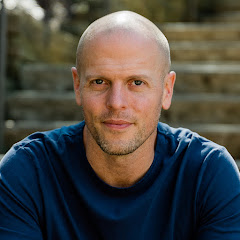 Tim Ferriss
Key Moments
Bobby Hundreds on building The Hundreds streetwear brand, the power of community, and the future of NFTs.
Key Insights
Bobby Hundreds cultivated "The Hundreds" brand by prioritizing community and storytelling over traditional product sales, attracting a loyal following.
His upbringing as an Asian American outlier in a traditional household fueled his artistic endeavors and the desire to build his own community.
A life-changing conversation with an ailing mentor, Abe, encouraged Bobby to pursue his creative passions instead of a conventional law career.
The brand strategically leveraged collaborations, starting with Disney, not just for revenue but for cultural noise and brand reinforcement, proving that even "anti-establishment" brands can work with corporate giants.
Bobby anticipates a future where NFTs, or digital ownership, will revolutionize various industries beyond speculative art, particularly in collectibles and creator compensation.
The inherent "Han" (emotional repression leading to brilliant art/passion) in Korean culture and intentional government support are key drivers of K-pop's global rise.
EARLY LIFE AND THE QUEST FOR BELONGING
Born in Baltimore and raised in Riverside, Southern California, Bobby Hundreds, co-founder of global streetwear brand The Hundreds, felt like an outsider from a young age. As a middle child in a Korean-American immigrant family, he didn't quite fit into the traditional expectations of his parents or the mainstream culture of his hometown. This sense of marginalization led him to gravitate towards fringe interests like skateboarding, punk rock, and art, where he found a welcoming community and a sense of identity. This early quest for belonging became a foundational element in his later brand-building philosophy.
THE CALLING OF ARTIST VERSUS CONVENTIONAL PATH
Despite his innate artistic talent, Bobby faced familial and societal pressure to pursue a more stable career, echoing the traditional values of his immigrant parents who endured significant hardship. He initially enrolled in law school, viewing it as a practical path that would allow him to pursue art on the side. This period, following 9/11 and the decline of print media, saw him freelancing for magazines covering Japanese streetwear while covertly sketching and developing brand ideas during law classes. The conflict between his artistic calling and expected professional trajectory mirrored a common struggle for many hyphenated creatives.
A LIFE-CHANGING MENTORSHIP
During a law school externship, Bobby encountered Abe Edelman, a brilliant but eccentric research attorney. Abe, who was terminally ill, recognized Bobby's lack of passion for law and encouraged him to pursue his dream project, The Hundreds. Abe's poignant advice—to avoid spending a lifetime doing something he didn't love—served as a powerful catalyst. This conversation gave Bobby permission to pivot from a conventional career path, allowing him to embrace his true calling and initiate the journey that would define his future, a decision he reflected on profoundly years later.
THE BIRTH OF THE HUNDREDS AND COMMUNITY-FIRST BRANDING
Fueled by Abe's encouragement, Bobby committed to building The Hundreds. The brand was conceived with a core philosophy: "people over product." This meant prioritizing community, highlighting the stories of friends, artists, and cultural figures within their circles. Drawing inspiration from punk rock's inclusive ethos, The Hundreds aimed to create a direct relationship with its audience, fostering a sense of shared identity and belonging. Early on, Bobby recognized the power of blogging as a self-publishing tool, enabling him to connect with a global audience and document the brand's journey transparently.
LEVERAGING SUBVERSION AND COLLABORATION
The Hundreds achieved rapid success, partly due to its unique approach to streetwear in a then-stagnant L.A. scene. Bobby strategically cultivated scarcity, intentionally turning away buyers at trade shows to amplify demand and build an aura around the brand. A pivotal moment was a collaboration with Disney, born from the brand's playful infringement of Disney's IP. This unlikely partnership, where The Hundreds subverted established branding norms by merging logos and choosing obscure characters like Peter Pan's Lost Boys, demonstrated a collaborative model that generated significant cultural noise and helped the brand gain mainstream recognition without selling out its ethos.
FASHION'S FICKLE NATURE AND THE LONG GAME
Bobby candidly describes fashion as a volatile industry where momentum can shift dramatically and without warning. The Hundreds experienced periods of immense growth, with celebrity endorsements and booming sales, but also faced downturns as trends changed. This taught Bobby the crucial lesson of resilience: surviving is winning. He emphasizes the importance of playing the long game, focusing on sustained cultural impact rather than fleeting financial success. The brand's ability to adapt, cut costs strategically during market shifts, and continually evolve its offerings has allowed it to remain relevant and profitable for two decades, a rarity in streetwear.
THE KOREAN WAVE AND CULTURAL INFLUENCE
Bobby offers a fascinating perspective on the global rise of Korean pop culture, attributing it to a strategic, government-coordinated "Korean wave." This initiative involved direct funding and collaboration between the government and entertainment industries to export culture and brand Korea as innovative and cool. He highlights the concept of "Han," an emotional repression inherent in Korean culture, which manifests as brilliant, passionate, and sometimes violent art. This unique cultural DNA, combined with rapid technological advancement like broadband penetration, has propelled Korean music, film, beauty, and food to global prominence, challenging existing cultural hegemonies.
NAVIGATING THE NFT WILD WEST
Bobby's journey into NFTs began with skepticism but evolved into a deep dive into digital ownership and its potential. The Hundreds famously sold 25,000 NFTs in 40 minutes, generating $7 million, but Bobby notes that much of this was reinvested. He views NFTs as a philosophical shift, offering solutions to issues like waste in fashion and fair artist compensation through secondary sales. However, he warns against the pitfalls of short-term speculation and the "day trader" mentality that reduced art to tradable assets, leading to a "wild west" environment with significant mental anguish for many creators.
CHALLENGES AND FUTURE OF CREATOR ROYALTIES
A major challenge in the NFT space has been the erosion of creator royalties, particularly as marketplaces like OpenSea faced competitive pressures. What began as a "pinky promise" to artists quickly dissolved in a bear market, forcing Bobby to reconsider the long-term viability of the royalty model as initially understood. He now believes that projects may need to develop their own marketplaces to enforce royalties or creators must adapt to a model of continuous, prolific creation, similar to how enduring brands like Air Jordan thrive by consistently introducing new collections, thereby increasing the value of earlier works rather than diluting them.
WEB3 PHILOSOPHY AND REAL-WORLD IMPACT
Despite the volatility and challenges, Bobby remains a strong believer in the underlying principles of web3: digital ownership, sovereignty, and smart contracts. He sees its potential to disrupt traditional business models, creating more equitable relationships between creators and consumers. He points to examples like Nike's .Swoosh, which allows community members to become co-creators and share in the upside. Ultimately, Bobby believes that web3 will transcend its current form, evolving into a philosophy that changes how we build brands and compensate artists, much like the repackaged ideals of the hippie movement that influenced environmentalism and social empowerment.
THE IMPORTANCE OF "NUNTI" (EMOTIONAL INTELLIGENCE)
Bobby highlights the Korean concept of "Nunti," referring to the ability to subtly read a room and gauge emotional states. He attributes this skill to Korea's complex history and believes it's a valuable trait for navigating unpredictable environments. This capacity for observation and measured response has informed his approach to business and personal interactions, emphasizing patience and understanding before making definitive judgments. In a fast-paced world driven by immediate gratification and quick judgments, Bobby advocates for taking the time to observe and allow for growth, both in technology and in people.
PLAYING THE LONG GAME AND RESISTING IMPULSIVITY
A recurring theme in Bobby's philosophy is the importance of playing the long game. He advises against chasing short-term wins in an era of instant gratification, stressing that enduring success comes from consistent effort and a long-term vision. He views perceived "moments" of overnight success as ephemeral and emphasizes the need for brands and individuals to pace themselves, think decades ahead, and maintain a steady course. This approach, characterized by deliberate action rather than impulsive decisions, builds a more reliable, durable, and ultimately more successful path amidst constant change.
Mentioned in This Episode
●Products
●Software & Apps
●Companies
●Organizations
●Books
●Concepts
●People Referenced
Common Questions
Bobby Hundreds was surprised by FSG's strong offer and their receptiveness to his writing style, which aligns with their intellectual and writerly approach. He's proud to write his entire books himself, a rarity for many successful business memoirs. The quality of his writing resonated with the esteemed publisher.
Topics
Mentioned in this video
A New York Times best-selling book by Robb Wolf.
A New York Times best-selling book by Robb Wolf.
A Netflix series, potentially a causal factor in the rise of Korean pop culture.
Phil Knight's book, especially popular among streetwear enthusiasts for entrepreneurial insights.
Bobby Hundreds' newest book detailing his two-year journey into web3, published by FSG.
A book by Simon Sinek that provides easy-to-understand entrepreneurial advice.
Bobby Hundreds' bestselling memoir about his life and building a brand around community.
An acclaimed book by Min Jin Lee that provides insight into Korean culture, history, and the concept of 'nunchi'.
A book by Ben Horowitz, recommended for business and entrepreneurial advice.
A book by Simon Sinek that provides easy-to-understand entrepreneurial advice.
A fictionalized non-fiction book by Hector Tobar about the Chilean miners, highly recommended by Bobby Hundreds.
Creator of Calvin and Hobbes, known for his anti-merchandising stance.
A hip-hop collective whose members, including Tyler, the Creator, were early associates of The Hundreds.
Celebrity associated with the 'corny' LA fashion scene of the 2000s, in contrast to the streetwear movement.
Music producer mentioned as an example of unexpected early success, signing LL Cool J out of his dorm room.
A designer who expressed interest in acquiring The Hundreds, but the deal didn't materialize due to a shift in fashion trends.
Basketball player whose mother insisted on him receiving a cut of every shoe sale, revolutionizing sports endorsements.
Co-founder of Deadfellaz, an NFT project, who advocated for artist royalties in the Web3 space.
Model and actress, featured on The Hundreds' magazine cover early in her career.
Japanese-American comic book artist, creator of Usagi Yojimbo, whom The Hundreds collaborated with directly.
Writer whose quote about the demise of the hippie movement after the Manson murders is used at the beginning of Bobby Hundreds' book on NFTs.
Co-founder of Artists Equity, the production company behind the 'Air' movie, which is established on the philosophy of fair creator compensation.
Artist, designer, storyteller, and co-founder/chief creative officer of the global streetwear brand The Hundreds.
Mutual friend of Tim Ferriss and Bobby Hundreds, who introduced them and commented on recent K-pop trends in Japan.
Author of 'The Hard Thing About Hard Things,' recommended for entrepreneurial advice.
Co-founder of Artists Equity, the production company behind the 'Air' movie, which is organized around fair creator compensation.
The most expensive living artist, whose prolific career exemplifies how continuous art creation increases the value of an artist's entire repertoire.
Musician whom Bobby Hundreds discovered at South by Southwest and helped introduce to the LA scene.
Actress who experienced sudden hyperspeed fame after being cast in Orange is the New Black, illustrating the rapid acceleration of celebrity in LA.
Director involved in the production of Roger Rabbit.
Co-founder of Nike and author of 'Shoe Dog,' whose book is loved by 'kids in streetwear'.
An author of a fictionalized non-fiction book on Chilean miners, 'Deep Down Dark,' and one of Bobby Hundreds' favorite authors.
Rapper, one of Rick Rubin's first acts, mentioned in the context of early music business success.
Actor who appeared in Edwin jeans advertisements in Japan during the 90s.
Rapper and designer who became deeply involved in streetwear and cartoony art, coinciding with The Hundreds' early success.
Musician, one of the female personalities featured on The Hundreds' magazine cover early in their careers.
Figure used by Neil Strauss to draw parallels with SBF's impact on crypto, theoretically 'killing' the hippie movement.
Former research biochemist and author of 'The Paleo Solution' and 'Wired to Eat,' who created LMNT.
An author whose books are published by FSG, mentioned as a favorite author by Tim Ferriss.
A research attorney at LA Superior Court who mentored Bobby Hundreds, encouraging him to pursue his artistic dreams despite his legal studies.
Rapper and artist who emerged from the community surrounding The Hundreds.
Musician, one of the female personalities featured on The Hundreds' magazine cover early in their careers.
Actress, one of the female personalities featured on The Hundreds' magazine cover early in their careers.
Actor who Bobby Hundreds educated on NFTs, despite Rogen's initial disinterest in leveraging them for his audience.
Composer of The Phantom of the Opera, who was initially surprised by The Hundreds' collaboration request.
Disney animated film from which The Hundreds chose 'The Lost Boys' for a collaboration due to their narrative alignment.
Creator of Garfield, who developed the comic from focusing on John Arbuckle to the popular cat.
Author known for easy-to-understand entrepreneurial advice, including 'Start with Why' and 'Leaders Eat Last'.
Author of 'The Godfather,' praised for his dedication to writing while raising a family.
Blogging platform that launched in 1999, which Bobby Hundreds used as an early form of self-publishing for The Hundreds.
Nike's web3 initiative, allowing digital ownership of sneakers and enabling community creators to design shoes, sharing in profits.
A major NFT marketplace that changed its policy on artist royalties, sparking debate within the Web3 community.
A magazine that was a hybrid of skate, surf, snow, music, and fashion, offering a platform for Bobby Hundreds' diverse interests.
The NFT blockchain of choice for many major studios, including Disney, making billions in NFT trading.
A membership rewards program being built with web3 principles.
An app for trading sneakers, mentioned as an example of a secondary market that could be transformed by NFTs.
An NFT project co-founded by Ryan Bethencourt.
An NFT project launched by Tim Ferriss to raise money for the Saisei Foundation, which sold out quickly.
An NFT project co-founded by Bobby Hundreds.
Graphic design software Bobby Hundreds used during law school to secretly work on The Hundreds brand.
Graphic design software Bobby Hundreds used during law school to secretly work on The Hundreds brand.
Blogging platform that launched in 1999, which Bobby Hundreds used for The Hundreds to reach a wider audience.
A popular website that featured Jay-Z wearing The Hundreds' product.
An app for trading sneakers, mentioned as an example of a secondary market that could be transformed by NFTs.
An NFT project that tied utility to NFTs, changing the narrative from pure collectibles to value-added assets.
A delicious sugar-free electrolyte drink mix, used by Tim Ferriss and recommended for various diets and exercise.
An esteemed publishing house, known for publishing intellectual and literary works, and Bobby Hundreds' publisher.
A fashion brand prevalent in LA during the 2000s, described by Bobby Hundreds as 'corny' in contrast to emerging streetwear.
An app that helps users save and invest money, offering a high-yield cash account with FDIC insurance.
A successful Korean company that overcame the stigma of Korean products in the 80s and 90s.
One of the studios that collaborated on Roger Rabbit.
A brand focused on fitted t-shirts, representing a different aesthetic than The Hundreds' early streetwear.
An early Japanese streetwear brand whose designer, Nigo, drew inspiration from American youth culture.
A streetwear brand, mentioned as a peer and collaborator with The Hundreds during early block parties.
Streaming service that has greenlit many Korean dramas, contributing to the Korean Wave.
A Korean food company entering the US market, seen on Lakers uniforms.
A streetwear brand, mentioned as a peer to The Hundreds, and later as an example of an 'unlimited' brand with limited drops.
A brand The Hundreds collaborated with on a new colorway of a shoe.
Comic book publisher associated with Stan Sakai and Usagi Yojimbo.
An early Japanese streetwear brand.
Platform that Psy capitalized on to make 'Gangnam Style' a global hit.
Japanese electronics company, preferred over Samsung in the 80s and 90s.
One of The Hundreds' first major collaborators, approached due to copyright infringement.
One of the studios that collaborated on Roger Rabbit.
Company that owns Tops and sports cards, emphasizing primary market sales over utility to avoid security classification.
Production company founded by Ben Affleck and Matt Damon, based on the philosophy of creators being paid fairly alongside them.
A company that produces the Pod Cover, a device for adjusting mattress temperature to optimize sleep.
Global streetwear brand co-founded by Bobby Hundreds, known for its community focus and collaborations.
A fashion brand prevalent in LA during the 2000s, described by Bobby Hundreds as 'corny' in contrast to emerging streetwear.
A fashion brand prevalent in LA during the 2000s, described by Bobby Hundreds as 'corny' in contrast to emerging streetwear.
A media company that published skate, surf, snow, and Warp magazines.
An early Japanese streetwear brand.
A Japanese denim brand that Brad Pitt advertised in Japan.
A successful Korean company that overcame the stigma of Korean products in the 80s and 90s, now known for quality electronics.
A streetwear brand, mentioned as a peer and collaborator with The Hundreds during early block parties.
Disney's version of a Pokemon-like card game, expected to become a massive collectibles market.
A line of Nike basketball shoes that continued to release new models annually, increasing the value of earlier editions and demonstrating long-term brand building.
An American denim brand that the Japanese appropriated and made a hot commodity in the 80s and 90s.
A smart mattress cover by 8 Sleep that adjusts temperature for optimal sleep and tracks health metrics.
A popular PC game whose launch in Korea highlighted South Korea's high broadband penetration and its impact on culture.
Tim Ferriss's foundation that funds early scientific research, supported by his 'Punch The Legend Of Punch' NFT project.
Japanese electronics company, preferred over Samsung in the 80s and 90s.
The law school Bobby Hundreds attended, where he did an externship with Abe Edelman.
A national newspaper that featured Jay-Z wearing The Hundreds' product on its front page.
Cryptocurrency exchange founded by Sam Bankman-Fried, whose collapse raised questions about infrastructure and regulation in crypto.
Hip-hop group, mentioned as another early success for Rick Rubin, illustrating his early impact in music.
NBA team whose uniforms feature the BB.Q Chicken logo.
A global pop song hit by Psy, known for its fun dance and viral spread on YouTube.
A film that showcases the influence of Asians and Asian-Americans in entertainment.
A film that was a big deal in establishing the market viability of Asian representation in entertainment.
A book by Mario Puzo that Bobby Hundreds frequently gifts, admiring the author's dedication to his craft.
A comic strip by Jim Davis that inspired Bobby Hundreds' drawing style and caricature.
Bobby Hundreds' favorite Korean drama, described as universal and innovatively told.
A popular Netflix show featuring buff Korean men and women, challenging traditional Asian body stereotypes.
A rabbit samurai character, not originally part of the Ninja Turtle universe, that The Hundreds chose for a collaboration due to his 'outsider' narrative.
A Korean film that swept the Oscars, a major contributor to the global influence of Korean pop culture.
A Korean drama currently popular on Netflix.
TV show that launched Ruby Rose's career into hyperspeed.
Disney character whom The Hundreds deliberately avoided in their first collaboration, opting for less obvious IP.
A comic strip by Bill Watterson that influenced Bobby Hundreds' humor and sarcasm, seen as more about writing than illustration.
A Korean concept of emotional repression manifesting in art, romance, passion, and violence, influenced by historical struggles.
A Korean cultural concept describing the ability to read a room and gauge emotional states, attributed to Koreans' historical context.
A movie about the Jordan shoe deal, highlighting Michael Jordan's mother's revolutionary demand for a cut of shoe sales.
More from Tim Ferriss
View all 689 summaries 81 min
Q&A with Tim — The Upcoming AI Tsunami and Building Offline Advantage
 91 min
The Random Show, Couch Edition! — Supplements, Breathing and Balance Training, and Much More!
 76 min
How to Quiet the Ruminative Mind and Avoid The Traps of Self-Help — Tim Ferriss
 86 min
NYT Bestselling Author on Writing 200+ Children's Books — Tish Rabe
Found this useful? Build your knowledge library
Get AI-powered summaries of any YouTube video, podcast, or article in seconds. Save them to your personal pods and access them anytime.
Get Started Free