Key Moments
245 ‒ Overcoming trauma, finding inner peace, & living a meaningful & fulfilling life | Lewis Howes
 Peter Attia MD
Want to know something specific about what's covered?
We've already dissected every moment. Ask and we will deliver (with timestamps).
Key Moments
Lewis Howes discusses overcoming childhood trauma, finding inner peace, and living a meaningful life.
Key Insights
Childhood trauma, including sexual abuse and a sibling's imprisonment, significantly impacted Lewis Howes's early life and adult behaviors.
Unresolved trauma can manifest as emotional reactivity, relationship difficulties, and a persistent feeling of emptiness, even amidst success.
Therapy, emotional intelligence workshops, and self-reflection were crucial for Howes in processing trauma, developing self-acceptance, and finding inner peace.
Adversity can be beneficial for growth, but severe trauma can be debilitating if not addressed, leading to long-term physical and emotional health consequences.
True healing involves accepting past wounds with compassion, integrating lessons learned, and consciously choosing courageous actions over fear and self-doubt.
Inner peace is presented as the ultimate currency, essential for navigating life's challenges with poise, grace, and effective leadership.
The pursuit of dreams and impacting others (greatness) is more fulfilling than purely selfish success.
Constantly seeking personal growth through various developmental modalities is key to sustained well-being and resilience.
EARLY LIFE TRAUMAS AND THEIR IMPACT
Lewis Howes's early life was marked by significant traumas, including being sexually abused by a babysitter's son at the age of five and witnessing his older brother's imprisonment for drug offenses. These experiences, compounded by a chaotic home environment due to his parents' tumultuous relationship, led to feelings of shame, insecurity, and a constant need to project an inauthentic persona to gain acceptance. The emotional scars from these events created deep-seated pain and self-doubt that influenced his behavior and relationships for decades.
THE MASK OF SUCCESS AND REACTION
Driven by the need to prove himself and overcome his insecurities, Howes channeled his energy into athletic and business pursuits. While this drive led to significant achievements, it also served as a mask, hiding the underlying emotional wounds. He describes a pattern of reactivity, particularly in intimate relationships and professional dealings, where he felt triggered by perceived slights, stemming from a deep-seated fear of powerlessness and abandonment. This constant state of defense, while fueling success, left him feeling increasingly empty, lonely, and unfulfilled.
THE BREAKDOWN AND THE TURNING POINT
At age 30, a convergence of personal and professional crises—including a business partnership dispute and intense relationship turmoil—triggered multiple emotional breakdowns. These events served as a critical wake-up call, highlighting the unsustainability of his coping mechanisms. He realized that his success was not bringing him genuine happiness and that his reactive behavior was alienating those around him. This marked the beginning of his conscious journey toward healing and self-discovery.
THE PATH TO HEALING AND SELF-ACCEPTANCE
Howes embarked on a decade-long journey of healing, utilizing various modalities like emotional intelligence workshops, therapy, meditation, and retreats. A pivotal moment was his first public disclosure of childhood sexual abuse at a workshop, which was terrifying but liberating. This act of vulnerability, initially feared to be career-ending, instead led to an outpouring of support and inspired other men to share their own experiences. Sharing his story with family and friends further strengthened his bonds and fostered deeper intimacy.
THE DISTINCTION BETWEEN ADVERSITY AND TRAUMA
Howes distinguishes between adversity, which can be a source of growth and meaning, and trauma, which is profoundly damaging if left unaddressed. While overcoming challenges like sports injuries or setbacks builds resilience, severe trauma can deeply wound one's psyche, impacting personality and reality. He emphasizes that finding meaning, even in the most horrific experiences, is crucial for healing and can transform pain into a source of wisdom and service to others.
INNER PEACE AS THE ULTIMATE CURRENCY
The pursuit of inner peace is central to Howes’s philosophy. He views it as the most valuable currency in life, enabling individuals to navigate stress, chaos, and external challenges with poise and grace. True fulfillment, he argues, comes not just from external success but from cultivating internal harmony, accepting past wounds, and embracing courageous self-expression. This inner peace allows for more authentic relationships, effective leadership, and a richer, more abundant life.
EMBRACING GROWTH AND CONTINUOUS LEARNING
Howes advocates for a mindset of continuous learning and growth, likening effective personal development to how elite athletes employ coaches. He stresses the importance of seeking support through therapy, coaching, and workshops not just during crises but as an ongoing practice. He advises against waiting for a 'perfect storm' to begin addressing emotional well-being, instead encouraging proactive engagement with tools and practices that foster emotional intelligence and resilience, ultimately leading to a more fulfilling existence.
THE POWER OF VULNERABILITY AND AUTHENTICITY
A recurring theme is the transformative power of vulnerability and authenticity. Howes learned that hiding one's true self, particularly the parts marked by shame and insecurity, prevents genuine connection and inner peace. By accepting and integrating all aspects of his past, including the difficult and shameful ones, he was able to break free from self-abandonment and foster deeper, more meaningful relationships, both with himself and with others.
NAVIGATING THE PARENTAL EXPERIENCE
Reflecting on his own experiences and the concept of raising children, Howes and Attia discuss the delicate balance between shielding children from harm and allowing them to face necessary adversities that build character. They emphasize that avoiding complete helplessness and shame is crucial for a child's healthy development, aligning with the idea that life's challenges, when navigated with support, forge resilience and strength.
ACCEPTING MORTALITY AND LIVING WITH PURPOSE
The conversation touches upon the profound impact of confronting mortality, particularly through his father's near-fatal accident and prolonged recovery. This experience instilled in Howes a deep sense of urgency to pursue his dreams without fear of failure, realizing that life is fragile and regret is a heavy burden. This led him to actively chase his passions, from professional sports to international handball, reinforcing the importance of living a life aligned with purpose and meaning.
Mentioned in This Episode
●Software & Apps
●Organizations
●Books
●Drugs & Medications
●Concepts
●People Referenced
Common Questions
Lewis Howes experienced his older brother going to prison for selling LSD when Lewis was eight years old, which led to a confusing and lonely time where neighborhood parents wouldn't let their kids play with him. This was compounded by being sexually abused by a babysitter's son at five years old, an event he kept secret for 25 years.
Topics
Mentioned in this video
A psychologist and expert on narcissism whom Lewis Howes has interviewed on his show.
A Dutch extreme athlete and wellness guru known for the 'Wim Hof Method' involving cold exposure and breathing techniques, whom Lewis Howes visited in Poland.
A researcher and author mentioned by Lewis Howes, who states 'your personality becomes your personal reality,' and with whom Lewis has done meditation retreats.
A motivational speaker and coach Lewis Howes mentions being with at a business Mastermind event in Florida.
A psychiatrist and expert on trauma, and a close friend of Peter Attia, whose work Lewis Howes references and has hosted on his podcast.
A world champion athlete Lewis Howes has interviewed, exemplifying the dedication to coaching and continuous improvement even at the top.
A world champion athlete Lewis Howes has interviewed, exemplifying the dedication to coaching and continuous improvement even at the top.
The author of 'Man's Search for Meaning,' cited by Lewis Howes for his insights on finding meaning in traumatic experiences.
A psychologist and author quoted by Lewis Howes on the balance between protecting children and allowing them to experience adversity to build courage.
An icon of jazz who invented the electric guitar, with whom Lewis Howes' brother played for 10 years in Times Square and at his funeral.
A Holocaust survivor and author whom Lewis Howes has interviewed, who found forgiveness and meaning after witnessing her parents' execution in Auschwitz.
An entrepreneur and author known for his "die with zero" philosophy, who inspired Peter Attia to order a life calendar.
An online content creator who wears a shirt displaying the percentage of his life lived as a daily reminder of mortality, a story Lewis Howes shares.
The suburban setting where Lewis Howes describes getting into aggressive basketball pickup games, reflecting his unaddressed anger.
The concentration camp where Edith Eger's parents were killed, mentioned when discussing her profound trauma.
The city Lewis Howes moved to in pursuit of his Olympic handball dream, while simultaneously building his business.
Lewis Howes traveled to India to study meditation and become a meditation instructor.
Lewis Howes' home state where he grew up in a small town near Columbus.
The location of the private boarding school Lewis Howes attended at age 13, which provided structure lacking in his home life.
The location where Lewis Howes almost got into a physical fight with a business partner during a stressful period in his life.
A book by Viktor Frankl about finding meaning in suffering, referenced by Lewis Howes in his discussion about trauma and adversity.
Lewis Howes' latest book, a culmination of 10 years of research on purpose, healing past wounds, and setting 'greatness goals' to impact others.
The country where Lewis Howes visited Wim Hof for a private training session involving cold exposure.
The country where Lewis Howes' father was in a severe car accident that resulted in a traumatic brain injury and coma.
The symphony where Lewis Howes' brother, a prodigy, played as a 16-year-old before going to prison.
The athletic team Lewis Howes played on for almost nine years with the dream of going to the Olympics.
A standardized test of 10 questions to assess childhood trauma, which Peter Attia's practice uses and correlates higher scores with worse physical and emotional health later in life.
An emotional intelligence workshop in Los Angeles that Lewis Howes attended at age 30, which became the catalyst for his healing journey and first public disclosure of sexual abuse.
More from Peter Attia MD
View all 336 summaries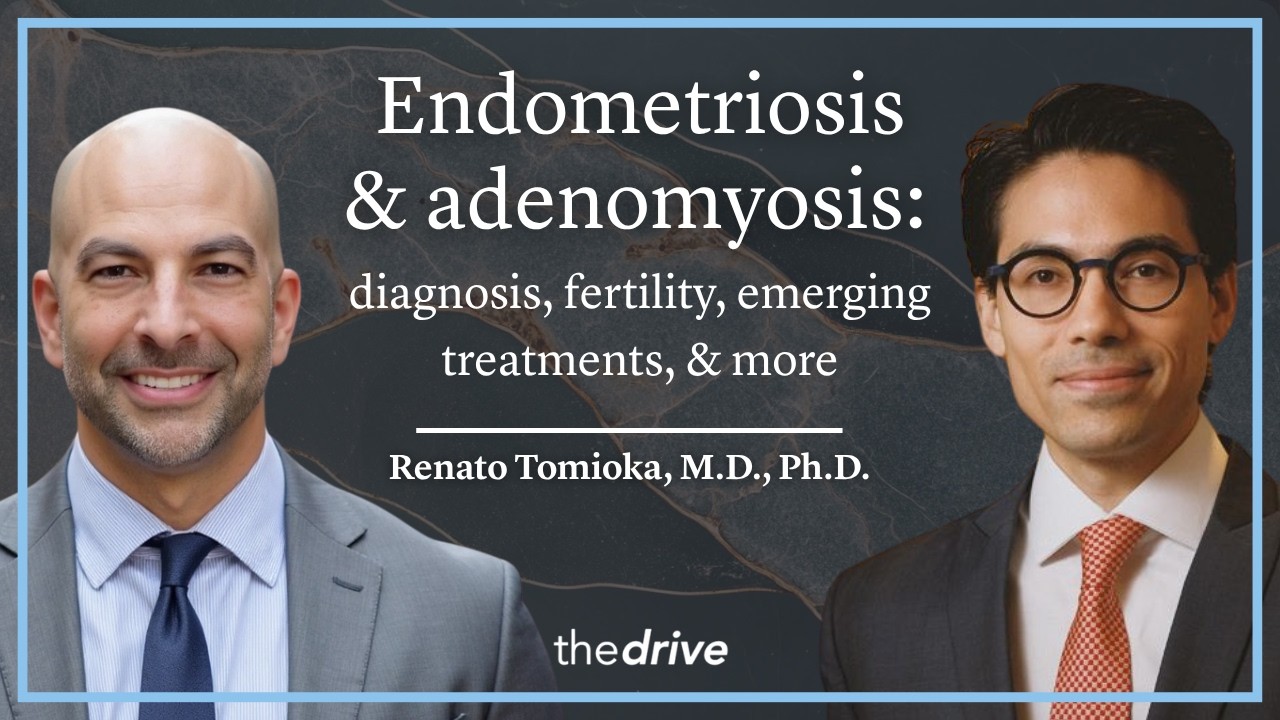 121 min
397 - Endometriosis and adenomyosis: diagnosis, fertility, reproductive aging, & emerging treatments
 51 min
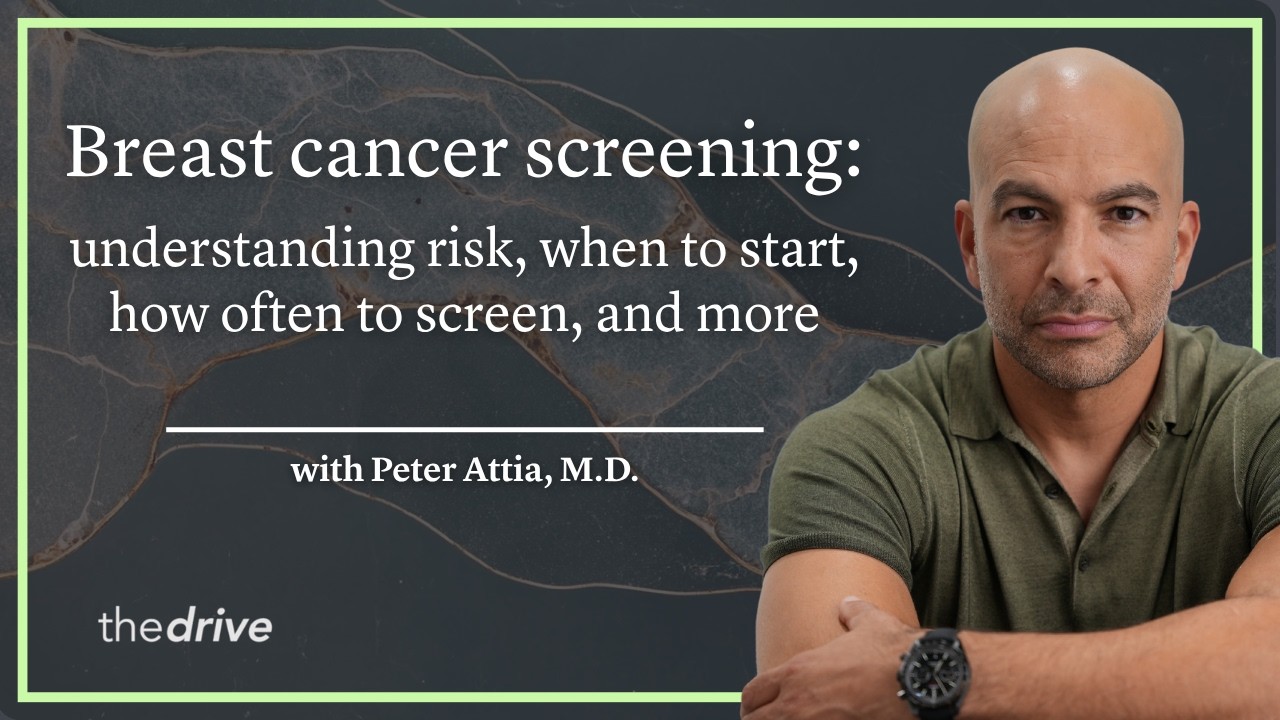
396 – Breast cancer screening: understanding risk, deciding when to start, and more
 105 min
395 – Brain lipidology: understanding APOE, cholesterol homeostasis, Alzheimer’s disease, & more
 135 min
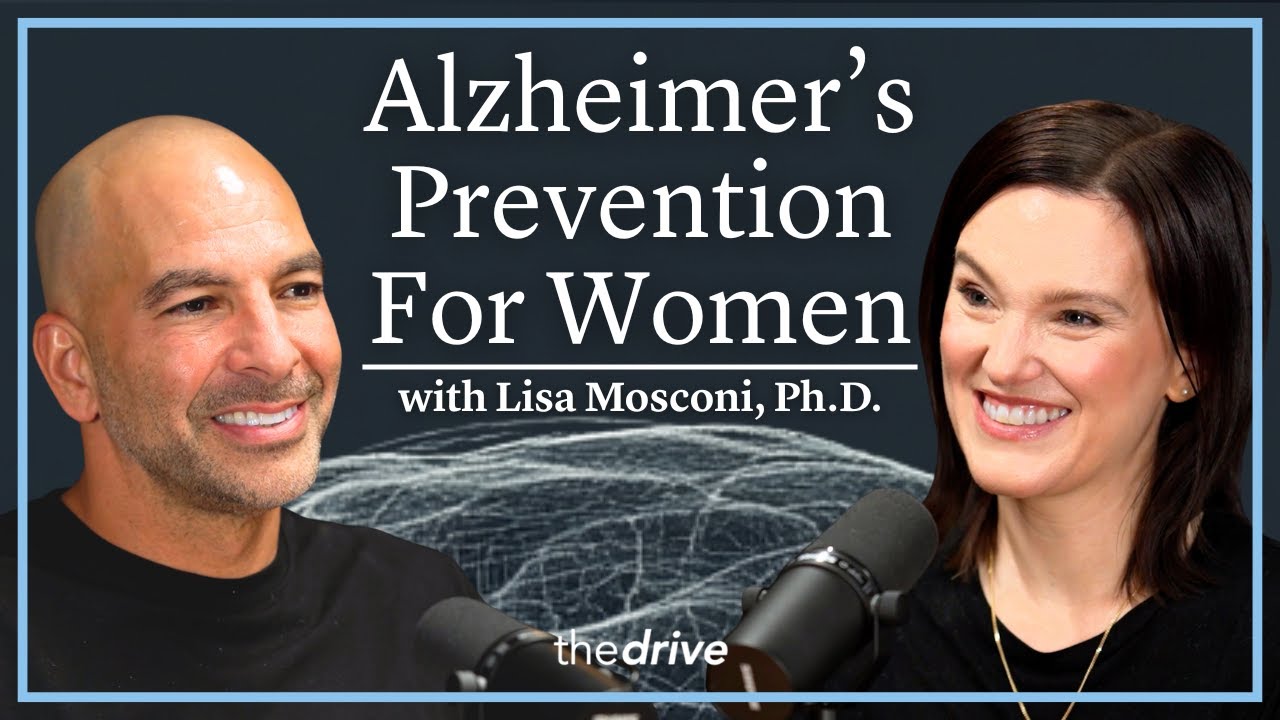
381‒Alzheimer’s disease in women: how hormonal transitions impact the brain, new therapies, & more
Ask anything from this episode.
Save it, chat with it, and connect it to Claude or ChatGPT. Get cited answers from the actual content — and build your own knowledge base of every podcast and video you care about.
Get Started Free