Key Moments
#100 – Sam Harris, Ph.D.: COVID-19—Comprehending the crisis and managing our emotions
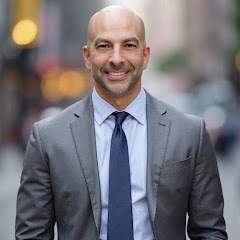 Peter Attia MD
Want to know something specific about what's covered?
We've already dissected every moment. Ask and we will deliver (with timestamps).
Key Moments
COVID-19 crisis discussion on virus vs. flu, societal impact, and managing anxiety.
Key Insights
COVID-19 presents a unique, non-linear growth dynamic compared to the predictable seasonal wave of influenza.
Misinformation and cognitive biases, such as the flu analogy, hinder effective public understanding and response.
Societal responses to pandemics highlight a systematic underestimation of expertise and a need for greater scientific trust.
Advanced nations grapple with balancing economic costs against the immediate and potential long-term impacts of the virus.
Mindfulness and cognitive tools are crucial for managing fear, uncertainty, and emotional distress during crises.
Systemic failures in pandemic preparedness and response underscore the need for robust governmental and international cooperation.
UNDERSTANDING THE UNIQUE THREAT OF COVID-19
The discussion distinguishes COVID-19 from influenza, emphasizing the former's exponential growth potential and unpredictable trajectory. Unlike the annual influenza wave, COVID-19's non-linear spread necessitates a more severe response. The analogy to influenza is critiqued as misleading, failing to account for the virus's novel and evolving nature, which carries a significant unknown potential for mortality and societal disruption.
THE CHALLENGE OF PUBLIC PERCEPTION AND MISINFORMATION
A significant hurdle in managing the crisis is the public's varying susceptibility to misinformation and cognitive biases. Comparisons to the flu, the underestimation of risk, and political polarization all contribute to a fragmented response. The conversation highlights how easily confirmation bias can entrench denial and obfuscation, making it difficult to convey the urgency and severity of the situation even to intelligent individuals.
ECONOMIC IMPACT AND THE CURE VERSUS DISEASE DEBATE
The economic consequences of lockdowns and mitigation strategies are a major concern, with the potential for depression and social unrest. However, the discussion posits that the economic cure could be as devastating as the disease itself, especially if not managed carefully. The argument is made that while economic damage is significant, it doesn't equate to true wealth destruction, unlike a devastating pandemic.
THE IMPORTANCE OF PRECISION AND UNCERTAINTY IN COMMUNICATION
Communicating scientific uncertainty is vital but challenging. The need to express projections within confidence intervals, not as absolute figures, is stressed. Error bars, though not inherently exciting to the public, are crucial for accurate understanding. This nuanced communication is essential to avoid alienating skeptics and to convey the probabilistic nature of scientific predictions, especially regarding pandemics and climate change.
MANAGING EMOTIONAL RESPONSES THROUGH MINDFULNESS
The podcast delves into managing personal emotions like anxiety, fear, and shame. Sam Harris emphasizes that the goal is not to eliminate negative emotions but to develop agility in responding to them. Mindfulness practice allows for the observation of thoughts and feelings without immediate reaction, thereby shortening their duration and impact. This mental resilience is crucial for navigating uncertainty and distress.
RETHINKING EXPERTISE, TECHNOLOGY, AND GOVERNMENTAL ROLES
The crisis underscores the critical importance of scientific expertise and robust governmental infrastructure. The denigration of experts and the overreliance on simplistic solutions are detrimental. The necessity for governmental action in public health and crisis management is highlighted, suggesting a reevaluation of purely private or libertarian approaches. The pandemic also reveals the potential for technological solutions and decentralized, city-level responses.
THE ROLE OF SOCIAL COHESION AND PERSONAL RELATIONSHIPS
The pandemic profoundly impacts social interactions and family dynamics. The conversation touches on the importance of honesty with children about the crisis, calibrating information to their age and understanding. For adults, maintaining healthy relationships amidst stress requires mutual understanding and the ability to de-escalate conflict, often with the help of a supportive partner who can provide timely cues for emotional regulation.
THE COMPLEXITY OF VACCINE DEVELOPMENT AND ACCEPTANCE
The prospects for a safe and effective vaccine are discussed, acknowledging the technical challenges and potential risks associated with novel vaccines. The distinction between scientifically grounded concerns about vaccine safety and unfounded anti-vaccine narratives is crucial. A mature societal discussion about acceptable risks and benefits is needed to ensure public health measures are both effective and widely embraced.
LEARNING LESSONS FOR FUTURE CRISES
The podcast stresses the imperative to learn from the current crisis, documenting learnings in a shared space. The apparent thinness of societal institutions and the interactions between health emergencies and political controversies highlight areas for improvement. A more sophisticated approach to risk management, embracing nuance and uncertainty, is essential for future preparedness and resilience.
Mentioned in This Episode
●Software & Apps
●Companies
●Organizations
●Drugs & Medications
●Concepts
●People Referenced
Common Questions
Despite warnings from experts like Bill Gates as early as 2015, the world was fundamentally surprised and unprepared for COVID-19. Peter Attia and Sam Harris suggest a societal tendency towards 'masochistically short-sighted' risk assessment, where immediate gratification or denial outweighs long-term preparedness, akin to the 'marshmallow problem' where short-term concessions for future payoffs are difficult.
Topics
Mentioned in this video
Used as an example of a non-essential activity that some people debated keeping open early in the pandemic, contrasting with the severity of the crisis.
Identified as a major hotspot for the pandemic, with discussions about its vulnerability due to density, transit, and cultural factors.
The Chinese city from which initial COVID-19 data was used for modeling approximations of infection cycles.
Discussed as the origin point of COVID-19, with criticism directed at its eating practices and authoritarian government's handling of the outbreak.
Mentioned as a contrast to Italy and New York, implying a more effective response to the pandemic.
Frequently referenced as a country experiencing severe COVID-19 outbreaks, particularly Milan, serving as a cautionary example.
Mentioned for comments made about the number of COVID-19 cases in New York, used in the context of conservative estimates of infection rates.
Cited as someone who predicted a pandemic in 2015, highlighting a failure to address foreseeable disasters.
Host of the Drive podcast, a physician with a background in finance. Discusses lessons learned from the COVID-19 pandemic and managing emotions during the crisis.
Guest on the podcast, a neuroscientist, philosopher, and author. Offers insights on managing emotions and the psychological impact of the pandemic.
Governor of California, mentioned for ordering a shutdown, highlighting the difficulty of implementing strict measures in a free society.
Discussed in the context of his use of the term 'Chinese virus' and its political implications, contrasting legitimate concerns with political weaponization.
Mentioned alongside SARS-CoV as a previous coronavirus, indicating Peter Attia's view that coronaviruses are a recurring threat.
Sam Harris's meditation app, which he recommends for understanding mindfulness and the nature of mind.
Peter Attia's website and an affiliated membership program for in-depth health and wellness content.
Another disease mentioned as having a simpler vaccine development history compared to coronaviruses.
Used as an example of a common medication that still carries a non-zero risk of death, illustrating the universal presence of risk in medical interventions.
Referenced as a disease with a more historically achievable vaccine, serving as a benchmark for vaccine difficulty.
Peter Attia mentions SARS-CoV-1 and MERS as previous coronaviruses, suggesting that SARS-CoV-2 (the virus causing COVID-19) is not an isolated incident and coronaviruses will continue to emerge.
Cited as a tradition that offers teachings on the nature of mind and the illusion of self, which can aid in meditation practice and emotional freedom.
Mentioned as a disease for which vaccine development has been historically more straightforward than for coronaviruses, illustrating the technical challenges.
More from Peter Attia MD
View all 341 summaries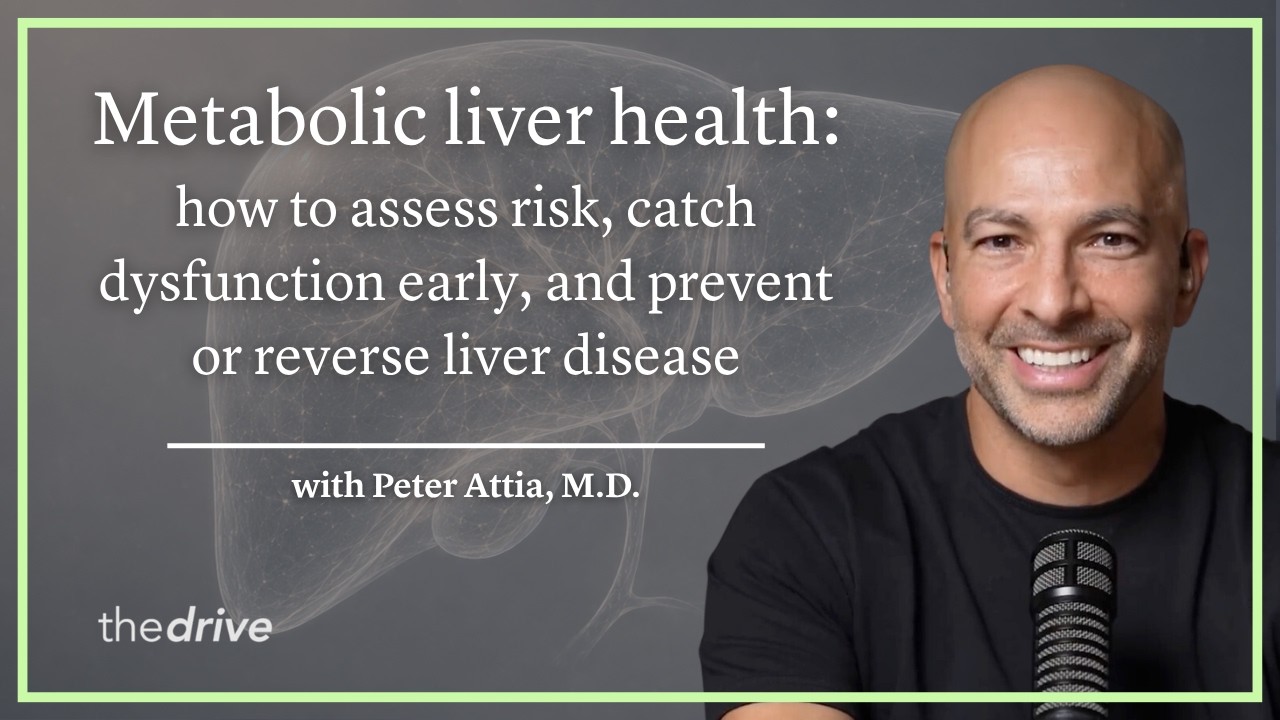 39 min
Metabolic liver health: how to assess risk, catch dysfunction early, and more (AMA 88 sneak peek)
 140 min
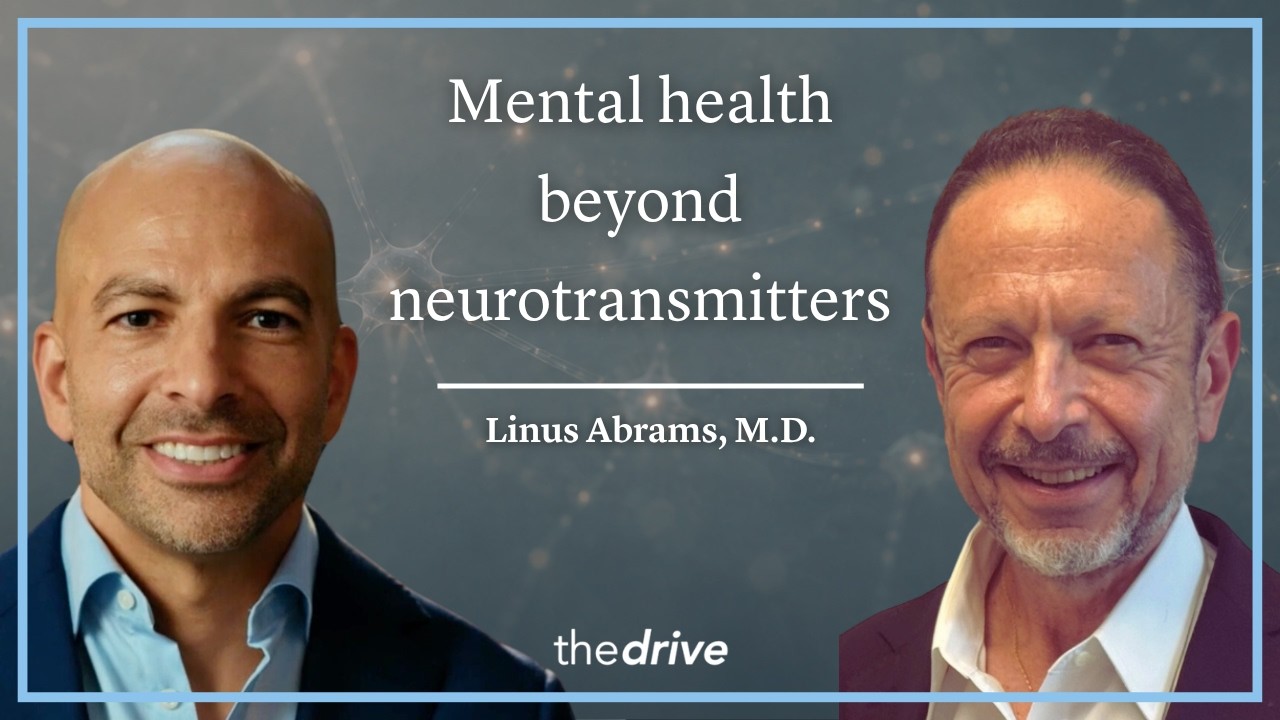
404 ‒ Mental health beyond neurotransmitters: hormones in psychiatry, psychedelic therapies, & more
 51 min
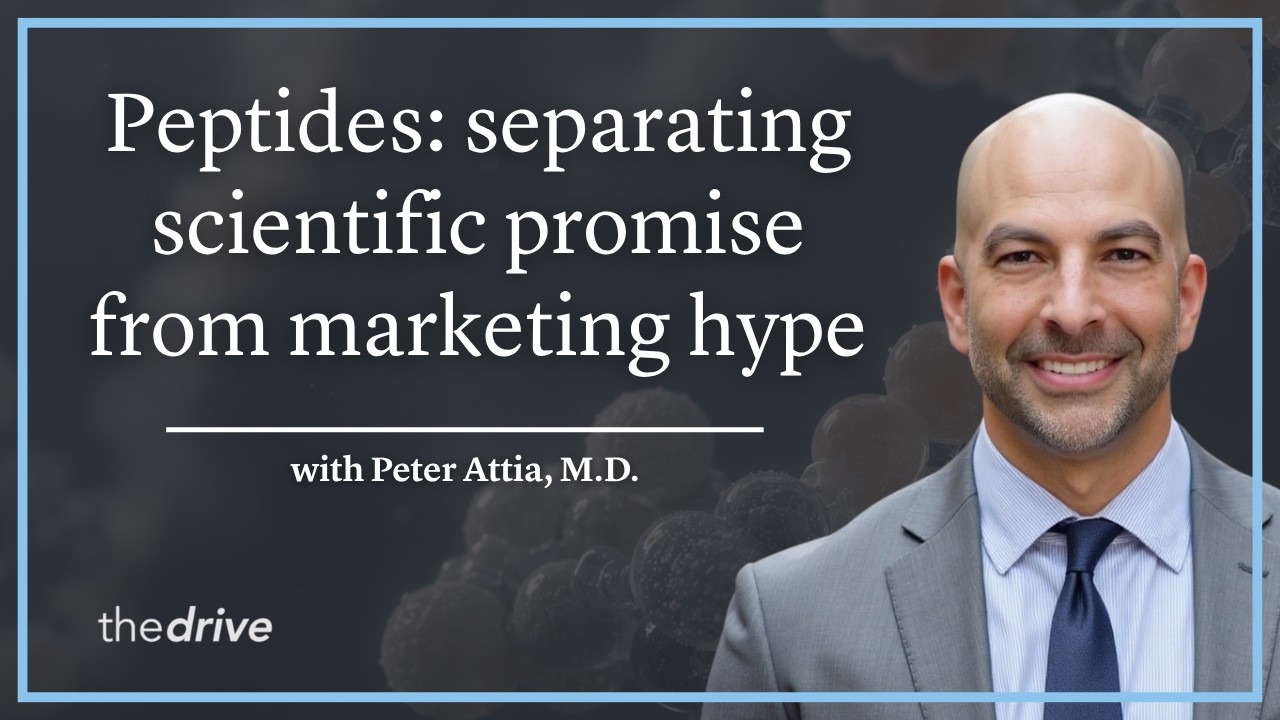
403 ‒ Peptides: separating scientific promise from marketing hype
 148 min
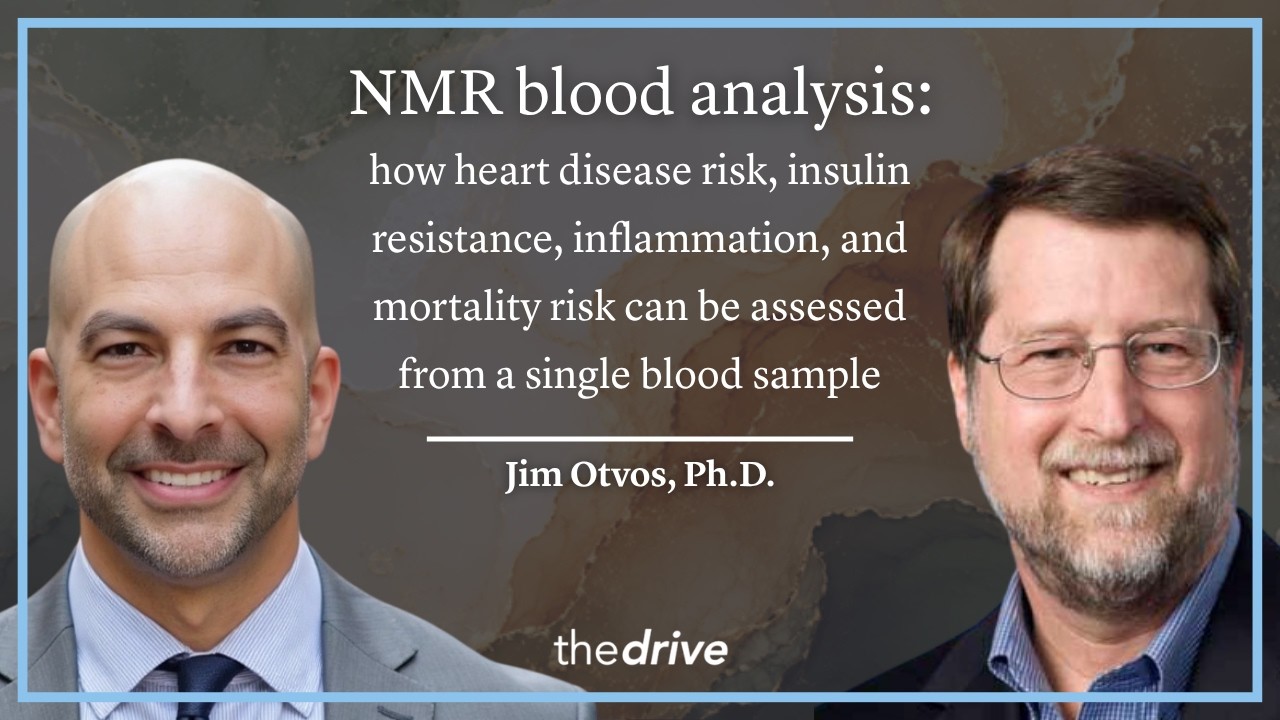
402 ‒ NMR blood analysis: how mortality risk and more can be assessed from a single blood sample
Ask anything from this episode.
Save it, chat with it, and connect it to Claude or ChatGPT. Get cited answers from the actual content — and build your own knowledge base of every podcast and video you care about.
Get Started Free