Key Moments
The Future of Psychedelic Medicine 2: A Conversation with Jennifer Mitchell and Sarah Abedi (#377)
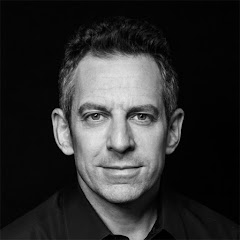 Sam Harris
Key Moments
Psychedelic research faces FDA scrutiny, with MDMA for PTSD showing promise amid challenges like blinding and therapist misconduct.
Key Insights
MDMA-assisted therapy shows remarkable efficacy for PTSD, with ~70% of participants losing their diagnosis in trials.
The FDA's advisory committee raised concerns about data integrity, particularly regarding blinding and therapist misconduct allegations.
The unique nature of psychedelic research challenges traditional placebo-controlled, double-blind study designs.
There's a need for a paradigm shift towards systems thinking in mental health research, acknowledging interconnectedness.
Ethical guidelines, rigorous training, and accountability mechanisms are crucial for safe and effective psychedelic therapy.
Advocacy for funding and policy change is essential to support the advancement of psychedelic medicine.
BACKGROUND AND PERSONAL JOURNEYS INTO PSYCHEDELIC RESEARCH
Dr. Jennifer Mitchell, a neuroscientist from UCSF and the San Francisco VA, focuses on developing novel therapeutics for mental health conditions, including PTSD, with a particular interest in psychedelic medicines. Dr. Sarah Abedi, an emergency medicine physician, was drawn to psychedelics by the limitations of conventional treatments observed in the ER. Both have engaged in clinical trials and policy advocacy, highlighting the profound unmet need in mental healthcare and the potential of these compounds.
HISTORICAL CONTEXT AND THE WAR ON DRUGS
The scientific interest in psychedelics like LSD and psilocybin dates back to the mid-20th century, showing early promise before a cultural backlash, epitomized by Timothy Leary, led to the War on Drugs and their scheduling as highly restricted substances. MDMA, rediscovered later, also faced similar restrictions. Rick Doblin's formation of MAPS was pivotal in restarting research and advocating for legal reform, leading to a quiet resurgence and increased public awareness through figures like Michael Pollan.
MDMA-ASSISTED THERAPY FOR PTSD: TRIAL RESULTS AND FDA REVIEW
Dr. Mitchell’s work with MAPS (now Lykos Therapeutics) involved Phase III clinical trials for MDMA-assisted therapy for PTSD, yielding highly encouraging results where approximately 70% of participants no longer met the diagnostic criteria for PTSD. This outcome is notable compared to current gold-standard treatments, sparking significant hope. However, the FDA's advisory committee recently expressed doubts about the efficacy and safety data, suggesting a setback in the approval process.
CHALLENGES IN PSYCHEDELIC RESEARCH: BLINDING AND MISCONDUCT
Conducting rigorous clinical trials with psychedelics presents unique challenges, primarily the difficulty in maintaining 'blinding' due to the potent and discernible effects of these substances. Participants often correctly guess whether they received the active drug or placebo. Furthermore, allegations of therapist misconduct, though rare and pertaining to older studies, have been raised, prompting discussions about the need for robust ethical guidelines and oversight, especially as the field moves towards legalization and wider practice.
RETHINKING THERAPEUTIC MODELS: SYSTEMS THINKING AND PSYCHONEUROIMMUNOLOGY
Psychedelic medicine introduces a new therapeutic model that moves beyond a reductionist approach to medicine. Drs. Mitchell and Abedi advocate for 'systems thinking,' which considers the intricate interplay of psychological, neurological, and immunological factors. Psychoneuroimmunology, exploring how stress and trauma impact the nervous and immune systems, exemplifies this holistic view, highlighting the link between trauma, inflammation, and chronic diseases, suggesting a more integrated approach is needed for mental health.
THE POTENTIAL AND PITFALLS OF NON-PSYCHEDELIC COMPOUNDS
The discussion extends to 'psychoplastins' or non-psychedelic compounds that may induce neuroplasticity without the full psychedelic experience. While proponents highlight the transformative, often life-affirming, phenomenological aspects of psychedelic experiences (akin to the 'overview effect' for astronauts), researchers are investigating whether the shift in consciousness is essential or if underlying neuromodulation is sufficient. This research explores if similar therapeutic benefits can be achieved with less intense experiences.
EMERGING THERAPEUTIC PARADIGMS AND SCALING CHALLENGES
The unique nature of psychedelic therapy, often involving profound insights and potential life changes, raises questions about integration and accessibility. Unlike conventional pharmaceuticals, these treatments offer a focused, potent experience that catalyzes change. However, disparities in access to follow-up care and integration support could exacerbate existing inequalities, especially for marginalized populations. Ensuring comprehensive support post-treatment is critical for sustained well-being and to avoid potential harm.
TRAINING AND OVERSIGHT FOR PSYCHEDELIC THERAPISTS
The professionalization of psychedelic therapy necessitates rigorous training, ethical guidelines, and accountability mechanisms. This includes educating facilitators on boundary setting, consent, trauma-informed care, and managing potential 'false insights.' Establishing clear protocols, supervision, and reporting structures is essential, especially as the field moves from underground practice to regulated therapeutic settings, ensuring patient safety and facilitating ongoing learning and improvement.
POLICY AND REGULATORY CONSIDERATIONS: THE PATH FORWARD
The FDA's upcoming decision on MDMA-assisted therapy is at a critical juncture. Implementing a Risk Evaluation and Mitigation Strategy (REMS) could provide regulatory approval with continued data collection. Furthermore, expanding access through programs like 'Right to Try,' particularly for veterans suffering from PTSD and other conditions where conventional treatments have failed, is crucial. Integrating subject matter experts onto review committees and fostering interdisciplinary collaboration are key to navigating this new paradigm.
LEVERAGING FUNDING AND ADVOCACY FOR PROGRESS
Securing adequate funding remains a significant hurdle in advancing psychedelic research. Initiatives like 'Treat Humanity' aim to unlock capital for research and infrastructure development. The discussion emphasizes that progress does not need to be slow; with proper funding and collaborative efforts, the field can efficiently deliver much-needed therapeutic options to those who desperately require them, potentially transforming mental healthcare.
Mentioned in This Episode
●Supplements
●Software & Apps
●Companies
●Organizations
●Books
●Drugs & Medications
●Concepts
●People Referenced
Common Questions
MDMA-assisted therapy is a treatment approach that combines MDMA with psychotherapy to help individuals process traumatic experiences. Clinical trials have shown a remarkable 70% loss of PTSD diagnosis among participants, offering hope where conventional treatments have failed.
Topics
Mentioned in this video
Sarah Abedi is set to join a study at this center focusing on the effects of psilocybin on mindfulness.
Sarah Abedi is the Chief Medical Officer at this organization, dedicated to advancing research in mental health therapeutics, including psychedelics.
Jennifer Mitchell serves as the associate chief of staff for research and development here, focusing on novel therapeutics for various mental health conditions.
The Centers for Disease Control and Prevention, where the Adverse Childhood Experiences questionnaire can be found.
Jennifer Mitchell is a professor in this department at the University of California, San Francisco, where she conducts research on neurological disorders and treatments.
Sarah Abedi has worked as a psychedelic facilitator for clinical trials at this institute, studying the effects of psilocybin and LSD on mental health issues.
A citizen-driven initiative Sarah Abedi was involved with, aiming to establish a $5 billion funding agency for novel therapeutics, including psychedelics.
The Food and Drug Administration, whose upcoming decision on MDMA-assisted Psychotherapy for PTSD is a central topic of discussion.
Multidisciplinary Association for Psychedelic Studies, founded by Rick Doblin to advocate for psychedelic research and policy change. They initiated phase three clinical trials for MDMA-assisted therapy for PTSD.
Author and journalist whose 2015 New Yorker article and 2018 book 'How to Change Your Mind' brought widespread attention to psychedelic research.
Professor in UCSF's Department of Neurology, her research focuses on developing novel therapeutics for substance abuse, PTSD, stress, anxiety, and depression, with a specialization in psychedelic medicines for mental health conditions.
Founder of MAPS (Multidisciplinary Association for Psychedelic Studies), who worked to change drug laws and restart research after MDMA was made illegal.
Mentioned alongside 'Lii' in the context of early psychedelic experiments in the 1960s, likely referring to Albert by a misspelling.
A board-certified emergency medicine physician and psychedelic facilitator for clinical trials. She has worked at Pacific Neuroscience Institute and is involved with studies at USC's Center for Mindfulness Science. She is also involved in policy change and founded Treat Humanity.
A Harvard psychologist and proponent of psychedelic use who famously urged a generation to 'turn on, tune in, drop out,' contributing to the countercultural movement and subsequent governmental crackdown.
A researcher who started work on psilocybin at Johns Hopkins in 1999, publishing a significant paper in 2006 that helped to revitalize psychedelic research.
A psychedelic compound mentioned in the context of early research and the challenges of blinding trials due to its potent effects.
An SSRI medication sometimes prescribed for PTSD, though it is not effective for the majority of patients.
Selective Serotonin Reuptake Inhibitors, a class of antidepressants like Citalopram and Paroxetine, which are FDA-approved but often not effective for PTSD.
A psychedelic compound studied for its potential therapeutic benefits, with research showing increased scores on assessments of regenerative action compared to placebo.
A compound being studied for its efficacy and safety in treating PTSD, with recent developments in clinical trials and FDA advisory panel feedback.
An SSRI medication sometimes prescribed for PTSD, though it is not effective for the majority of patients.
A field of study exploring the effects of psychology on the nervous and immune systems, presented as an example of systems thinking in medicine.
A talk therapy considered a gold standard for PTSD treatment, involving confronting trauma repeatedly, which can be painful and difficult to complete.
A stress hormone that can increase due to dysregulation of the HPA axis, linked to chronic inflammation and various health issues.
A term describing the profound awe and sense of interconnectedness experienced by astronauts viewing Earth from space, used as an analogy for meaningful psychedelic experiences.
A system involved in the stress response, which can become dysregulated by trauma, leading to increased cortisol and inflammation linked to various diseases.
A study examining the link between early life trauma and numerous health problems in adulthood, illustrating the long-term impact of trauma.
More from Sam Harris
View all 292 summaries 34 min
Is Effective Altruism Blind to the Biggest Problems? – Sam Harris & Will MacAskill
 21 min
What Is Technology Doing to Us?
 42 min
Is the Iran War Already Failing?
 90 min
FULL EPISODE: The Politics of Pragmatism and the Future of California (Ep. 464)
Found this useful? Build your knowledge library
Get AI-powered summaries of any YouTube video, podcast, or article in seconds. Save them to your personal pods and access them anytime.
Get Started Free