Key Moments
How to Exercise for Strength Gains & Hormone Optimization | Dr. Duncan French
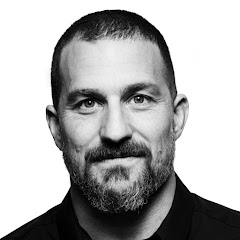 Andrew Huberman
Want to know something specific about what's covered?
We've already dissected every moment. Ask and we will deliver (with timestamps).
Key Moments
Dr. Duncan French discusses resistance training, hormone optimization, stress, and recovery strategies.
Key Insights
Resistance training, particularly involving high intensity and sufficient volume with controlled rest, can significantly boost testosterone production in both men and women.
Stress, in the short term and when anticipatory, can increase testosterone release, highlighting the body's preparedness for demanding tasks.
Cold exposure, while creating a stress response, may hinder muscle growth and adaptations if used during periods focused on hypertrophy, but can be strategically used for recovery nearer to competition.
Heat adaptation is a trainable process that improves the body's ability to sweat and thermoregulate, and it can be progressed over several weeks.
Skill acquisition prioritizes quality of movement over quantity, emphasizing focused practice until fatigue impacts accuracy, and it is mentally fatiguing.
Nutrition should be periodized based on training intensity and goals, with a need-based approach to carbohydrate and fuel source utilization.
The UFC Performance Institute applies 'adaptation-led programming' across all aspects of training, nutrition, and recovery to optimize individual athlete development.
THE SCIENCE OF BUILDING STRENGTH AND HORMONES
Dr. Duncan French emphasizes that resistance training, characterized by high intensity and sufficient volume with controlled rest periods (around two minutes), is a powerful stimulus for increasing testosterone. This protocol, often involving six sets of ten repetitions at 80% of one's one-rep maximum, leverages both mechanical and metabolic stress to promote hormonal release. The key is to maintain intensity while ensuring an adequate metabolic stimulus derived from the repetitions and limited rest, which encourages lactate buildup and subsequent anabolic signaling.
STRESS, AROUSAL, AND HORMONAL RESPONSE
Contrary to the common belief that all stress is detrimental, Dr. French highlights that short-term, anticipatory stress can actually enhance performance by increasing catecholamines like epinephrine and norepinephrine. This physiological arousal primes the body for demanding physical exertion, leading to improved force output. The cognitive interpretation of the stressor, whether perceived as a challenge or a threat, influences the response, with a positive framing potentially leading to better performance outcomes.
STRATEGIC USE OF COLD EXPOSURE FOR RECOVERY
While cold exposure (like ice baths) elicits a stress response, its application for recovery requires careful consideration. If the primary goal is muscle growth (hypertrophy), using cold therapy during intense training phases might blunt the signaling pathways necessary for adaptation. It is suggested that cold exposure is more beneficial during competition phases to enhance recovery, allowing athletes to maintain technical execution, rather than during periods focused on building muscle mass.
THE ROLE OF HEAT ACCLIMATION AND ADAPTATION
Heat exposure, like cold, acts as a stressor that drives physiological adaptations, including increased heat shock protein production. For athletes, particularly in sports involving weight classes, heat acclimation is crucial for improving sweat rates, which aids in managing weight cuts. This adaptation is a gradual process, typically requiring 8-10 weeks of consistent exposure to build tolerance and optimize thermoregulation, starting with shorter durations and progressively increasing time and temperature.
OPTIMIZING SKILL ACQUISITION AND MENTAL FATIGUE
Skill learning is fundamentally driven by the quality of movement repetition rather than sheer volume. Fatigue can negatively impact motor learning accuracy, making it crucial to stop practice when movement quality declines. This focused, high-quality practice is mentally demanding, leading to mental fatigue. Proper fueling, particularly with carbohydrates, is essential for both physical performance and cognitive function during these demanding skill-acquisition sessions.
PERIODIZED NUTRITION FOR PEAK PERFORMANCE
Dr. French advocates for a need-based, periodized approach to nutrition, especially for high-intensity athletes. While low-intensity daily living can be supported by fat oxidation, high-intensity efforts and competition require carbohydrate fueling. Strategies include cycling carbohydrate intake around training sessions to maximize performance and recovery, and adopting ketogenic-like eating patterns during lower-intensity or off-season periods to enhance metabolic efficiency. This approach tailors fuel source utilization to the specific demands of training and competition.
ADAPTATION-LED PROGRAMMING AND INDIVIDUAL RESPONSE
The core philosophy at the UFC Performance Institute is 'adaptation-led programming,' meaning all interventions—training, nutrition, recovery—are designed to elicit specific adaptations in the individual athlete. This acknowledges that human physiology is highly plastic. A typical timeframe for observing significant adaptations is around 12 weeks, though shorter blocks are used for specific tactical reasons. Recognizing and logging individual responses is critical, as athletes will react differently to the same stimuli due to inherent biological complexity.
UNIQUE CHALLENGES AND RESILIENCE IN MMA
Mixed martial arts presents unprecedented complexity with numerous weight classes, stylistic diversity, and unpredictable fight schedules. This necessitates athletes being ready at all times, unlike sports with clear seasonal circuits. Beyond the physical demands, MMA fighters exhibit remarkable mental resilience and the ability to toggle between high-alert states and calmness, a skill crucial for managing the physical and psychological rigors of the sport and life. This mental fortitude allows them to consistently perform and recover.
Mentioned in This Episode
●Software & Apps
●Companies
●Organizations
●Concepts
●People Referenced
Exercise & Nutrition Optimization for Performance
Practical takeaways from this episode
Do This
Avoid This
Common Questions
Resistance training increases anabolic hormones like testosterone in both men and women. In women, this testosterone is primarily released from the adrenal glands, while in men, it's a combination of adrenal and gonadal release. This hormonal increase contributes to muscle tissue growth and adaptations in tendons, ligaments, and even bone.
Topics
Mentioned in this video
A facility where Dr. French serves as Vice President of Performance, focusing on optimizing athletic performance for UFC athletes.
Where Dr. French previously served as Director of Performance Science prior to joining the UFC.
The institution where Dr. French began his PhD studies.
The organization Dr. Duncan French worked for for 14 years, planning for Olympic cycles with various sports teams.
Sponsor that makes customized mattresses and pillows based on individual sleep needs through a two-minute quiz.
Sponsor of the podcast that makes high-quality, lightweight eyeglasses and sunglasses designed for performance with superb clarity.
A supplement company partnered with the podcast, known for high-quality supplements with accurate ingredient labeling, trusted by major sports teams and institutions like the Mayo Clinic.
Formerly of USA Triathlon, credited with originating the concept of metabolic efficiency in nutrition.
Guest on the podcast, Vice President of Performance at the UFC Performance Institute, with over 20 years of experience with elite athletes and a PhD in Exercise Physiology.
Dr. French's PhD supervisor, a muscle neuroendocrinologist and researcher in muscle physiology at Ball State University and later UConn.
A leading proponent in motor learning and motor skill acquisition, currently at UNLV.
Host of the Huberman Lab Podcast and Professor of Neurobiology and Ophthalmology at Stanford School of Medicine.
A UFC fighter mentioned as an example of an athlete who advocates for and utilizes a ketogenic diet, which works for him.
More from Andrew Huberman
View all 387 summaries 118 min
Eating for Better Sleep & Foods that Improve Metabolic Health | Dr. Marie-Pierre St-Onge
 37 min
Essentials: Psychedelics & Neurostimulation for Brain Rewiring | Dr. Nolan Williams
 169 min
Peptides: The Science, Uses & Safety | Dr. Abud Bakri
 36 min
The Science & Process of Healing from Grief | Huberman Lab Essentials
Ask anything from this episode.
Save it, chat with it, and connect it to Claude or ChatGPT. Get cited answers from the actual content — and build your own knowledge base of every podcast and video you care about.
Get Started Free