Key Moments
How to Defeat Jet Lag, Shift Work & Sleeplessness | Huberman Lab Essentials
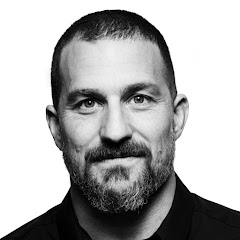 Andrew Huberman
Key Moments
Master jet lag, shift work, and sleep with circadian science: optimize light, temperature, and timing around your body's temperature minimum.
Key Insights
The body's circadian rhythm, governed by the suprachiasmatic nucleus, aligns sleep-wake cycles and bodily functions with the 24-hour light-dark cycle.
Optimal light exposure, especially morning sunlight (aiming for 100,000 lux before 9 AM) and avoiding bright light after 8 PM, is crucial for setting the circadian clock.
The 'temperature minimum' is a key point in the 24-hour cycle, marking the lowest body temperature, and strategically using light, meals, and exercise around it can shift the circadian clock.
Traveling east is generally harder than traveling west due to the body's natural asymmetry in shifting alertness versus sleepiness.
For shift work, consistency is paramount; aim to maintain a schedule for at least 14 days and use light strategically during wakeful periods and darkness during sleep periods.
Newborns and adolescents have distinct circadian rhythms; while babies lack a fixed cycle, understanding and managing light exposure is vital. Adolescents' cycles naturally shift.
Melatonin can aid sleep onset but has potential endocrine effects and is less effective for circadian shifting compared to behavioral strategies like light and temperature manipulation.
For short trips (48-72 hours), it's often best to stay on your home time schedule; for longer durations, actively shift your clock using strategic light and activity timing.
UNDERSTANDING THE CIRCADIAN RHYTHM
Our bodies operate on a 24-hour circadian rhythm, a biological clock centered in the suprachiasmatic nucleus above the palate. This internal clock governs our sleep-wake cycles, body temperature, metabolism, mood, and immune function. It is primarily synchronized with the external light-dark cycle. Ideally, we get bright light exposure in the morning and minimal light at night. However, artificial light and modern life demands often disrupt this natural alignment, leading to issues like jet lag and poor sleep.
THE CRITICAL ROLE OF LIGHT EXPOSURE
Sunlight is the most potent stimulus for setting our circadian clock. The recommendation is to aim for at least 100,000 lux of light exposure, ideally sunlight, before 9 AM. This large photon energy input helps signal wakefulness and prepares the body for sleep 14-16 hours later. Conversely, avoiding bright light, including artificial sources, between 8 PM and 4 AM is crucial to prevent disrupting this preparation. Even on cloudy days, outdoor light is significantly brighter than indoor artificial light.
LEVERAGING THE TEMPERATURE MINIMUM
A powerful tool for managing circadian rhythms is understanding your 'temperature minimum,' the point in your 24-hour cycle when your body temperature is lowest, typically occurring 90 minutes to two hours before your usual wake-up time. Viewing bright light in the four hours following your temperature minimum will advance your clock, encouraging earlier waking and sleeping. Conversely, seeking bright light in the four to six hours before your temperature minimum will delay your clock, promoting later waking and sleeping.
NAVIGATING JET LAG AND TIME ZONE SHIFTS
Jet lag occurs when your internal clock is misaligned with the local environment. Traveling eastward is generally more challenging than westward because the human autonomic nervous system is better at staying awake than initiating sleep. To combat jet lag, you can intentionally shift your clock before traveling by applying light and behavioral cues around your temperature minimum. For example, to shift your clock earlier for eastward travel, expose yourself to bright light shortly after your temperature minimum for several days before departing.
STRATEGIES FOR SHIFT WORK AND SLEEP OPTIMIZATION
For shift workers, consistency is key; maintaining the same schedule for at least 14 days, including weekends, is crucial. During work shifts, maximize light exposure to enhance alertness. Upon returning home and needing to sleep, use darkness to signal sleepiness. For general sleep issues or when dealing with disruptions like new parenthood, strategies like Non-Sleep Deep Rest (NSDR) protocols can help regulate the nervous system and promote recovery even without full sleep. Behavioral interventions are often more beneficial than pharmaceutical aids.
APPLYING MECHANISMS FOR FLEXIBILITY AND CONTROL
Understanding the underlying mechanisms of circadian rhythms, such as the influence of light, temperature, and timing of meals, provides flexibility. Instead of rigidly adhering to one protocol, knowledge empowers you to adapt. For instance, a hot shower followed by a cool stimulus can influence body temperature, and timing meals can also aid in clock shifting. By mastering these principles, individuals can gain confidence in managing their sleep-wake cycles, improving alertness, and counteracting disruptions effectively.
MANAGING CIRCADIAN RHYTHMS IN DIFFERENT LIFE STAGES
Circadian rhythms vary across the lifespan. Babies are born without a fixed sleep-wake cycle and have different melatonin profiles than adults. Adolescents experience a natural shift in their circadian timing, wanting to stay up later and sleep in later. Older adults often have more disrupted cycles and are more vulnerable to schedule changes. Understanding these differences allows for tailored strategies, emphasizing consistent light exposure during wakefulness and darkness during sleep, tailored to each age group's specific needs and biological tendencies.
Mentioned in This Episode
●Supplements
●Tools
●Organizations
●Drugs & Medications
●Concepts
●People Referenced
Jet Lag, Shift Work, and Sleeplessness Survival Guide
Practical takeaways from this episode
Do This
Avoid This
Common Questions
Sunlight is crucial for setting your circadian clock. Viewing bright light, especially in the morning and around sunset, helps signal to your brain when it's time to be awake and when to wind down, aiding adjustment to new time zones.
Topics
Mentioned in this video
Abbreviation for Luteinizing Hormone, a hormone that stimulates the release of sex hormones like estrogen and testosterone. Its release is influenced by GnRH and inhibited by Melatonin.
A cluster of neurons located in the hypothalamus, above the optic chiasm, which serves as the primary control center for the body's circadian rhythms.
Non-Sleep Deep Rest protocol, a method discussed for maintaining autonomic regulation and recovering from sleep deprivation, especially relevant for new parents or those caring for the sick.
More from Andrew Huberman
View all 368 summaries 35 min
Essentials: How to Build Strength, Muscle Size & Endurance | Dr. Andy Galpin
 132 min
How Hormones Shape Sexual Orientation & Behavior | Dr. Marc Breedlove
 34 min
Using Salt to Optimize Mental & Physical Performance | Huberman Lab Essentials
 33 min
Essentials: Tools for Setting & Achieving Goals | Dr. Emily Balcetis
Found this useful? Build your knowledge library
Get AI-powered summaries of any YouTube video, podcast, or article in seconds. Save them to your personal pods and access them anytime.
Get Started Free